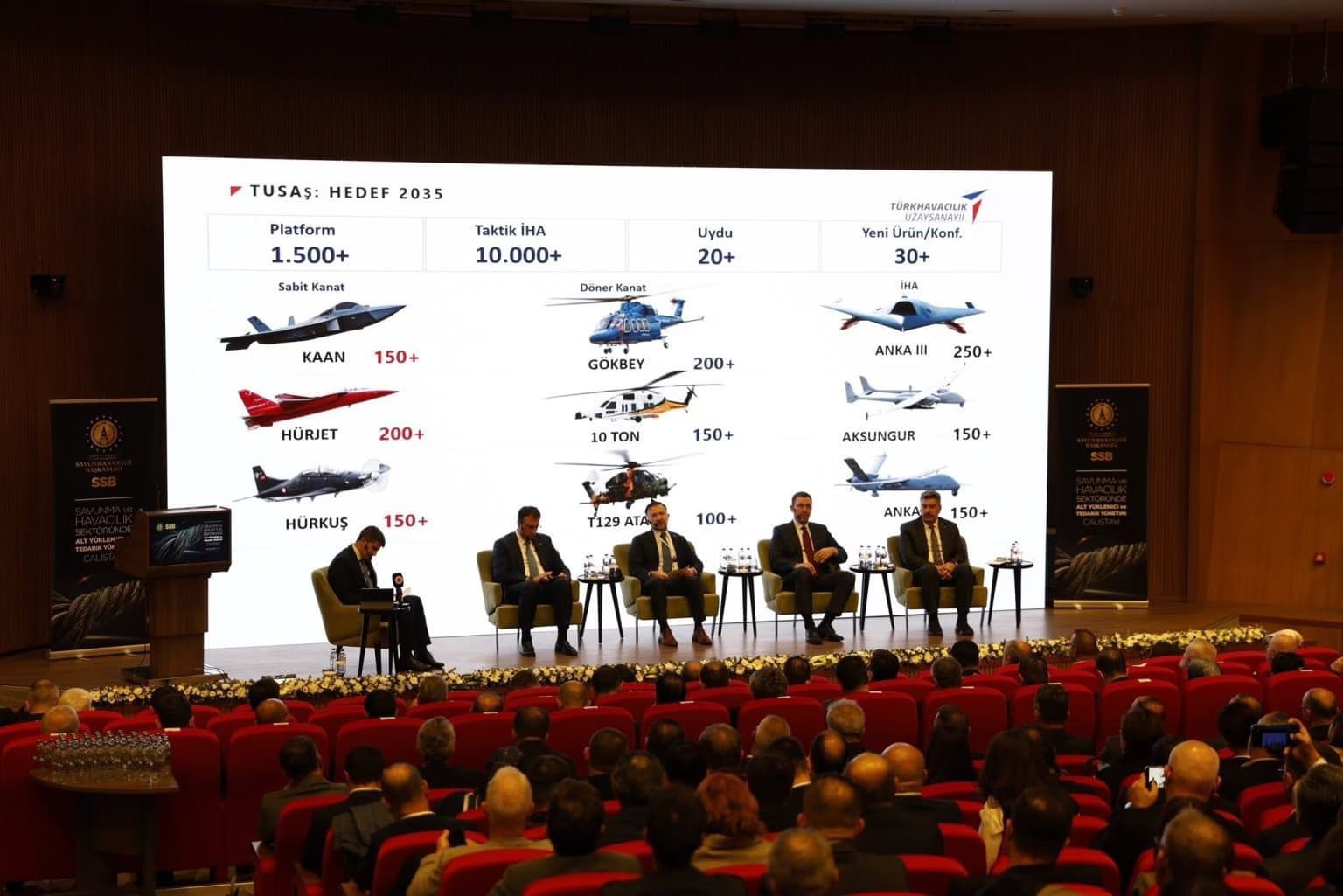
The Atlantic Council Global Energy Forum held in Washington addressed global energy balances, supply security, and new investment areas. The forum, which discussed the war in Iran and security risks related to energy supply, featured a speech by Ahmet Mücahid Ören, Chairman of İhlas Holding.
Ören stated that global energy demand is rapidly changing, with oil and natural gas maintaining their importance, but electricity needs are reaching a different scale. He emphasized that artificial intelligence, data centers, and technological growth demand uninterrupted, 24/7 base-load electricity from the grid, and predicted that future electricity demand will carry a weight similar to today’s oil demand.
A Turning Point in the Energy Security Map
Ören pointed out two main issues currently dominating the world: demand and the energy security map. He noted that the current oil and gas crisis raises not only production concerns but also questions about how quickly and under what conditions supply can return to previous levels.
He explained that the process, which began with the Russia-Ukraine war and deepened with risks around Iran and the Strait of Hormuz, has focused global markets on the resilience of supply. He also mentioned that damages at production points like Qatar could affect the recovery process of supply.
Investments in Central Asia and Kyrgyzstan
Ahmet Mücahid Ören said İhlas Holding has made energy investments, especially in hydroelectric power, and sees strong potential in Central Asia. He noted that projects underway in Kyrgyzstan will be influential for future energy strategies.
According to Ören, regions where cheap electricity can be produced will play a critical role in meeting new energy demand. Therefore, he described renewable energy and hydroelectric investments as the most suitable response to growing demand.
He shared that approximately 43 gigawatts of hydroelectric and renewable energy projects are in the planning stages in Central Asia, with a planned 10-gigawatt hydroelectric project in Kyrgyzstan. He stated these figures are large enough to reshape the region’s energy map.
Data Centers Moving Closer to Production Sites
Ören noted that oil and gas infrastructure is difficult to transport, but the rapid deployment of new energy production sources creates a different picture. Accordingly, data centers and artificial intelligence companies will begin locating their facilities closer to where electricity is produced.
He said the new load on the grid will come not from heating, transportation, or airlines, but directly from the IT sector, highlighting that power demand doubles every 18 months. He also mentioned that each year, new loads equivalent to Japan’s total annual consumption are added to the global grid.
CASA-1000 and the Regional Corridor
Ören brought up CASA-1000, a major regional electricity grid project in Central Asia starting from Kyrgyzstan and extending along the Middle Corridor. He said the transmission line passing through Afghanistan is about 80% complete so far.
He explained that this line will enable energy transmission across the geography to support production projects in the region. Ören also noted that Western interest in Central Asia is increasing, accelerating investments, and that development finance institutions and international organizations are now dedicating significant efforts to the region.
Growing Interest from the US and Europe
Ören stated that a noticeable increase in interest began last year when US President Donald Trump hosted Central Asian heads of state. Following summits in Kazakhstan and Kyrgyzstan, US institutions updated their mandates and shifted their strategic focus to Central Asia.
He also noted that the European Commission announced a large grant and incentive program for Central Asia, arguing that the global energy center is increasingly shifting toward Asia. According to him, in the new era, energy production, digitalization, and investment corridors converge on the same axis.