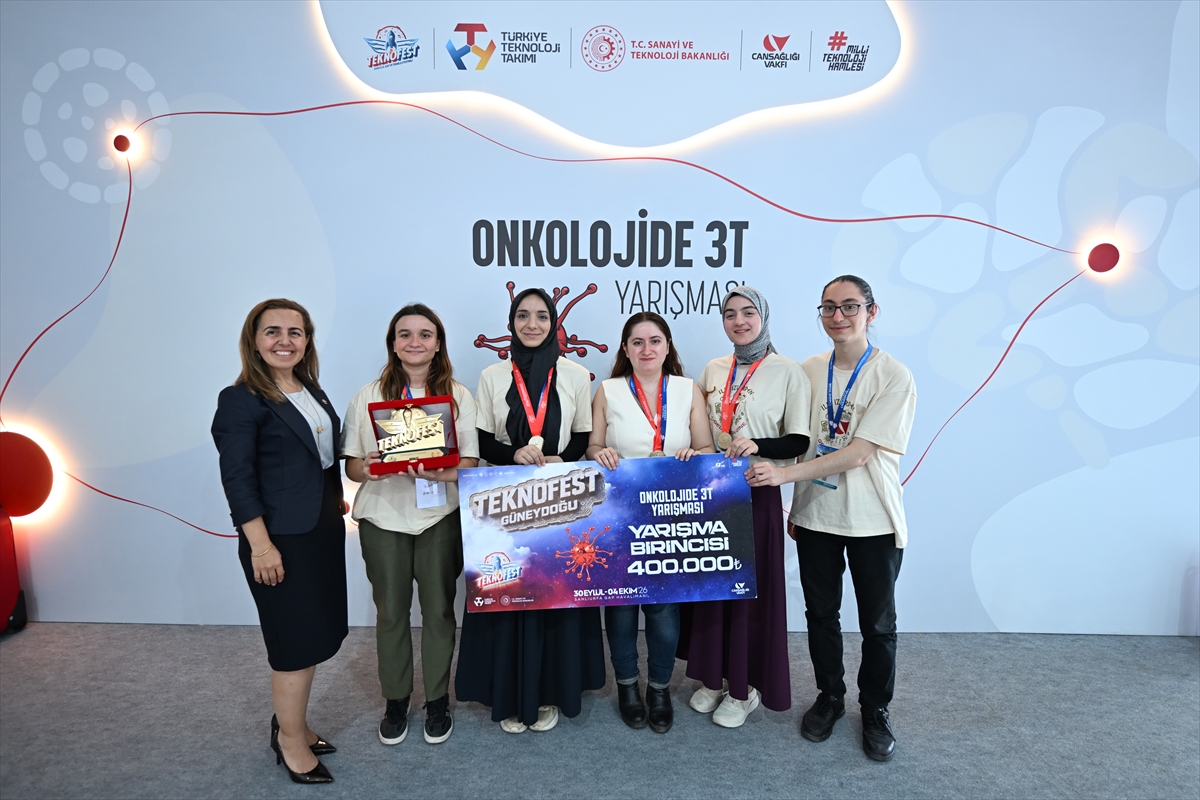
The five-member Cortera Team, made up of students from Istanbul University-Cerrahpaşa, Yıldız Technical University and Koç University, won first place in the Oncology 3T Competition at TEKNOFEST, held at Şanlıurfa GAP Airport, with its brain cancer project.
The team, advised by Associate Professor Berat İlhan Ceylan, included students from chemistry, chemical engineering, industrial engineering, molecular biology and genetics, and medicine. The competition was organized with the support of the Can Sağlığı Foundation.
They took first place among more than 400 teams
Ceylan said the team received the “Promising Innovative Project” award last year for its project on lung cancer, while this year’s competition focused on brain cancer. Ceylan said students from different universities were brought together following an offer of support from Şahinbey Municipality, adding that the team placed among more than 400 applicants.
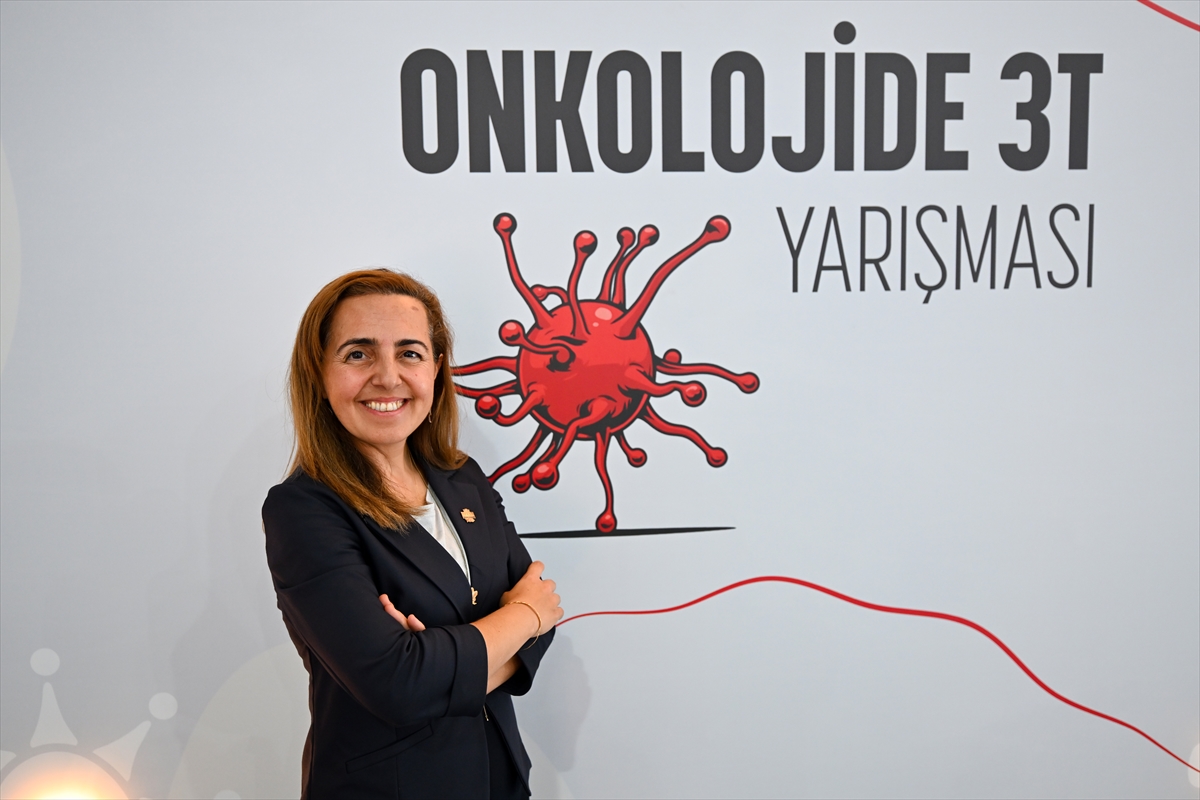
The team presented its project to the jury in Şanlıurfa and explained its work through a poster. Ceylan said the students had designed a new molecule by working in the laboratory on weekends and that they aimed to take the project to more advanced stages.
Ceylan said they hoped to put the project into practice and dedicated the work to Dr. Büşra Kaya, who died from cancer. Saying that TEKNOFEST gives young people an academic perspective, Ceylan drew attention to the importance of young people who can use artificial intelligence and take part in laboratory work.
Nanoparticle approach targeting glioblastoma
Cortera Team member Sinem Taş said the project was developed for glioblastoma, one of the aggressive forms of brain cancer. Taş said they were working to develop an artificial intelligence-supported, nanoparticle-based approach by bringing together students from different disciplines.
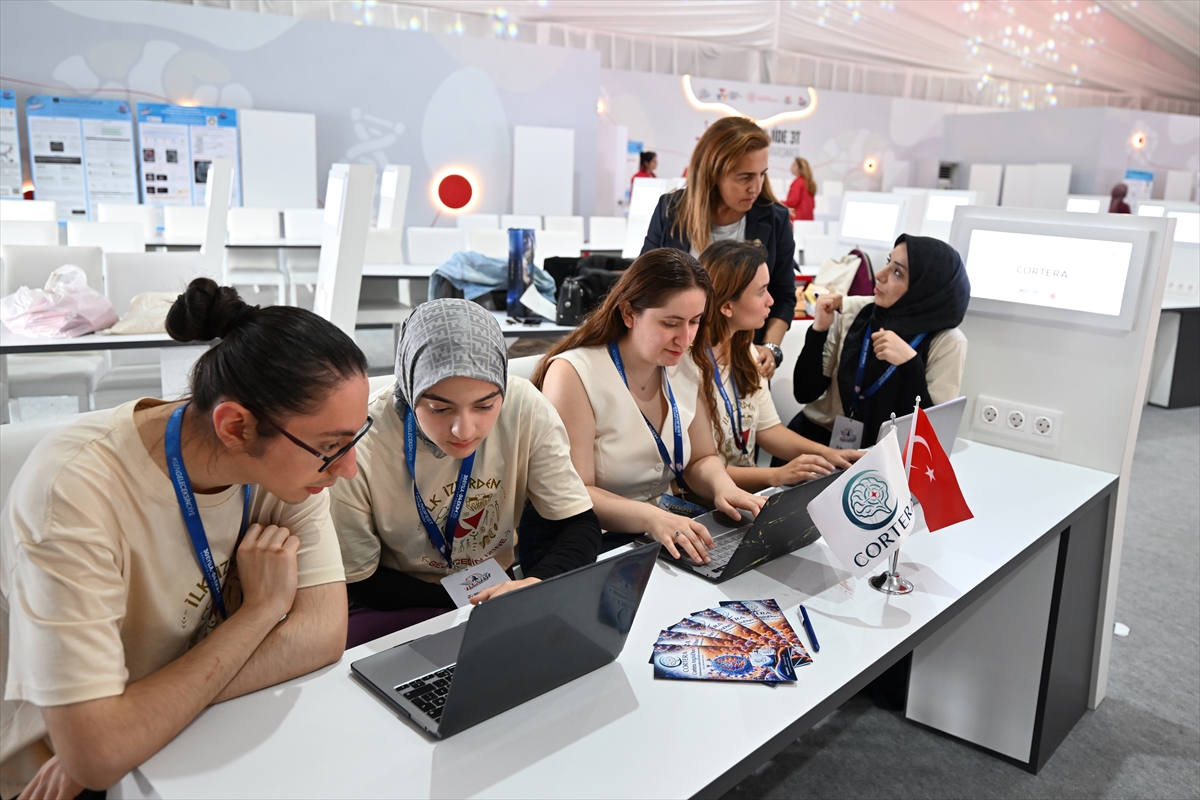
The project involves a method targeting multiple mechanisms. The team aims to identify suitable drug combinations using deep-learning methods, deliver these drugs in nanoparticles and overcome the blood-brain barrier by coating the nanoparticles’ surfaces with proteins.
Work is under way to validate the project using results obtained from laboratory studies. The team aims to develop a new approach to prevent the spread of brain tumors.
Taş said winning first place after months of work was a source of pride for them. She said the team wanted to continue its work with the aim of contributing to science and the country.