- BIST10011,843+1.51%
- USD50.28+0.05%
- EUR55.60-0.24%
- GOLD3,891.00+0.12%
- INTEREST36.00%-1.00
- BITCOIN64,945-0.57%
- November 16, 202611°
- BIST10011,843+1.51%
- USD50.28+0.05%
- EUR55.60-0.24%
- GOLD3,891.00+0.12%
- INTEREST36.00%-1.00
- BITCOIN64,945-0.57%
- November 16, 202611°
AKINCI hits its target with two TOLUN-Ps under electronic jamming
In a test conducted through cooperation between Baykar and ASELSAN, two TOLUN-P munitions fired in a salvo from Bayraktar AKINCI hit the target precisely despite intense signal jamming. The munition developed by ASELSAN can penetrate up to one meter of reinforced concrete.
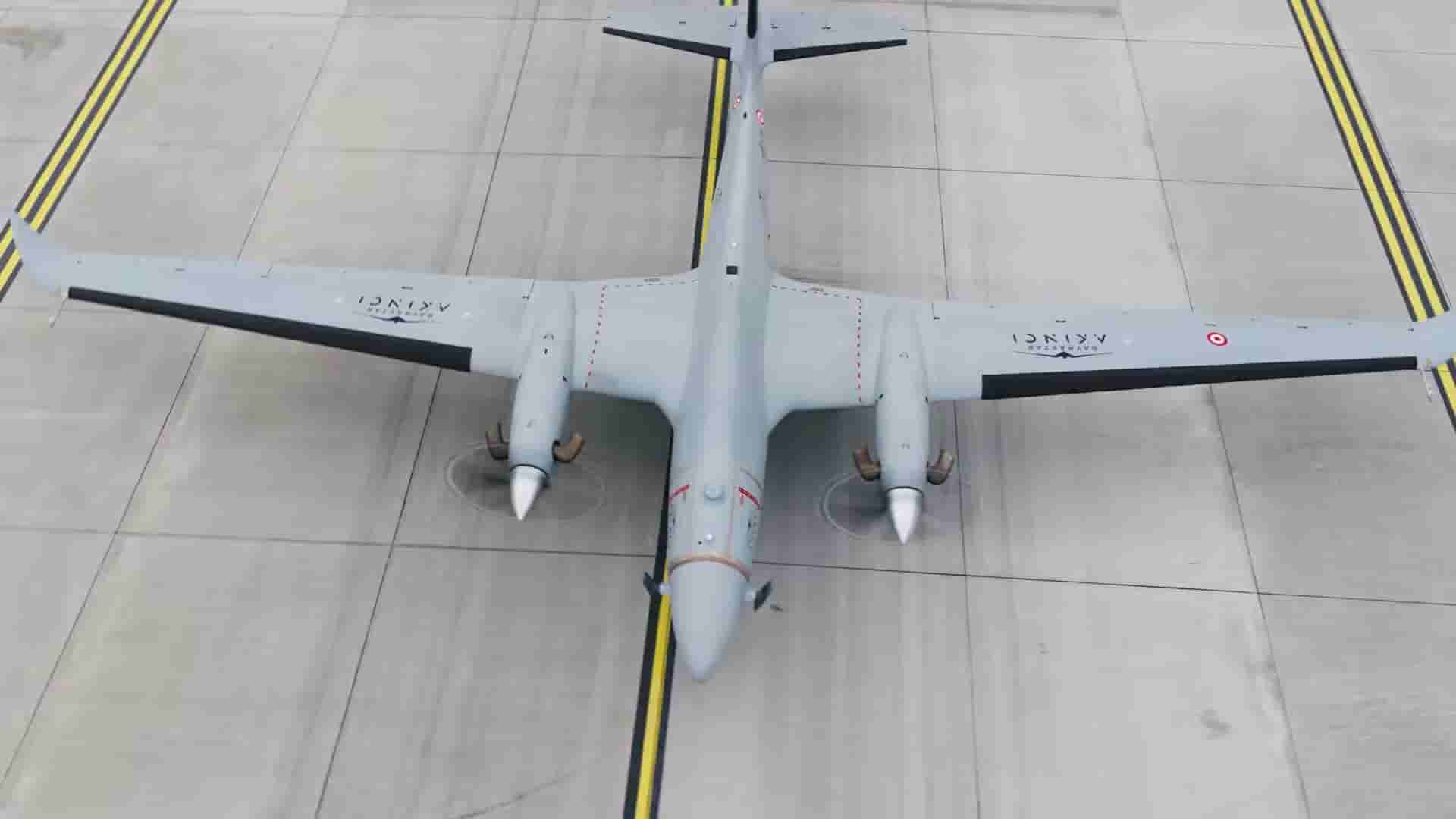
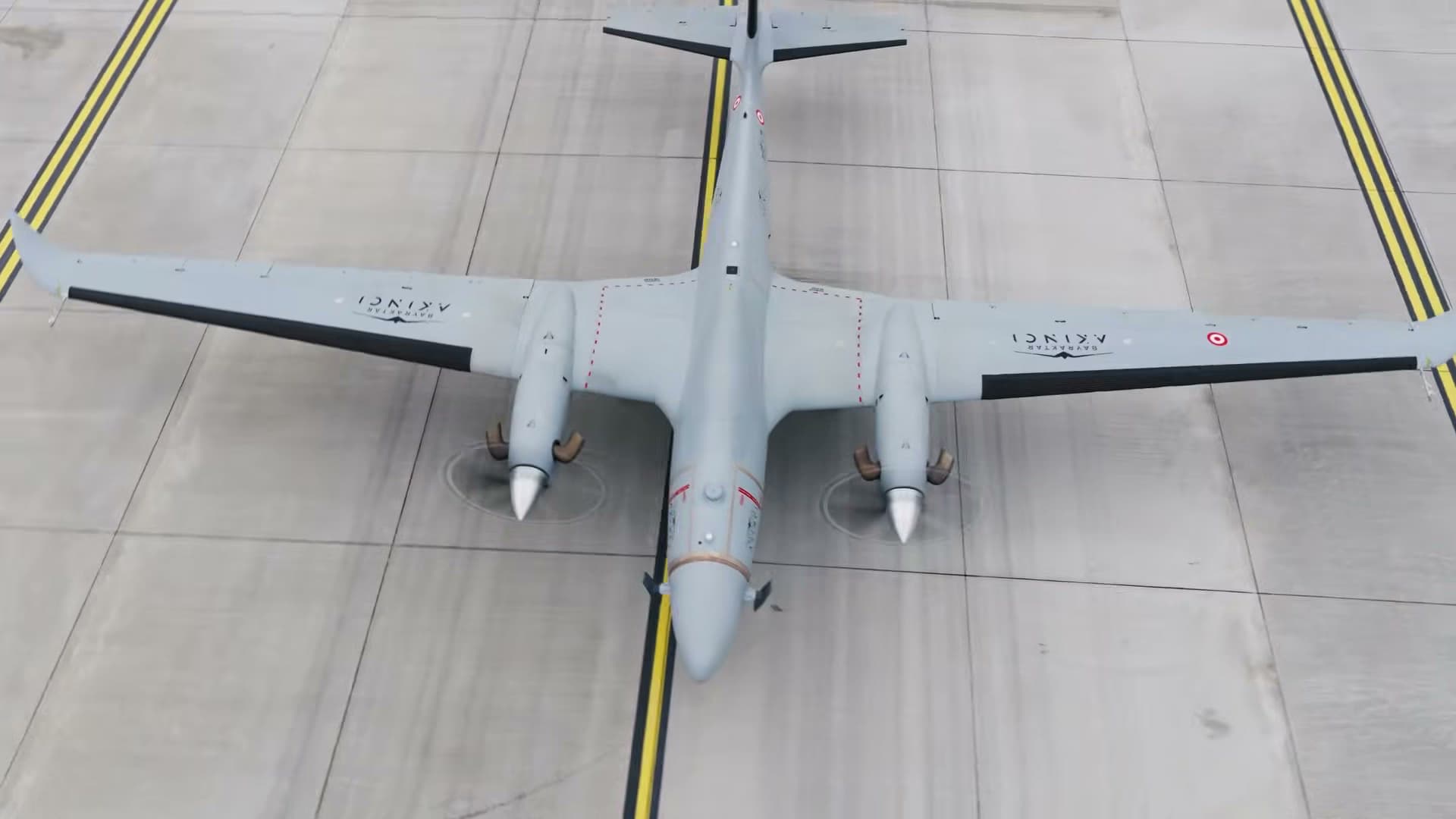
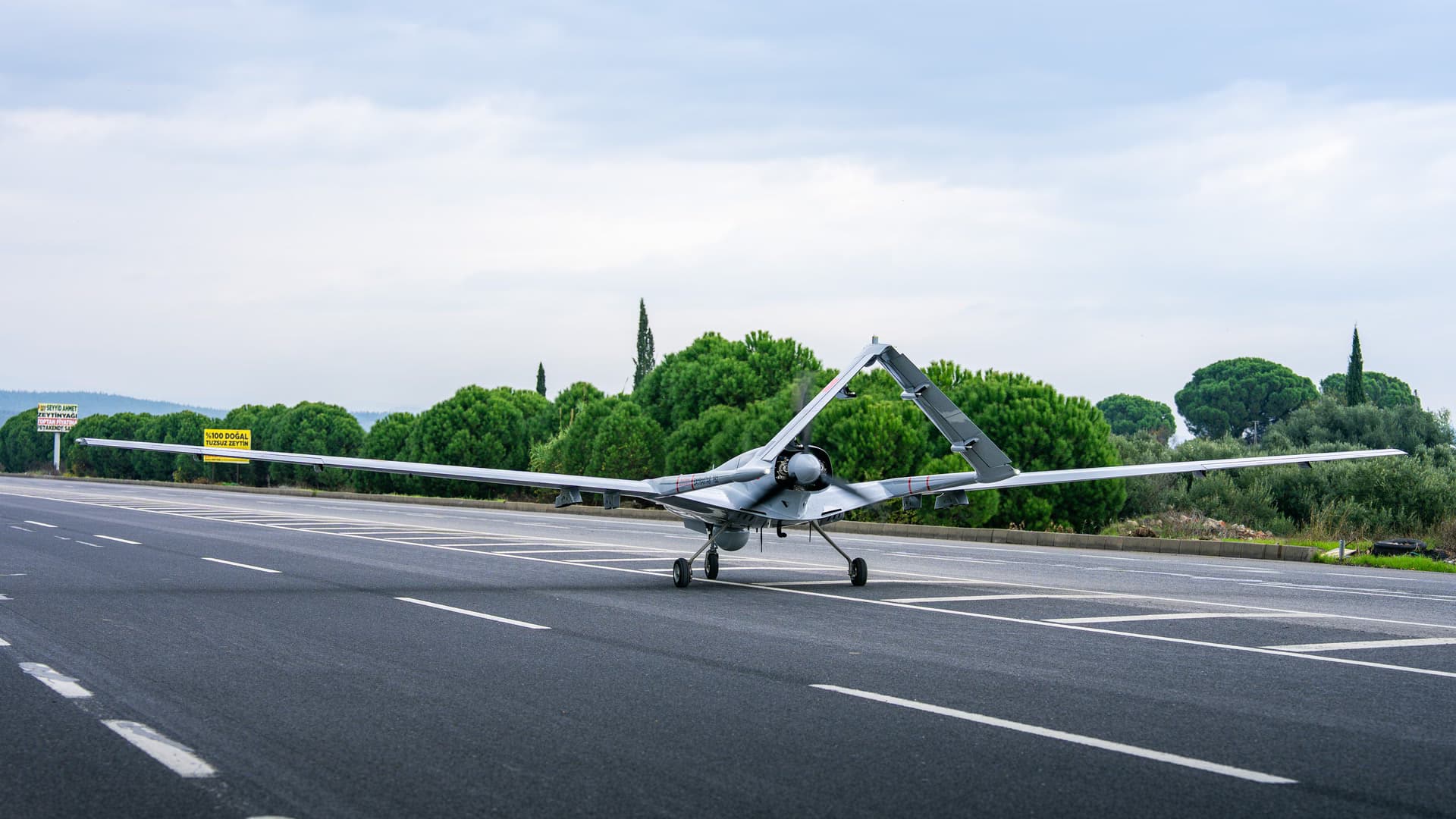
Bayraktar AKINCI, an indigenous combat unmanned aerial vehicle, hit its target precisely with two TOLUN-P munitions during a firing test conducted under electronic jamming. Baykar Chairman Selçuk Bayraktar announced the test footage to the public with the caption “Firing Test of 2 x TOLUN-P Munitions Under Jamming: Direct Hit.”
In the test conducted through cooperation between Baykar and ASELSAN, resistance to signal jamming was tested under challenging electronic warfare conditions. ASELSAN General Manager Ahmet Akyol also highlighted TOLUN-P’s bunker-penetrating capability and the cooperation between the two companies. Anadolu Agency reported that Akyol said they would continue strengthening indigenous unmanned aerial vehicles that are changing military doctrines on battlefields around the world.
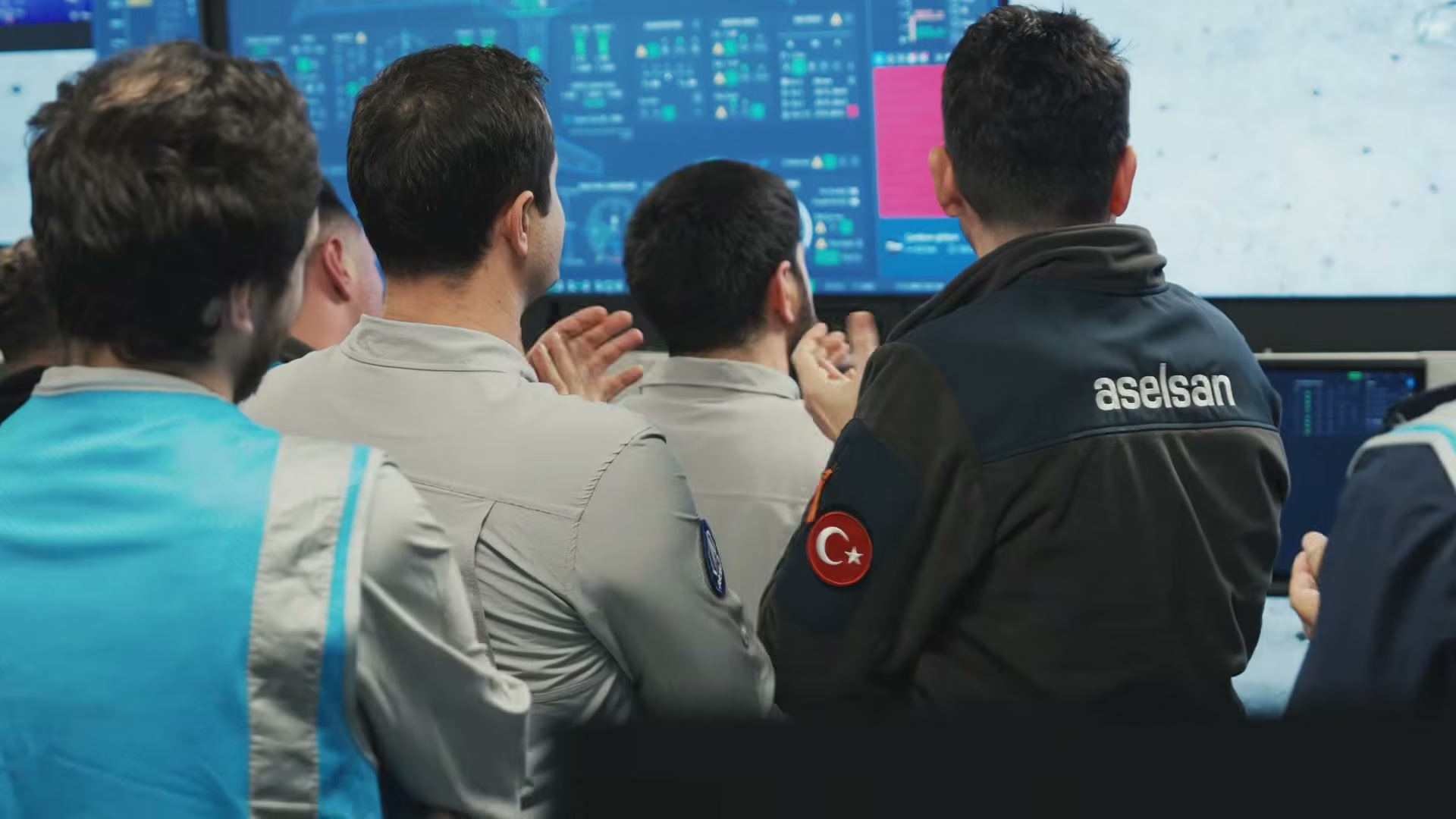
Baykar’s approximately 50-second video shows AKINCI taking off from the runway, the release of the munitions after the command “2 x TOLUN-P Salvo Firing,” the moments when they hit the target as seen through a thermal camera, and the Baykar and ASELSAN teams celebrating as they watch the test from the control room.
Can penetrate up to one meter of reinforced concrete
According to ASELSAN’s data, TOLUN-P combines satellite and inertial navigation systems with a specially designed penetrating warhead. Developed for use against bunkers, armored elements and reinforced concrete structures, the munition can penetrate up to one meter of reinforced concrete. Its programmable, time-delayed electronic fuze allows it to detonate after entering the structure.
TOLUN-P can also be carried by ASELSAN’s SADAK-4T multiple-launch rack. This enables platforms to carry multiple munitions and engage several targets in a single sortie.
AKINCI’s capabilities
Developed for reconnaissance, surveillance and precision-strike missions, the twin-engine AKINCI can carry a 1,500-kilogram payload, according to Baykar’s data. The platform has a 20-meter wingspan and a service ceiling of 40,000 feet. It can take off and land autonomously, and satellite communications enable it to operate beyond the line of sight of the ground control station.
Video and visuals: Baykar
Stay Updated with The Turkiye Times
Subscribe to be informed about special news, developments and announcements. We will keep you informed.
By signing up, you agree to our Privacy Policy