- BIST10011,304-2.36%
- USD49.60+0.05%
- EUR55.68+0.11%
- GOLD4,091.20-1.42%
- INTEREST37.00%-1.00
- BITCOIN81,754-2.70%
- October 22, 202622°
- BIST10011,304-2.36%
- USD49.60+0.05%
- EUR55.68+0.11%
- GOLD4,091.20-1.42%
- INTEREST37.00%-1.00
- BITCOIN81,754-2.70%
- October 22, 202622°
ASELSAN chief Akyol tells Financial Times KORKUT is used in nine countries
ASELSAN General Manager Ahmet Akyol told the Financial Times that the KORKUT air defense system is used in nine countries, including Ukraine, Gulf states and Eastern European countries, and that neutralizing a kamikaze UAV with KORKUT costs less than $10,000.
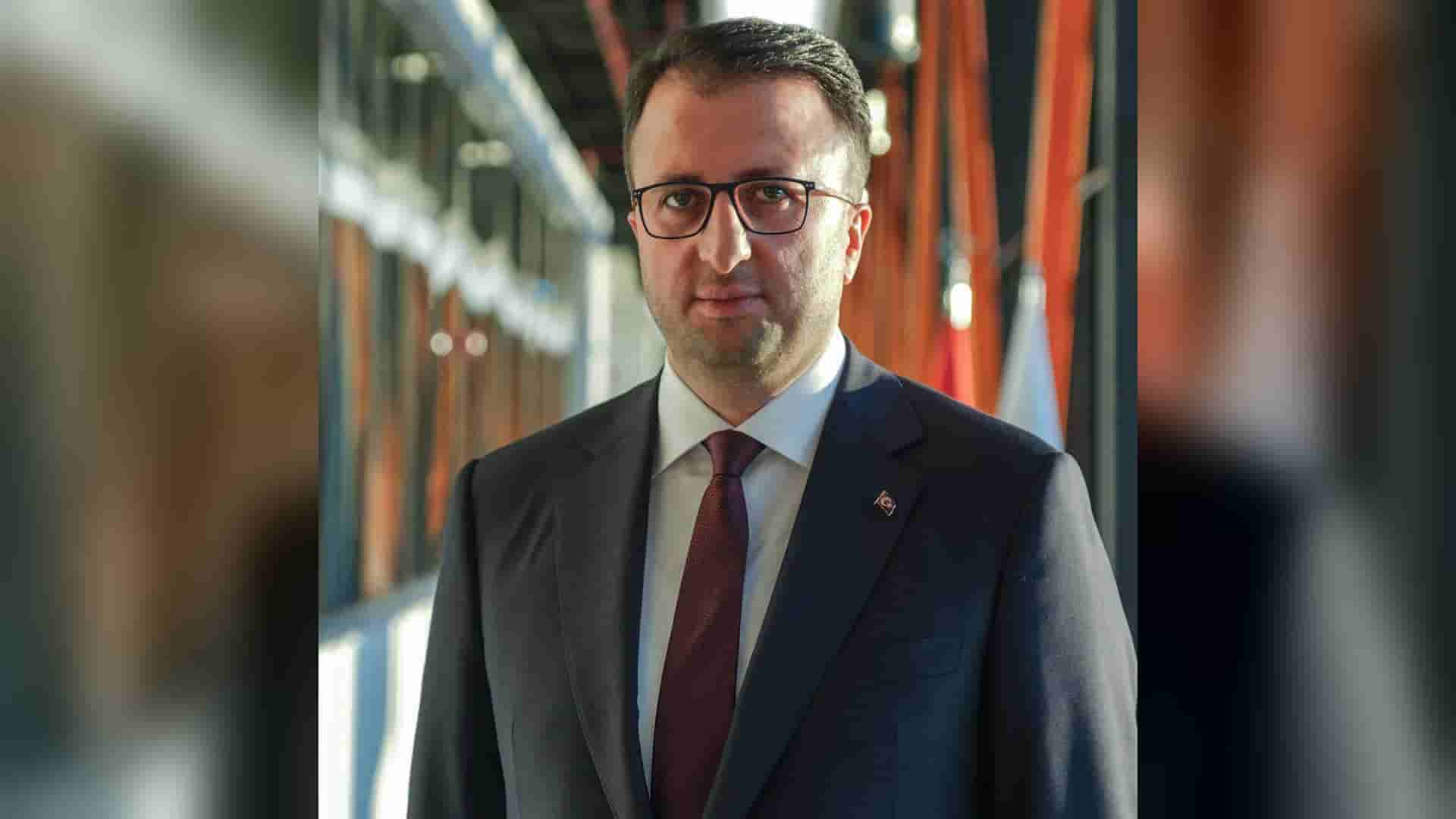
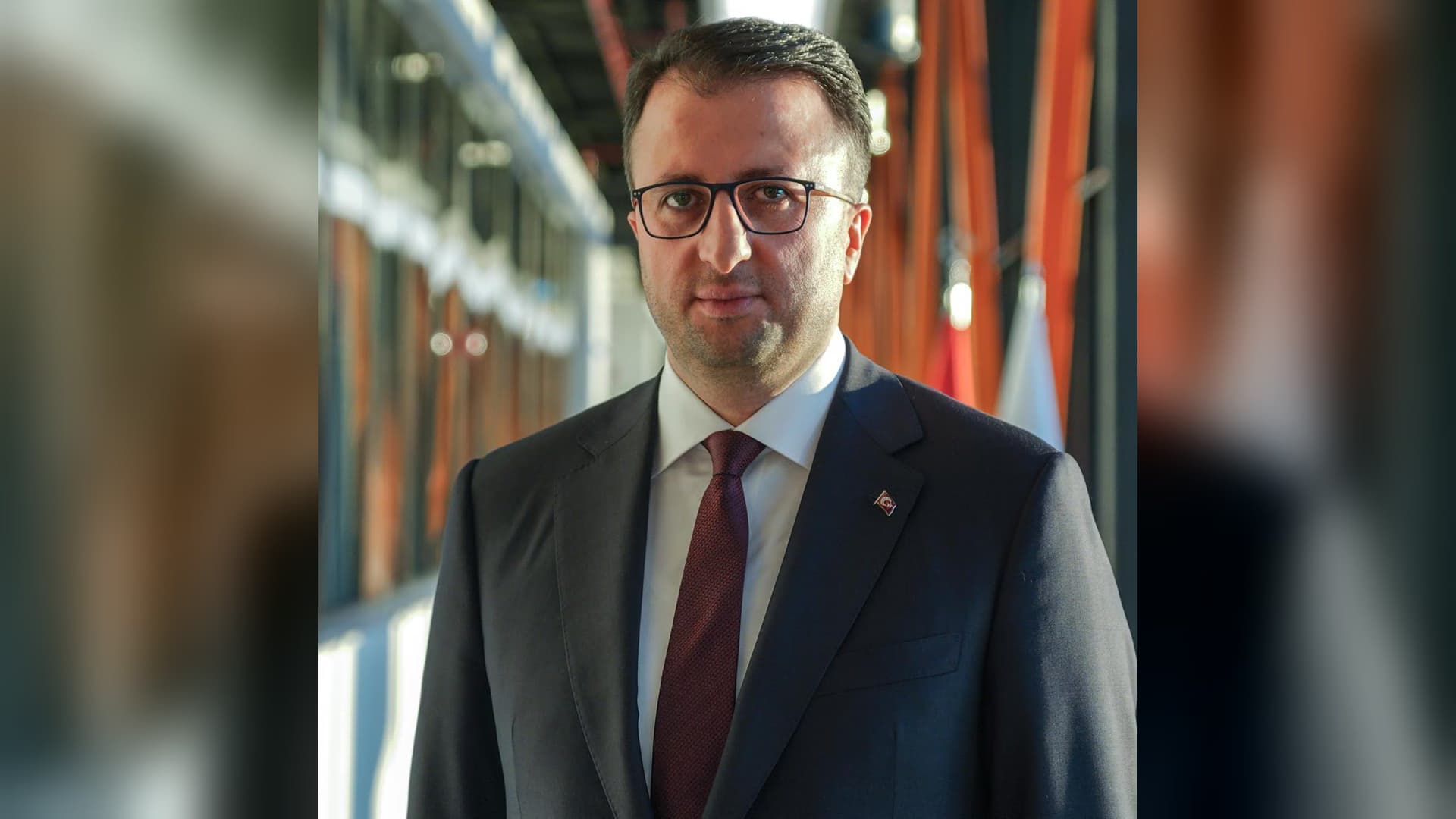
ASELSAN General Manager Ahmet Akyol told the British newspaper Financial Times (FT) that the KORKUT air defense system is used in nine countries, including Ukraine, Gulf states and Eastern European countries. The Ukrainian Air Force also confirmed to FT that one of its units had been equipped with KORKUT systems, the number of which was not disclosed.
Akyol said the system had neutralized "perhaps hundreds" of UAVs, adding: "It costs less than $10,000 to neutralize a Shahed or a kamikaze UAV with KORKUT." Akyol stressed that relying solely on missiles was not economically viable in the Russia-Ukraine war and the latest clashes in the Gulf.
Financial Times: The cost difference stands out
According to the FT, attack UAVs based on Iran-made Shahed models cost tens of thousands of dollars to produce, while the Patriot PAC-3 and IRIS-T missiles used against them cost anywhere from several hundred thousand dollars to several million dollars each. The programmable 35-millimeter airburst ammunition used by KORKUT costs approximately $1,000 per round.
The newspaper noted that the figure of nine countries and the number of downed UAVs had not been independently verified, and that there was no publicly available record of KORKUT downing jet-powered Shahed variants capable of reaching approximately 600 kilometers per hour. Atınç Özkan, an analyst at Wood & Company, said this "should not be a problem in theory" for a system designed to counter low-flying aircraft and cruise missiles traveling at 700-900 kilometers per hour.
The share of exports is growing
According to the FT, international markets accounted for a quarter of ASELSAN's sales, up from 8 percent in 2023; the company aims to raise this share to 50 percent by 2030, while its order backlog is approaching $30 billion. Akyol described the Gulf as "a very important and very large market." Türkiye first deployed KORKUT abroad in Libya in 2020.
Have a story, event or announcement of your own?Send us your news on WhatsApp
Spotted an error in this story?Report it on WhatsApp
Share on all social platforms
Sponsored Ads
Featured Listings
Loading featured properties...
Stay Updated with The Turkiye Times
Subscribe to be informed about special news, developments and announcements. We will keep you informed.
By signing up, you agree to our Privacy Policy