MHP Chairman Devlet Bahçeli said Türkiye was acting with the goal of reaching a more prosperous future by resolving the country's problems, which have accumulated over decades, through experience and reason. In a written statement, Bahçeli said terrorism, economic sanctions, the July 15 coup attempt, the Feb. 6 earthquakes, wars, the civil conflict in Syria, geopolitical risks, migration and undemocratic interventions had left Türkiye facing economic costs.
Bahçeli said the minimum calculable cost to Türkiye's economy of the PKK terrorism that had been fought for more than 40 years was $2.3 trillion, while the cost of the Feb. 6 earthquakes had exceeded $110 billion. He said the war between the United States and Israel and Iran had also placed a burden on Türkiye's economy through market interventions, reserves, inflation, energy and fuel costs, foreign trade, tourism and financial markets.
Bahçeli noted that wars affected strategic products such as raw materials used in fertilizer and chip production, as well as energy markets. He said disruptions in global supply chains had tightened financial conditions and negatively affected the foreign trade balance. He argued that persistently high oil prices had caused deviations from inflation targets.
Bahçeli said that despite all the adverse conditions, Türkiye had increased its national income to $1.7 trillion and its per capita national income to $18,000, adding that the country had a strong economy in terms of low unemployment, high export capacity, a sustainable current-account deficit, debt management and budget balance. Bahçeli stressed that the problems faced by various segments of society, particularly retirees, farmers, tradespeople and workers, also needed to be resolved quickly.
Corruption allegations in municipalities
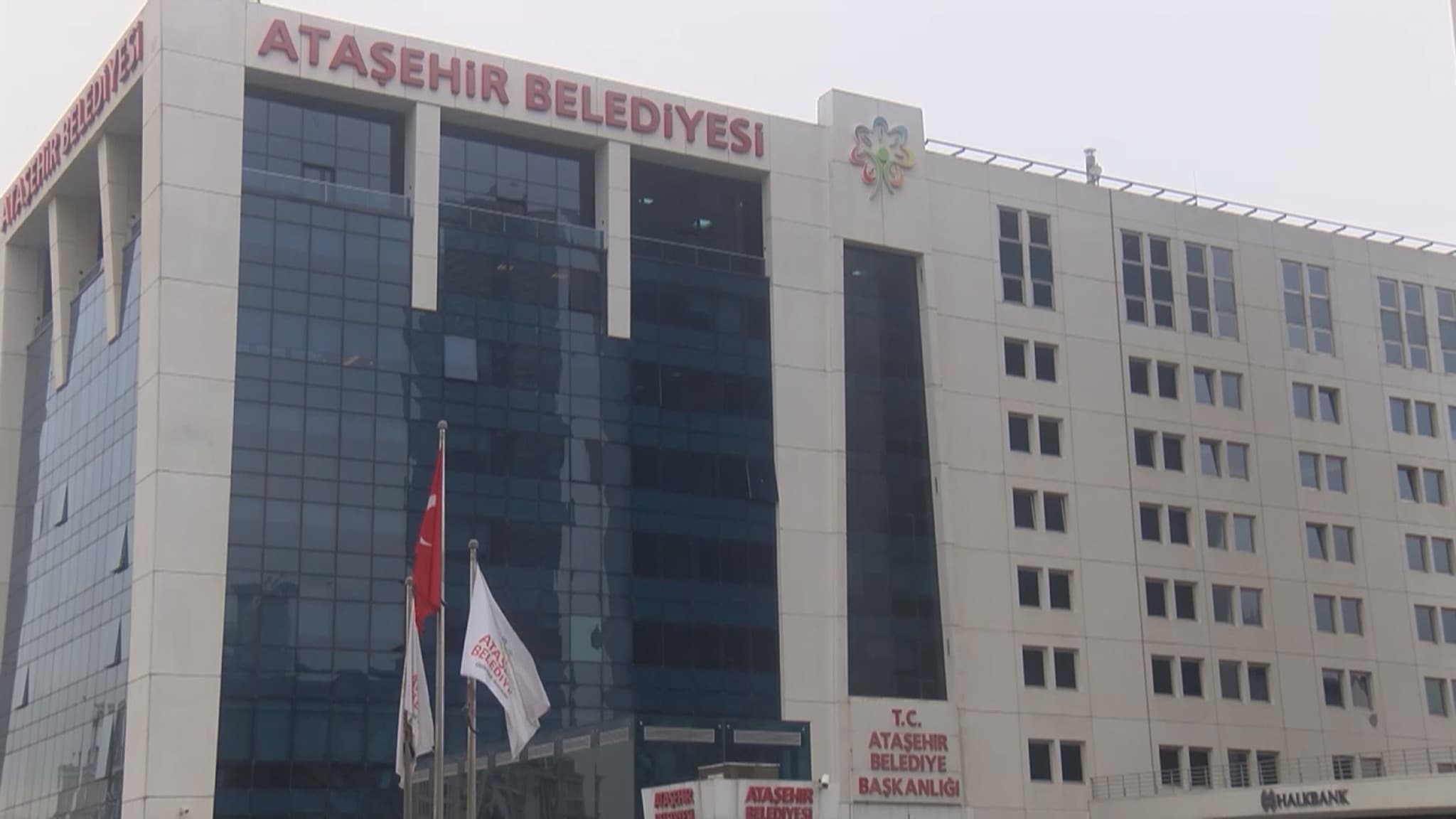
Bahçeli said Türkiye was going through a process of cleansing in which corruption and irregularities were being exposed as the country advanced amid global competition. Bahçeli claimed that allegations of corruption, bribery and irregularities that began with Istanbul Metropolitan Municipality had extended to municipalities in different parts of the country, adding that investigations had been conducted over the past two years into numerous municipalities over allegations of bribery, extortion, bid rigging and organized corruption.
Recalling that court proceedings were ongoing, Bahçeli said the allegations, testimonies and public statements related to the investigations needed to be examined comprehensively. Bahçeli said municipalities were a public trust before being an area of political power, adding that conflicts of interest involving tenders, zoning, permits, real estate, affiliates, personnel and public spending posed problems in terms of both criminal law and ethics and governance.
Bahçeli said the financial dimension of the corruption allegations needed to be known by the public and called for the public loss to be established through judicial rulings and the findings of the Court of Accounts and relevant oversight bodies. He said the public losses incurred should be recovered and used for the welfare of retirees and citizens on low or fixed incomes.
Fund investigation and financial confidence
Bahçeli said developments within the scope of the fund investigation were linked to allegations that a small group had manipulated the market by violating the law. Based on statements by state institutions and authorized officials, he claimed that a roadmap had been established to identify those who committed crimes and compensate the victims for their losses.
Emphasizing that the financial system was built on trust, Bahçeli said small investors in particular relied on the institutional structures that manage and oversee the financial system when investing in banks or capital-market instruments. Bahçeli said an allegation of manipulation in financial markets could affect not only investors who lost money but also the markets as a whole, the institutions concerned and the economy.
Bahçeli said citizens sought to protect the purchasing power of their savings amid high inflation, adding that it was necessary to examine whether unlawful acts such as market-distorting transactions, manipulation, fraud or breach of trust had occurred during the management of the funds. He said the fund market was not only an area where savers sought returns but also affected the economy's confidence and stability.
Bahçeli argued that Türkiye's problem stemmed more from implementation than from its rules, and said deficiencies in supervision and oversight needed to be addressed, while legal, administrative and structural measures that would inspire investor confidence needed to be adopted. Bahçeli said the allegations involving municipalities and developments in the fund market were different in nature, explaining that the accusations concerning municipalities involved alleged corruption carried out through force or pressure, while the events in the fund market were based on voluntary investments, without prejudice to the allegations of manipulation.
Call for clean politics and clean governance
Bahçeli said allegations of corruption, irregularities and favoritism should not turn into a debate over the erosion of public trust. He called for these developments to be viewed as an opportunity for cleansing, exoneration and addressing the underlying causes of the problems, and urged a comprehensive examination of structural problems and the development of lasting solutions.
Bahçeli said the principle of an impartial and independent judiciary needed to be implemented through a credible legal system and strong institutional capacity, adding that practices, along with regulations, needed to comply with the principles of impartiality and independence. Bahçeli described combating corruption, bribery, plunder and favoritism, and punishing those who commit these crimes within the framework of the law, as the MHP's duty.
Bahçeli said allegations of corruption, irregularities, abuse of public property or violations of rules, regardless of where they occurred or whom they involved, needed to be investigated without regard to the nature of the crime or the identity of the person accused. He said this approach should turn the goal of a "clean politics, clean governance and prosperous society," based on morality, justice, merit, fairness and accountability, into a concrete reform program.