- BIST10012,151-0.94%
- USD49.220.00%
- EUR55.21+0.28%
- GOLD4,196.10+0.13%
- INTEREST37.00%-1.00
- BITCOIN82,500-1.40%
- October 13, 202618°
- BIST10012,151-0.94%
- USD49.220.00%
- EUR55.21+0.28%
- GOLD4,196.10+0.13%
- INTEREST37.00%-1.00
- BITCOIN82,500-1.40%
- October 13, 202618°
China Launches Special Naval Patrol East of Taiwan
On Saturday, June 6, the Chinese administration announced the launch of a special maritime traffic control and patrol operation in the waters east of Taiwan. Beijing described this move as a direct response to maritime boundary talks between Japan and the Philippines.


The Chinese administration announced the launch of a special maritime traffic control and patrol operation in the waters east of Taiwan. The operation reportedly began on Saturday, June 6.
Beijing stated that the purpose of this move is to demonstrate administrative control over maritime jurisdiction, enhance enforcement capacity in open seas, and strengthen traffic supervision in critical waters. The announcement also cited ensuring maritime transportation safety and protecting national interests as reasons for the operation.
Response to Japan-Philippines Talks
China framed the operation as a direct response to recent negotiations between Japan and the Philippines regarding the delimitation of maritime areas east of Taiwan. Beijing described these talks as a serious violation of China's territorial sovereignty and maritime rights.
The official statement accused Japan and the Philippines of making "unilateral declarations" concerning the maritime areas in question. China argued that this stance is unacceptable in terms of regional maritime rights.
Rising Tensions Around Taiwan
The operation was launched amid renewed debates over sovereignty and freedom of movement in the maritime areas surrounding Taiwan. China's move is interpreted as a show of force demonstrating its capacity to monitor and, if necessary, restrict maritime traffic along Taiwan's Pacific-facing coastline.
On Taiwan's side, recent steps to increase defense spending have drawn attention. The island's administration continues to pursue plans to strengthen its defense capabilities due to security concerns.
New Pressure Element in Regional Dynamics
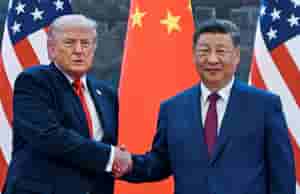
Washington's approach of using arms sales to Taiwan as a bargaining tool in other areas and adopting a more flexible tone toward Beijing has also been closely watched amid regional tensions. Within this context, China's decision to conduct naval patrols has reignited strategic pressure debates around Taiwan.
Details regarding the scope and on-the-ground impact of the operation were limited in the official announcement. However, the decision has brought maritime jurisdiction disputes around Taiwan to the forefront of regional diplomacy and security discussions.
Stay Updated with The Turkiye Times
Subscribe to be informed about special news, developments and announcements. We will keep you informed.
By signing up, you agree to our Privacy Policy