- BIST10010,977+2.18%
- USD50.70+0.04%
- EUR55.61+0.02%
- GOLD3,668.50+2.91%
- INTEREST36.00%-1.00
- BITCOIN59,444-0.71%
- November 28, 202613°
- BIST10010,977+2.18%
- USD50.70+0.04%
- EUR55.61+0.02%
- GOLD3,668.50+2.91%
- INTEREST36.00%-1.00
- BITCOIN59,444-0.71%
- November 28, 202613°
Clashes erupt in Albania as thousands demand Rama's resignation
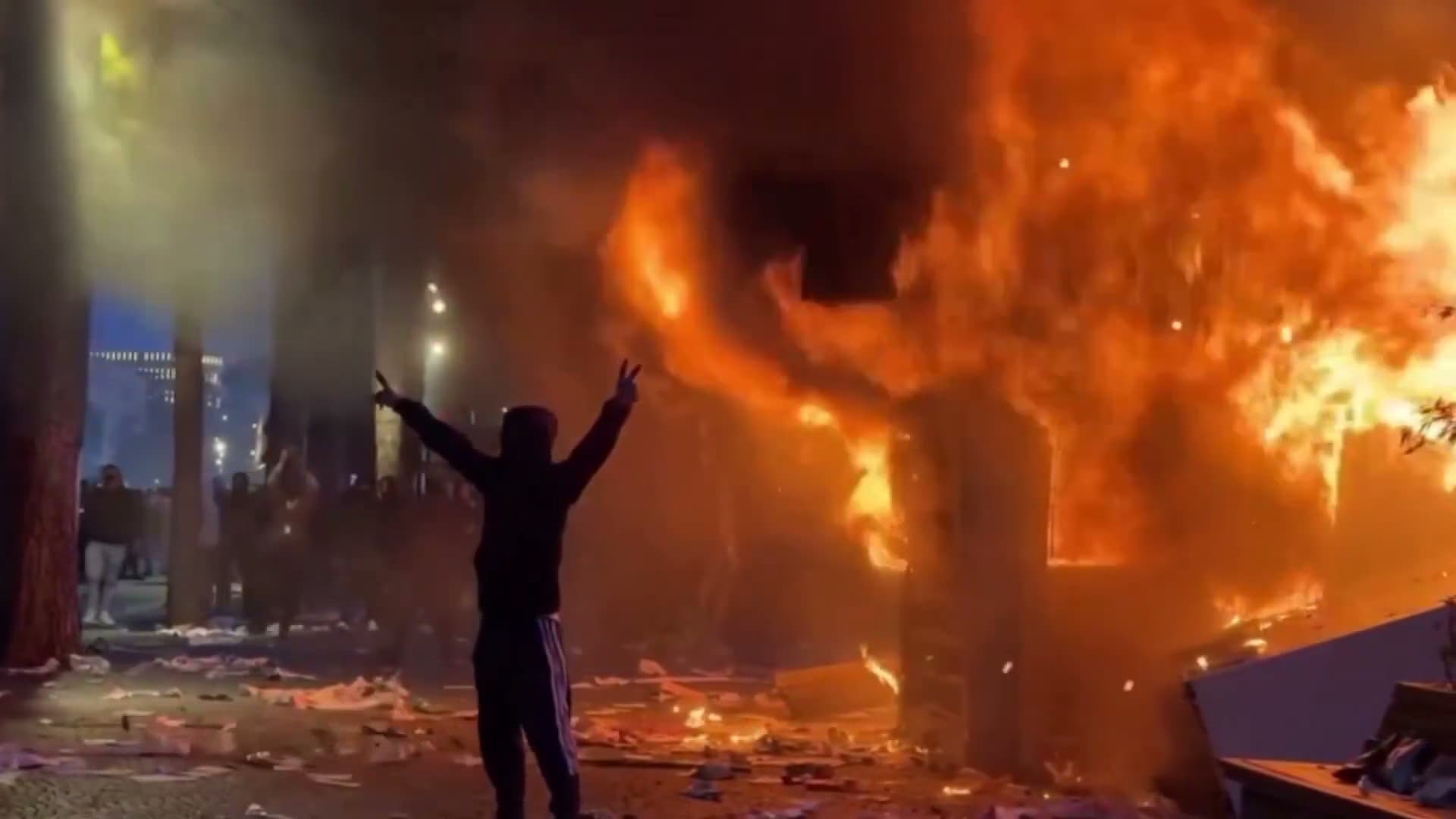
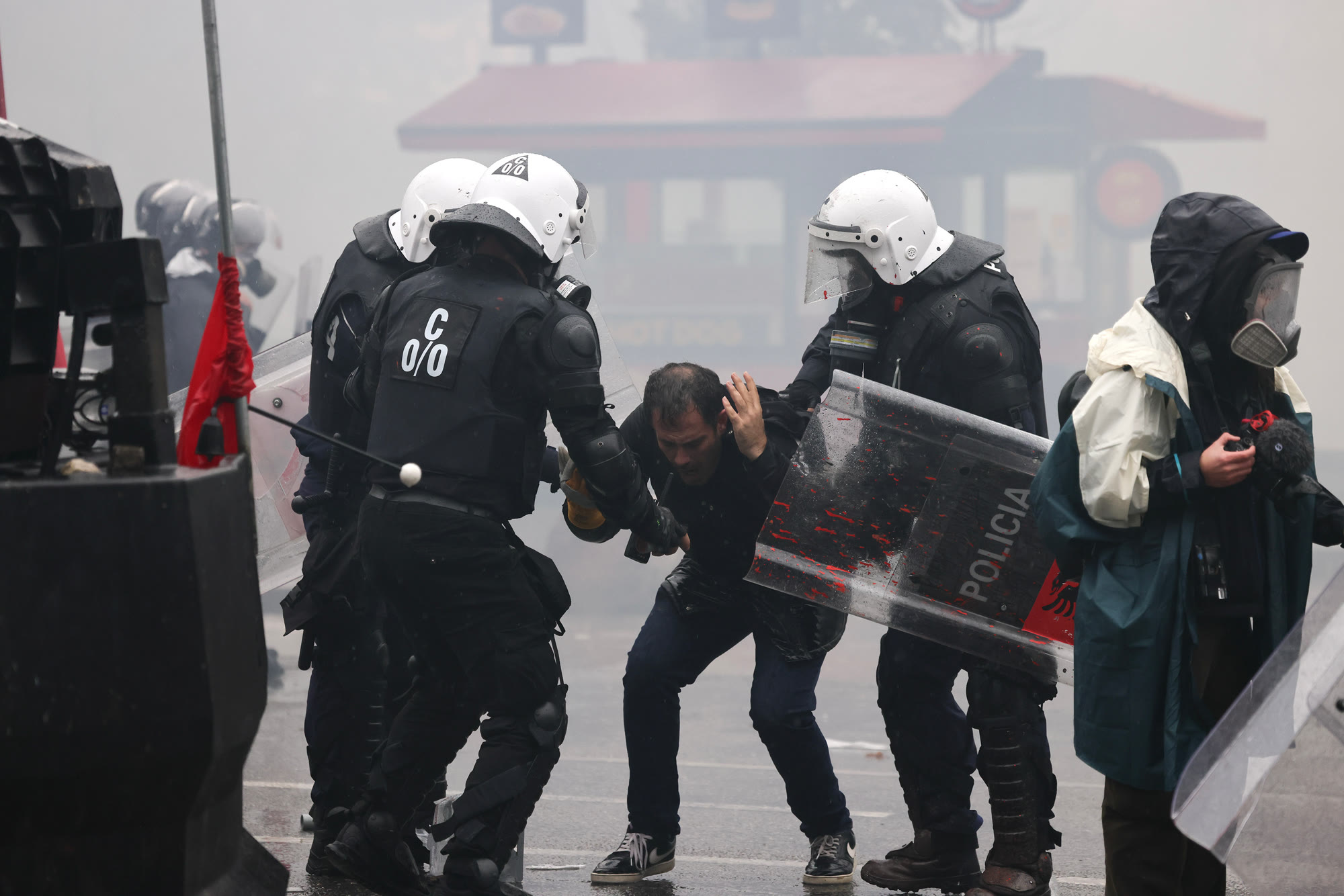
Clashes broke out between police and protesters during an anti-government demonstration held on Independence Day in Albania's capital, Tirana. Police used water cannons and tear gas, while the Health Ministry said 30 people, including journalists and police officers, were injured.
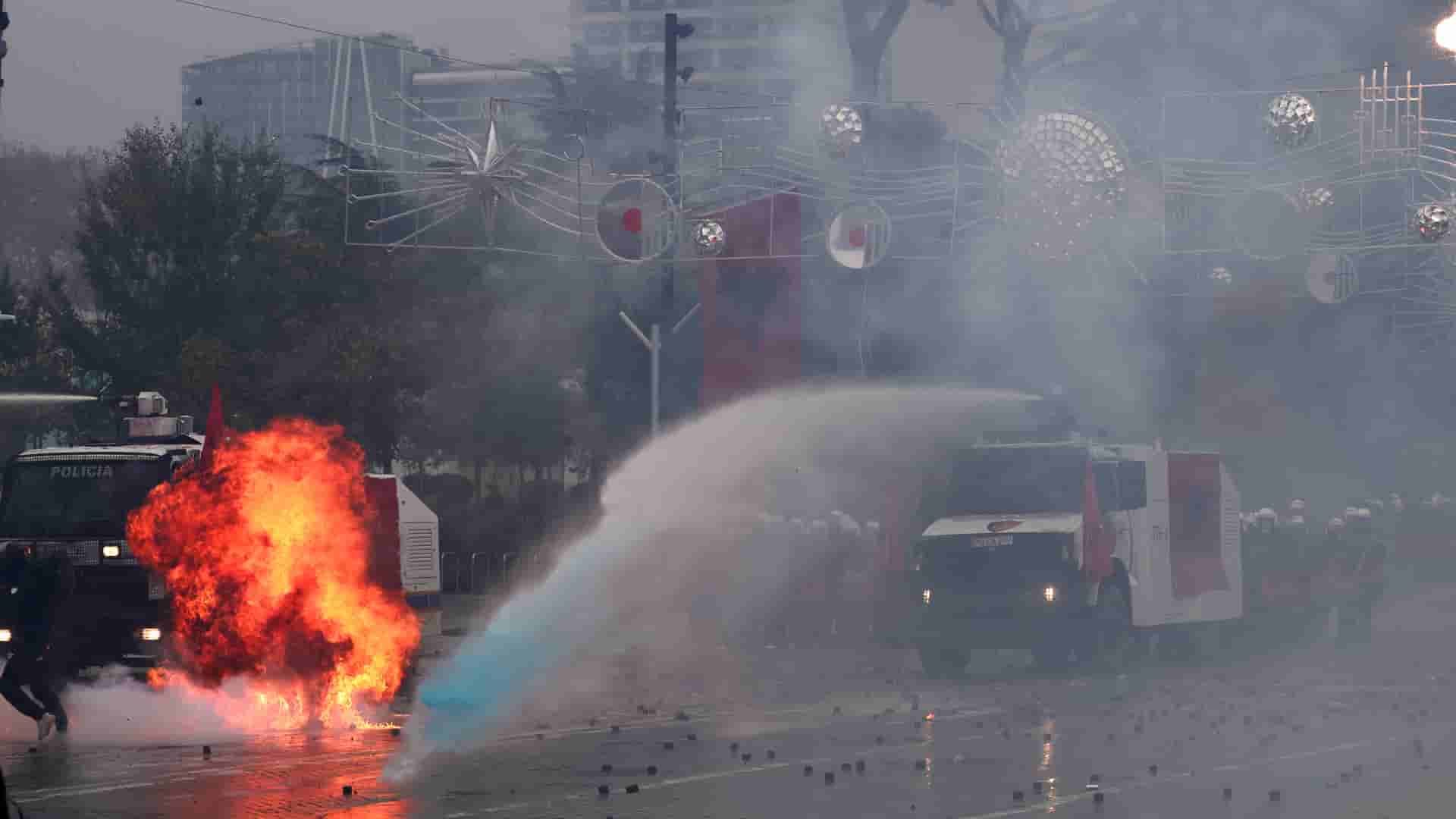
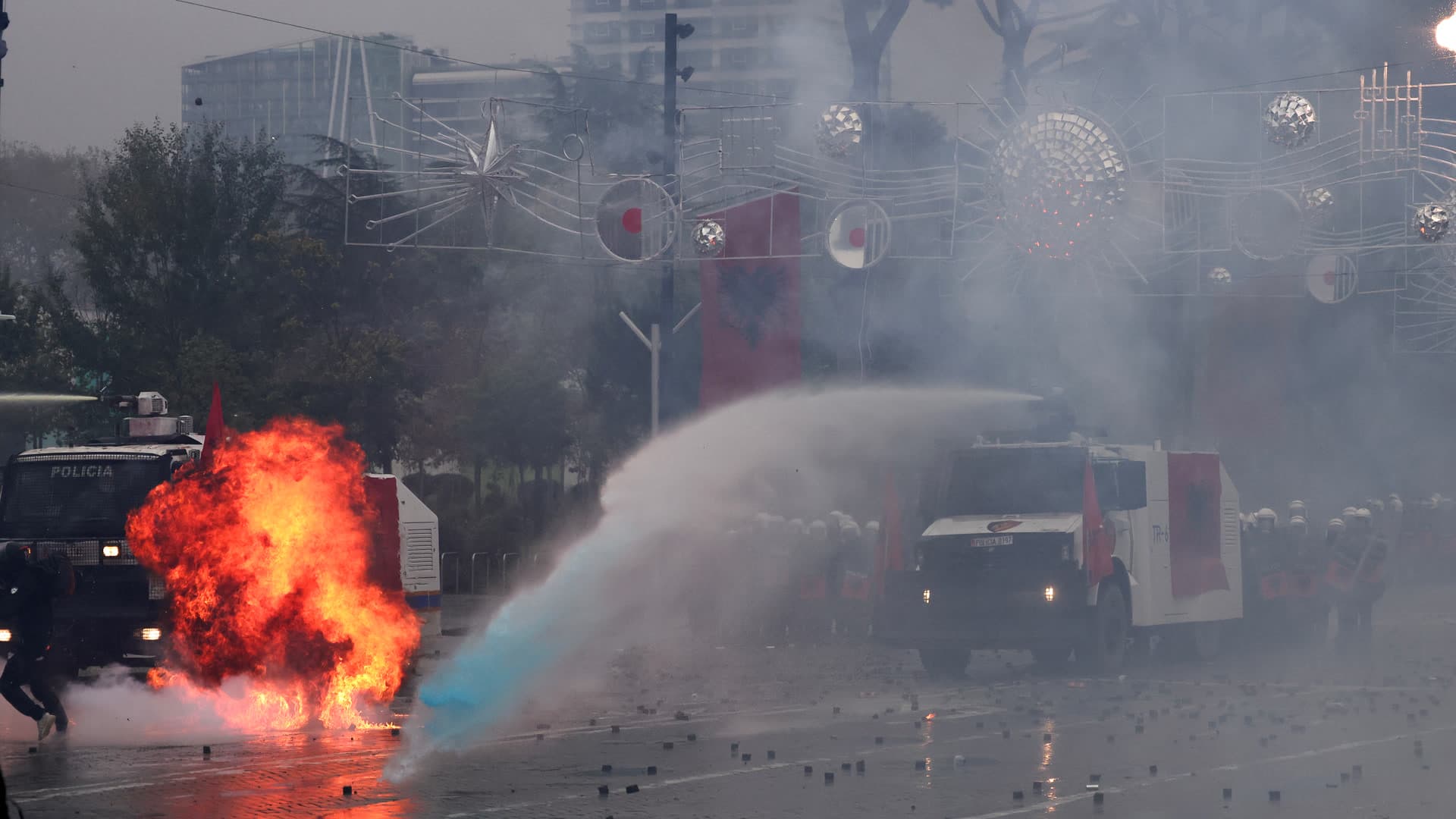
Clashes broke out between police and protesters during an anti-government demonstration organized in Albania's capital, Tirana, on the country's 114th Independence Day at the call of students and opposition parties.
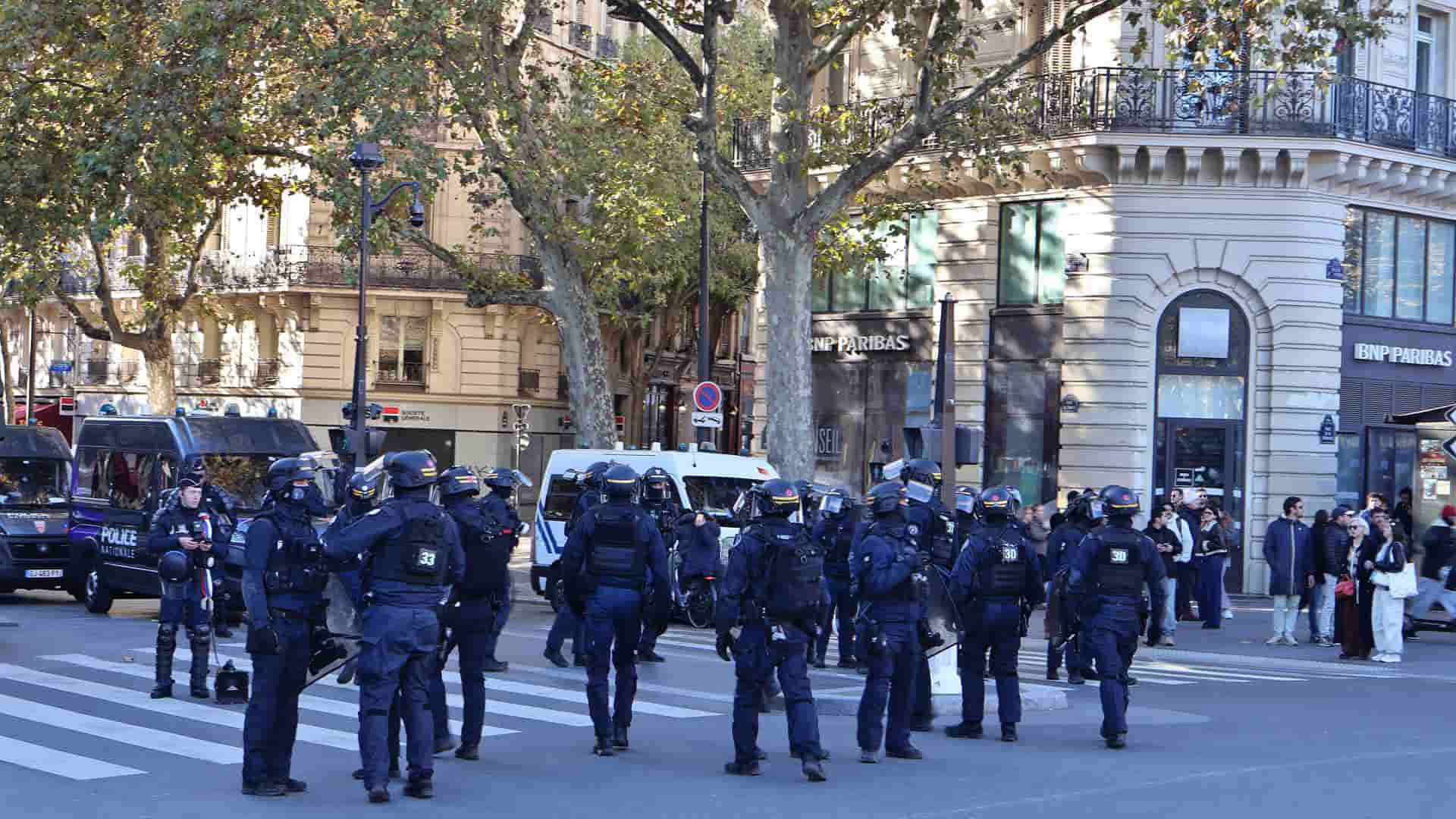
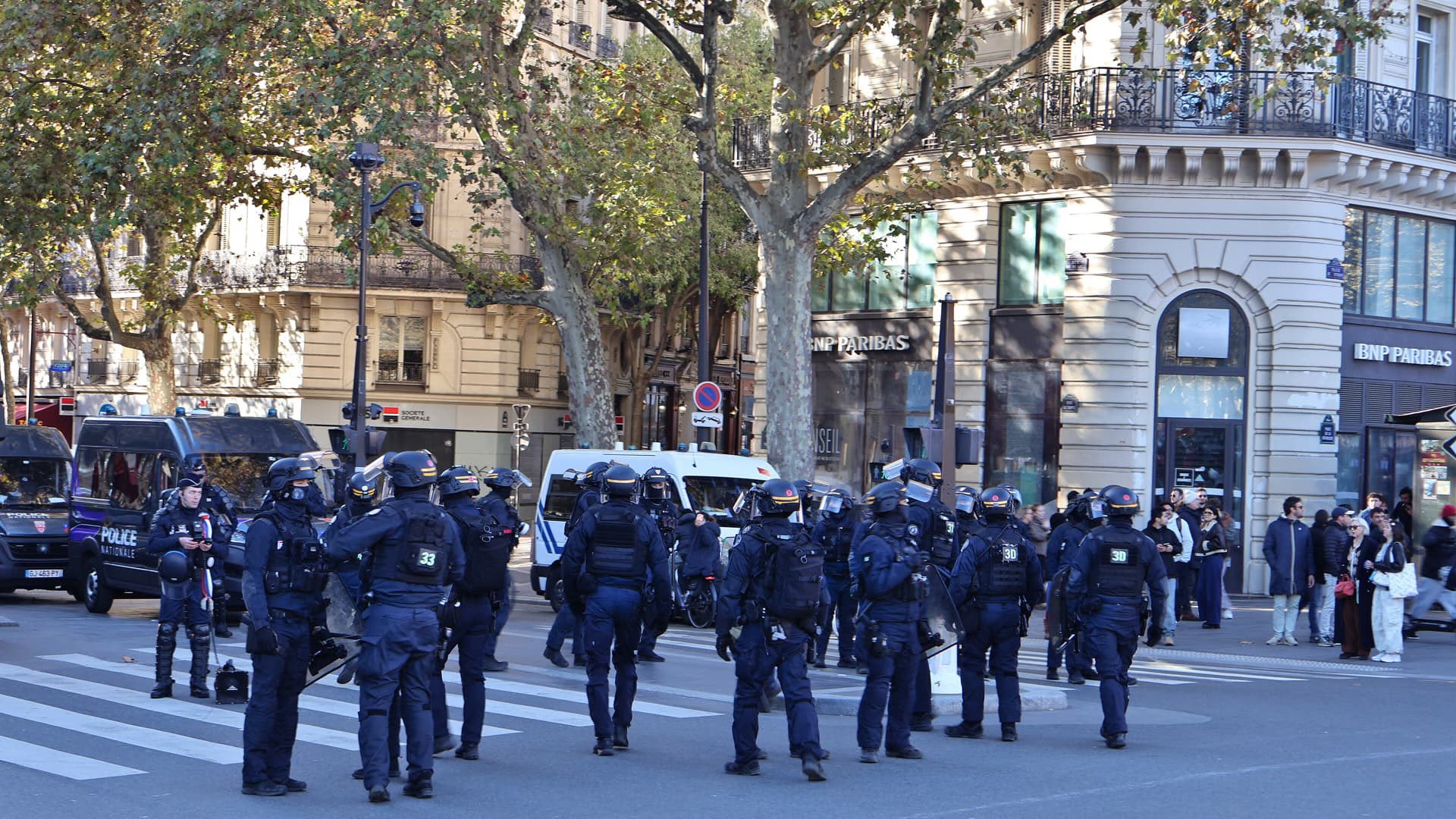
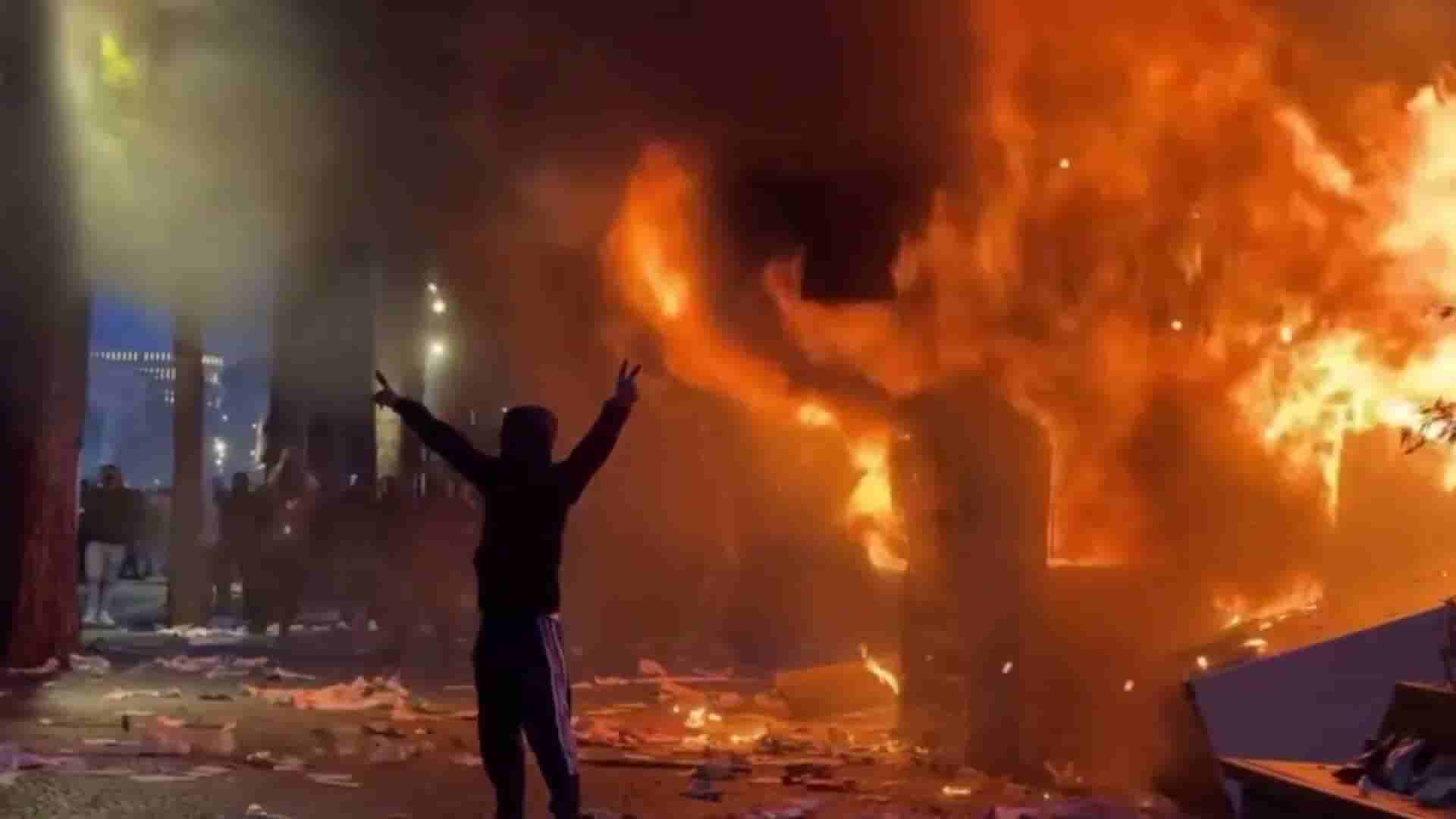
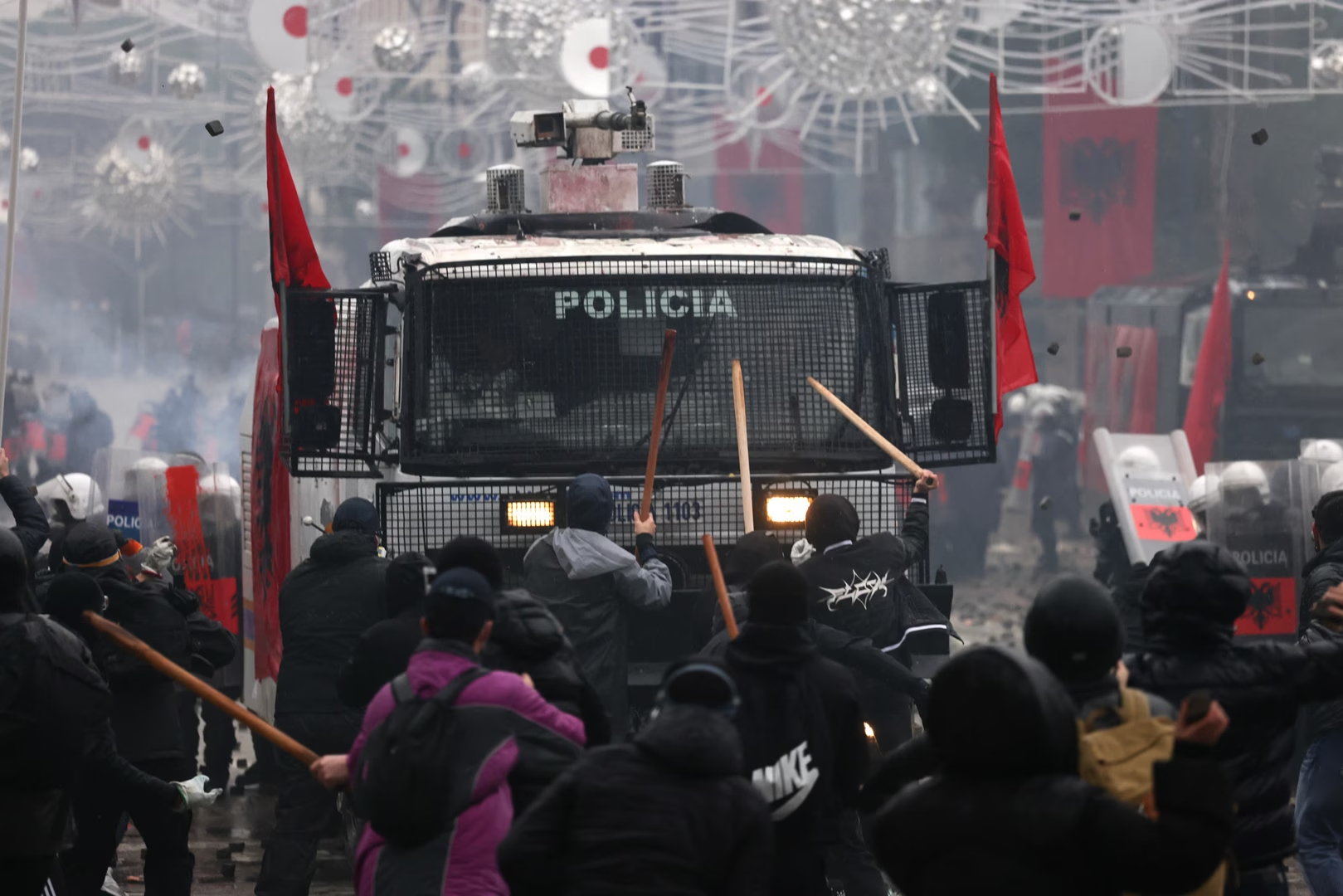
Thousands of people demanding Prime Minister Edi Rama's resignation gathered in the city center. The demonstration began peacefully, but small masked groups began smashing the windows of ministry buildings along the march route. Police responded with water cannons and tear gas after protesters threw stones, Molotov cocktails and fireworks.
The Health Ministry said 30 people, including journalists and police officers, were injured. The main boulevard was covered in thick smoke, while protesters were seen trying to smash street cameras and the windows of government buildings with sticks.
Before the demonstration, police carried out vehicle checks on roads entering and leaving the capital. Protesters from many Albanian cities and from abroad also joined the demonstration.
Protests began in May over hotel project
Anti-government demonstrations began in May with peaceful actions against a luxury hotel project planned in a nature reserve in the south and linked to an investment company founded by Jared Kushner, the son-in-law of U.S. President Donald Trump.
After the project fueled anger over corruption allegations, the protests expanded in October to include issues such as poor health services and the lack of a future for young people. The protesters' main demand became Rama's resignation.
"We are like citizens without a state"
Arian Lleshi, 33, who came from the United Kingdom to join the protest, told AP, "We have been suffering for a very long time. We have scattered across Europe and the world, as if we were citizens without a state." Retired Suzana Gjeta said she lived on only 120 euros a month, adding, "We hope this system goes, Edi Rama goes and corruption ends."
At the end of October, the government gave police the authority to temporarily restrict gatherings near public institutions and impose fines. The opposition had stormed parliament in recent months, setting off flares and smoke bombs.
As Albania continues its European Union accession negotiations, rising domestic tensions are also raising concerns about political stability in the Western Balkans.