- BIST10011,843+1.51%
- USD50.28+0.05%
- EUR55.60-0.24%
- GOLD3,894.70+0.22%
- INTEREST36.00%-1.00
- BITCOIN64,954-0.55%
- November 16, 202611°
- BIST10011,843+1.51%
- USD50.28+0.05%
- EUR55.60-0.24%
- GOLD3,894.70+0.22%
- INTEREST36.00%-1.00
- BITCOIN64,954-0.55%
- November 16, 202611°
France's note to Ankara on GSI sparks government-opposition row in Athens
Türkiye's NAVTEX stating that Turkish authorities had consented to the Abeille Marengo's research operations has mobilized Greece's opposition. Opposition parties called on the government to disclose the contents of France's note to Ankara.

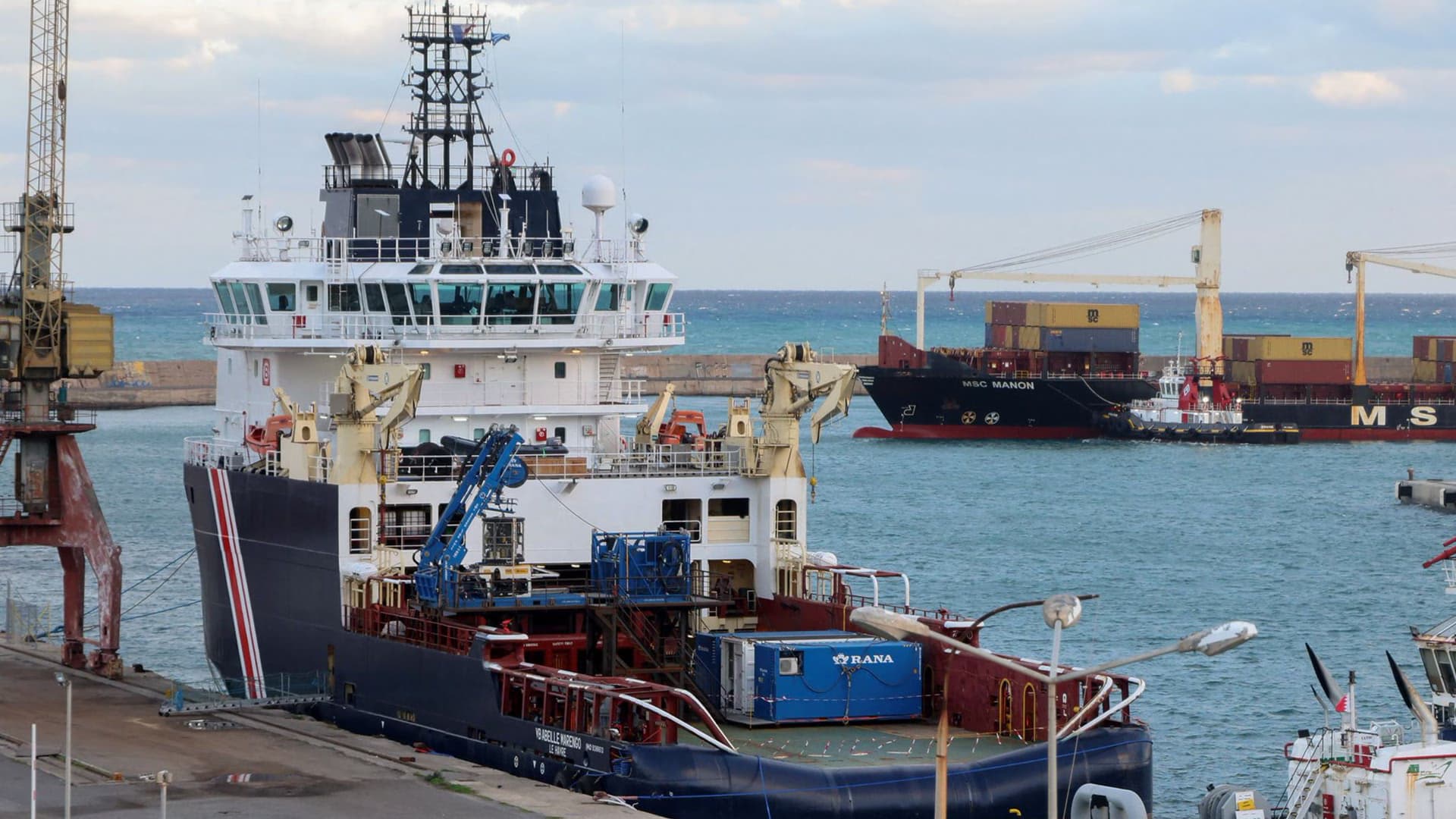
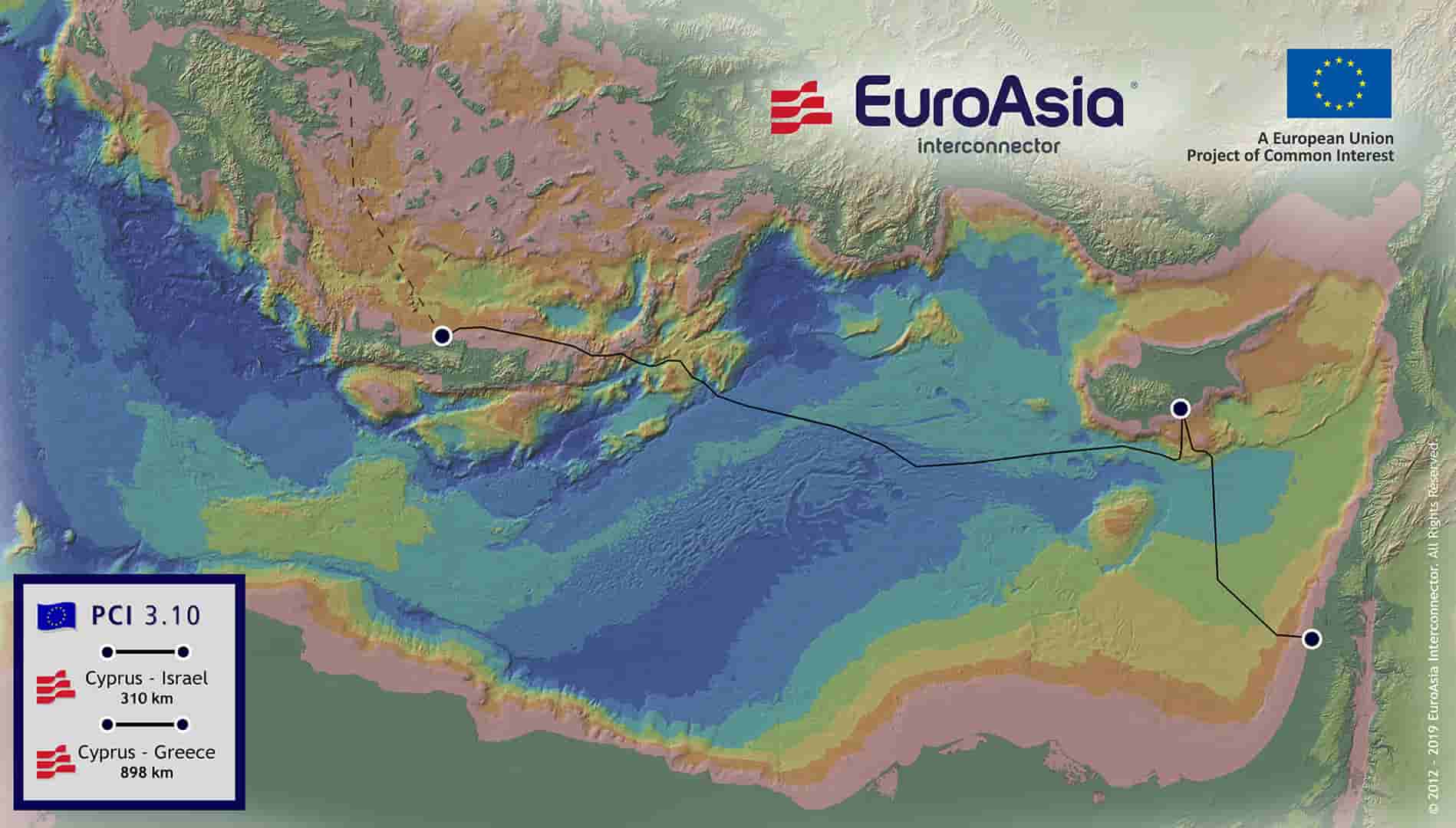
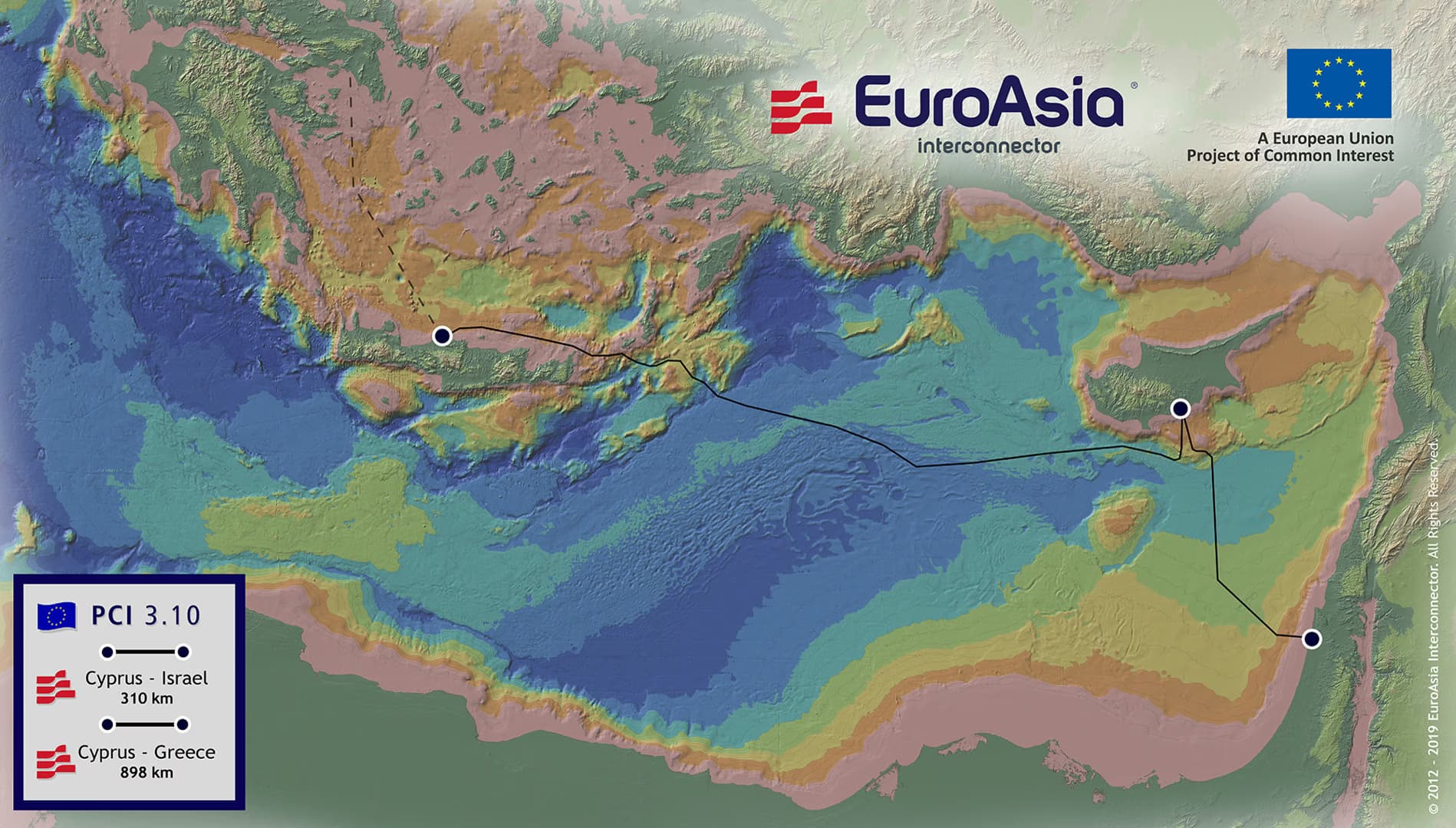
France's diplomatic contact with Türkiye over the planned Great Sea Interconnector (GSI) electricity link project between Greece, the Greek Cypriot Administration of Southern Cyprus (GCASC) and Israel has triggered a dispute between the government and opposition in Athens. The dispute intensified after Türkiye issued a NAVTEX on the evening of Nov. 10 for the French-flagged Abeille Marengo, which will take part in the project.
Türkiye's NAVTEX stated that marine scientific research would be conducted along routes coordinated with Turkish authorities and that the authorities' consent had been obtained for the work. Greek opposition parties called on the government to explain the contents of France's note, arguing that the developments could amount to “seeking permission from Türkiye.”

Opposition asks government about the “note”
To Vima reported that the contents of the French note had not been shared with the opposition and that the issue turned into a heated dispute between the government and the main opposition PASOK in Parliament on Nov. 10. PASOK leader Nikos Androulakis argued in Parliament that there was no need to inform Türkiye. PASOK foreign policy official Dimitris Mancos claimed that Türkiye's NAVTEX could raise tensions in the Eastern Mediterranean.
SYRIZA lawmaker Christos Giannoulis said on OPEN TV, “France's note to Türkiye is not an insignificant or routine procedure; it is a diplomatic act.” Theofilos Xanthopoulos, SYRIZA's parliamentary group representative, drew attention to the word “consent” in the NAVTEX and recalled the Türkiye-Libya memorandum of understanding. Nikos Karathanasiopoulos, parliamentary group spokesman for the Communist Party of Greece (KKE), also said that they did not trust the government.
Government: No permission was requested from Türkiye
Statements issued on behalf of the Greek government maintained that permission had not been requested from Türkiye. Government Spokesman Pavlos Marinakis had previously said that France's note was not a request for permission but an notification concerning maritime safety.
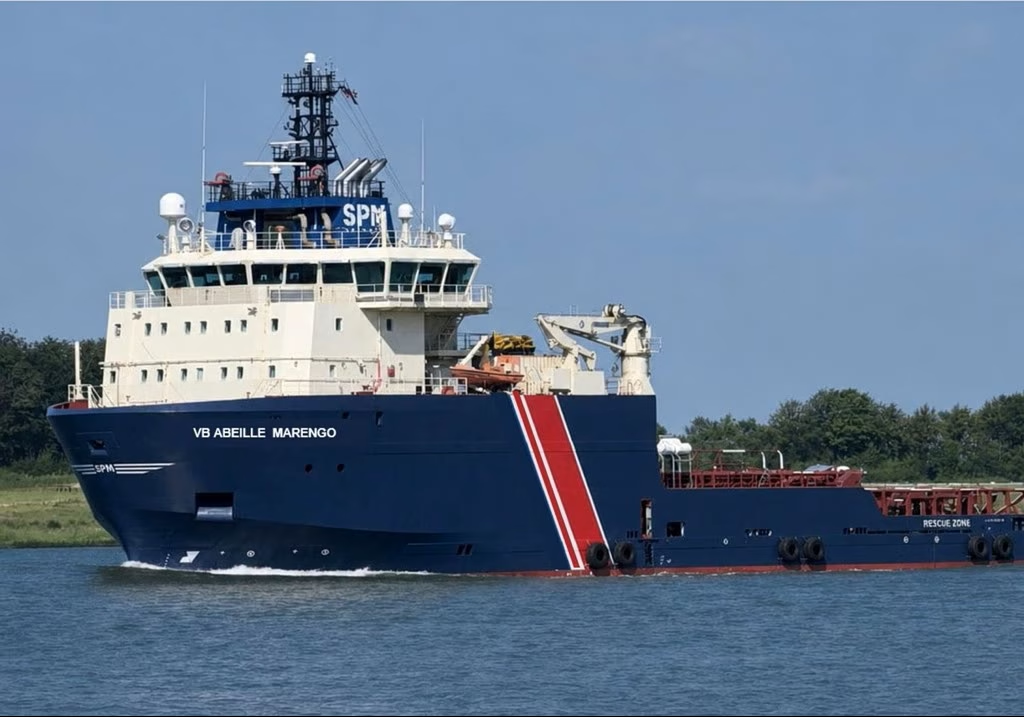
International relations expert Konstantinos Filis argued in an article in Kathimerini that the agreement between Greece and France covered only sending a note to Türkiye, saying, “Otherwise, if France requested permission, this would constitute a violation of the agreement.” Ta Nea wrote that the delay in the vessel's departure resulted from diplomatic contacts between Athens, Ankara and Paris aimed at preventing a possible dispute.
Abeille Marengo left the Port of Heraklion in Crete on Nov. 10. According to Türkiye's NAVTEX, the vessel may operate within the designated coordinates until March 19; the areas are located within Türkiye's NAVTEX responsibility zone and its continental shelf in the Eastern Mediterranean. The Greek press reported that Athens and the GCASC administration had also issued NAVTEX notices in response to Türkiye's announcement.
Cover photo: Reuters. Map: Anadolu Agency. Vessel photo: To Vima (archive). Sources: Anadolu Agency, To Vima, Kathimerini, Ta Nea.
Stay Updated with The Turkiye Times
Subscribe to be informed about special news, developments and announcements. We will keep you informed.
By signing up, you agree to our Privacy Policy