- BIST10011,483+1.32%
- USD50.07+0.05%
- EUR55.96-0.52%
- GOLD4,074.90-0.94%
- INTEREST36.00%-1.00
- BITCOIN75,858+0.14%
- November 8, 20268°
- BIST10011,483+1.32%
- USD50.07+0.05%
- EUR55.96-0.52%
- GOLD4,074.90-0.94%
- INTEREST36.00%-1.00
- BITCOIN75,858+0.14%
- November 8, 20268°
Pistorius: Germany cannot provide Ukraine more Patriot systems without weakening its defenses
German Defense Minister Boris Pistorius said Germany cannot provide Ukraine with another Patriot air defense system from Bundeswehr stocks for now. Saying each system supplied would take a long time to replace and create gaps in Germany’s defenses that could not be responsibly accepted, Pistorius called on other allies to contribute more.


German Defense Minister Boris Pistorius ruled out sending another Patriot air defense system to Ukraine from Bundeswehr stocks for now. In an interview with newspapers belonging to the Funke media group, published Saturday, Pistorius said Germany had already delivered more than one Patriot system and numerous guided missiles to Kyiv, adding that sending more would jeopardize the country’s own defense capabilities.
Speaking to Berliner Morgenpost, Pistorius said, “We cannot replace everything we provide now for some time. That creates gaps in our defenses for which we could not assume responsibility.” He added: “More is not possible at the moment.” The minister, a member of the Social Democratic Party (SPD), said some countries had contributed significantly less so far and stressed that other NATO allies also needed to share the burden.
Issue to be raised at Contact Group meeting
Pistorius said the issue should be addressed at the meeting of the Ukraine Defense Contact Group scheduled for mid-November. According to a report by Ukraine-based Kyiv Independent citing Focus magazine, the minister also said in the same interview that he estimated Russia was losing 30,000 to 40,000 troops a month on the battlefield while gaining very little territory.
Berliner Zeitung noted that the statement did not mean Germany had halted its air defense support altogether. The newspaper said Berlin had promised Ukraine additional PAC-2 interceptor missiles from Bundeswehr stocks in September and was also supporting the procurement of new air defense ammunition.
More than a third of the capacity sent to Kyiv
Germany had delivered three Patriot systems to Ukraine since the start of Russia’s invasion in 2022. Berlin announced on August 1, 2025, that it would send two more systems and, under an agreement reached with the United States, had secured priority for deliveries of the new-generation Patriot systems in return. Pistorius also said in January this year that Germany had transferred more than a third of its Patriot capacity to Ukraine and would be unable to provide more until replacement systems arrived.
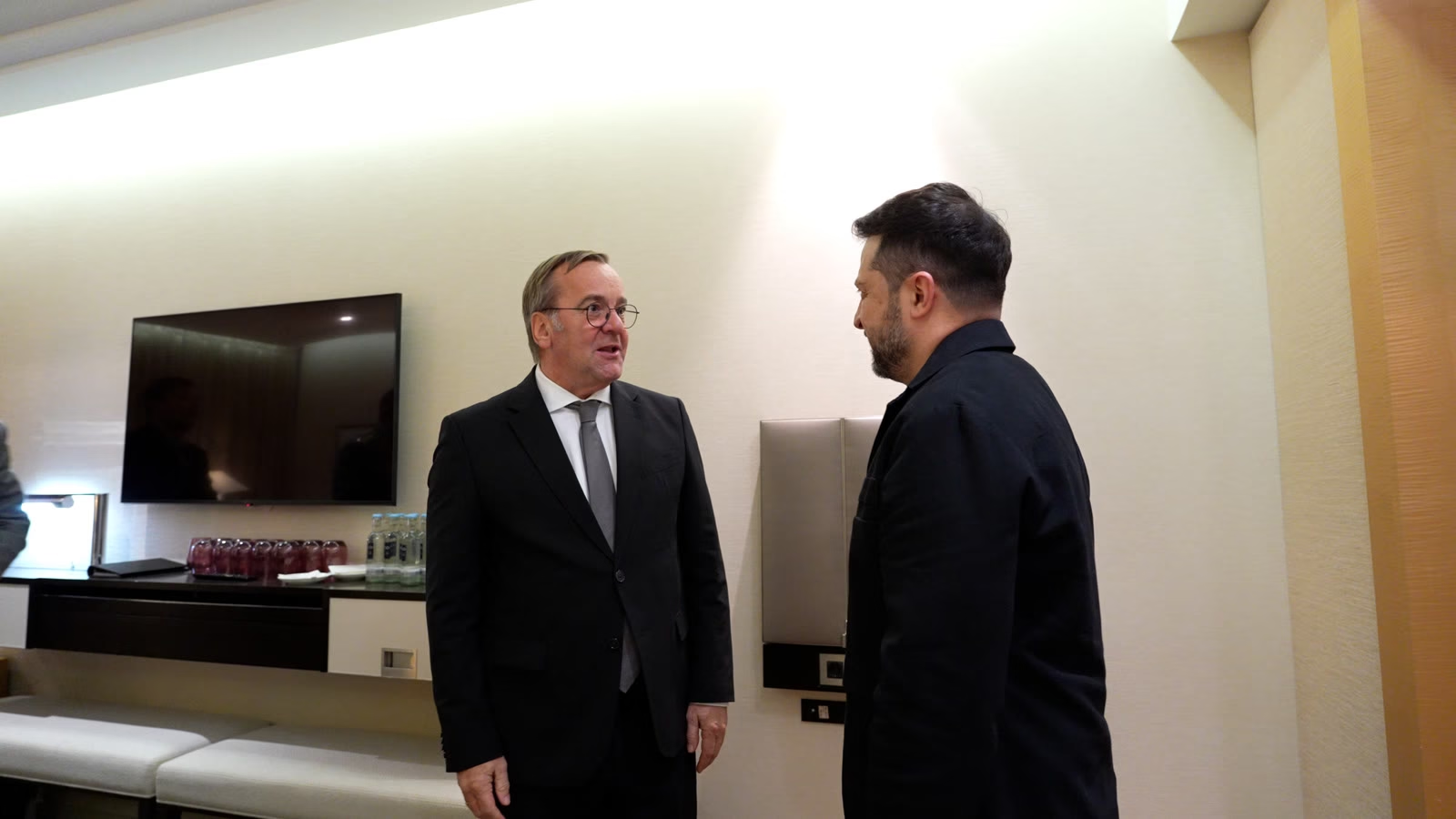
Pistorius met with Ukrainian President Volodymyr Zelenskyy in Berlin on November 4. According to a statement from the Office of the President of Ukraine, Zelenskyy said during the meeting that the situation against ballistic missiles had become particularly difficult because of shortages of Patriot interceptors. Zelenskyy said there was a “comprehensive contract” for the purchase of German-made PAC-2 missiles for the next two years and that efforts were underway to accelerate deliveries.
Thirty-six ballistic missiles targeted Kyiv that night
Pistorius’s interview came on the same day as Russia’s intensive attack on Kyiv and the surrounding area. Zelenskyy said only four of 36 missiles traveling toward their targets on ballistic trajectories overnight had been intercepted. The attack damaged Kyiv’s Northern Bridge over the Dnipro River and also hit transformer substations connecting the Rivne and Khmelnytskyi nuclear power plants to the capital, according to reports.
Zelenskyy said the United States could make the greatest contribution to closing the gap in Patriot interceptors and added, “We are looking for ways to accelerate deliveries at every level.” According to Berliner Zeitung, the United States approved the sale of 500 additional Patriot interceptor missiles to Ukraine, estimated to be worth $2.1 billion; however, Reuters reported that the missiles are not expected to be delivered until the early 2030s.
Photo: Office of the President of Ukraine. Cover: German Federal Ministry of Defence (BMVg)
Stay Updated with The Turkiye Times
Subscribe to be informed about special news, developments and announcements. We will keep you informed.
By signing up, you agree to our Privacy Policy