- BIST10011,722-2.89%
- USD49.45+0.05%
- EUR55.62+0.37%
- GOLD4,181.10+0.26%
- INTEREST37.00%-1.00
- BITCOIN81,394+0.01%
- October 18, 202611°
- BIST10011,722-2.89%
- USD49.45+0.05%
- EUR55.62+0.37%
- GOLD4,181.10+0.26%
- INTEREST37.00%-1.00
- BITCOIN81,394+0.01%
- October 18, 202611°
Europe’s student protests reach Albania as Tirana police fire rubber bullets
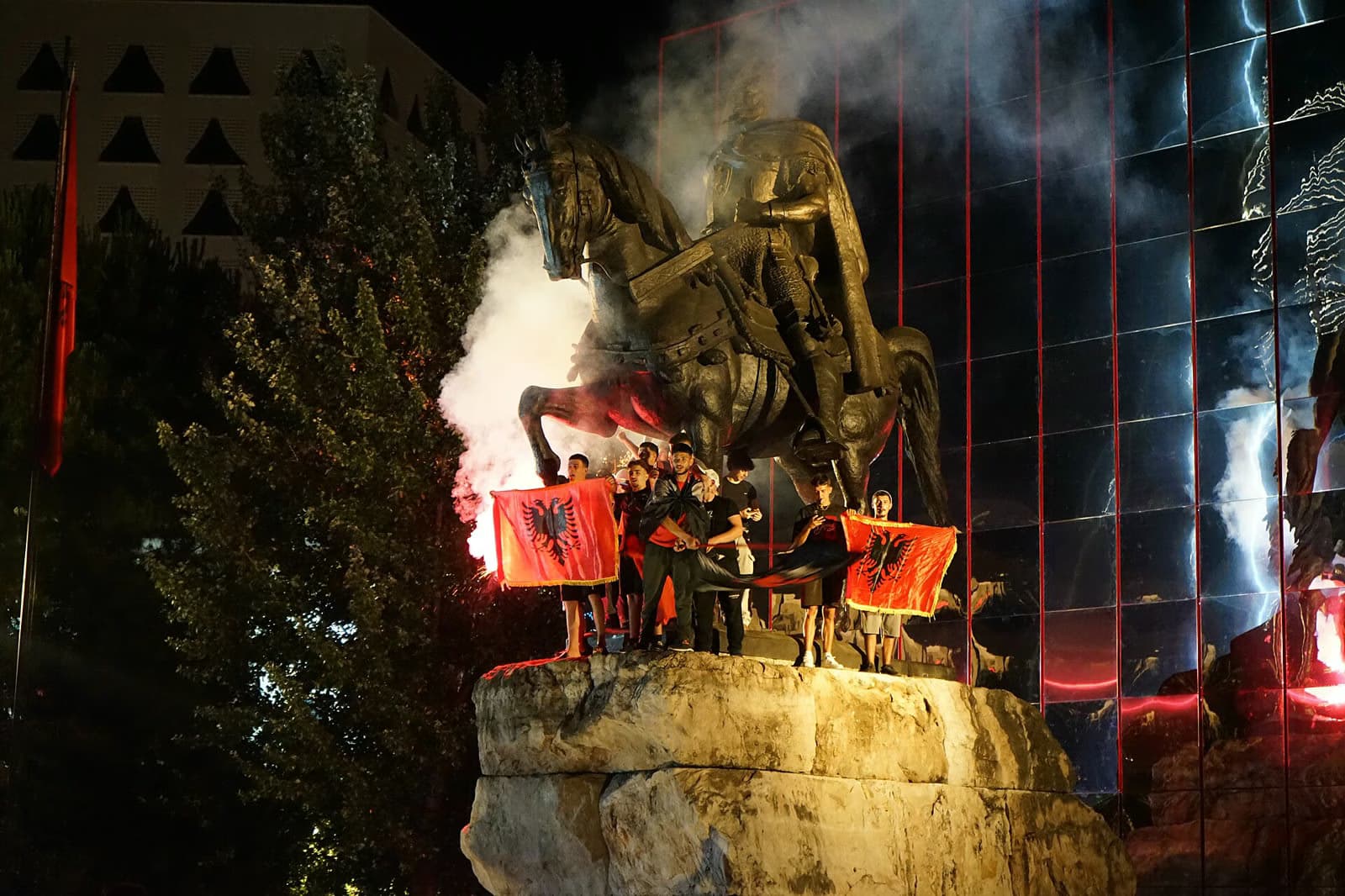
The wave of student protests in France and Italy has turned into fierce clashes in Albania. On the fifth day of protests in Tirana, police used rubber bullets for the first time and 167 people have been detained.
The Turkiye Times Editorial DeskUpdated:
The wave of student protests sweeping several European countries has turned into violent clashes in Albania. On Saturday, the fifth day of demonstrations in the capital, Tirana, police used rubber bullets for the first time since the protests began. Protesters threw stones, petrol bombs and fireworks at police near Prime Minister Edi Rama’s office.
National police chief Skender Hita confirmed the rubber bullets were used “in a limited manner.” According to Hita, 167 people have been detained and 132 police officers injured over five days. The Health Ministry said nine protesters and four officers received treatment on Saturday. Seven officers accused of exceeding their authority were suspended pending investigation.
A student wave from France to Italy
The unrest in Albania comes as students in many European countries have taken to the streets in recent weeks demanding better education. In France, high school protests that began in September merged with cost-of-living protests on Saturday and rocked the country. According to France’s education ministry, nearly 10% of teaching hours in state high schools go unstaffed.
In Italy, protesters threw flares and firecrackers at the Education Ministry while protesting the government’s education policies and foreign spending. In Turin, police used tear gas and water cannon on students who had occupied their schools for days. Clashes also broke out in Milan and Brussels on Saturday.
Five days of anger in Tirana
The current wave of unrest in Albania began on Tuesday, Oct. 13, outside the Education Ministry in Tirana. Students are angry over unaffordable fees, poor university conditions, a lack of jobs and alleged government corruption. Afrim Krasniqi of the Institute for Political Studies in Tirana says students had protested peacefully for nearly three months, but their demands were largely ignored.
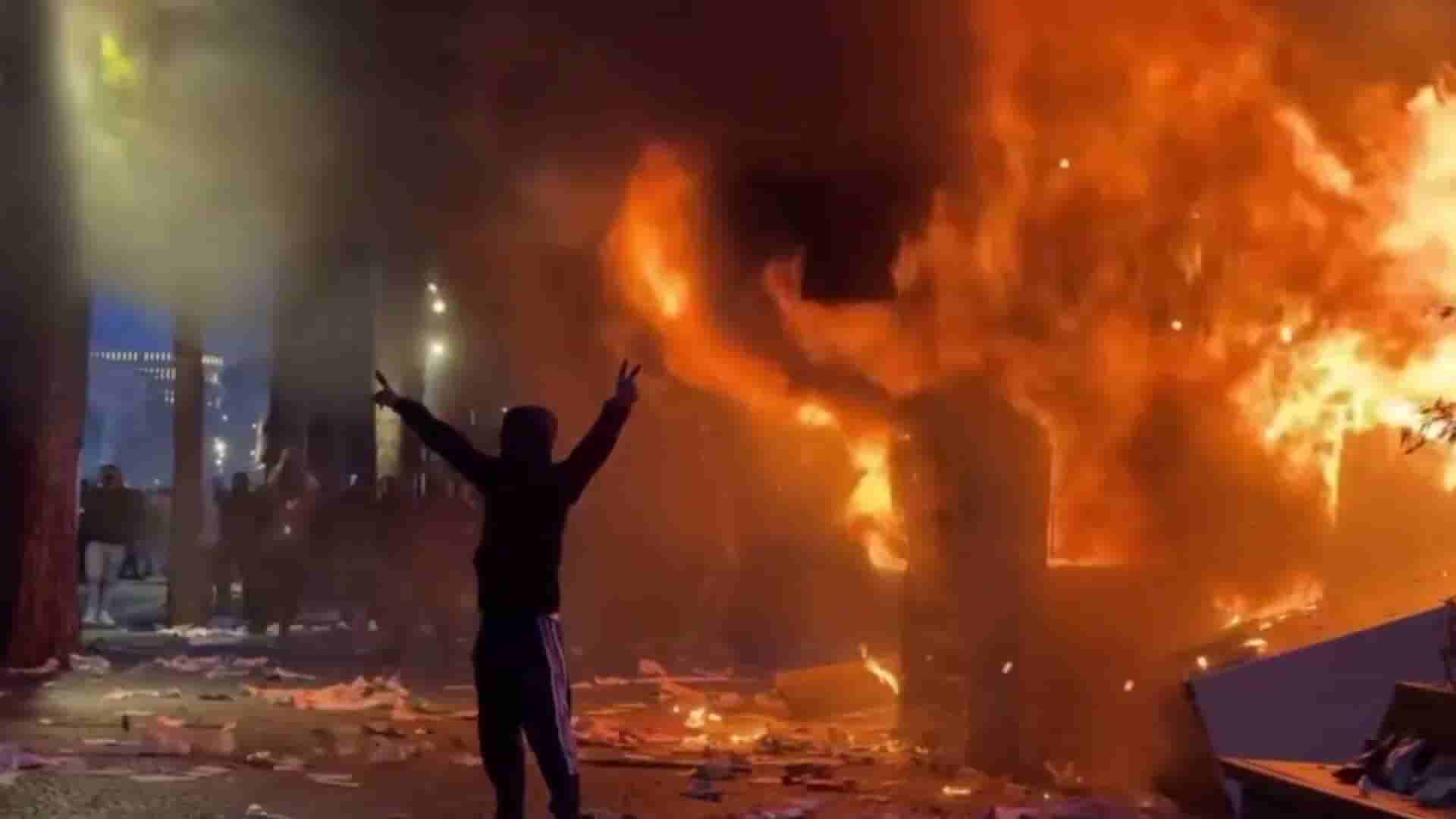
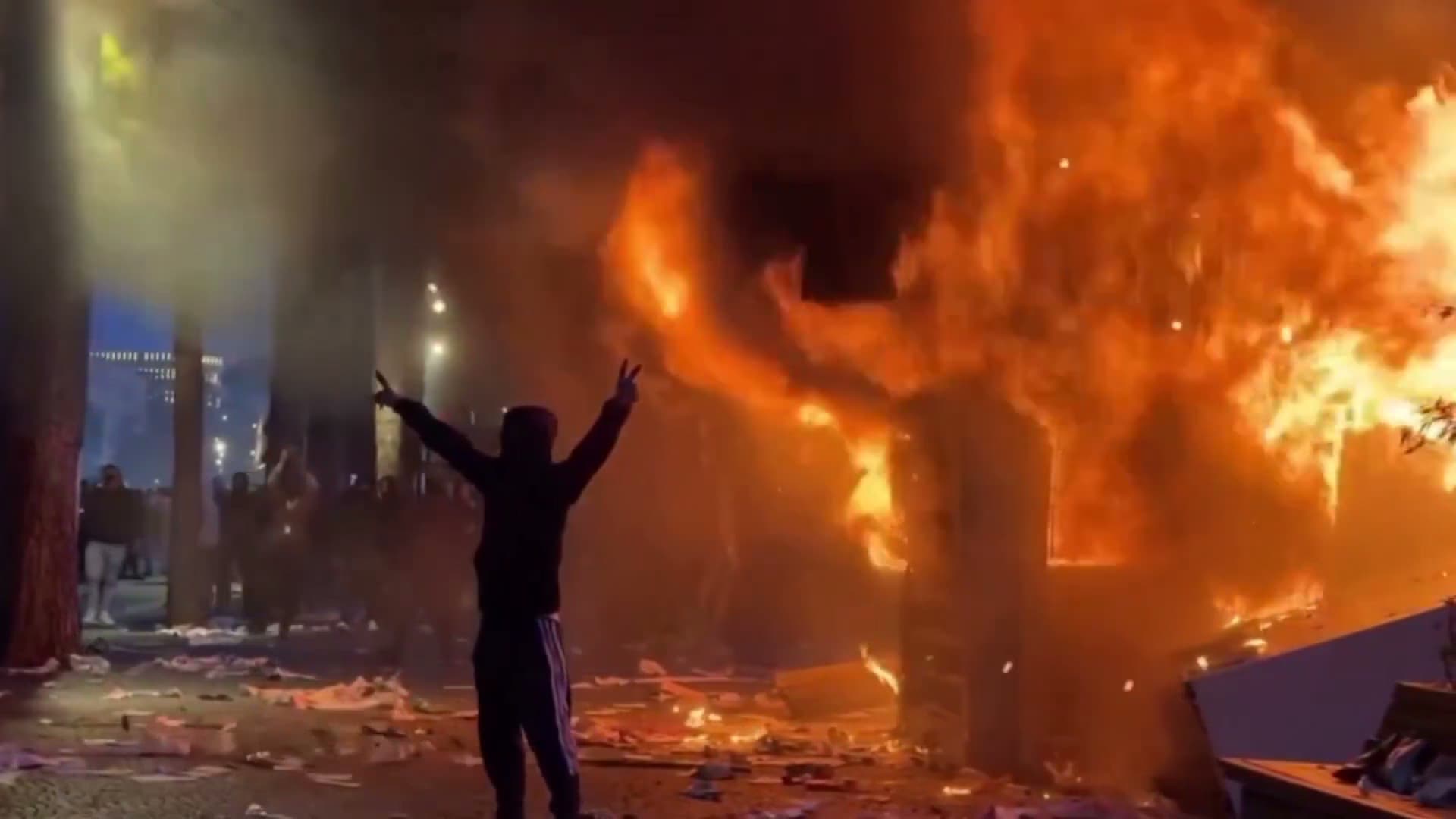
From the second night, protesters set fire to the prime minister’s office, ministry buildings and bank branches. Fires broke out at the justice and education ministries.
Cameras also captured protesters entering the Economy Ministry building and wrecking its interior.
As clashes raged through the night, police used water cannon and tear gas, and government buildings were badly damaged.
One video shows a lone riot police officer standing motionless with his hands behind his back on a road lit by fires, as flares and fireworks burst overhead.
Saturday: barricades and rubber bullets
On Saturday, thousands of young people gathered outside the Education Ministry in central Tirana. Protesters set cars and rubbish bins alight to build barricades, and a car was burned near the prime minister’s office. Students who threw a burning suitcase into the ministry courtyard said it showed they did not want to leave the country for a better future.
The protests were not limited to the capital. In the coastal city of Durrës, protesters damaged a post office and blocked roads with burning barricades. Protests were also held at universities in Elbasan and Shkodër.
Special unit police carrying long-barreled weapons were also filmed on Tirana’s streets at night.
Another video shows the silhouette of a protester raising his arms in front of a building engulfed in flames.
Rama: I will not resign
Rama, in power since 2013 and re-elected for a fourth term last year, rejects calls to resign. “Last year, we had elections, not a revolution,” he told Reuters. Rama argued the violence was fueled by “the most irrational hatred” and claimed there were “foreign hands that do not wish for Albania to be at peace.”
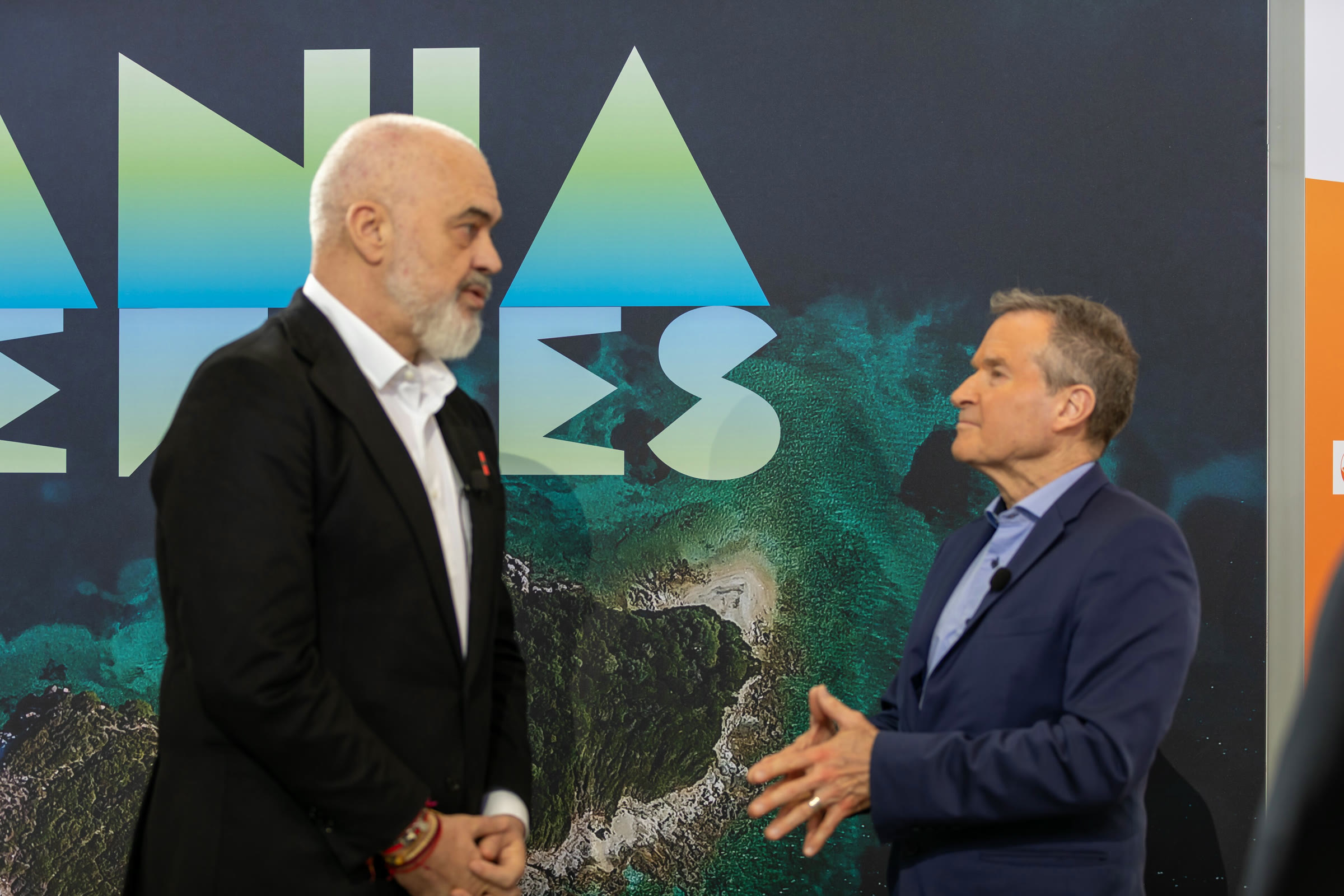
On Saturday, however, Rama said his government respects the students and will protect their right to protest. Visiting businesses damaged in the unrest, he accused the conservative opposition of encouraging the violence.
“The boiling point of months of grievances”
The student protests have added to months of rallies by the “Flamingo” movement against a luxury tourism project on the country’s southern coast linked to a company founded by Jared Kushner, U.S. President Donald Trump’s son-in-law. The movement now also demands Rama’s resignation over corruption allegations. Albanian journalist Arlis Alikaj described the unrest as “the boiling point of months of suppressed grievances.”
In December 2018, student protests against education costs forced Rama to dismiss eight ministers and announce a “Pact for the University.” But students say some of the demands from that period remain unmet.
Have a story, event or announcement of your own?Send us your news on WhatsApp
Spotted an error in this story?Report it on WhatsApp
Share on all social platforms
Sponsored Ads
Featured Listings
Loading featured properties...
Stay Updated with The Turkiye Times
Subscribe to be informed about special news, developments and announcements. We will keep you informed.
By signing up, you agree to our Privacy Policy