- BIST10011,842-0.01%
- USD50.28+0.05%
- EUR55.60-0.24%
- GOLD3,860.00+0.18%
- INTEREST36.00%-1.00
- BITCOIN64,479-0.54%
- November 17, 202614°
- BIST10011,842-0.01%
- USD50.28+0.05%
- EUR55.60-0.24%
- GOLD3,860.00+0.18%
- INTEREST36.00%-1.00
- BITCOIN64,479-0.54%
- November 17, 202614°
Deputy minister: 3.6 million foreigners in Türkiye; Syria returns top 1.5 million
Deputy Interior Minister Mehmet Cangir said at a meeting of the PACE Migration Committee in Istanbul that 3,609,586 foreigners were living in Türkiye under legal status as of November 5. More than 777,000 of those who returned to Syria set out after December 8, 2024.
The Turkiye Times Editorial DeskUpdated:


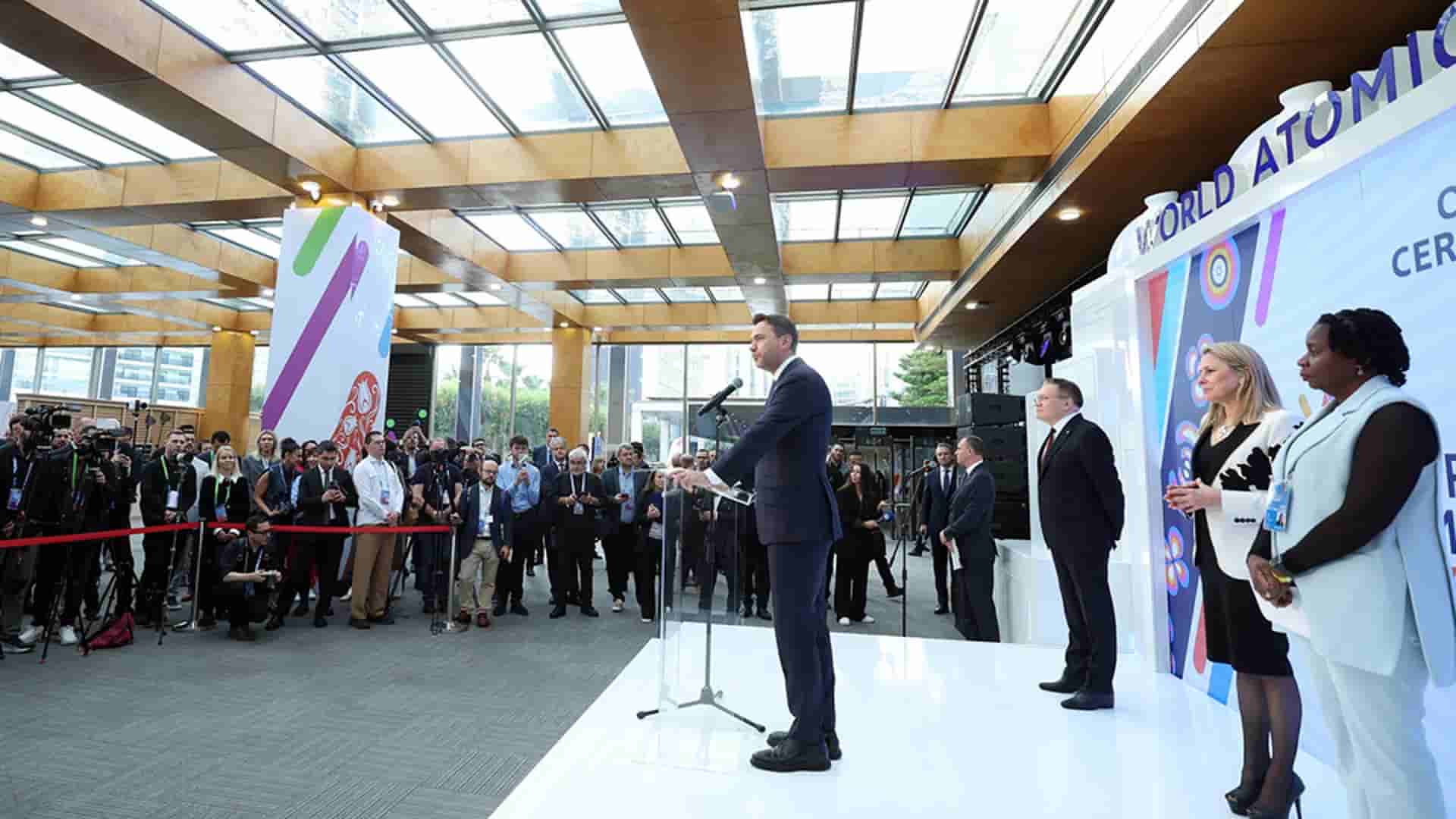
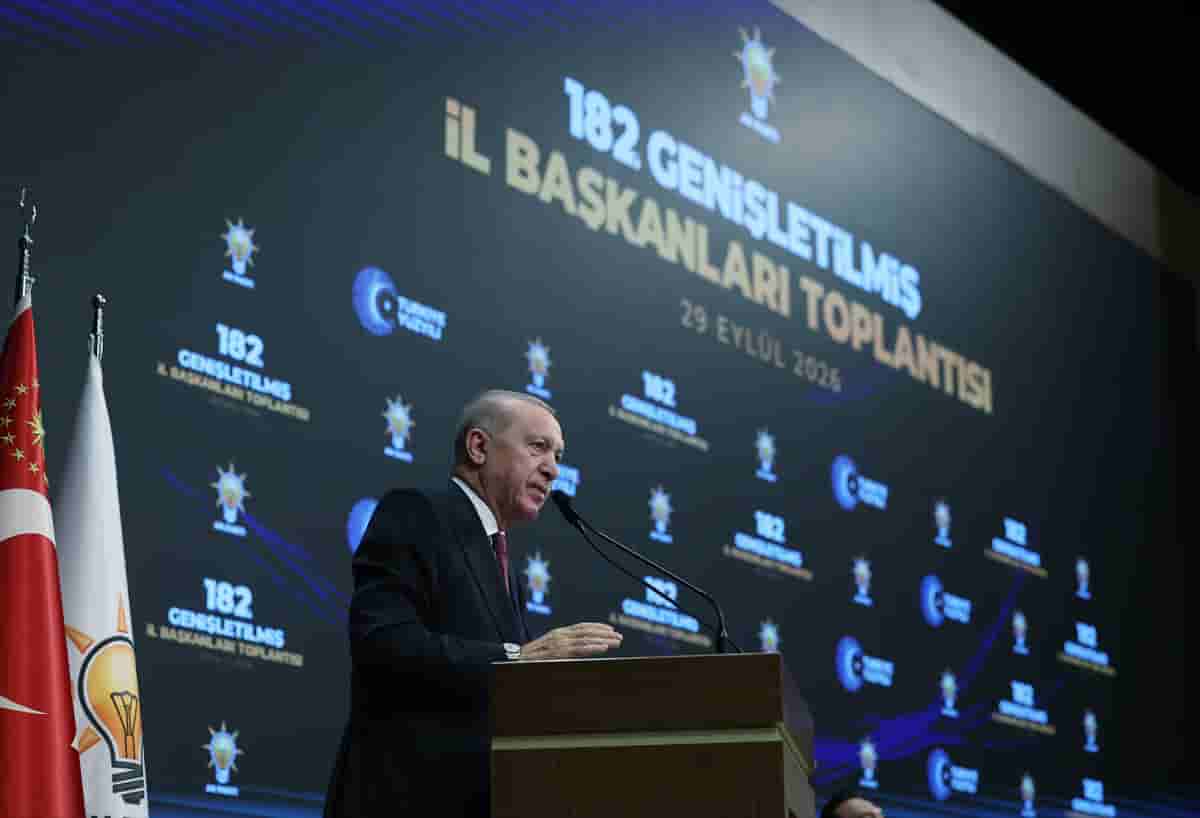
Deputy Interior Minister Mehmet Cangir shared Türkiye's latest migration figures at a meeting of the Parliamentary Assembly of the Council of Europe (PACE) Committee on Migration, International Protection and Economic Cooperation, which began in Istanbul under the auspices of Türkiye's Grand National Assembly. According to the figures Cangir announced, 3,609,586 foreigners were living in Türkiye under various legal statuses as of November 5, 2026.
Of these foreigners, 2,196,216 were under temporary protection and 128,387 were under international protection. Another 1,284,983 foreigners were staying in the country with residence permits. Cangir said they were managing this “immense responsibility” through registration, oversight, digitalization and interinstitutional coordination.
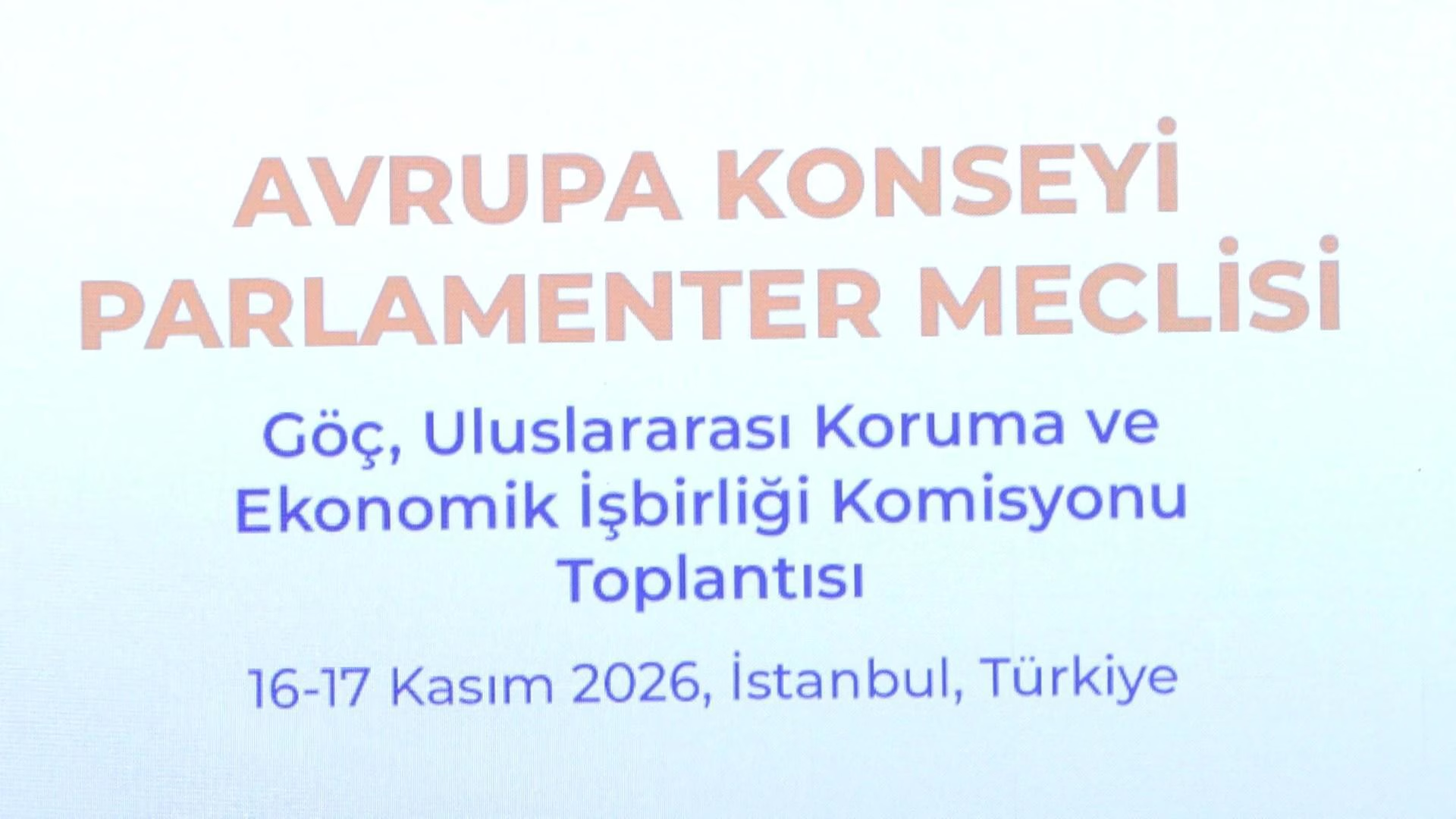
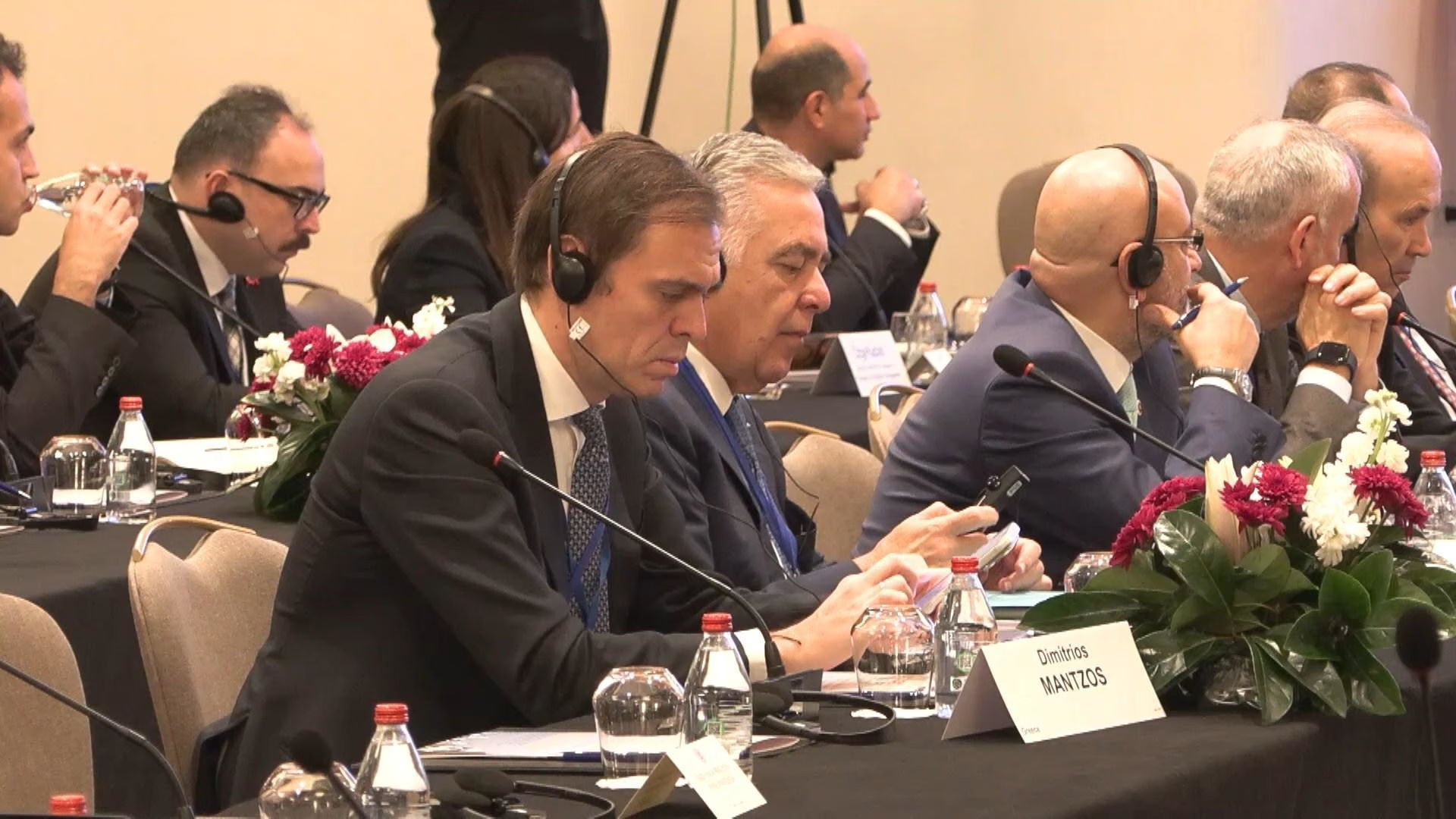
The two-day meeting is addressing the protection of the human rights of migrants, asylum seekers and refugees, safe and legal migration routes, and the Council of Europe's role in implementing the EU Migration and Asylum Pact. Employment and entrepreneurship opportunities for refugee and migrant women are also on the agenda.
“We are not forcing anyone to return”
Cangir announced that the total number of people who had voluntarily returned to Syria exceeded 1.517 million. More than 777,000 of them returned to their country after December 8, 2024, when the Assad regime was overthrown. Cangir said, “Our approach to these returns is based on voluntariness; we are not forcing anyone to return. While supporting voluntary, safe, dignified and orderly returns, we prioritize enabling people to build sustainable lives in their homeland.”
The deputy minister also emphasized that they expected the international community to make a greater contribution to improving housing, education, healthcare and livelihood conditions in Syria: “No country's geographical position should oblige it to bear humanity's shared burden alone.” Cangir added that they viewed stronger economic and social ties between Türkiye and Syria as a complementary part of the return process.
200 Mobile Migration Points in all 81 provinces
Cangir explained that the fight against irregular migration is conducted on five main pillars. The borders are protected with electro-optical towers, thermal cameras, radars and sensor systems. Two hundred Mobile Migration Points operating in all 81 provinces are speeding up identity checks. A trilateral mechanism established with Bulgaria and Greece is also strengthening regional information sharing.
Türkiye has 32 removal centers with a total capacity of 18,780 people. Cangir said the centers provide accommodation, healthcare, legal aid, interpretation and psychosocial support, while the circumstances of women, children and people with special needs receive particular attention. Cangir said they opposed racism, xenophobia and hate speech, adding, “Türkiye is not a country subjected to migration; it is a country that manages migration and contributes to regional and global stability.”
Türkeş: Migration is a shared responsibility
Speaking at the opening, Yıldırım Tuğrul Türkeş, head of the PACE Turkish Delegation and an Ankara lawmaker from the Justice and Development Party, said holding the meeting in Istanbul reflected Türkiye's commitment to the values of the Council of Europe. Türkeş cited the restructuring of the Presidency of Migration Management, the Integration Strategy and the National Action Plan as examples of Türkiye's people-centered migration system.
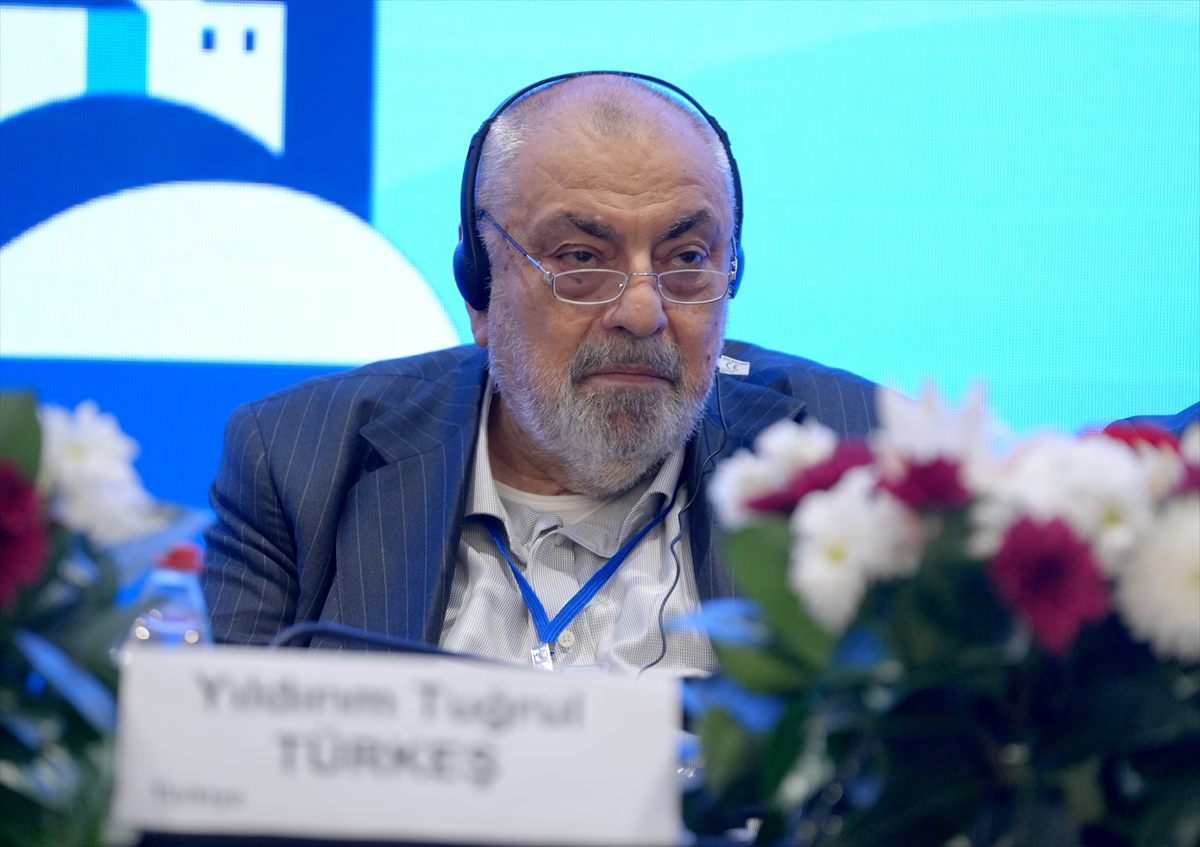
Emphasizing that irregular migration cannot be resolved merely by closing borders, Türkeş called for determined action against criminal networks, fair responsibility-sharing and stronger international cooperation. Türkeş said, “Our message is clear: migration is a shared responsibility and requires shared solutions,” and recalled that Türkiye strictly adheres to the principle of non-refoulement.
The meeting was attended by Committee Chair Sandra Zampa, Justice and Development Party Istanbul lawmaker Sena Nur Çelik Kanat, and representatives of the Ministry of Industry and Technology, the Presidency of Migration Management, the Council of Europe Ankara Programme Office and the UN Refugee Agency (UNHCR). The committee will continue its work tomorrow.
Photos: DHA, AA. Sources: AA, DHA.
Have a story, event or announcement of your own?Send us your news on WhatsApp
Spotted an error in this story?Report it on WhatsApp
Share on all social platforms
Sponsored Ads
Featured Listings
Loading featured properties...
Stay Updated with The Turkiye Times
Subscribe to be informed about special news, developments and announcements. We will keep you informed.
By signing up, you agree to our Privacy Policy