- BIST10012,151-0.94%
- USD49.220.00%
- EUR55.21+0.28%
- GOLD4,192.30-0.57%
- INTEREST37.00%-1.00
- BITCOIN82,747-1.11%
- October 12, 202619°
- BIST10012,151-0.94%
- USD49.220.00%
- EUR55.21+0.28%
- GOLD4,192.30-0.57%
- INTEREST37.00%-1.00
- BITCOIN82,747-1.11%
- October 12, 202619°
Europe assesses space exploration goals in Antalya at IAC 2026
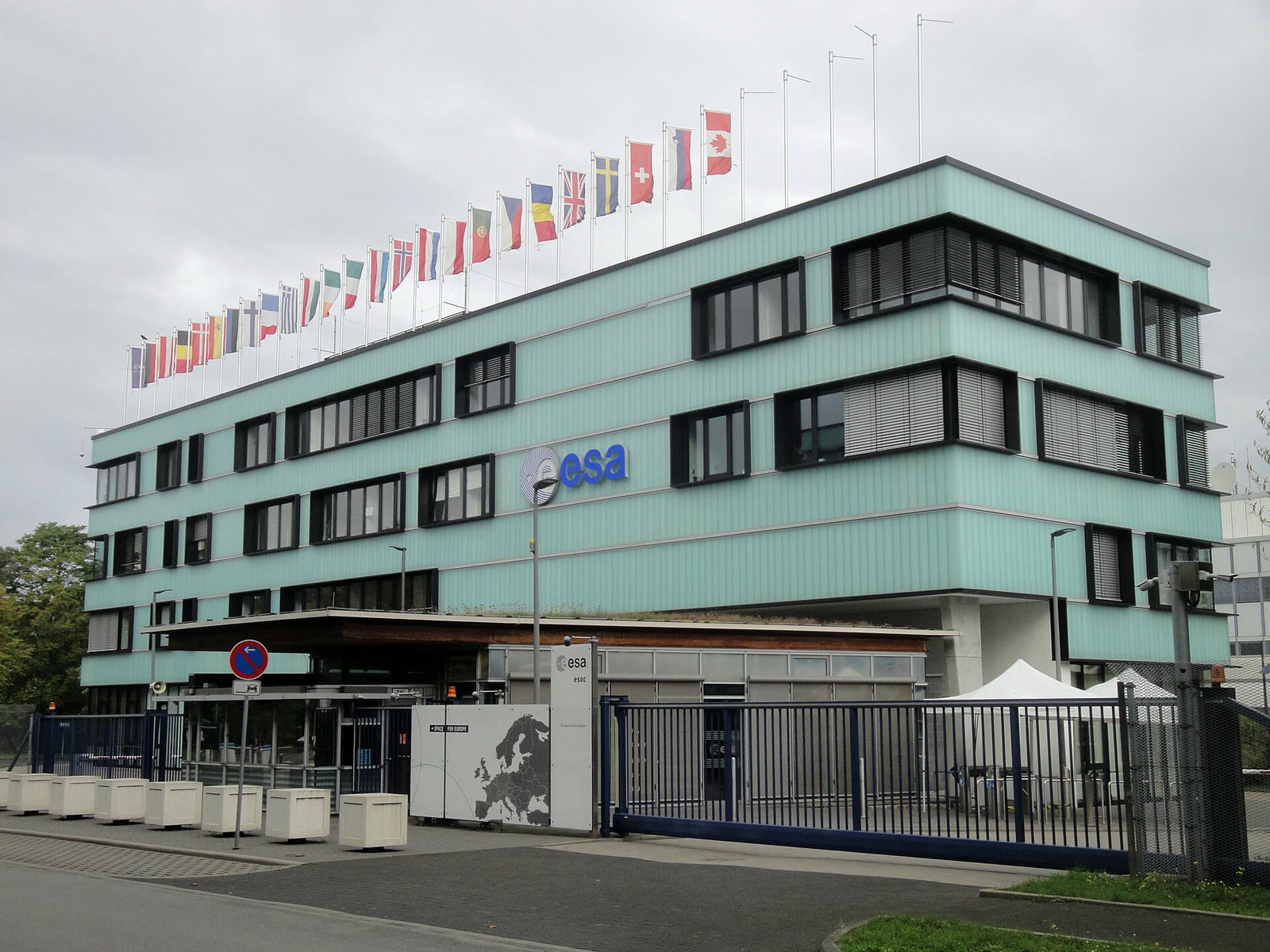
European Space Agency Director General Josef Aschbacher said during a session held in Antalya as part of IAC 2026 that Europe needs to develop its capacity in space and its autonomous access to space. It was decided that the planned meeting with the space ministers and politicians of European countries would be held in Rome this December.


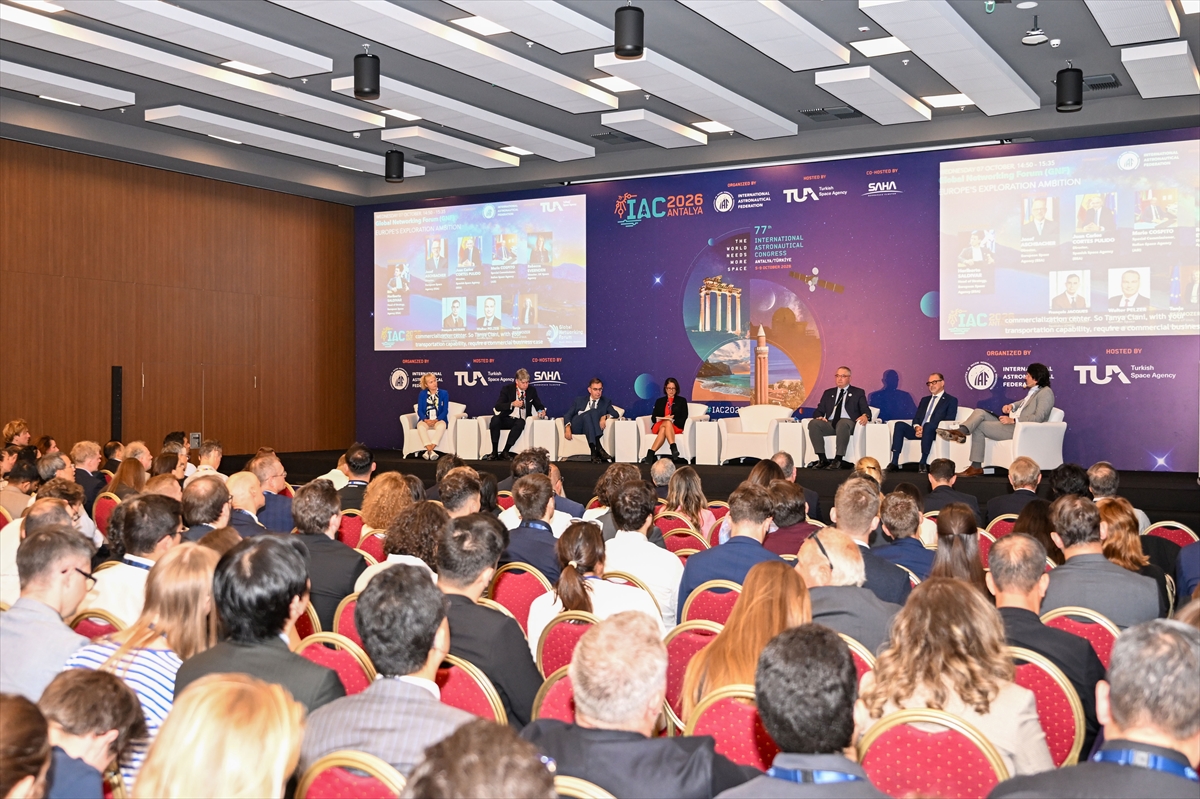
Europe’s space exploration goals were discussed as part of the International Astronautical Congress IAC 2026, held in Antalya. The congress, organized under the coordination of the Ministry of Industry and Technology and hosted by the Turkish Space Agency and SAHA Istanbul, featured a meeting titled "Europe’s Vision for Space Exploration" as part of the IAF Global Networking Forum sessions.
European Space Agency Director General Josef Aschbacher announced that the Ministerial Meeting, originally planned for October next year, would instead be held in Rome this December. Aschbacher said he had received clear calls from European ministers and politicians to prepare decisions in Rome.
Aschbacher said teams had worked intensively throughout the summer to assess the costs, timelines, risks and opportunities of different scenarios. He said working meetings would be held within the next few days and in November ahead of the Rome meeting, adding that these discussions would assess Europe’s goals in terms of its own capacity and autonomous access to space.
Emphasizing that Europe’s autonomy did not mean isolating itself or becoming disconnected from the outside world, Aschbacher said Europe wanted to build strong partnerships with other partners, space agencies and states.
Space exploration to be a priority area
Mario Cospito, Special Commissioner of the Italian Space Agency, said Europe needed to determine its future scenarios. Cospito said space exploration would be the main focus in the coming months and that areas that could be developed with partners in France would be assessed.
François Jacques, president and chief executive of the French National Centre for Space Studies, said European countries needed to be able to act independently in space activities while also cooperating with partners when necessary. Jacques said setting a clear direction and goals would contribute to establishing new partnerships and involving new actors in the process.
Tanja Permozer, head of a department at Slovenia’s Ministry of the Economy, said Europe needed to remain an active actor in space while maintaining international cooperation.
Lunar economy and commercial framework on the agenda
Juan Carlos Cortes Pulido, director of the Spanish Space Agency, said decisions needed to be taken at the highest level because the lunar economy would come onto the agenda in the future. Pulido cited the summit hosted by French President Emmanuel Macron in Paris two weeks earlier as one example of this approach.
Stating that space needed to be addressed at the prime ministerial level, Pulido said the European Space Agency and international organizations should implement the decisions taken. Pulido said key decisions on the roadmap to be followed would be taken at the meeting in Rome at the end of the year.
Rene Kleessen, director of organizations and infrastructure at the German Space Agency, emphasized the importance of German experts and scientists continuing to operate in low Earth orbit and pursue their scientific activities. Kleessen said there should be no gap in scientific activities in 2030 and beyond.
Tania Celani, deputy director for international relations and resilience at the UK Space Agency, said Europe needed to establish a viable commercial business model for a crewed vehicle. Celani said a clear commercial framework was needed among European Space Agency member states, industry organizations and potential customers to establish initial missions, customers, reliability and a flight history.
Stay Updated with The Turkiye Times
Subscribe to be informed about special news, developments and announcements. We will keep you informed.
By signing up, you agree to our Privacy Policy