- BIST10010,951-1.92%
- USD49.79+0.05%
- EUR55.52-0.41%
- GOLD3,975.60-1.38%
- INTEREST36.00%-1.00
- BITCOIN77,349-0.57%
- October 30, 202615°
- BIST10010,951-1.92%
- USD49.79+0.05%
- EUR55.52-0.41%
- GOLD3,975.60-1.38%
- INTEREST36.00%-1.00
- BITCOIN77,349-0.57%
- October 30, 202615°
Europe's October protests spotlighted demands on education, economy and housing
Throughout October, students, workers and various social groups staged demonstrations in several European countries, calling for changes in education, the economy, housing and social policies. About 8,000 people, most of them minors, were detained during high school protests in France, while protests also took place in Belgium, Spain, Germany, Italy, Albania and Kosovo.


Protests over education, the economy, housing, migration, social spending and government policies took place in several European countries throughout October. Demonstrations involving young people in particular continued in France, Spain, Belgium, Austria, Germany, Italy, Albania and Kosovo, with different demands.
High school protests spread across France
High school protests that began on Sept. 17 in Creteil, a suburb of the French capital Paris, spread across the country. University students and labor unions also supported the demonstrations, in which students demanded more resources for education and more teachers.
About 8,000 people, most of them minors, were detained during the protests. The opposition argued that some students were seriously injured during police interventions; at least one student reportedly lost an eye, another lost teeth and a third lost a hand.
French students said they would continue protesting unless their demand for an additional 10 billion euros for education was met. The Yellow Vests, who protested the cost of living and high fuel prices, also joined students during demonstrations on Oct. 17 and 24.
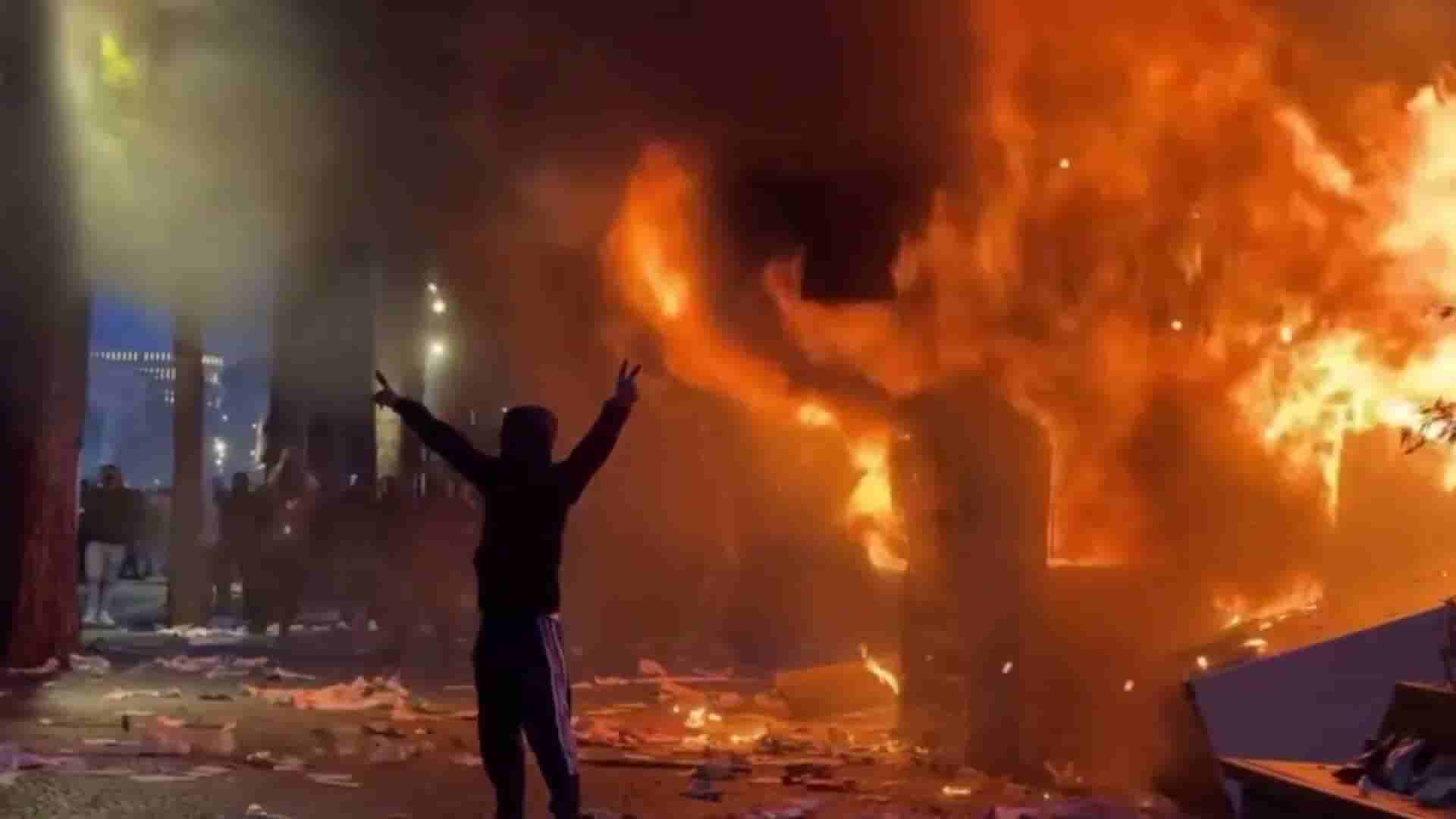
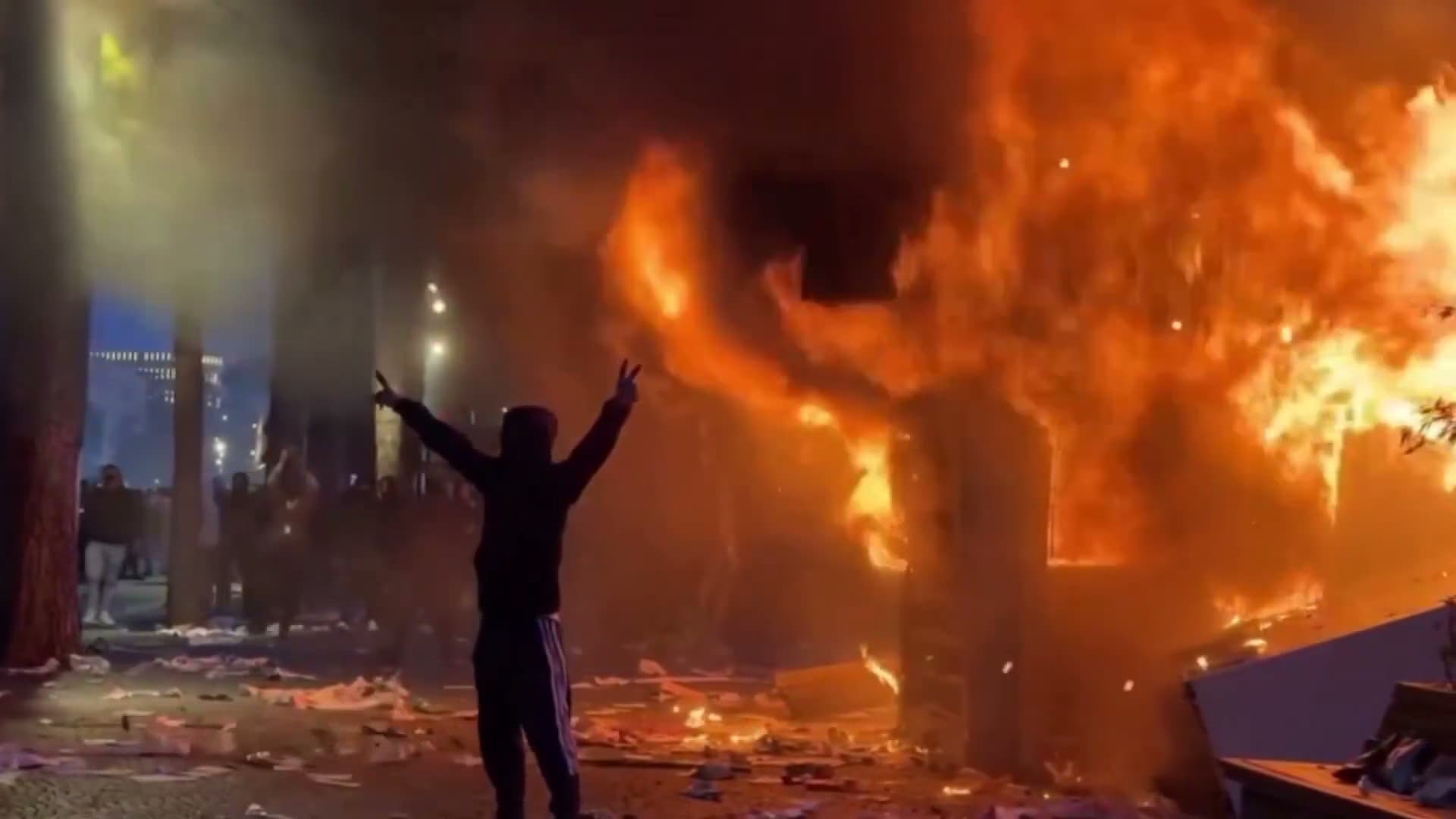
More than 2,500 shops were looted and 2,700 people were detained during the demonstrations on Oct. 17. The government announced assistance for businesses affected by the unrest and sought to accelerate debate on a bill that would also require the removal of online content calling for looting and violence.
French President Emmanuel Macron said on Oct. 26 that digital platforms were harming democracies. Protests in France are expected to continue with the participation of different professional groups.
Housing crisis protests grew in Spain
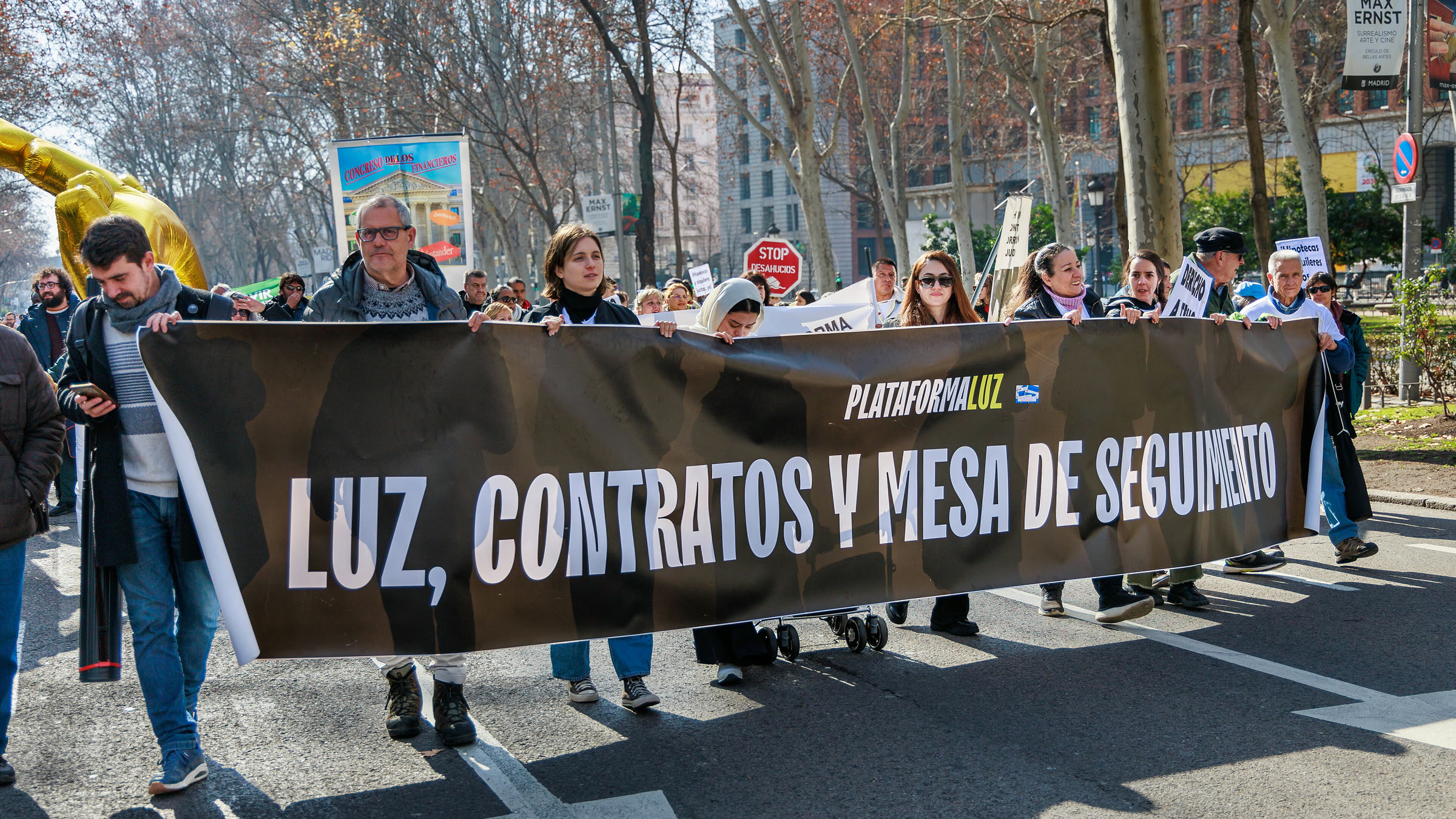
Demonstrations were held across Spain over the housing crisis and problems related to education, agriculture and migration. The forced eviction of 87-year-old Mari Carmen from her home on Sept. 22 because she could not pay her rent became one of the main issues in housing protests that began in Madrid and spread to other major cities.
A tent protest that began in Madrid's Sol Square on Sept. 26 spread to Barcelona, Las Palmas and Valencia. Education workers went on an indefinite strike, while farmers blocked roads in Madrid and Barcelona with their tractors. Protests over the migration crisis in Ceuta in North Africa also continued in October.
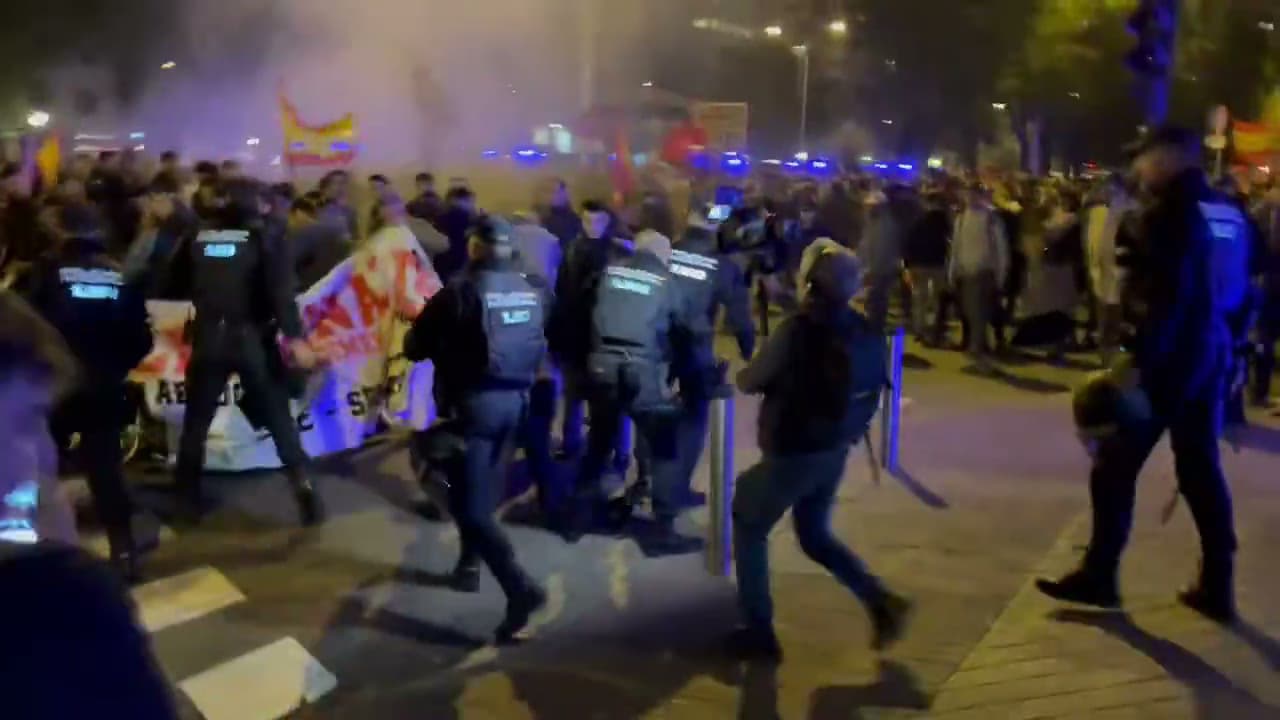
During a demonstration by about 500 people in Barcelona on Oct. 24, shops were looted and public property was damaged. Fifteen people were injured, while 128 demonstrators, 75 of them minors, were detained. In another incident in Bilbao, 19 people were detained.
Education and budget policies protested in Belgium
Students in Belgium blocked school entrances, demanding more staff, smaller classes and equal opportunities in education. During protests that began on Oct. 1 in and around Liege, fires were lit outside some schools and objects were thrown at security forces.
Tens of thousands of people joined a trade union demonstration in Brussels on Oct. 9. Workers, students and public employees protested budget cuts and the decline in purchasing power. The strike disrupted public transport, air travel, schools and childcare services.
Demonstrations continued on Oct. 17 and 24. More than 600 people were detained during protests across the country throughout October, and some of them were arrested.
University and public broadcasting policies drew opposition
Hundreds of students protested in Vienna, the capital of Austria, against a ban on headscarves for girls under 14. On Oct. 22, tens of thousands of students, academics, researchers and university employees marched against planned austerity measures targeting universities.
Protests were held in Prague, the capital of the Czech Republic, against a plan to change the financing of public broadcasters. Demonstrators demanded that the independence of Czech Television and Czech Radio be protected. Public broadcaster employees announced that they would hold a one-day strike on Nov. 3.
Security policies debated in Germany and Italy
Demonstrations were held in Germany against rearmament and the possible introduction of compulsory military service. About 15,000 people attended a protest in Stuttgart, where demonstrators opposed increased military spending and called for higher social spending.
Protests were also held at universities in Berlin, Leipzig and Hamburg. Demonstrators demanded that cuts to education and social spending be reversed, university funding be increased and arms deliveries be halted. Demonstrations over developments in Palestine and Gaza were also part of Germany's October agenda.
Clashes broke out between police and demonstrators during anti-government protests in Milan, Bologna and Turin, Italy; some shops and supermarkets were damaged. After two days of unrest in Milan, the government sent 500 soldiers to the city in addition to police forces. In Rome, police used water cannon on a group attempting to march to the prime minister's office on Oct. 24.
Protests continued in Albania and Kosovo
Protests launched by students in Tirana on Oct. 13 spread to different cities across Albania, with demands concerning education conditions as well as reactions to corruption allegations, unemployment and the rising cost of living. Police used tear gas and water cannon in some incidents. Attacks involving stones and Molotov cocktails, along with small fires, occurred around public buildings and businesses.
In Pristina, the capital of Kosovo, protests that began after former Kosovo President Hashim Thaçi and former Kosovo Liberation Army leaders were convicted of war crimes in The Hague continued at the beginning of October. Demonstrators called for the court in The Hague to have its powers limited.
Police used tear gas and water cannon during protests in Pristina. Similar demonstrations could be held again after Kosovo President Justina Shiroka Pula returned the legislative amendment to parliament.
After Arlinda Zekaj was killed by her brother-in-law in the city of Peja on Oct. 25, demonstrations were held in Pristina on Oct. 28 and 29 calling for the prevention of femicides. Protesters objected to the way cases of violence against women were handled and demanded investigations into those responsible, as well as action against officials who failed to perform their duties.
Source: Anadolu Ajansı
Have a story, event or announcement of your own?Send us your news on WhatsApp
Spotted an error in this story?Report it on WhatsApp
Share on all social platforms
Sponsored Ads
Featured Listings
Loading featured properties...
Stay Updated with The Turkiye Times
Subscribe to be informed about special news, developments and announcements. We will keep you informed.
By signing up, you agree to our Privacy Policy