- BIST10012,151-0.94%
- USD49.220.00%
- EUR55.21+0.28%
- GOLD4,195.90+0.13%
- INTEREST37.00%-1.00
- BITCOIN82,230-1.72%
- October 13, 202618°
- BIST10012,151-0.94%
- USD49.220.00%
- EUR55.21+0.28%
- GOLD4,195.90+0.13%
- INTEREST37.00%-1.00
- BITCOIN82,230-1.72%
- October 13, 202618°
Flamingo chick numbers at Lake Tuz hit 5-year high
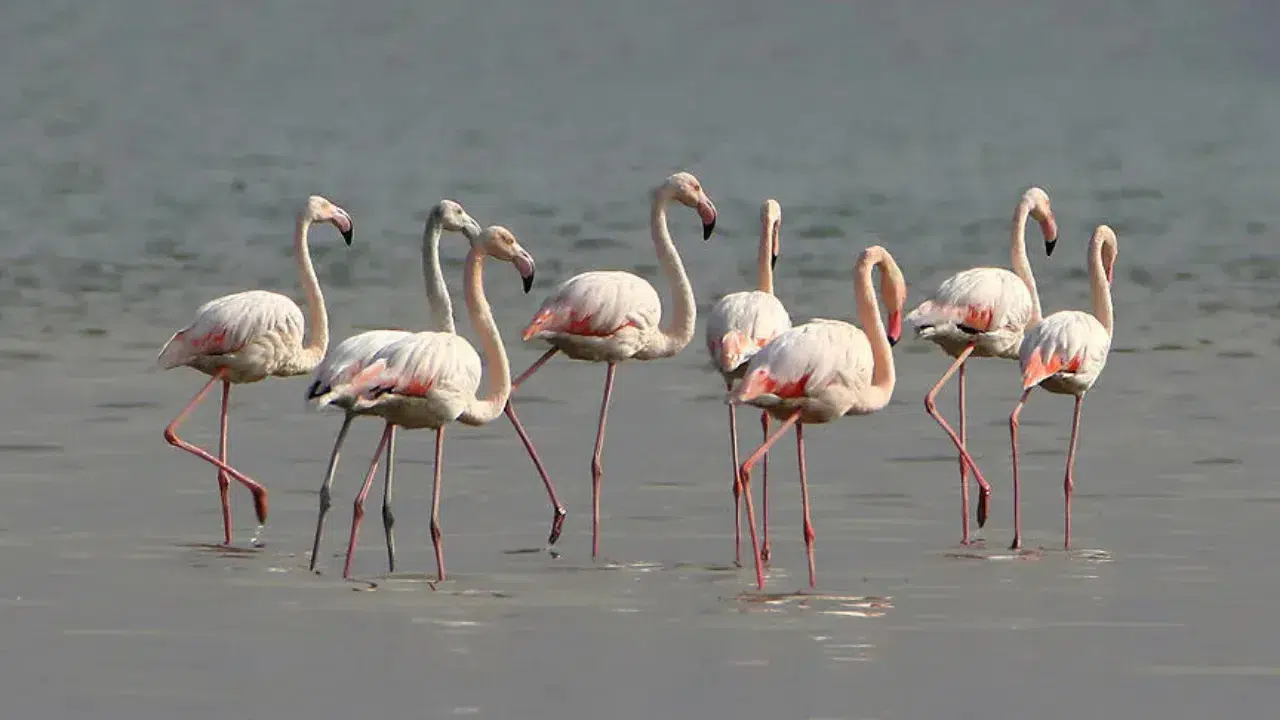
Environment Minister Murat Kurum announced that flamingo numbers have risen thanks to conservation work in the Lake Tuz Special Environmental Protection Area. This year, 12,800 chicks were counted, and adequate rainfall meant no additional water was required.


The Ministry of Environment, Urbanization and Climate Change's General Directorate for Protection of Natural Assets opened a water well in the Lake Tuz Special Environmental Protection Area in 2022 to supply fresh water, which is vital for flamingo chicks. Thanks to this well, water was supplemented to the nursery area, the main feeding site for the chicks, during critical periods of water stress.
As part of conservation projects, flamingo chicks coming from breeding areas in Lake Tuz to feed are counted via aerial photography in July. Additionally, endangered species such as the great bustard and steppe eagle, as well as flamingos, are monitored. Thanks to effective rainfall this year, no water supplementation was needed for the nursery area.
Environment Minister Murat Kurum shared footage from the lake where the flamingo population has increased, with the caption: 'Our family is growing at Lake Tuz. We have reached the highest chick count in 5 years in the area we protect. 12,800 flamingo chicks have found life at Lake Tuz.'
Special Environmental Protection Area
Mustafa Uzun, Head of the Protection Monitoring and Special Environmental Protection Areas Department at the General Directorate for Protection of Natural Assets, stated that Lake Tuz, as a saline wetland, is a unique habitat for flamingos. Uzun said, 'As the ministry, we protect Lake Tuz under the status of a Special Environmental Protection Area. We carry out all necessary work to protect all living things in this area, including flamingos and other threatened or endangered birds, animals, and endemic plants,' he said.
Department Head Uzun: Chick Numbers Reach Highest Levels in 5 Years
Uzun stated that the new monitoring project at Lake Tuz began in April, providing the following information: April and May are the breeding and egg-laying period for flamingos. Then the chicks hatch from the eggs. Currently, the chicks have hatched. We came to monitor them today. This year, we are in a very good position in terms of chick numbers. Last year, due to drought, our chick count was quite low. But thankfully, this year rainfall is at the required levels. Therefore, chick numbers this year have reached the highest levels seen in the last 5 years.
We identified approximately 12,800 chicks as a result of the work carried out by the academic professors and technical teams involved in our project. There is no shortfall in the chicks' feeding. Towards the end of the year, the chicks begin preparations for migration. We continue our monitoring work without interruption until that period.
Stay Updated with The Turkiye Times
Subscribe to be informed about special news, developments and announcements. We will keep you informed.
By signing up, you agree to our Privacy Policy