Ufuk Yaman, TÜREB’s vice president responsible for offshore wind energy, assessed Türkiye’s offshore wind energy efforts at a session titled Türkiye Offshore Wind Case Study held as part of WindEnergy Hamburg.
Yaman said the first site studies for offshore wind energy in Türkiye began in the Sea of Marmara. He noted that research into environmental and social impacts, as well as the seabed, was also carried out during this process.
Measurement campaign in the Sea of Marmara completed
Measurement and feasibility studies were conducted with more than €8 million in grant support under projects funded by the European Union through the World Bank. Yaman announced that most of the work in the Sea of Marmara had been completed.
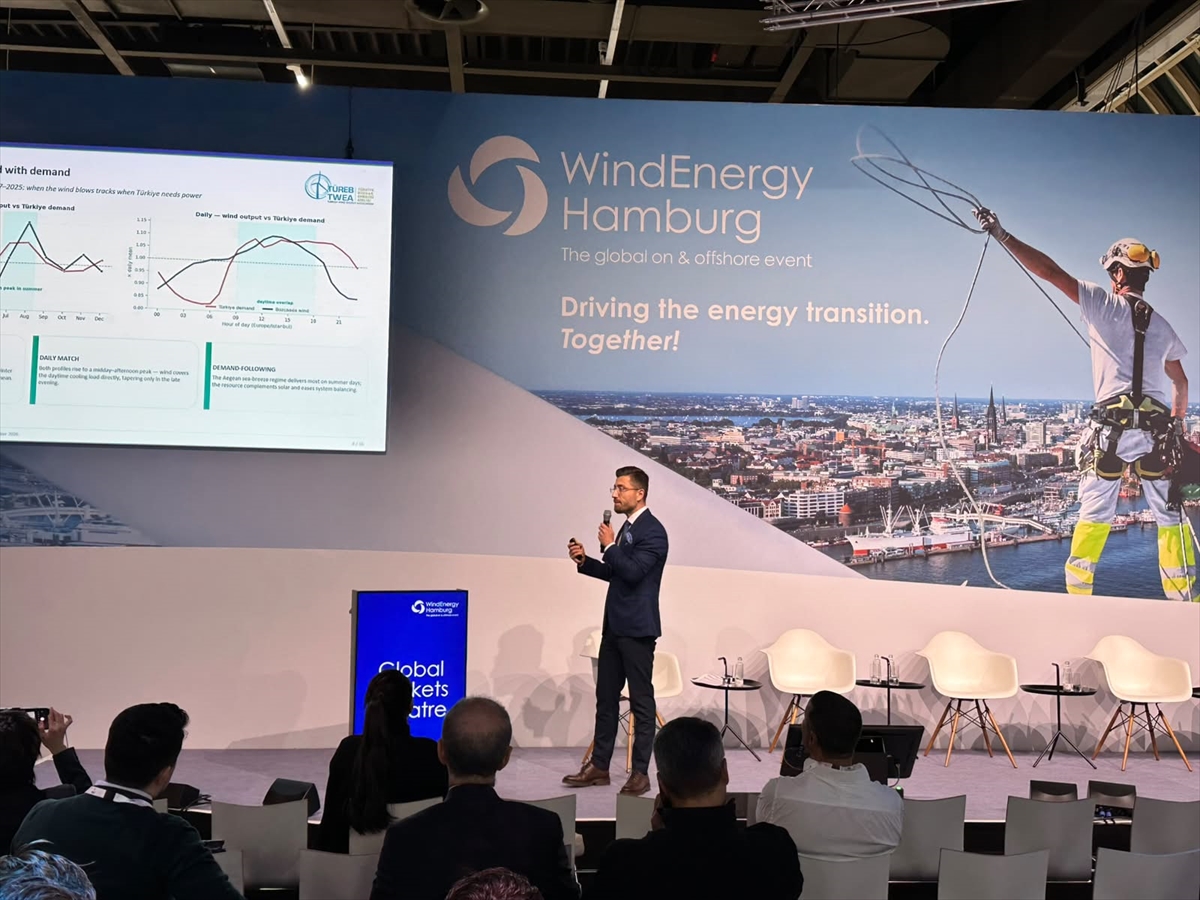
Yaman said the 12-month measurement campaign on wind and sea conditions in the Sea of Marmara had been completed, adding that cost calculations could be made more accurately in areas where technical studies were continuing.
Yaman said data from seabed surveys would allow the levelized cost of electricity, or LCOE, to be calculated more accurately for the sites. He said initial studies indicated that costs at the sites in the Sea of Marmara could remain high in terms of their viability for consumers.
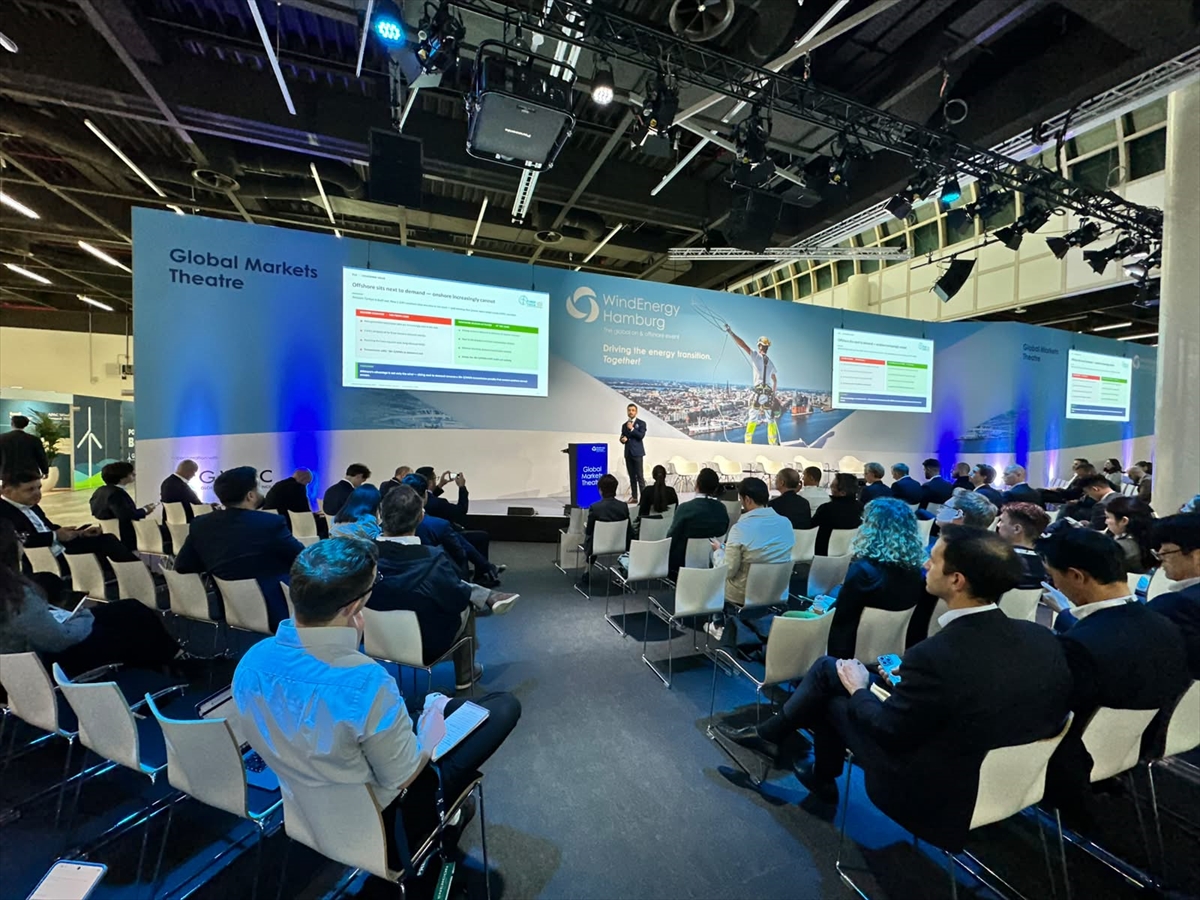
Four sites stand out in the North Aegean
Yaman said attention turned to the North Aegean following these assessments, adding that four sites in Bozcaada, Gökçeada, Edremit and Saros had a combined potential of between 3.5 and 4.5 gigawatts.
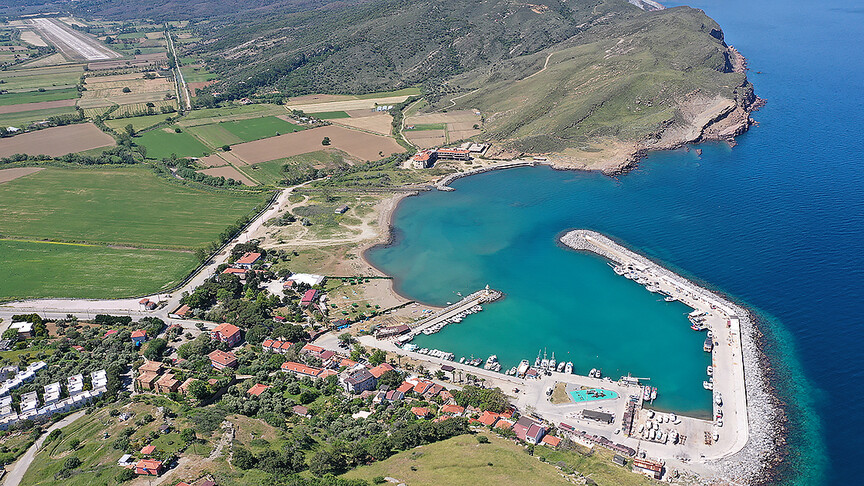
Yaman said the selection of sites in the North Aegean was based on a detailed study. He said more than 20 sites had been assessed in terms of production costs and the manageability of permitting processes, adding that the ranking prepared showed that the first sites to be developed for offshore wind energy should be located in the North Aegean.
A complementary source for electricity demand
Offshore wind energy should be considered a complementary source for meeting Türkiye’s growing electricity demand and supporting the energy transition.



















