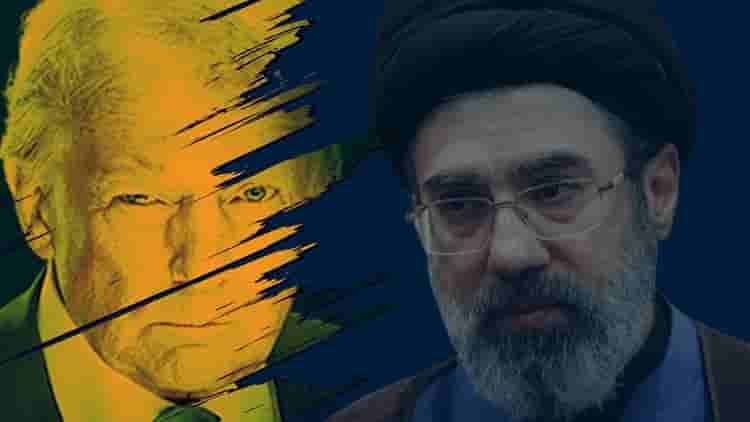
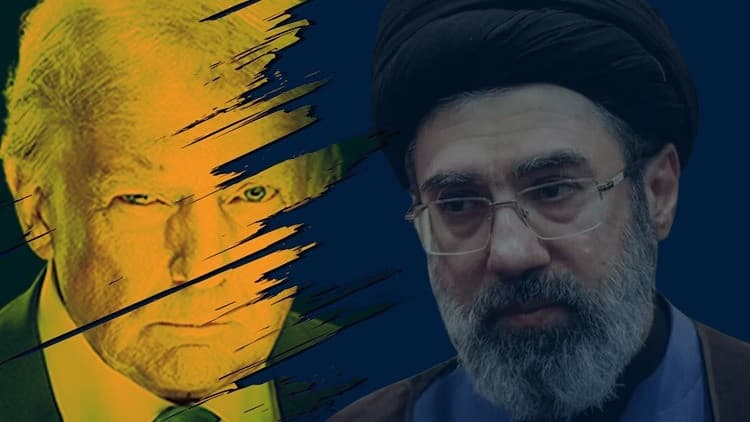
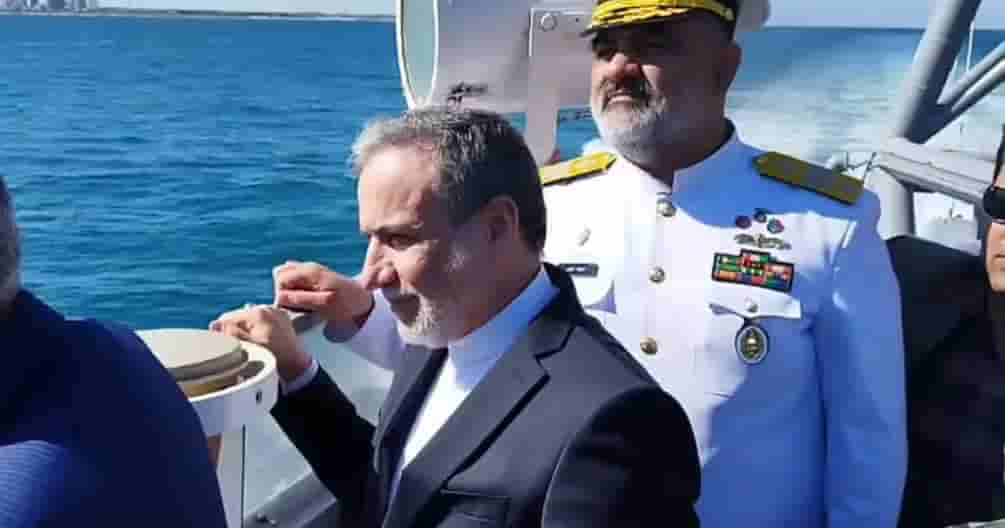
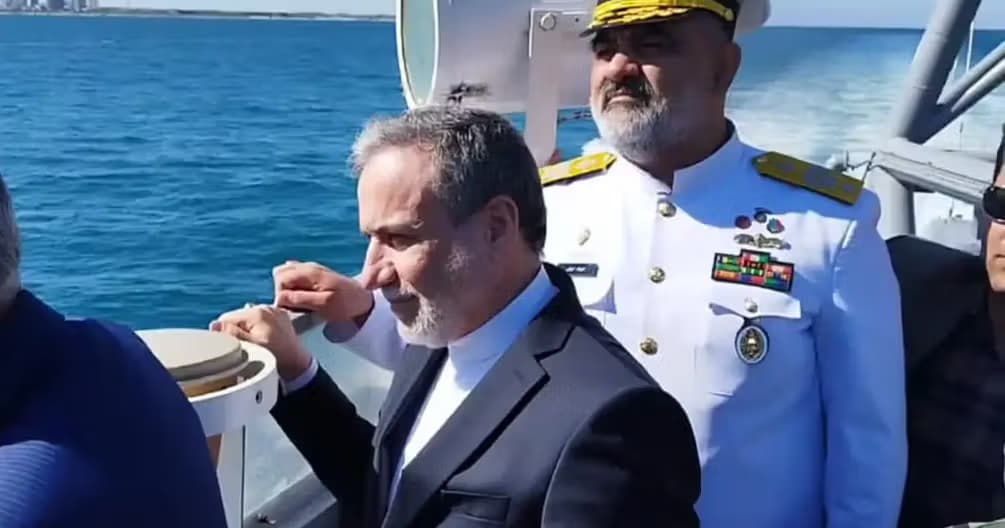
In secret diplomatic talks between the US and Iran, a comprehensive draft agreement has emerged aiming to end the three-month regional conflict and to re-secure global energy transportation through the Strait of Hormuz. US President Donald Trump stated that the main outlines of the agreement have been largely negotiated, while officials emphasize that no final consensus has yet been reached. The draft plan includes the gradual reduction of military tensions, strict restrictions on Iran's nuclear program, phased lifting of sanctions, and regional security guarantees. The talks continue through parallel diplomatic channels following multifaceted conflicts involving Israel, Lebanon, and Iran-backed armed groups. At the core of the agreement is a ceasefire across multiple fronts, including direct conflicts between Iran and Israel as well as the Israel-Hezbollah tension in Lebanon. Additionally, the reestablishment of security in the Strait of Hormuz stands out as a significant item. This strait, a critical point through which about one-fifth of the world's oil and liquefied natural gas shipments pass, had caused concerns in energy markets. The agreement plans for the gradual reopening of the strait and easing of restrictions on Iranian ports. Since mid-April, the US has been trying to limit Iran's maritime exports and financial inflows through a naval blockade. The economic dimension is critical for the feasibility of the agreement. The US is ready to negotiate structured sanction exemptions for Iranian oil sales and the release of Iranian assets abroad. However, these steps will be implemented gradually within a 60-day negotiation period. The most sensitive issue is Iran's nuclear program. According to sources familiar with the talks, Iran is expected to deliver approximately 1,000 pounds of highly enriched uranium enriched up to 60 percent purity. Options include diluting this material or transferring it under international supervision to a third country. The US states that lifting sanctions depends on the verifiable elimination of these stocks. Iran continues to assert that its nuclear program is peaceful. The draft agreement also includes broader security commitments such as limiting Iran's interference in internal affairs through allied militias in the region. However, sensitive issues like missile programs and the presence of US troops in the region remain outside the scope of negotiations. Previous political rhetoric such as regime change or war reparations demands are not included in this framework. US Secretary of State Marco Rubio stated that all means are being used to increase the chances of diplomatic success and that alternatives are ready if the agreement fails. Global oil markets have already reacted positively with expectations of reduced risks. The Iranian side has not yet approved the draft agreement, and some hardline views signal resistance to diplomacy. The parties state that it will become clear within the next 60 days whether this framework will turn into a binding agreement.