- BIST10011,843+1.51%
- USD50.28+0.05%
- EUR55.60-0.24%
- GOLD3,894.70+0.22%
- INTEREST36.00%-1.00
- BITCOIN64,954-0.55%
- November 16, 202611°
- BIST10011,843+1.51%
- USD50.28+0.05%
- EUR55.60-0.24%
- GOLD3,894.70+0.22%
- INTEREST36.00%-1.00
- BITCOIN64,954-0.55%
- November 16, 202611°
France bans fireworks as La Poste affiliate reveals data theft affecting 22 million
The French government has banned the sale and use of fireworks used against security forces and schools during protests until November 27. National postal operator La Poste said a cyberattack on its affiliate Maileva resulted in the theft of information belonging to 22 million people.


France has taken an emergency measure against fireworks used against security forces and schools during weeks of protests. A decree signed by the prime minister and published in the Official Gazette on November 15 bans the sale and use of fireworks across the country through November 27, inclusive.
The ban covers products in the F2 and F3 categories, particularly those known as "firework mortars." Until now, these products could be sold at authorized outlets or with a permit, although their use in public spaces was prohibited. Category F4 products, reserved for professional pyrotechnicians, were already not available for general sale. A government source who spoke to La Dépêche said, "These devices are no longer being used for entertainment but to injure people. The right to protest is guaranteed, but there is no such thing as a right to injure."
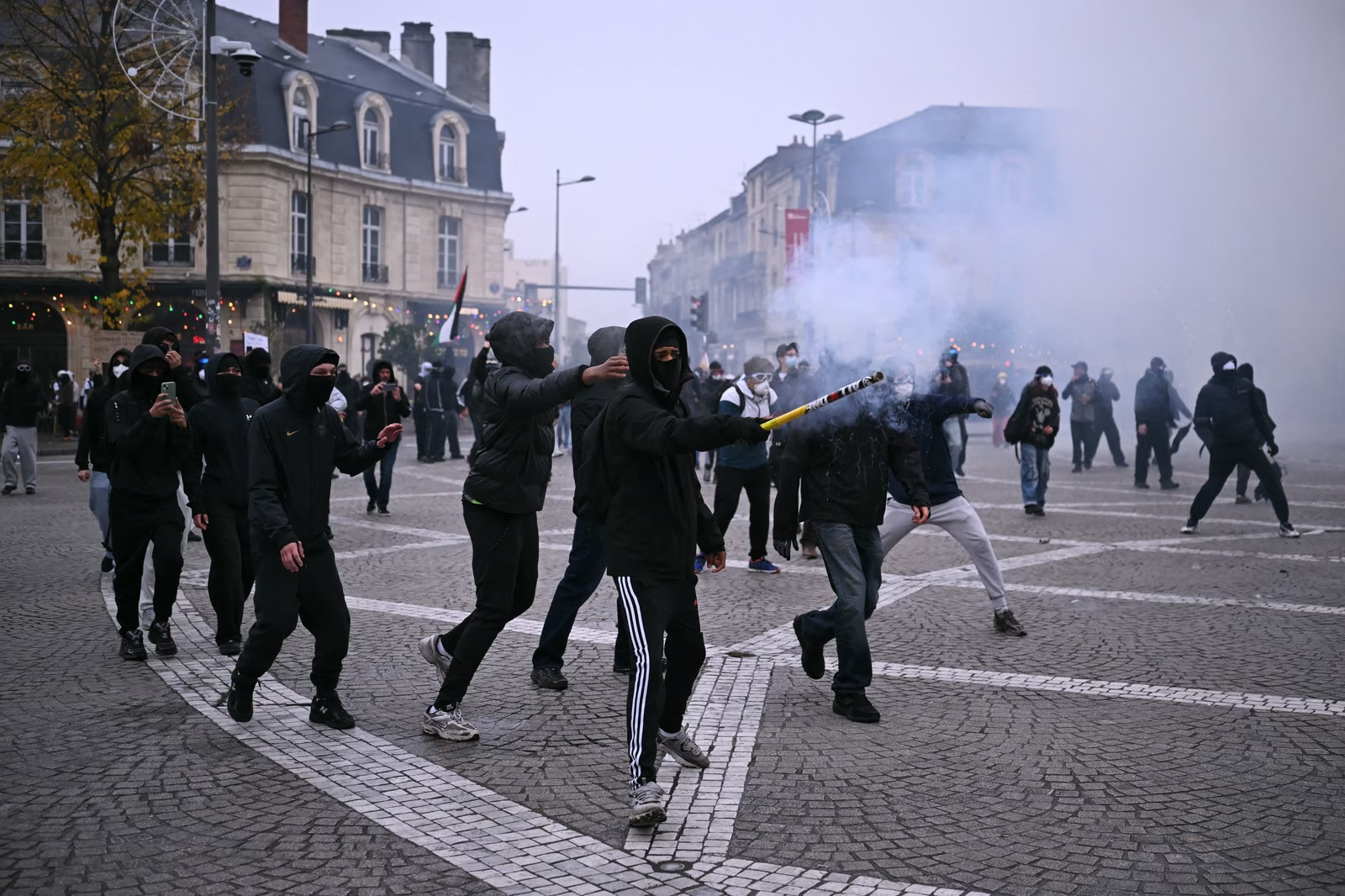
Fires at high schools, educators injured
Incidents at schools were behind the decision. In Val-d'Oise, near Paris, education workers, including a teacher and a school principal, were injured in early November by fireworks launched during student protests, while fires were started with fireworks at several high schools. The government had warned that those responsible for attacks targeting education personnel would face criminal penalties.
High school students have been protesting since September 17, demanding better educational conditions, more resources for schools and more teachers. The protests intensified again on November 4 with the support of unions that considered the government's commitments to education inadequate. AA reported that nearly 300 education workers were injured and 8,000 people were detained in roughly two months. On Saturday, marches were also held in many cities against the rising cost of living and police violence.
Names and addresses of 22 million people stolen
Another development occupying France's attention came from national postal operator La Poste. The group announced on Saturday evening that Maileva, a corporate document and online mail delivery platform operated by Docaposte, had been hit by a cyberattack in mid-September and that information belonging to 22 million people had been stolen. According to Franceinfo, the compromised data included recipients' first names, surnames and postal addresses; administrative information, such as some invoice amounts, was also leaked.
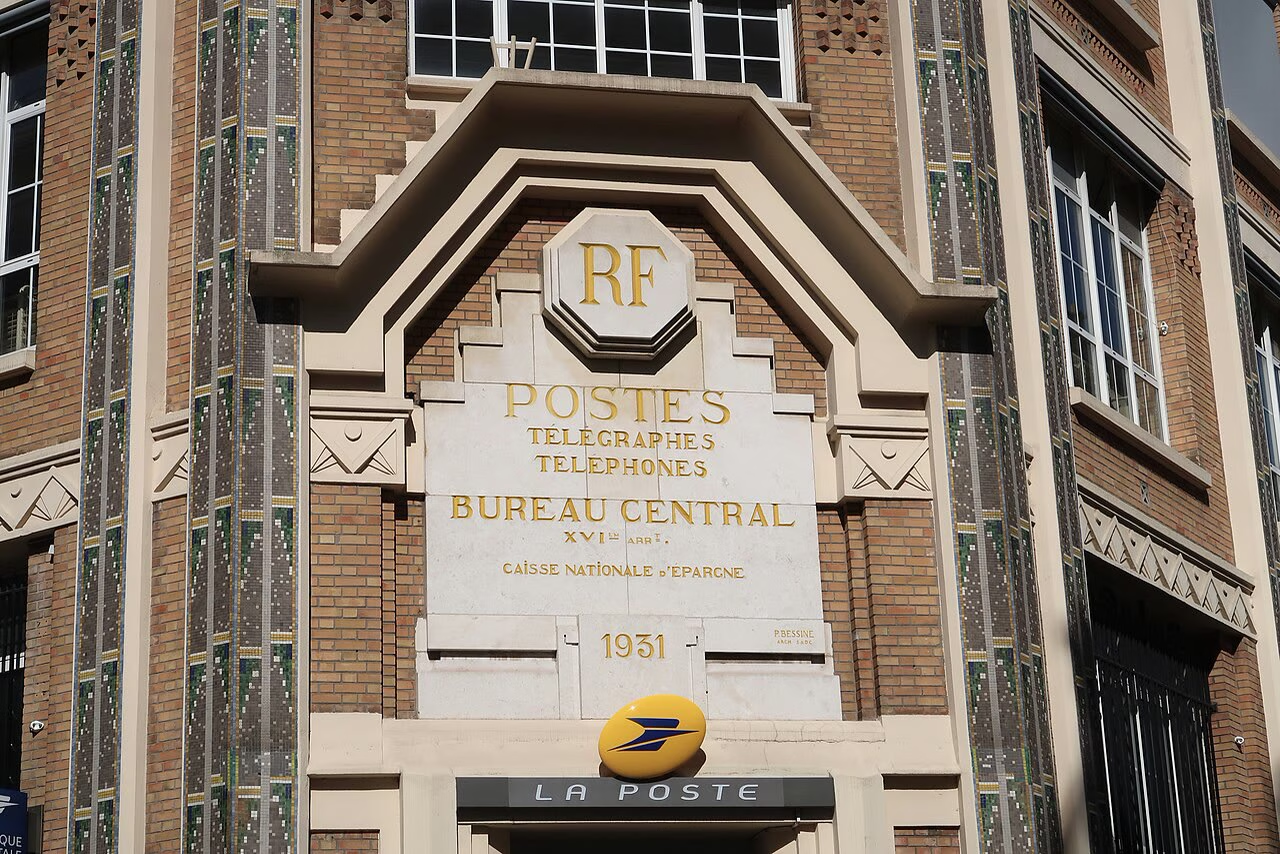
La Poste said it had reported the attack to France's data protection authority, the National Commission on Informatics and Liberty (CNIL), and filed a complaint. The Paris Public Prosecutor's Office assigned the investigation to its cybercrime unit. Maileva, which sends around 180 million documents a year, serves major companies as well as public institutions such as hospitals and social housing agencies. While bank details and email addresses were said not to have been affected by the leak, experts warned that the stolen addresses could be used in scams involving fraudulent correspondence.
France has experienced other cyberattacks in recent weeks. French bank Crédit Mutuel Arkéa was attacked at the beginning of the month, and cryptocurrency worth more than $133 million was stolen. In October, attacks targeting the refrigeration systems of hundreds of supermarkets caused food products to spoil, and France held Iran's Islamic Revolutionary Guard Corps responsible for those attacks.
Sources: AA, La Dépêche, Franceinfo, TRT Français. Photos: AA, AFP, Wikimedia Commons
Stay Updated with The Turkiye Times
Subscribe to be informed about special news, developments and announcements. We will keep you informed.
By signing up, you agree to our Privacy Policy