- BIST10011,843+1.51%
- USD50.28+0.05%
- EUR55.60-0.24%
- GOLD3,894.70+0.22%
- INTEREST36.00%-1.00
- BITCOIN64,954-0.55%
- November 16, 202611°
- BIST10011,843+1.51%
- USD50.28+0.05%
- EUR55.60-0.24%
- GOLD3,894.70+0.22%
- INTEREST36.00%-1.00
- BITCOIN64,954-0.55%
- November 16, 202611°
COP31 China Corner showcases Ding porcelain and plant-based dyeing
At an event held at the China Corner during COP31 in Antalya, artisans from Hebei province introduced visitors to handicrafts recognized as intangible cultural heritage, including plant-based dyeing and Ding porcelain carving.

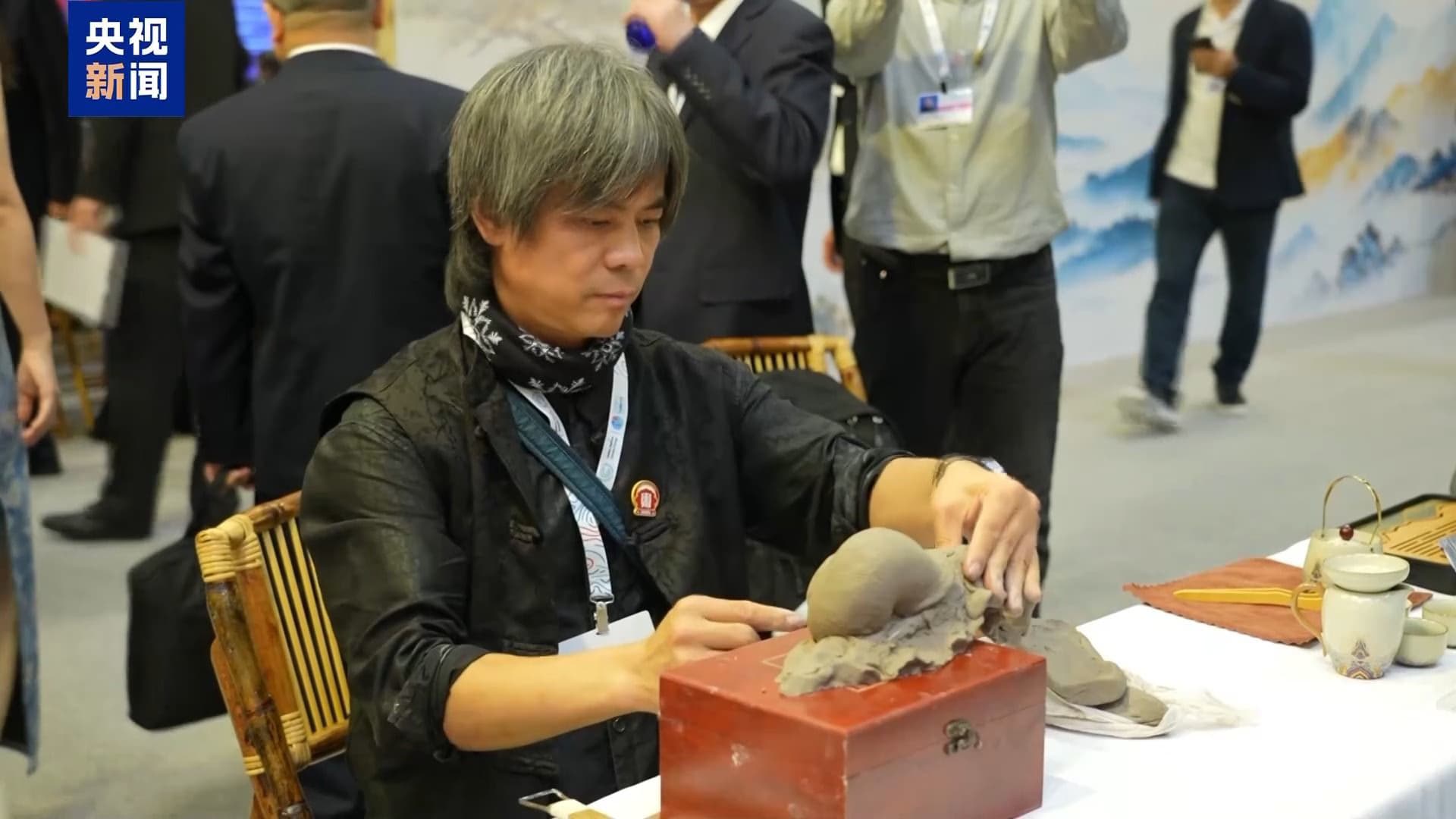
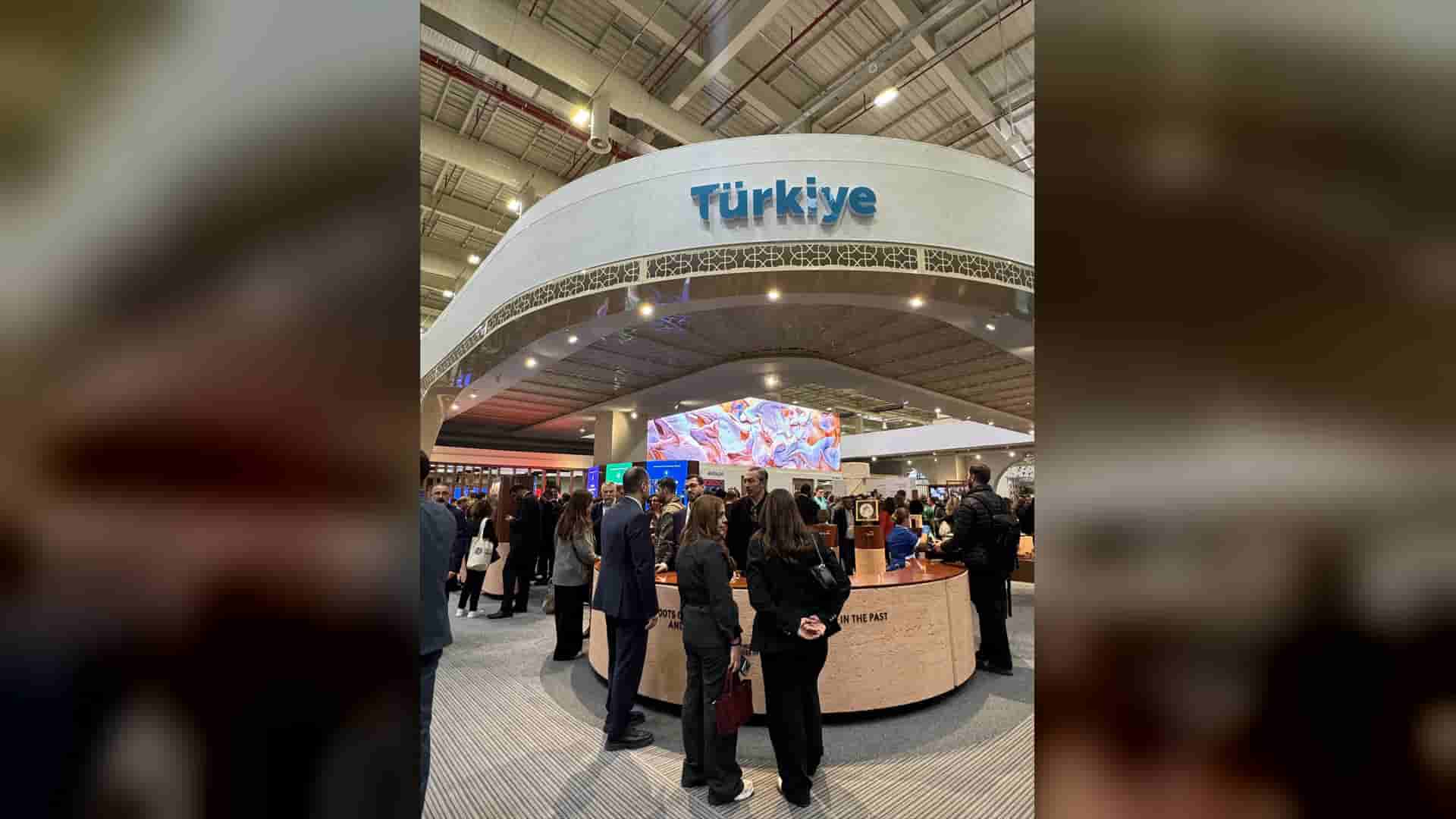
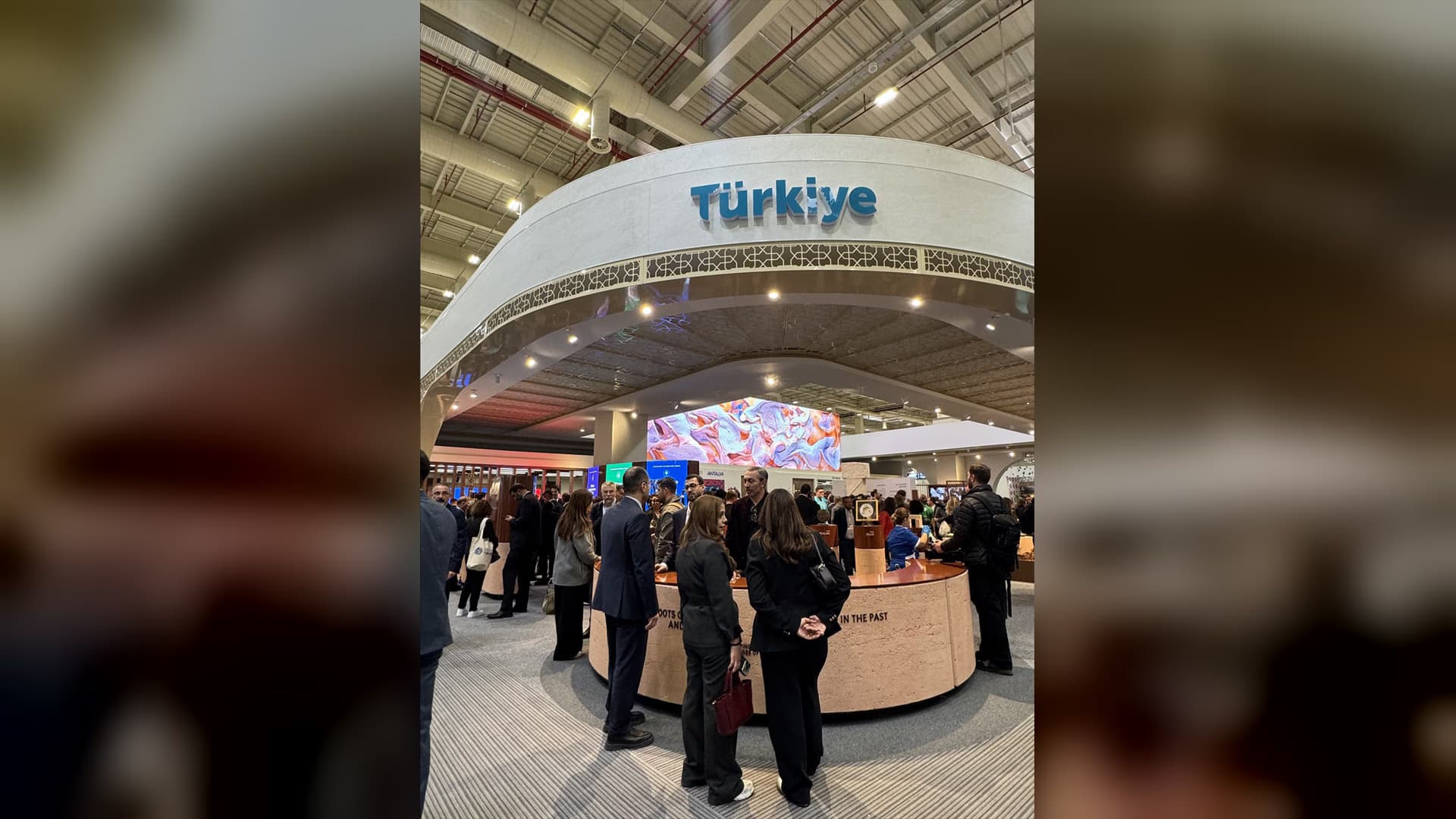
The China Corner hosted an event themed “Protecting the Ecological Environment and Rural Development” on November 13 during the UN Climate Change Conference (COP31), held in Antalya from November 9 to 20. The event featured handicrafts from China’s Hebei province that are recognized as intangible cultural heritage.
Artisans from Baoding, Hebei, demonstrated for visitors how fabrics are dyed with natural colors derived from plants and how designs are carved by hand onto porcelain before it is fired. The event presented efforts that combine the preservation of traditional cultural heritage, the green transformation of industry and the fight against climate change.
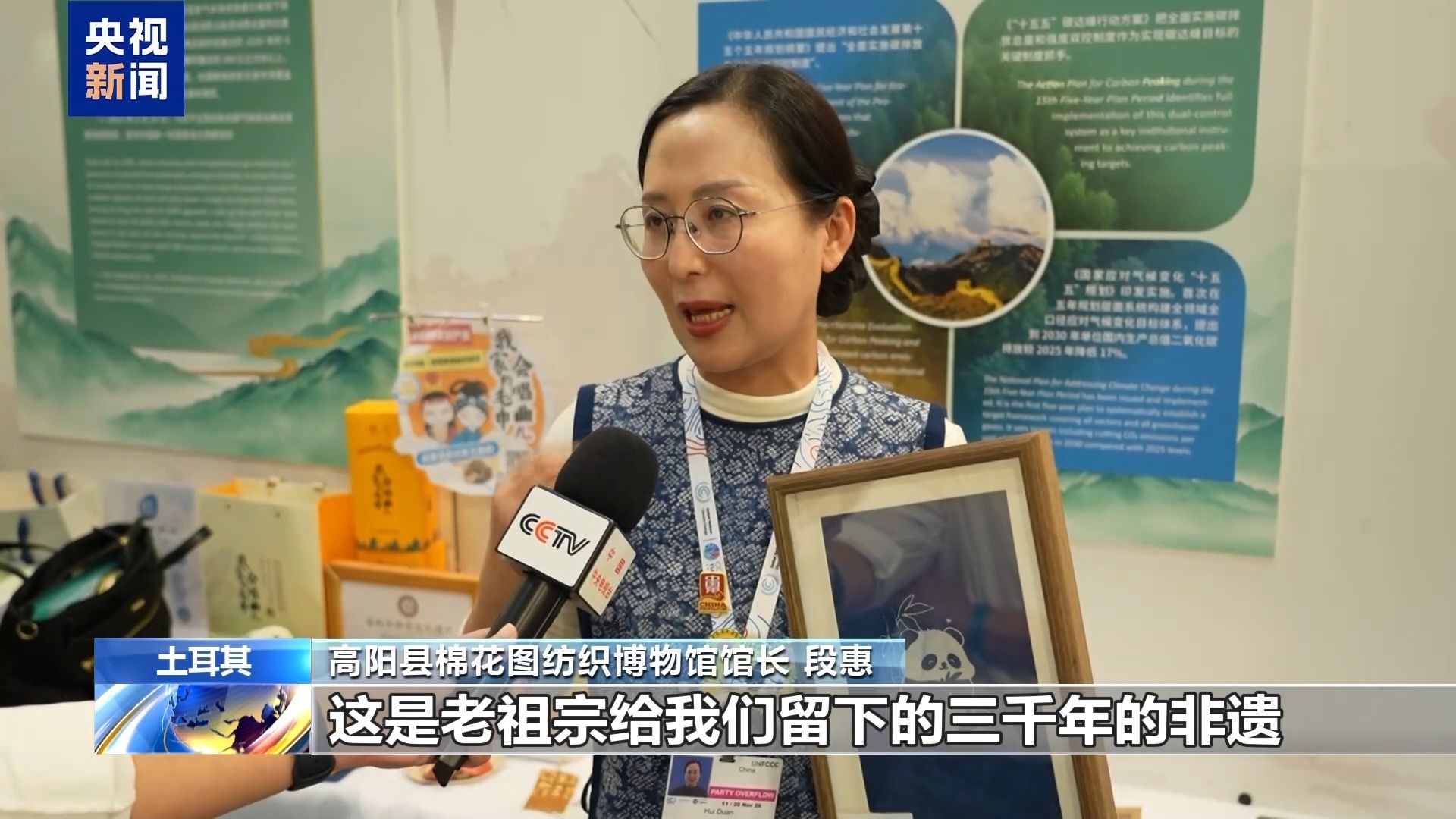
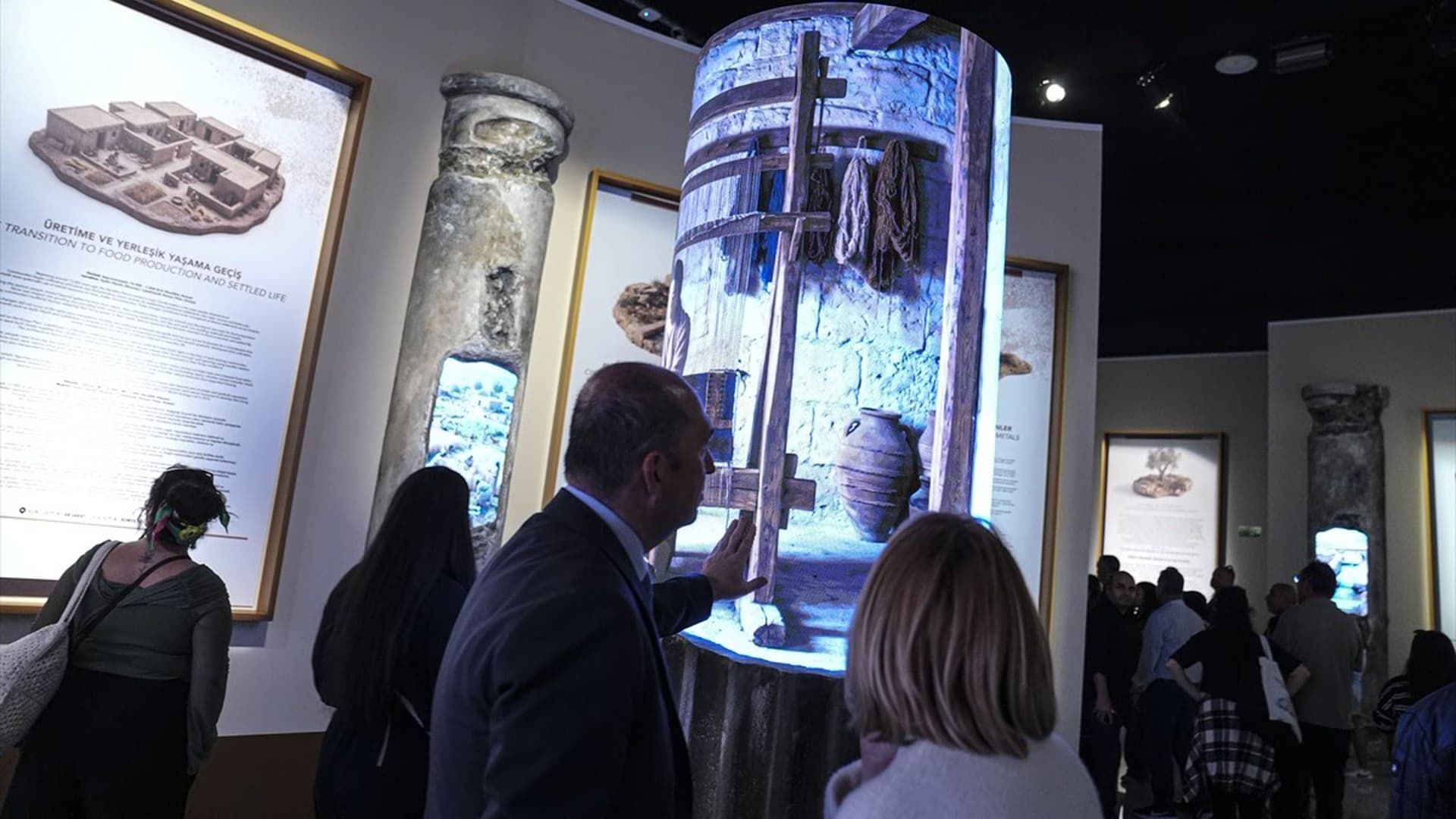
Duan Hui, director of the Gaoyang Cotton Weaving Museum, said plant-based dyeing dates back 3,000 years in written sources and 5,000 years according to archaeological findings. “This method enables recyclable, low-carbon production. The dyes are obtained from nature, and the plant waste left after the dyeing process can return to nature and biodegrade,” Duan said.
The event also introduced the production techniques of Ding porcelain, which is unique to Hebei’s Quyang area. The importance of preserving traditional techniques and reducing environmental impacts for green development was emphasized, with attention drawn to the significant energy and raw material consumption involved in ceramic production.
Chinese arts and crafts master Pang Yonghui said the porcelain they produce remains below European Union limits for the release of heavy metals such as lead and cadmium, while exceeding those standards in the hardness of its glazed surface. “For this reason, we do not need to use detergent when cleaning our porcelain. Rinsing it with warm water is sufficient,” he said.
A visitor examining the porcelain at the stand said they found the production process of the cups, made entirely by hand from clay, highly impressive, adding that the artisans also demonstrated the stages of production.
Stay Updated with The Turkiye Times
Subscribe to be informed about special news, developments and announcements. We will keep you informed.
By signing up, you agree to our Privacy Policy