- BIST10011,843+1.51%
- USD50.28+0.05%
- EUR55.60-0.24%
- GOLD3,894.70+0.22%
- INTEREST36.00%-1.00
- BITCOIN64,954-0.55%
- November 16, 202611°
- BIST10011,843+1.51%
- USD50.28+0.05%
- EUR55.60-0.24%
- GOLD3,894.70+0.22%
- INTEREST36.00%-1.00
- BITCOIN64,954-0.55%
- November 16, 202611°
Artem Martis's 31-ton glass sculpture reveals climate crisis's unseen side at COP31
Contemporary artist Artem Martis created a six-metre-high installation titled "What We Don't See" from 26 tons of industrial waste glass and 5 tons of stainless steel. Inspired by the submerged mass of an iceberg, the work rises at the COP31 venue.

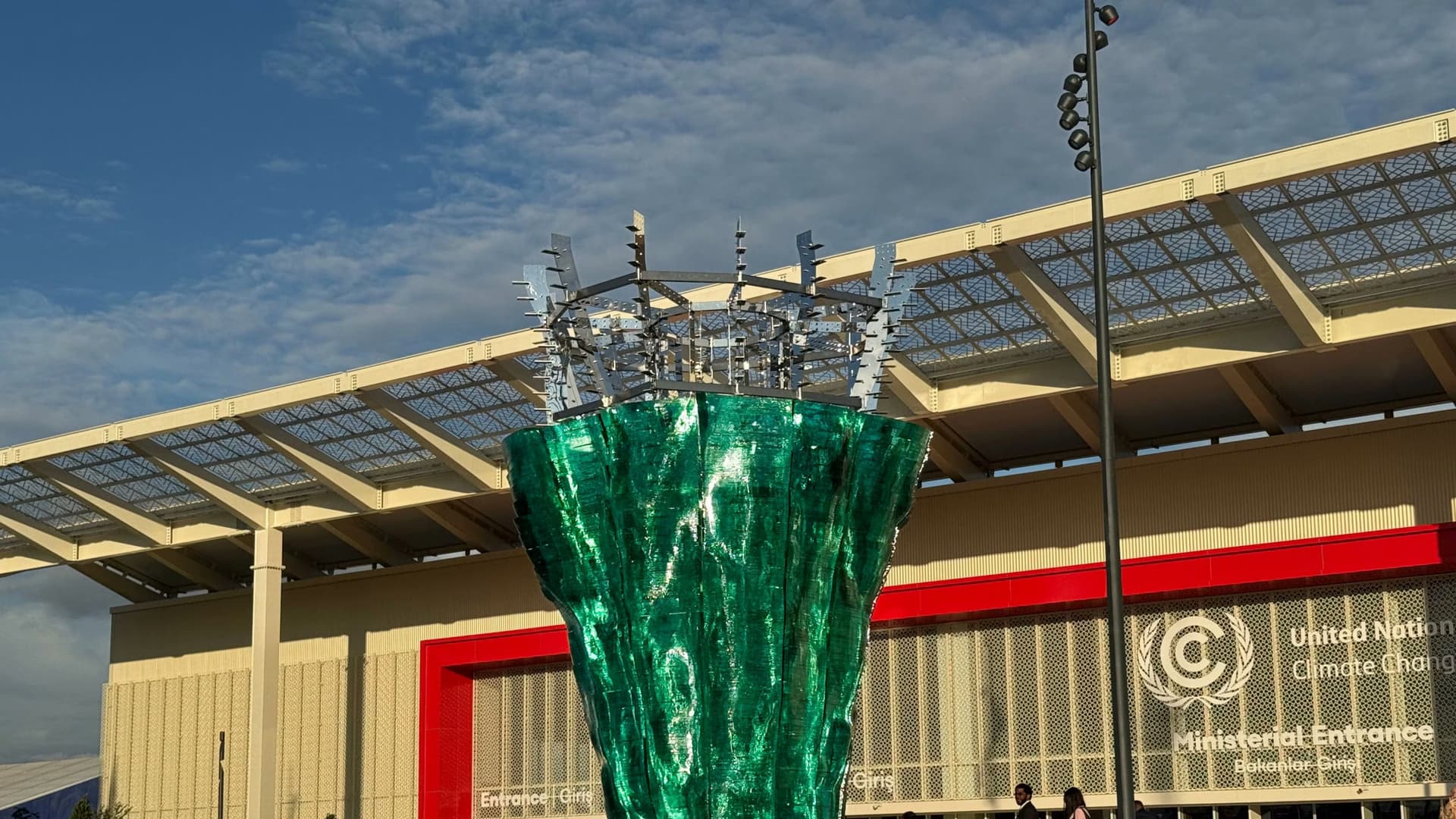
Contemporary artist Artem Martis has created a 31-ton glass sculpture to be displayed in Antalya for the 31st Conference of the Parties to the United Nations Framework Convention on Climate Change (COP31). The six-metre-high work, made from 26 tons of industrial waste glass and 5 tons of stainless steel, is titled "What We Don't See".
The work draws attention not only to the visible consequences of the climate crisis but also to its effects that remain in the background. Inspired by the large submerged mass of an iceberg, the sculpture invites viewers to question their accustomed perspective.
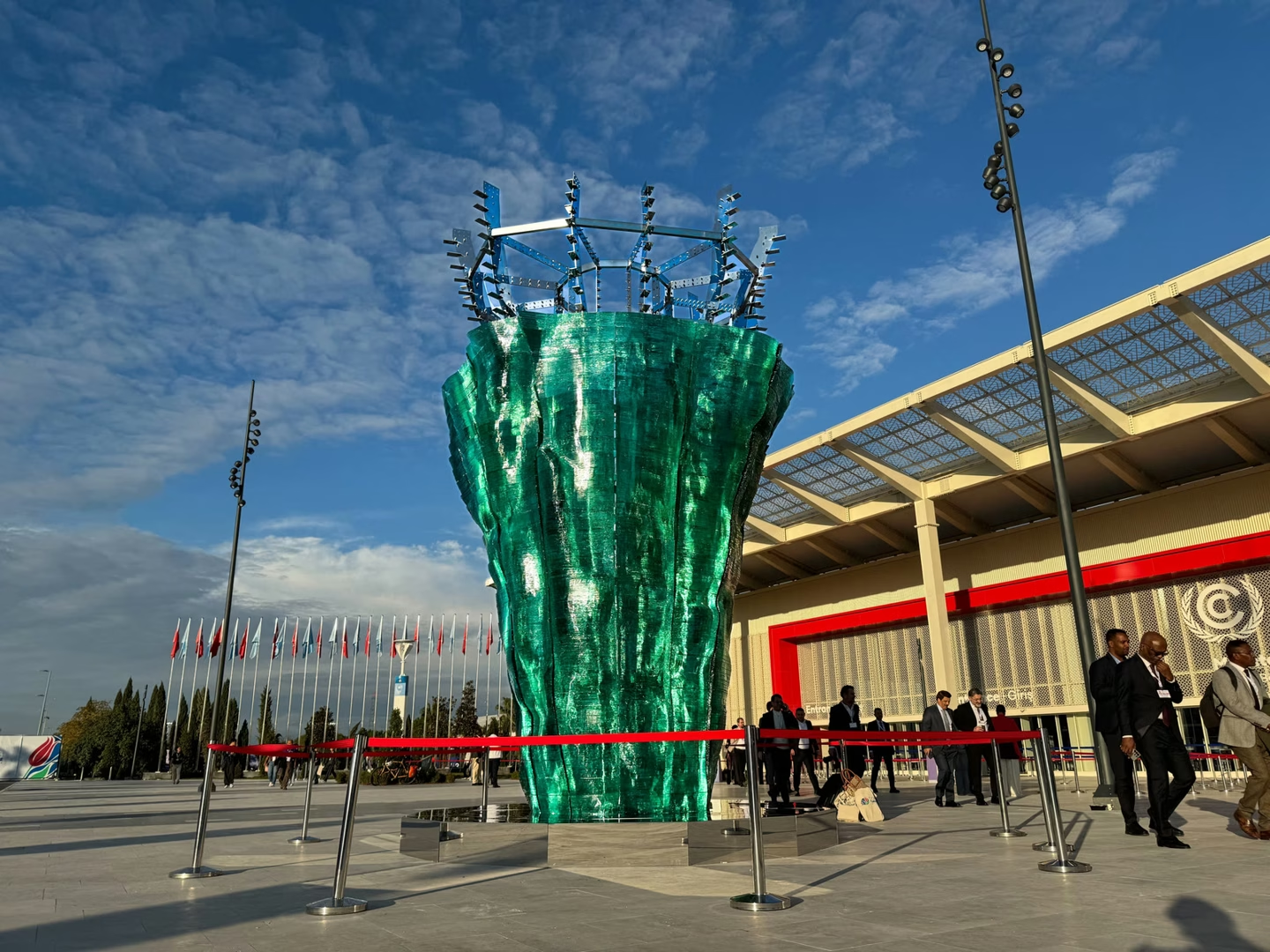
360 modules, thousands of glass pieces
The sculpture, approximately 5 metres in diameter, was created by repurposing industrial waste glass in line with the principles of upcycling. A special stainless-steel support system was designed to match the geometry of the inverted pyramid-shaped work, which represents the iceberg's expanding mass beneath the water. The steel structure was conceived as part of both the sculpture's engineering infrastructure and its conceptual narrative.
The six-metre-high glass surface consists of 360 independent modular blocks, each weighing an average of 70 to 80 kilograms. Formed by bringing together thousands of glass pieces in layers, the surface interacts with daylight to create changing reflections and depths throughout the day.
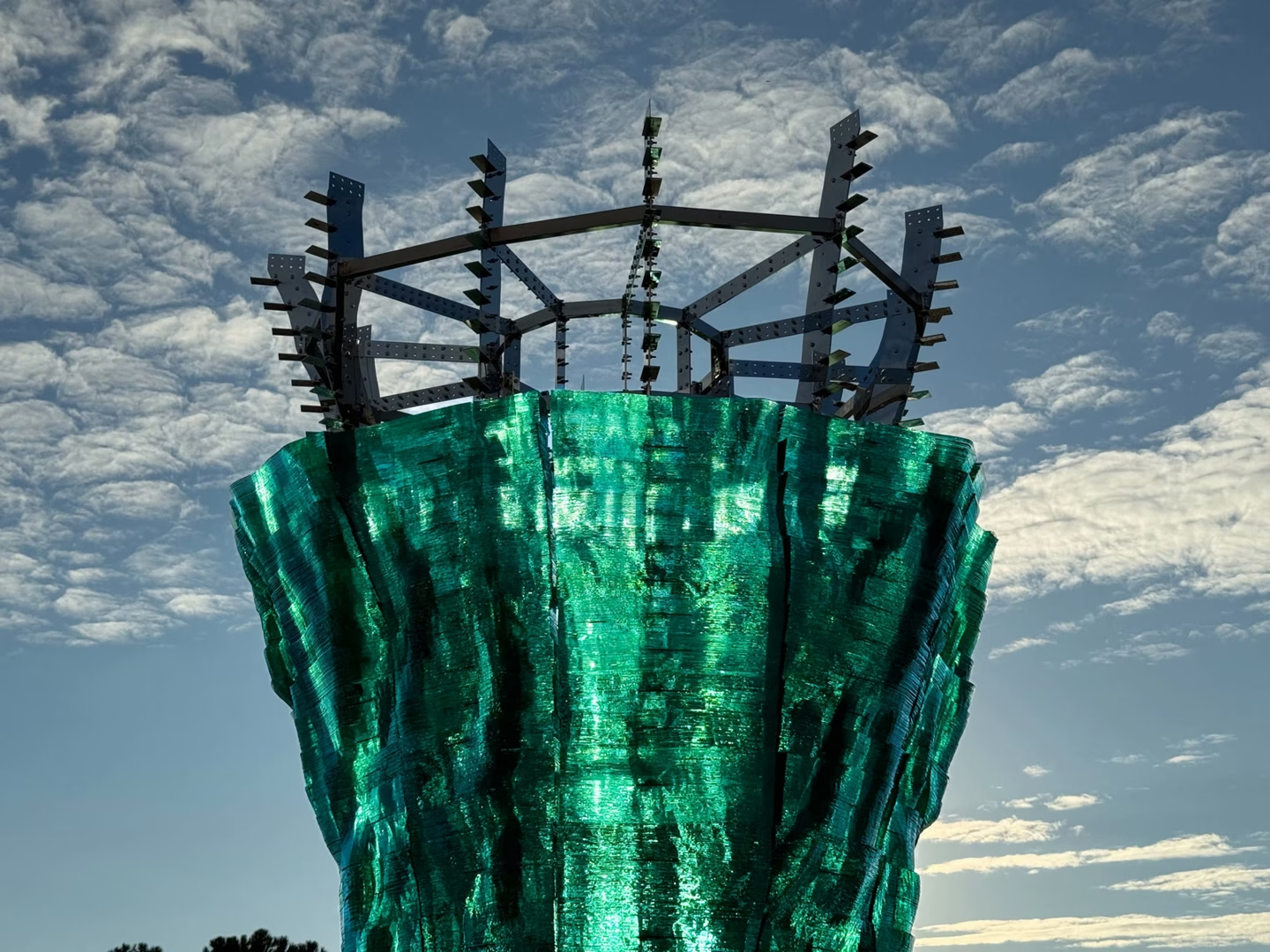
Can be dismantled and installed elsewhere
Designed with a sustainability-focused approach, both the work's glass shell and steel support system were prepared so they can be dismantled and reassembled in different venues. This leaves open the possibility of exhibiting the sculpture at other locations after COP31.
Martis is known for his work transforming waste glass into sculptures through upcycling. The artist's work created for COP31 is attracting interest from delegates and visitors arriving at the conference venue.
Source: AA. Photos: AA
Stay Updated with The Turkiye Times
Subscribe to be informed about special news, developments and announcements. We will keep you informed.
By signing up, you agree to our Privacy Policy