- BIST10011,326-1.33%
- USD50.05+0.05%
- EUR56.25-0.01%
- GOLD4,081.50-0.78%
- INTEREST36.00%-1.00
- BITCOIN75,583-0.53%
- November 6, 202612°
- BIST10011,326-1.33%
- USD50.05+0.05%
- EUR56.25-0.01%
- GOLD4,081.50-0.78%
- INTEREST36.00%-1.00
- BITCOIN75,583-0.53%
- November 6, 202612°
France rocked by strike as Lyon car burns, police use water cannon
Hundreds of thousands took to the streets across France during a general strike called by trade unions. The Interior Ministry put the number of demonstrators at 600,000, while the CGT said 1.6 million people participated. In Lyon, police used water cannon and tear gas against protesters, while high school students blockaded schools in several cities.


Hundreds of thousands of people took to the streets across France during a general strike called by Intersyndicale, the joint platform of trade unions. Workers, pensioners, teachers, university students and high school students joined the demonstrations, demanding higher wages, stronger public services and more funding for education.
France's Interior Ministry said approximately 600,000 people had joined demonstrations nationwide, including in Paris, as of 5 p.m. local time. The General Confederation of Labour (CGT), one of the strike's main organisers, said around 1.6 million people had participated, including 350,000 in Paris.
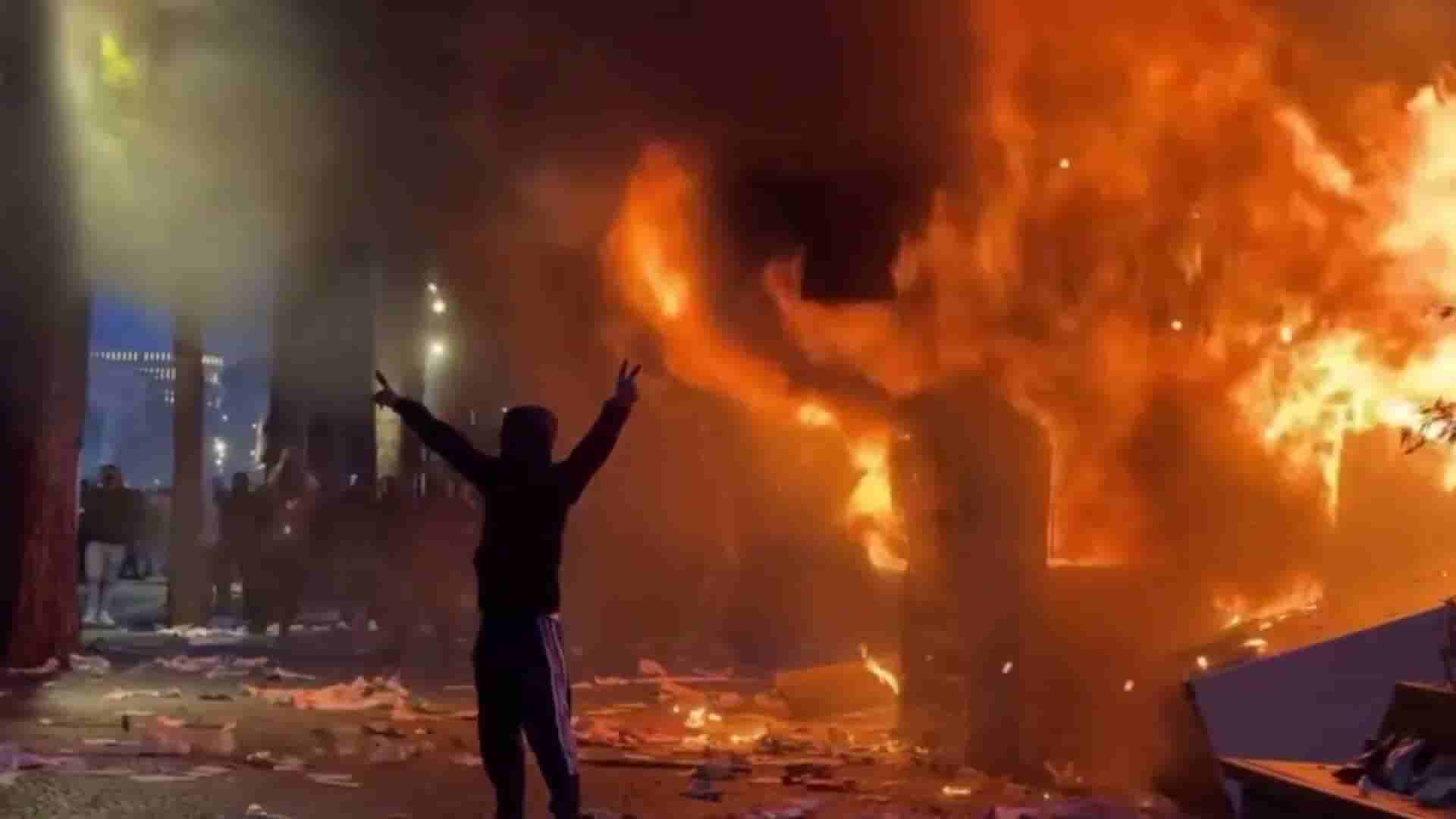
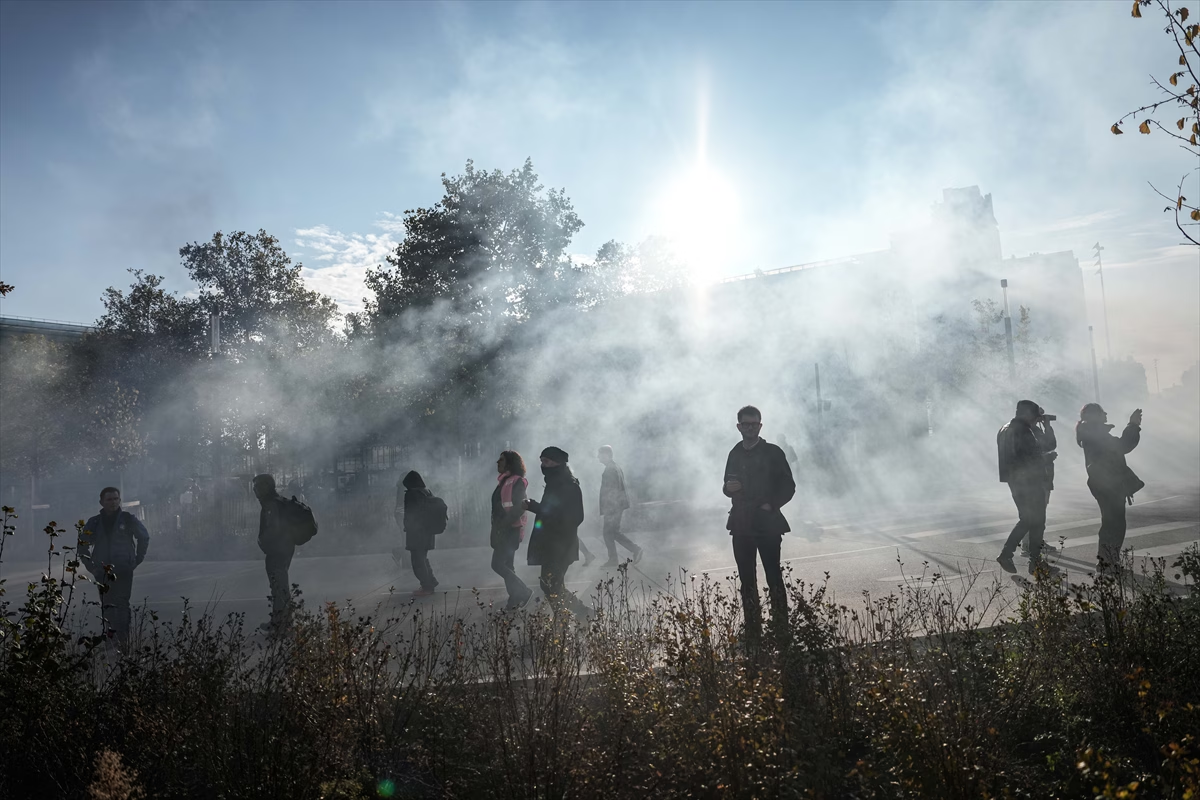
Video shows police using water cannon and tear gas to disperse demonstrators in Lyon. The Interior Ministry said security forces in Lyon had confronted a radical group of several hundred people and that the violence had been brought under control, although tensions continued. Some masked groups dressed in black were seen chanting slogans against police in the city.
High school students blockade schools
The strike coincided with blockades by high school and university students that had continued for weeks. Entrances to Panthéon-Assas University and Victor Hugo, Sophie Germain, Claude Monet, Hélène Boucher and Simone Weil high schools were closed in Paris. Police used tear gas outside Honoré de Balzac High School and struck students with batons on Rue de Rivoli.
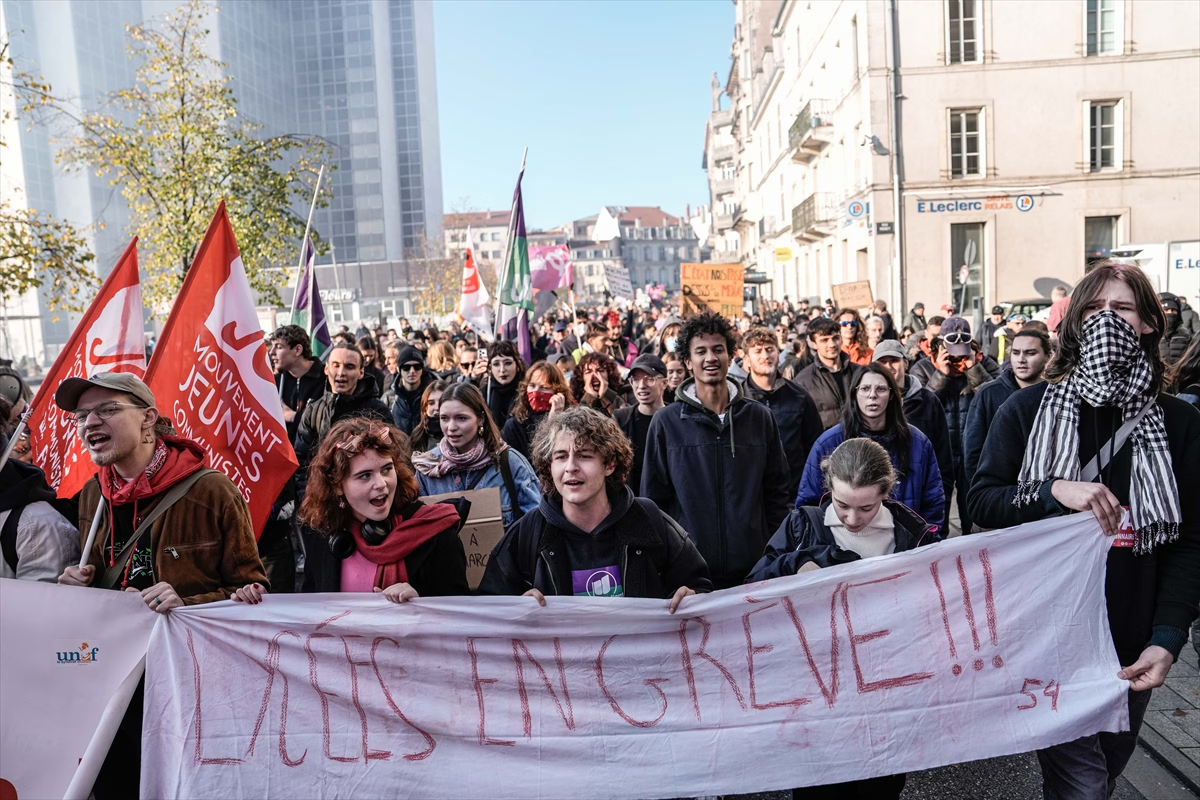
A fire broke out at a high school in Tournefeuille, near Toulouse, after fireworks were thrown at the building, prompting the evacuation of students and staff. The Interior Ministry said the school's student affairs office was destroyed by fire. Education Minister Edouard Geffray said in a social media post: "These criminal acts are an absolute scandal."
The ministry said violent incidents occurred near high schools in Rennes, Toulouse, Bordeaux, Strasbourg and Paris, while metal pétanque balls were thrown at police in Rennes and various objects were thrown in Pau and Orléans. "Demonstrating is a right, but endangering others and damaging property is unacceptable," the ministry said in a post. The Union of High School Unions claimed that more than 1,000 high schools had been blockaded or closed, while the Education Ministry put the figure at 81.
Footage shows a vehicle set on fire during protests in Lyon engulfed in flames. Rubbish containers were also set alight in the city, while clashes between police and protesters continued intermittently throughout the day. Camille Jullian and Montaigne high schools were blockaded in Bordeaux, while Sciences Po was blockaded in Toulouse. Protests also disrupted education in Lille and Strasbourg.
70,000 police officers and gendarmes deployed
Interior Minister Laurent Nuñez said at a news conference before the strike that more than 220 demonstrations were expected nationwide and that 70,000 police officers and gendarmes would be deployed with the support of armoured vehicles, drones and helicopters. President Emmanuel Macron also convened a defence and security meeting one day before the demonstrations.
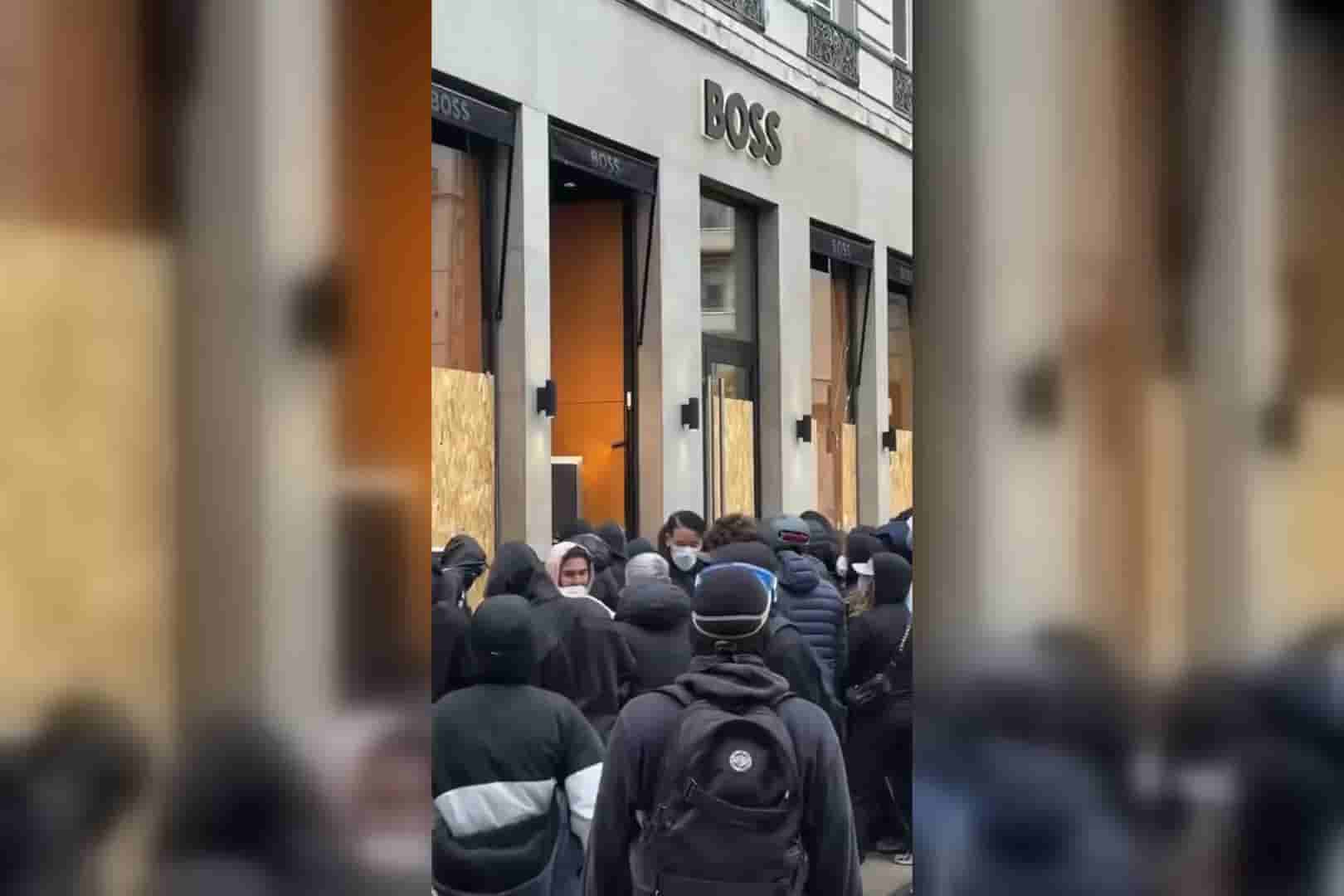
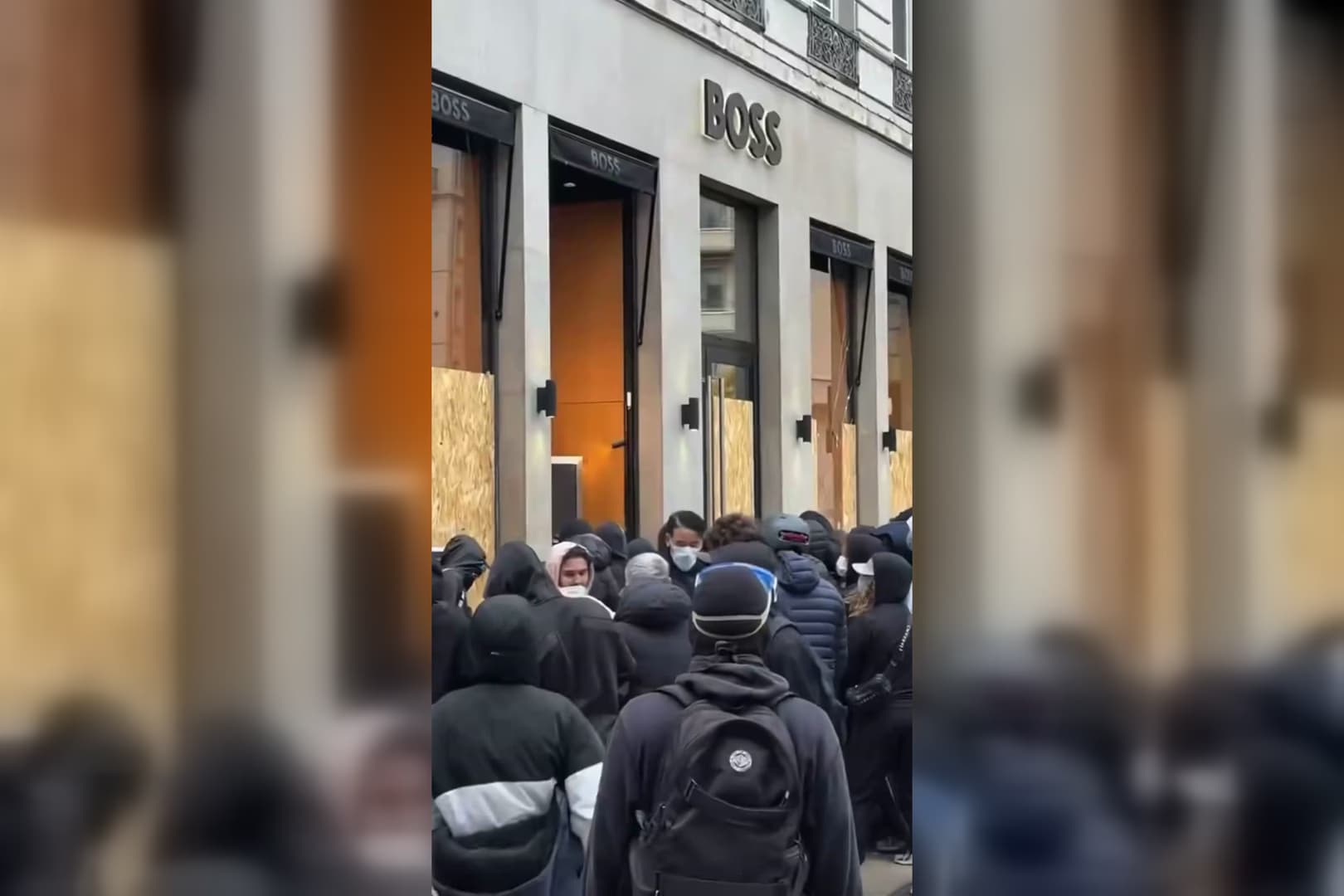
Video shows helicopters belonging to Paris police conducting patrol flights over the city during the protests to guard against possible incidents and looting attempts. A Paris court had approved the route proposed by the police prefecture between Place de la République and Place de la Nation. The Eiffel Tower was also closed to visitors because of the strike.
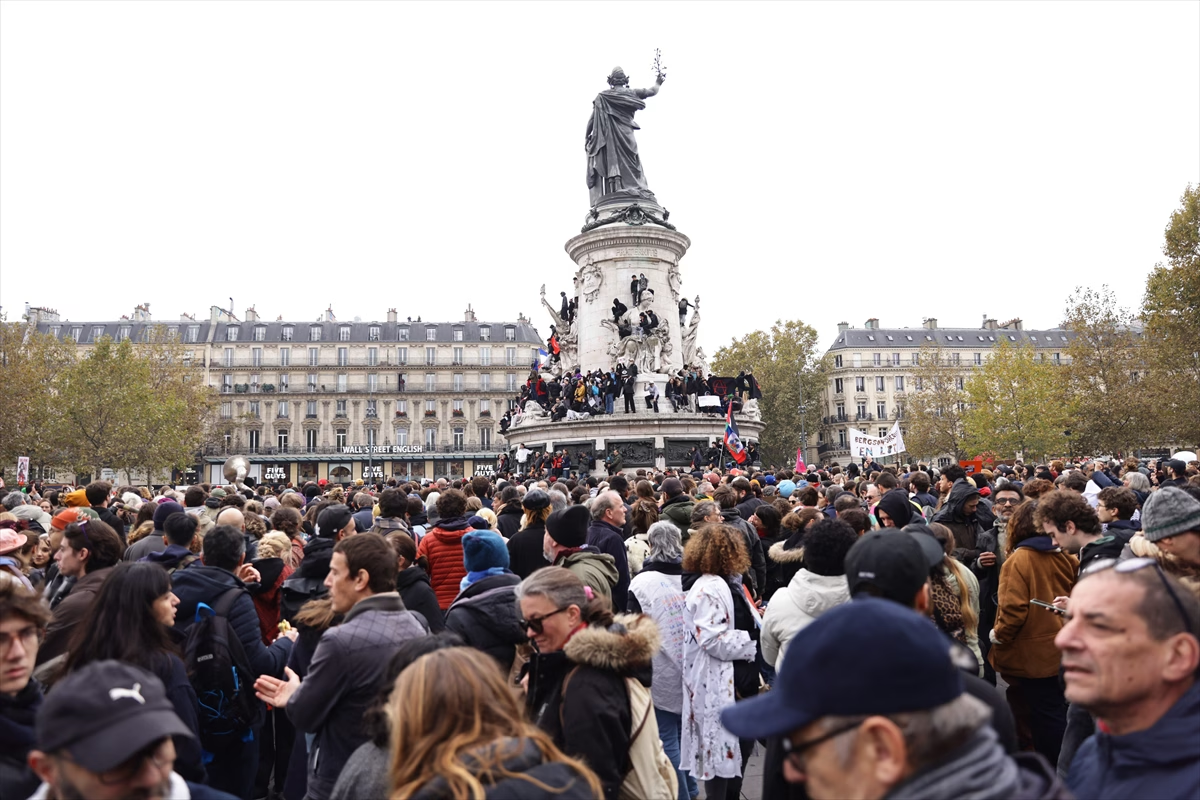
The main march in Paris began in the afternoon from Place de la République. The march initially featured songs and colourful displays, but about two hours later some groups at the front of the procession clashed with police, who used tear gas. In the morning, high school students had also blocked some streets with rubbish containers.
CGT: Nothing can stop us
CGT Secretary-General Sophie Binet told reporters before the Paris march: "The government tried to prevent the demonstrations, but the demonstrations are bigger than ever." Binet added: "Our message is this: Nothing can stop us. The only thing that will end the protests is an answer to our demands. The longer you wait, the heavier the cost will be."
In a joint statement, the unions said: "The price of everything except wages and pensions is rising. The anger is immense." The Education Ministry said 17.5% of teachers at state primary schools were expected to join the strike. The strike also reduced electricity production at nuclear power plants.
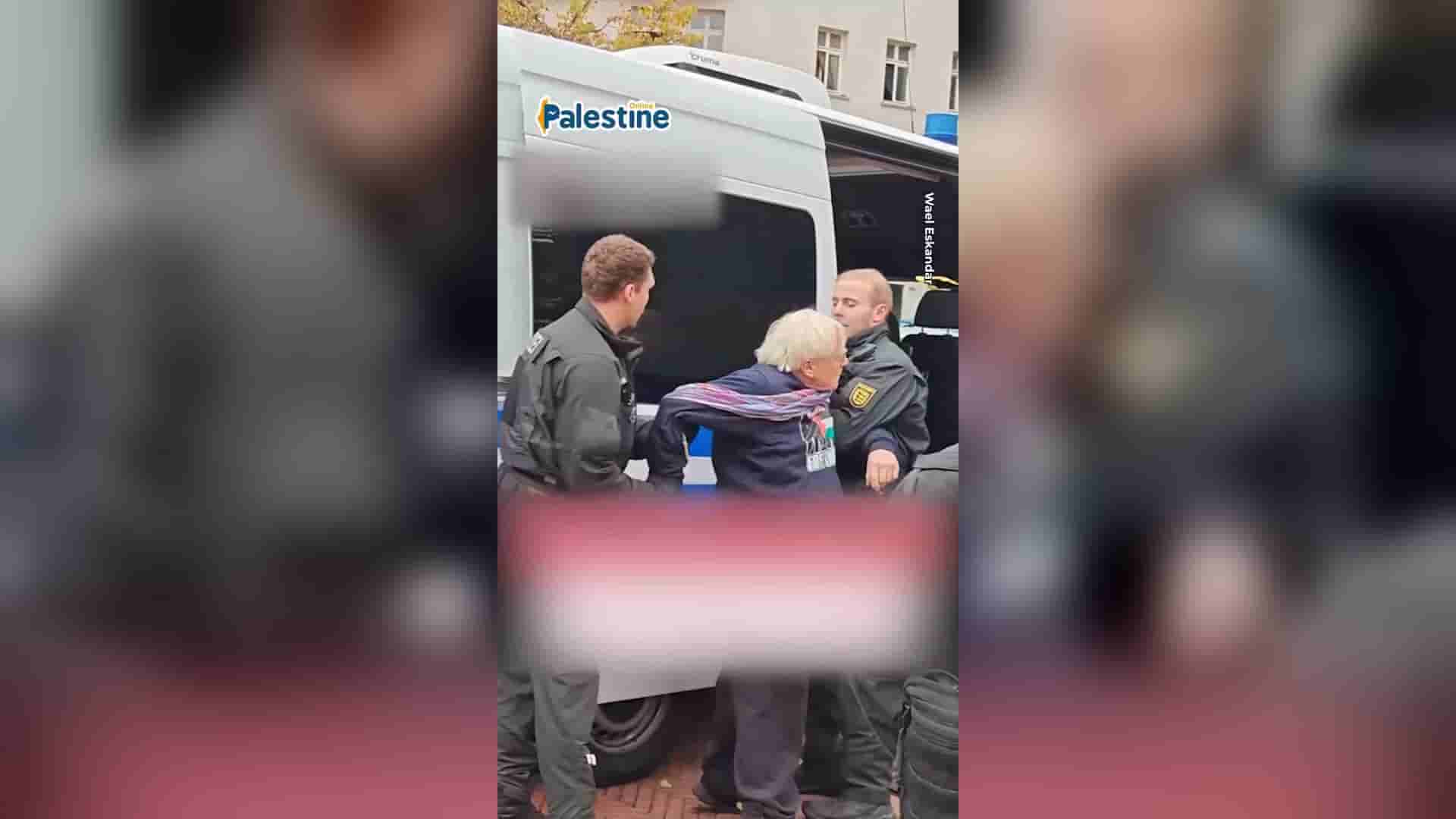
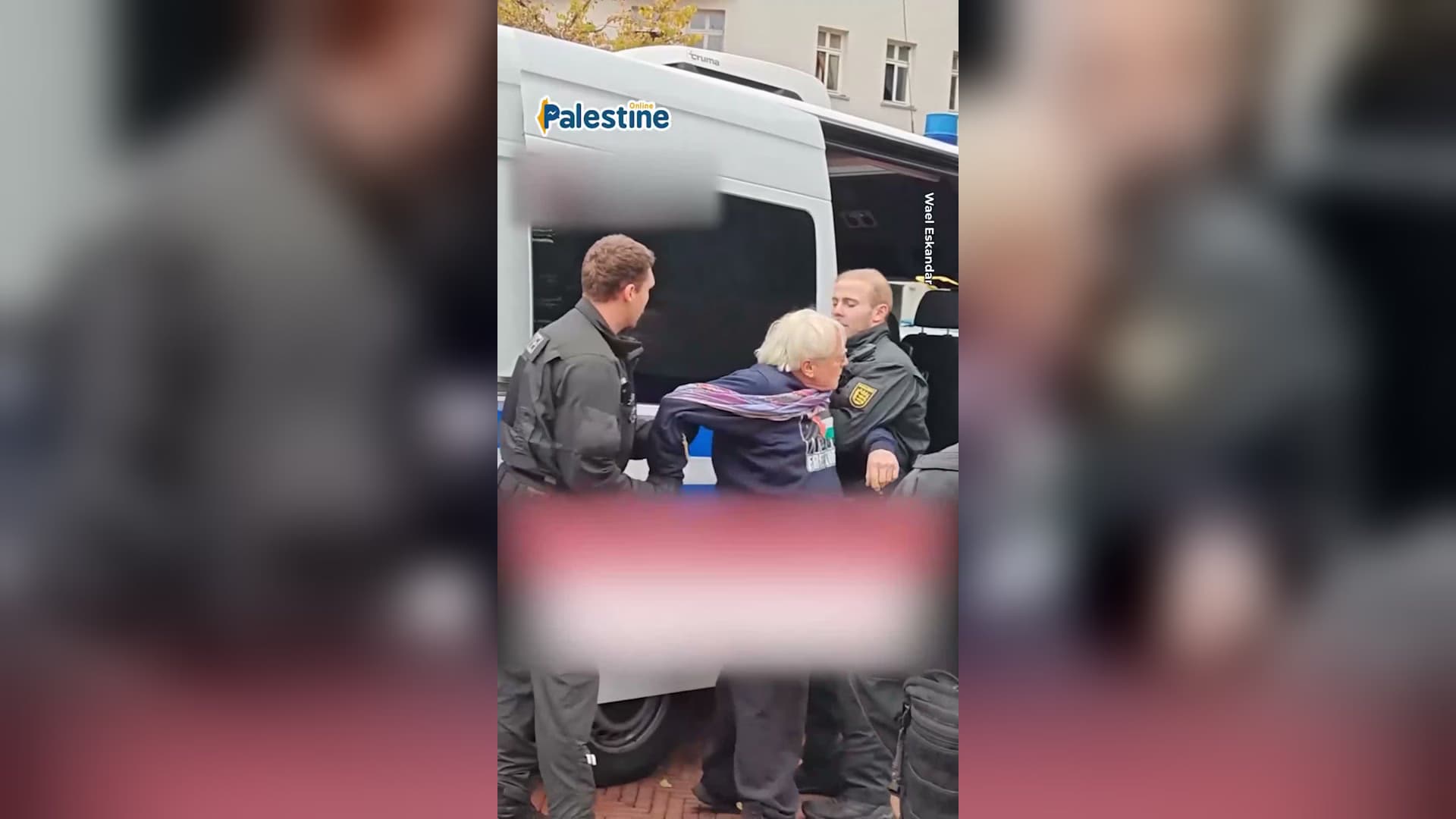
Video shows police pinning some protesters to the ground and advancing on demonstrators with shields during the forceful intervention. The French government defended police tactics and said any possible violations would be investigated. Nearly 8,000 people have been detained over approximately a month and a half since September 17, when protests over education conditions began.
Government announces education measures
The government also announced several measures addressing students' demands before the strike. Minister Geffray said the planned abolition of 836 positions in state secondary schools had been abandoned and that 500 new teaching positions would be created in high schools. Geffray said that from the 2027 academic year, class sizes would be limited to 28 students in half of the high schools in the most disadvantaged areas, with the measure extended to all high schools from 2028. Prime Minister Sebastien Lecornu allocated approximately $4.4 billion to local authorities for school repairs.
The demonstrations also resonated in the political arena. Marine Le Pen, leader of the far-right National Rally party, wrote on X: "The social crisis must find political answers, and we will provide them." Raphaël Glucksmann, the presidential candidate of the centre-left Place Publique party who joined the Paris march, said: "This country needs justice. We will bring the French people together again and rebuild public services." Jean-Luc Mélenchon, leader of La France Insoumise, also joined the march.
A short video shows protesters in Lyon throwing paint at police officers. Student protests that began at a high school in Créteil, a suburb of Paris, over staff shortages soon spread nationwide and developed into a broader movement over the cost of living and public services. The protests also intensified criticism of President Macron's administration following looting and disorder on October 17. Macron cannot run for president again in the presidential election to be held in five months.
Videos: ConflictTR / X. Photos: Anadolu Agency
Stay Updated with The Turkiye Times
Subscribe to be informed about special news, developments and announcements. We will keep you informed.
By signing up, you agree to our Privacy Policy