- BIST10011,843+1.51%
- USD50.28+0.05%
- EUR55.60-0.24%
- GOLD3,888.90+0.07%
- INTEREST36.00%-1.00
- BITCOIN64,771-0.83%
- November 16, 202611°
- BIST10011,843+1.51%
- USD50.28+0.05%
- EUR55.60-0.24%
- GOLD3,888.90+0.07%
- INTEREST36.00%-1.00
- BITCOIN64,771-0.83%
- November 16, 202611°
France asks Germany to clarify its long-range missile doctrine toward Russia
The Financial Times reports that Paris wants Germany to explain how it would use missiles capable of striking deep inside Russia. French officials fear that an unclear doctrine could unintentionally push a conventional conflict across the nuclear threshold.

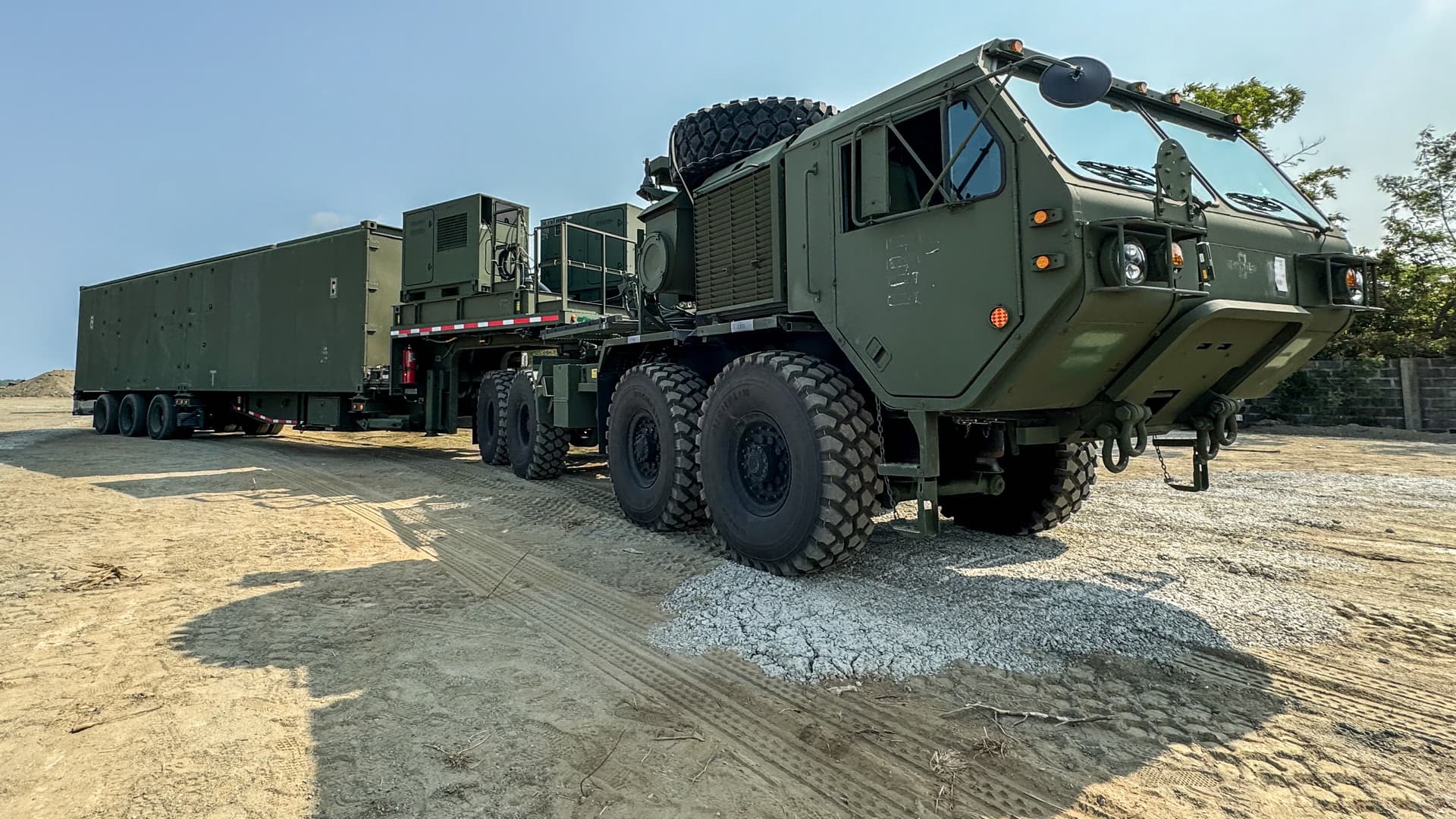
The Financial Times (FT) reports that France is pressing Germany to clarify how it would use long-range missiles in a potential conflict with Russia. Paris has begun talks with German officials to align Berlin’s doctrine for using long-range weapons with France’s nuclear strategy.
According to the FT, which cited six people familiar with the talks, the French side’s main concern is that Moscow could interpret a European ally’s strike on a target in Russia using conventional weapons as the beginning of a broader attack. “If the Russians do not read the signal correctly, you can reach the nuclear threshold without realizing it,” a French official said.
Paris fears being held responsible for allies’ attacks
France fears that Moscow could hold Paris responsible for attacks by its European allies because of President Emmanuel Macron’s approach of “forward deterrence,” the report said. An official familiar with the talks used the analogy: “If you invite someone into your home and they set the house on fire, you are responsible.” Another source said France had gradually developed a nuclear “grammar and dictionary,” while Germany did not have one.
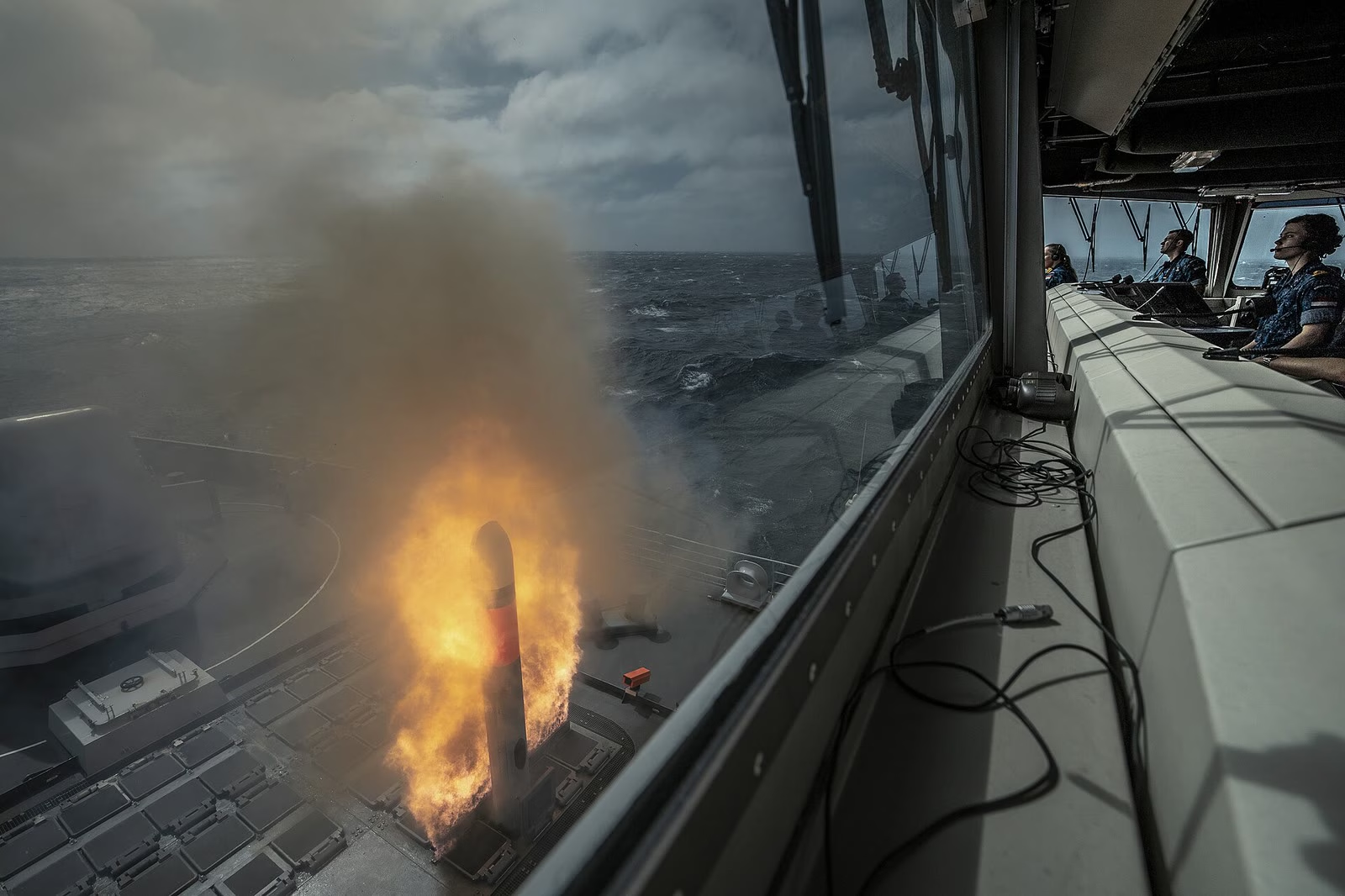
Germany plans to invest approximately €12 billion in a new long-range weapons arsenal aimed at deterring Russia, according to the Kyiv Post. About €3.4 billion of the package is allocated to US-made Tomahawk cruise missiles and Typhon mobile launch systems. Germany is also working with the United Kingdom on the Deep Precision Strike (DPS) programme, which aims to develop a missile with a range of 2,000 kilometres.
German official: We could not agree more on the need for a common doctrine
A senior German official who spoke to the FT said European capitals “could not agree more” that they needed “a common doctrine and a common understanding of the escalation ladder.” The official said the talks had been delayed by debates over France’s nuclear strategy but had now gained momentum, adding: “This is not something the French wanted and we resisted.”
A British official said the concerns might be overstated at this stage and that Germany’s strategic culture was changing very rapidly. Germany’s five-year defence budget through 2030 amounts to €780 billion, according to The Independent.
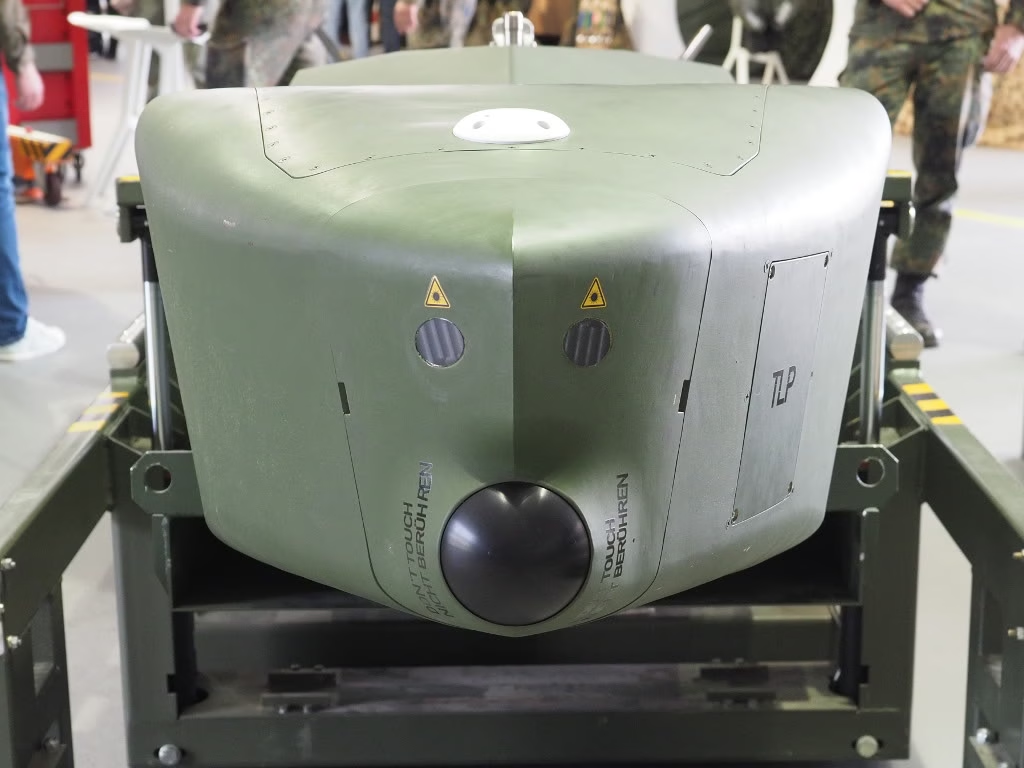
The increase in Germany’s missile capabilities has also revived the debate over supplying Taurus cruise missiles to Ukraine. Ukrainian President Volodymyr Zelenskyy reiterated his request in an interview with ZDF on November 5, while Berlin has so far refused to send the missiles over escalation concerns.
Cover: Typhon missile launch system (US Army). Photos: Wikimedia Commons (archive). Sources: Financial Times, The Independent, Kyiv Post, Meduza.
Stay Updated with The Turkiye Times
Subscribe to be informed about special news, developments and announcements. We will keep you informed.
By signing up, you agree to our Privacy Policy