- BIST10010,760-3.64%
- USD49.79+0.05%
- EUR55.52-0.41%
- GOLD3,891.20-3.48%
- INTEREST36.00%-1.00
- BITCOIN76,727-1.37%
- October 30, 202614°
- BIST10010,760-3.64%
- USD49.79+0.05%
- EUR55.52-0.41%
- GOLD3,891.20-3.48%
- INTEREST36.00%-1.00
- BITCOIN76,727-1.37%
- October 30, 202614°
Google's AI satellite answers Earth command with a haiku
Google's first satellite launched under Project Suncatcher, which aims to build AI data centers in space, answered a command from Earth with a short poem. The company plans to launch two more satellites in 2027.
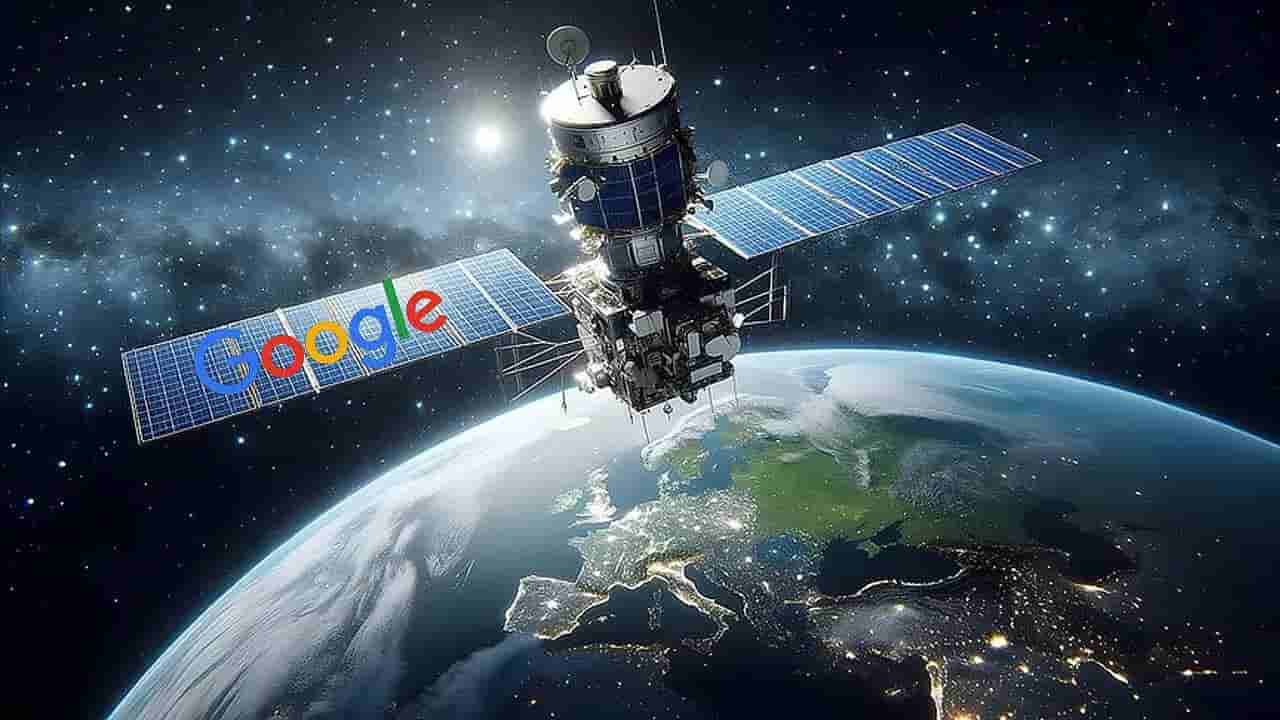
Google has taken its first major step in Project Suncatcher, an initiative aimed at building AI data centers in space. The prototype satellite in orbit processed a command sent from Earth and responded with a haiku, a Japanese form of poetry. Google CEO Sundar Pichai announced the development as the project's "hello world" moment.
Engineers sent a command to the satellite, activated its onboard AI processor and asked it to write a haiku about being in space. The response generated by the satellite's Gemma model reached Earth as the satellite passed over Norway's Svalbard archipelago.
A poem from orbit
The poem sent from orbit by the AI reads: "Blue marble below, / Data flowing with quiet grace, / Starlight feeds my core." In subsequent tests, the team also requested humorous space-themed poems and telemetry data about the satellite's systems.
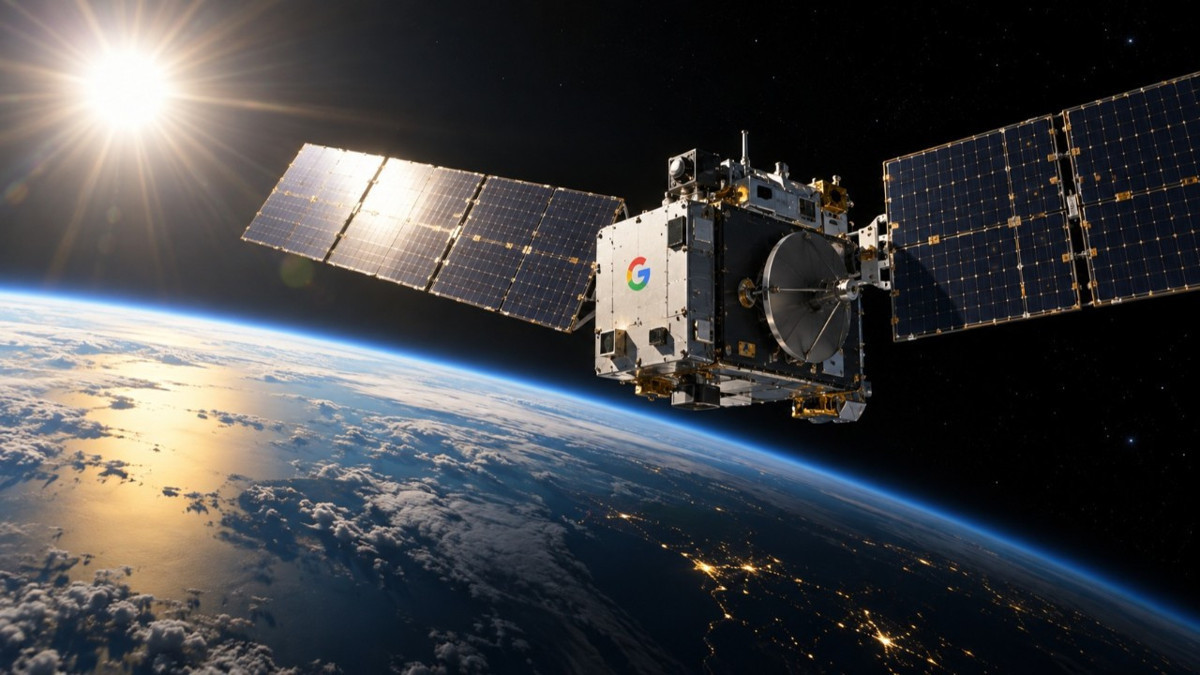
Developed in partnership with Planet, the satellite was launched into orbit on Oct. 1 from Vandenberg Space Force Base in California aboard SpaceX's Transporter-18 mission. It carries four tensor processing units (TPUs) from Google's Trillium generation.
Goal: Solar-powered data centers
Project Suncatcher aims to move AI computing into space using constellations of solar-powered satellites linked to one another by laser. Google emphasizes that the Sun emits roughly 100 trillion times as much energy as humanity's total electricity production, while satellites in sun-synchronous orbit could benefit from nearly continuous sunlight.
The current prototype is testing whether the processors can withstand launch, radiation and the challenges of cooling in space; for now, the processors can operate only at short intervals. Google plans to launch two more satellites in 2027 to test high-speed laser links between the satellites.
Google is not alone in the race to perform AI computing in space: In November 2025, Starcloud sent Nvidia's H100 graphics processor into orbit and trained an AI model in space.
Have a story, event or announcement of your own?Send us your news on WhatsApp
Spotted an error in this story?Report it on WhatsApp
Share on all social platforms
Sponsored Ads
Featured Listings
Loading featured properties...
Stay Updated with The Turkiye Times
Subscribe to be informed about special news, developments and announcements. We will keep you informed.
By signing up, you agree to our Privacy Policy