- BIST10012,151-0.94%
- USD49.220.00%
- EUR55.21+0.28%
- GOLD4,192.30-0.57%
- INTEREST37.00%-1.00
- BITCOIN82,747-1.11%
- October 12, 202619°
- BIST10012,151-0.94%
- USD49.220.00%
- EUR55.21+0.28%
- GOLD4,192.30-0.57%
- INTEREST37.00%-1.00
- BITCOIN82,747-1.11%
- October 12, 202619°
Karahan says central banks should lead in setting AI standards
Speaking at the Istanbul Economy Forum at the Istanbul Finance Center, Hatice Karahan, Deputy Governor of the Central Bank of the Republic of Türkiye, said central banks should lead efforts to establish responsible artificial intelligence standards in finance. The panel addressed AI’s impact on economic growth, monetary policy, data security and payment systems.


The Istanbul Economy Forum, held at the Istanbul Finance Center, hosted a panel titled "Artificial Intelligence and the Global Economy: Opportunities and Risks." Hatice Karahan, Deputy Governor of the Central Bank of the Republic of Türkiye, moderated the panel, which was attended by central bank governors and senior policymakers from various countries.
Karahan said the global economy had faced various shocks over the past decade, along with a persistent decline in potential growth. She said there was growing discussion about whether artificial intelligence could reverse this trend and how it might affect monetary policy and central banks.
Karahan said AI was likely to affect monetary policy through various channels, adding that time was needed for the technology’s full impact to emerge. Describing AI as a strategic tool for economies, Karahan said large-scale innovations brought significant opportunities as well as serious challenges.
Karahan says the public interest must be protected
Karahan said central banks would face new challenges in monetary policy and that they should benefit from the advantages offered by AI in central banking. She said the Central Bank of the Republic of Türkiye had an AI committee and that various projects were being carried out under its leadership.
Karahan stressed that central banks should take the lead in establishing responsible AI standards in finance and ensure that AI systems serve the public interest. She said regulatory frameworks could struggle to keep pace with the rapid development of AI.
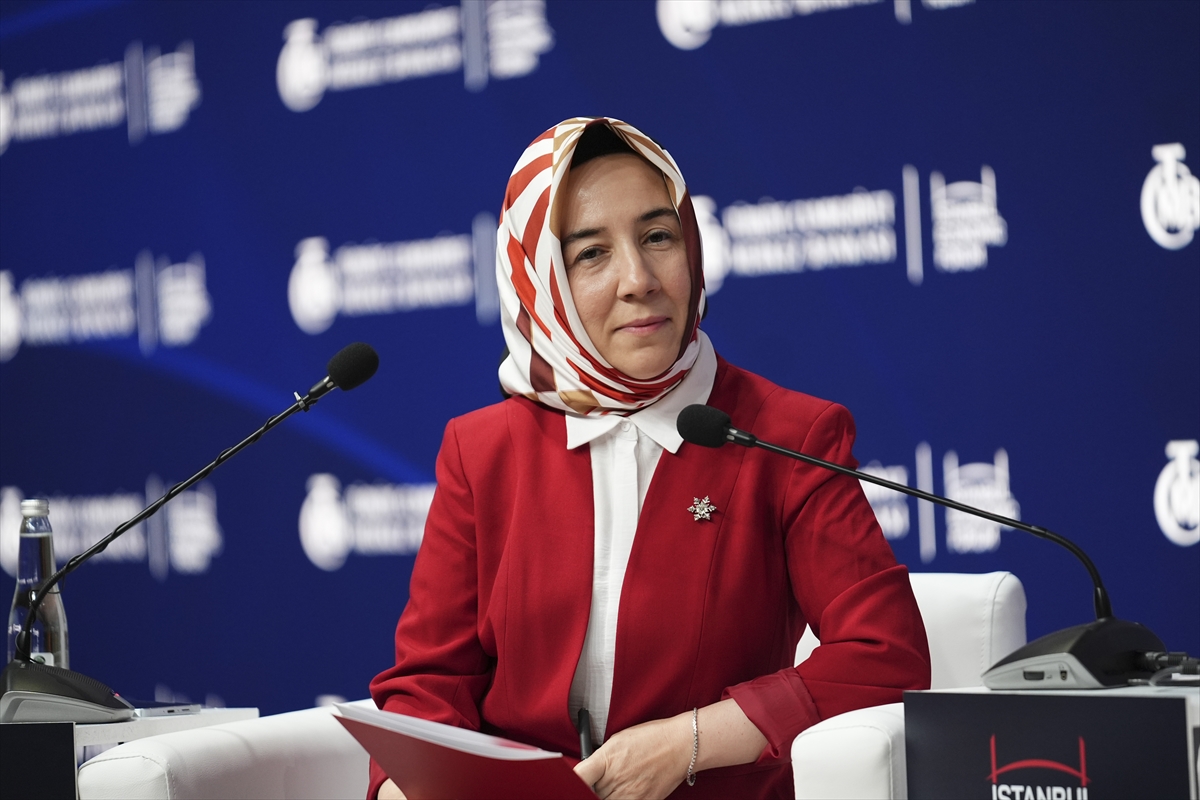
Karahan highlighted the importance of protecting sensitive datasets and said central bank data and information such as household survey responses should be used with AI without putting them at risk. She said the reliability and security of payment ecosystems were critical, adding that AI-enabled payments could be the next stage.
Karahan said a period was beginning in which AI agents could plan and initiate payments using the authority delegated to them, adding that this development would create new challenges as well as opportunities.
Cybersecurity warning for banks
Eddie Yue, chief executive of the Hong Kong Monetary Authority, said AI could have a positive effect on cyclical growth in the short term, but its long-term structural impact remained uncertain. Yue highlighted the benefits of trade in electronic products manufactured in Asia and said activity in the AI sector had increased export figures.
Yue said automation could increase productivity and growth over the long term, stressing that the extent to which economies benefited from it would depend on their level of preparedness for AI. He said the replacement of labor could affect demand and consumption, adding that fiscal, education and employment policies needed to be implemented in a more coordinated manner.
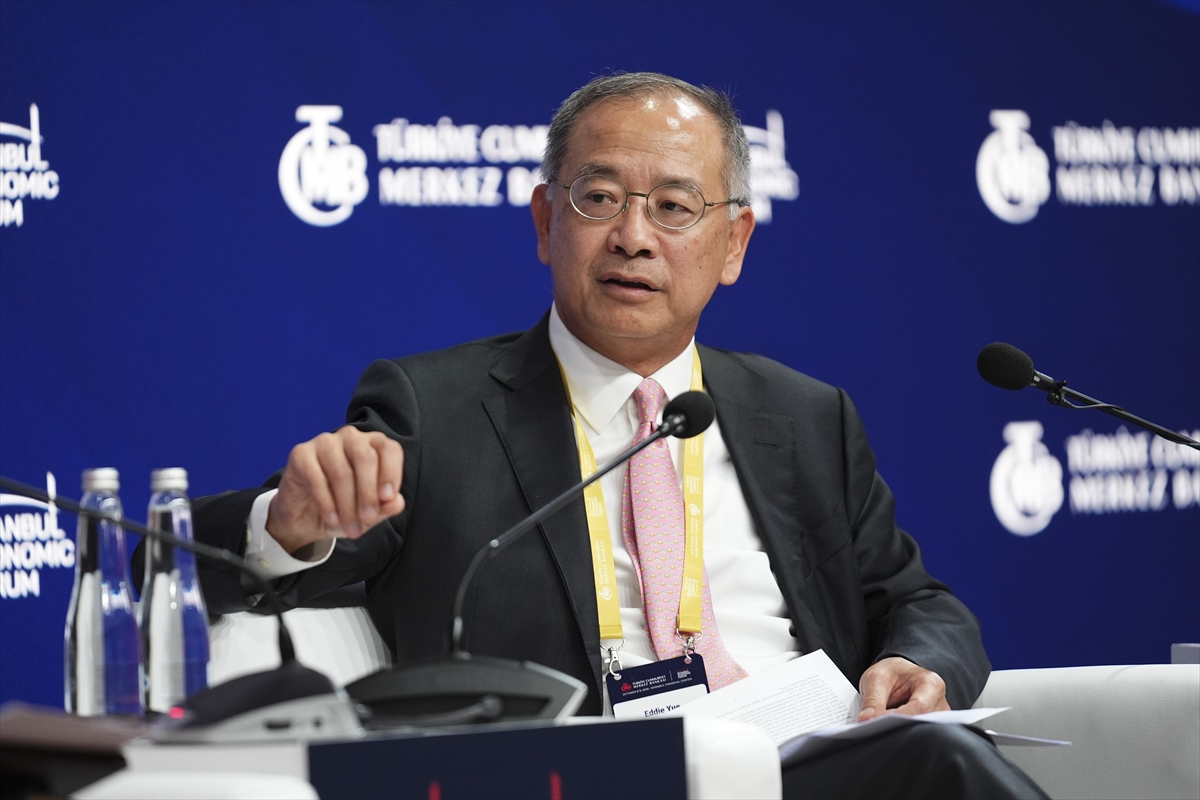
Yue said most banks in Hong Kong were testing generative AI, adding that rapid adoption increased the risks of cyberattacks and dependence on third-party service providers. He said final oversight and responsibility should remain with humans and that banks needed to accelerate their preparations for technologies capable of making autonomous decisions and threatening cybersecurity firewalls.
A hybrid approach to central banking
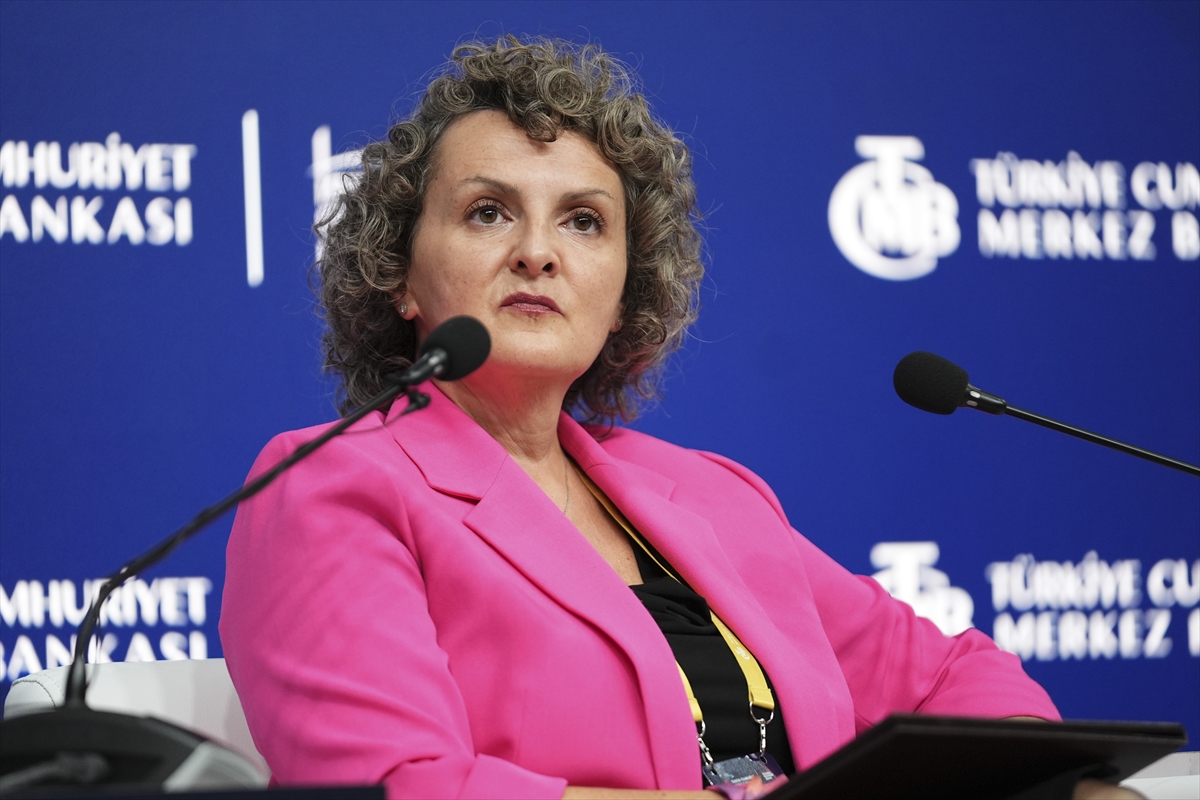
Jasmina Selimovic, Governor of the Central Bank of Bosnia and Herzegovina, said the key question concerning the use of AI in central banking was whether the greater risk lay in using the technology or in failing to understand it correctly and in time. Selimovic said central banking was at a major crossroads regarding AI.
Selimovic said the benefits and risks of AI could not be assessed separately, adding that the technology’s ability to process large amounts of unstructured data at high speed was a significant advantage. However, she said AI also had problems producing incorrect or inaccurate results and carrying established biases.
Selimovic said AI could be used in economic analysis and could help identify anomalies that rule-based systems could not detect in payment systems and supervision. She said a multidisciplinary AI team made up of employees from different units had been established at the Central Bank of Bosnia and Herzegovina at the end of 2025.
Selimovic said they had adopted a hybrid approach rather than completely replacing traditional econometric models with AI, adding that AI outputs were compared with results obtained through conventional methods. She said AI should not be used to think or make decisions in place of people, but to deepen analysis in reviews and decision-making processes.
CBU-GPT platform in Uzbekistan
Nodirbek Achilov, Deputy Governor of the Central Bank of the Republic of Uzbekistan, said AI was transforming the environment in which economic actors operated, enabling them to adapt more quickly to price changes. Achilov said large companies and financial technology firms had become more sensitive to changes in economic policies and major shocks, adding that AI-based analytical models were improving the way these actors responded and set prices.
Achilov said AI investments could affect prices through demand in the short term, but their impact on productivity was not yet fully known. He stressed that central banks needed to be prepared for this change.
Achilov announced that the Central Bank of Uzbekistan had invested in computing capacity and infrastructure servers and had also developed a platform called "CBU-GPT." He said the platform assisted data collection and analysis in monetary policy research, adding that the bank used 150 synthetic agents.
Achilov said these agents were supplied with various types of data and could process datasets and news feeds from different sources. He said the system provided monthly forecasts of inflation expectations, adding that work was also continuing to develop regional AI agents for each of Uzbekistan’s 14 regions.
Source: Anadolu Ajansı
Spotted an error in this story?Report it on WhatsApp
Share on all social platforms
Sponsored Ads
Featured Listings
Loading featured properties...
Stay Updated with The Turkiye Times
Subscribe to be informed about special news, developments and announcements. We will keep you informed.
By signing up, you agree to our Privacy Policy