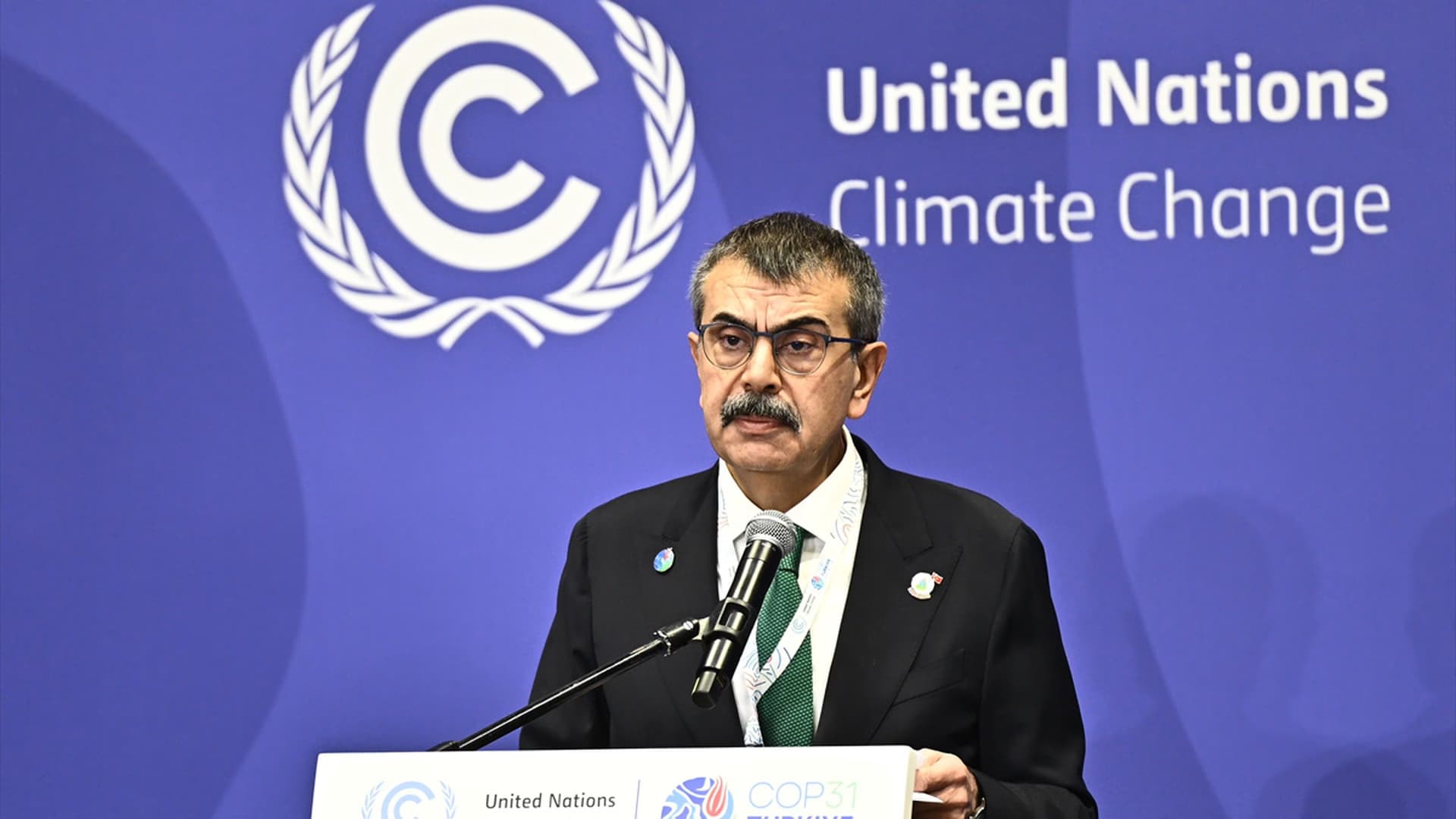
Hatay Mustafa Kemal University (HMKU) is presenting eight projects developed in the fields of combating climate change and green transformation to the world at COP31 in Antalya. Prepared jointly by academics and students under the leadership of the university's Sustainability and Climate Change Coordination Office, the projects will be presented and discussed at the conference on November 16.
The projects share the goals of developing solutions to the effects of climate change in the region, strengthening university-community-industry cooperation, and making a scientific contribution to Hatay's sustainable development.
Early warning system for container settlements
The “Inclusive Early Warning System,” supported within the scope of COP31, aims to prevent loss of life and property caused by extreme heat and sudden rainfall triggered by the climate crisis. The digital system to be developed will aim to provide timely warnings, particularly to people living in tent and container settlements or those on the move. The “Community Resilience to Forest Fires” project aims to establish a local climate adaptation model that can serve as an example to other villages through prevention, preparedness and safe evacuation training in villages at high risk of fire.
The “Hatay Agriculture 2035: Redesigning the Faculty of Agriculture” project is updating the agriculture curriculum through digital agriculture, a sustainable economy and artificial intelligence-supported education models. In the “Memory of the Amik Plain” project, students will turn the changes stretching from Lake Amik to the Amik Plain into a documentary based on interviews with farmers.
Foundry project targets 180,000-tonne carbon reduction
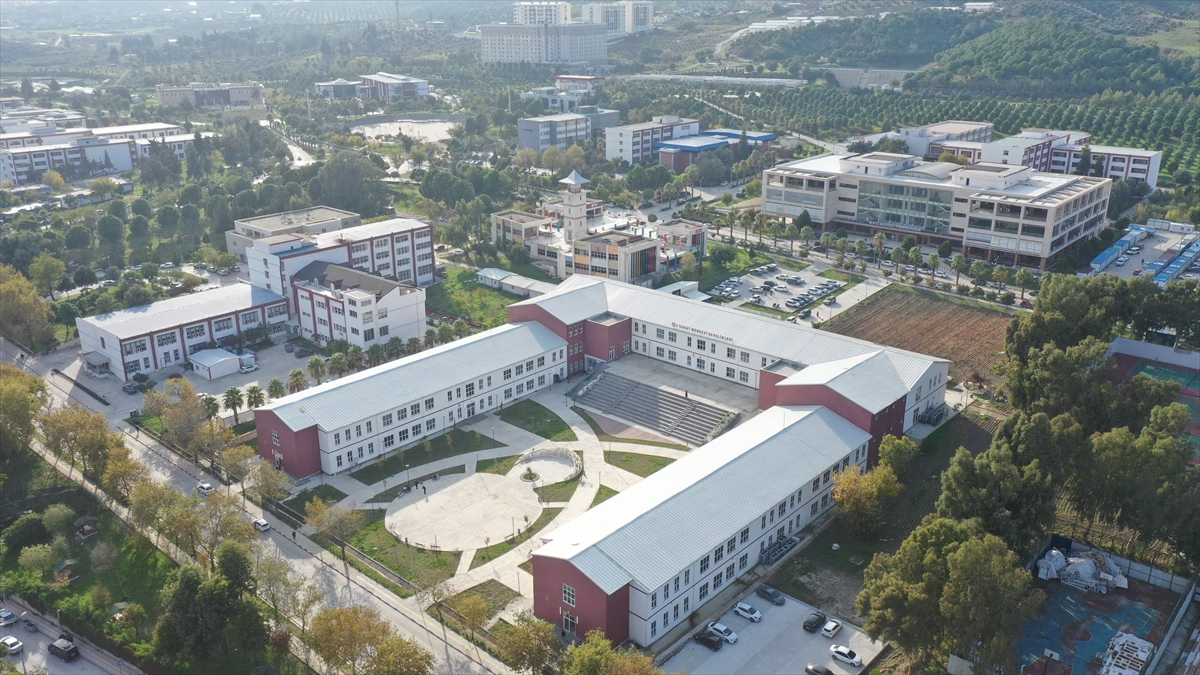
The “Green Transformation in Metal” project is being carried out at a foundry in the Antakya Organized Industrial Zone that produces approximately 30,000 tonnes annually. The study maps electricity, natural gas, waste heat and water use based on real data, projecting annual savings of approximately 2.5 million liras and a reduction of 180,000 tonnes in carbon emissions. The “Blue Campus” project will calculate how much rainfall falling on the campus can be recovered, while “Climate Scouts on Campus” is transforming the Tayfur Sökmen Campus into a living laboratory. The outcomes of a workshop on environmental problems in Hatay will also be shared at COP31.
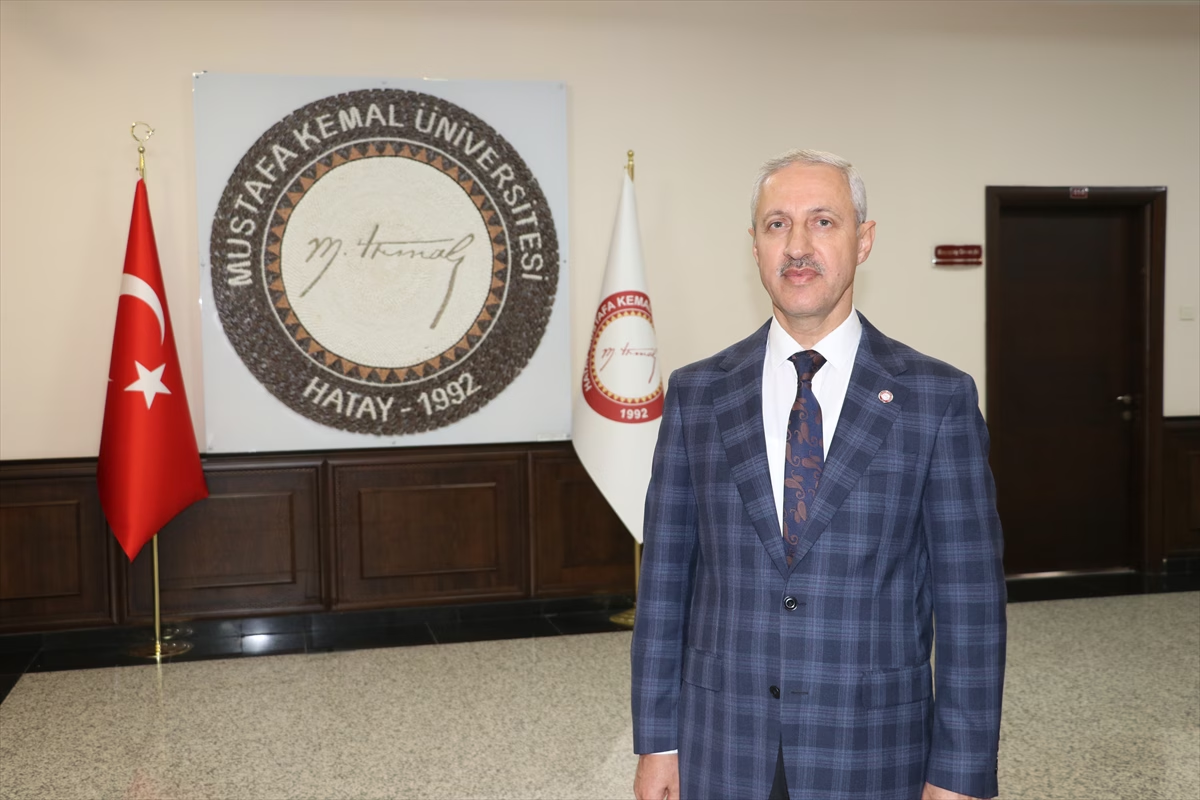
HMKU Rector Prof. Dr. Veysel Eren said that holding COP31 in Türkiye was highly significant. Eren said the effects of the climate crisis were felt particularly in agricultural regions and that sudden rainfall turned into flooding, inundating farmland. “I consider it extremely valuable for the dynamism of young people to meet the traditional approach in the field, particularly in agricultural regions, and to produce solutions that will adapt to this change,” he said.
Photos and source: AA.