- BIST10012,151-0.94%
- USD49.220.00%
- EUR55.21+0.28%
- GOLD4,195.90-0.48%
- INTEREST37.00%-1.00
- BITCOIN82,825-1.01%
- October 13, 202619°
- BIST10012,151-0.94%
- USD49.220.00%
- EUR55.21+0.28%
- GOLD4,195.90-0.48%
- INTEREST37.00%-1.00
- BITCOIN82,825-1.01%
- October 13, 202619°
Human Rights Films Open a New Field in Africa
As the civic space shrinks in Africa, human rights films open a new area of expression. The Nigeria-based festival will be held for the fifth time from December 8-10, 2026.


In a period when civic space is shrinking in Africa and governments suppress criticism through legal regulations, internet shutdowns, and censorship, cinema is becoming an unexpected medium for human rights defenders. Films are not just about screenings; they are seen as tools to change narratives, grow solidarity, and call those in power to account.
Journalists, activists, and civil society representatives in different countries of the continent try to reach audiences unreachable by traditional means through cinema. This approach is especially effective in the fields of freedom of expression, digital rights, and citizenship.
Highlights
- The shrinking of civic space in Africa increases interest in human rights-themed films.
- The Africa International Human Rights Film Festival will hold its fifth edition from December 8-10, 2026.
- This year's theme of the festival has been announced as "Stories of Resistance."
- Organizers say that films alone do not change policy but raise awareness, strengthen networking, and solidarity.
- The program centers on stories from Africa and African filmmakers.
What is the purpose of the festival?
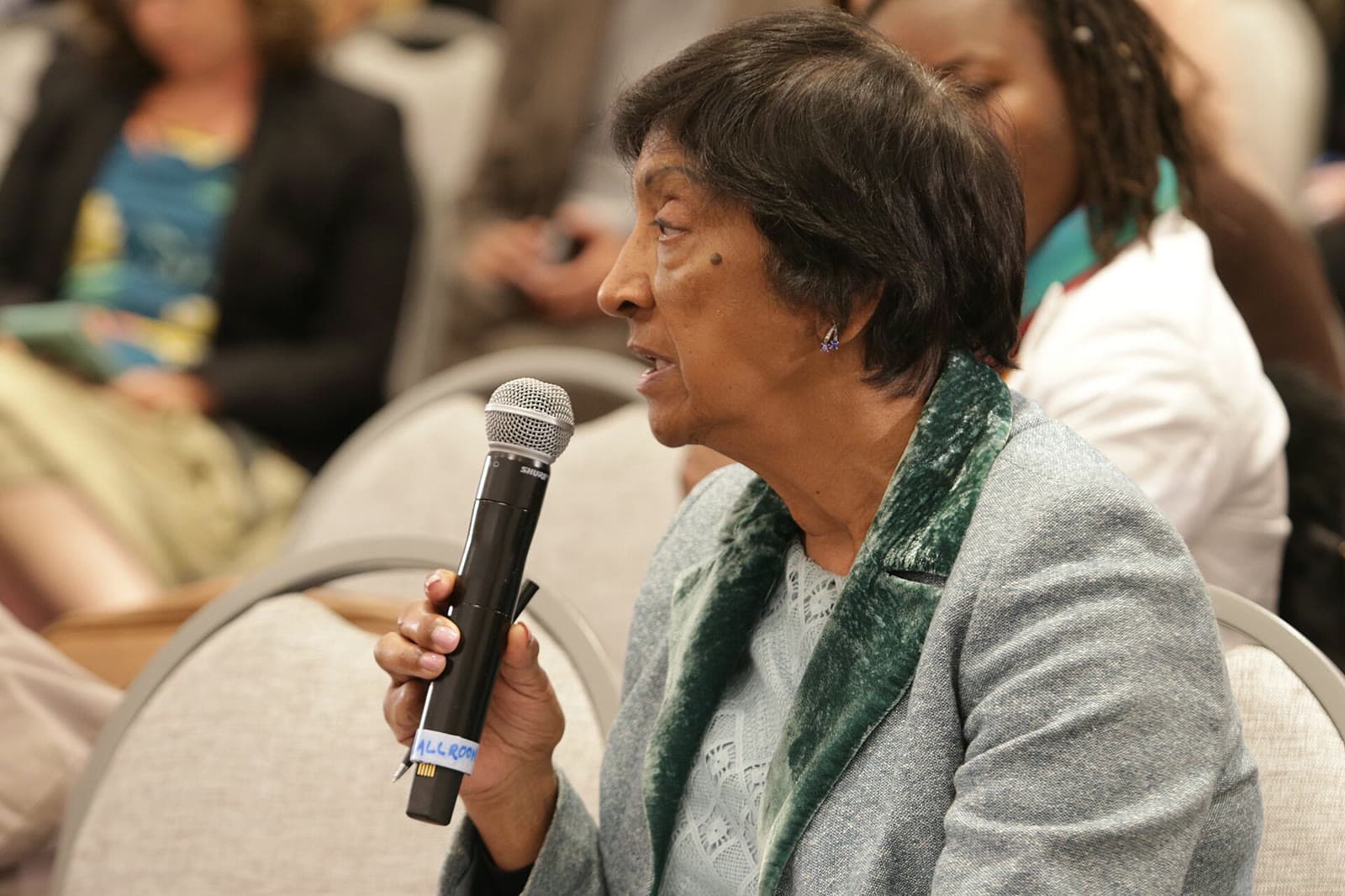
The festival is organized by the Network of Human Rights Journalists in Nigeria. The event is defined as a platform where filmmakers, journalists, activists, academics, policymakers, and citizens can come together to discuss issues affecting human life.
Organizers emphasize that the festival is not only about film screenings but also provides a space for public debate, advocacy, and collaboration. It is stated that over four editions, it has aimed to bring different stakeholders to the same table, raise difficult questions, and create opportunities for joint work.
"Change does not happen with a single screening" approach
The festival management does not claim that a single film directly causes a policy change or legal outcome. Instead, the event is described as contributing to awareness-raising and agenda-setting.
For example, after screenings of films on gender-based violence, digital rights, and civil liberties, discussions are held and partnerships are formed among advocacy organizations. This structure is said to transform films into an educational and mobilization tool that extends beyond the festival space.
The festival is also trying to develop a stronger monitoring and evaluation system for impact measurement. Thus, it aims to more clearly track the influence of films on public opinion, policy, and social debates in the coming years.
What does the "Resistance" theme mean?
This year's theme, "Stories of Resistance," does not target any government or institution. The theme covers peaceful and legal responses developed against situations threatening human dignity such as injustice, exclusion, discrimination, violence, censorship, environmental destruction, and inequality.
The festival management says they prioritize dialogue over polarizing language while maintaining editorial independence. The goal is to create an environment where different views can be discussed within the framework of international human rights principles and democratic values.
African stories are kept at the center
Although the festival is open to applications worldwide, programming preferences prioritize African stories and African filmmakers. International films are included for comparative learning and interregional solidarity.
Organizers state that they aim not only to represent African narratives but to place them at the center. Efforts to open more space for young filmmakers and underrepresented voices also stand out in this context.
The long-term goal is expressed as strengthening the storytelling ecosystem in Africa while maintaining global interaction. Thus, cinema is positioned as both a cultural and public tool in human rights discussions on the continent.
Context: While freedom of expression, digital rights, and civic participation spaces shrink across Africa, cultural events are no longer just art programs but become part of public debate. For this reason, the human rights-themed film festival stands out as a notable model both in cinema and advocacy.
Stay Updated with The Turkiye Times
Subscribe to be informed about special news, developments and announcements. We will keep you informed.
By signing up, you agree to our Privacy Policy