- BIST10012,151-0.94%
- USD49.220.00%
- EUR55.21+0.28%
- GOLD4,195.00+0.10%
- INTEREST37.00%-1.00
- BITCOIN81,946-2.06%
- October 13, 202618°
- BIST10012,151-0.94%
- USD49.220.00%
- EUR55.21+0.28%
- GOLD4,195.00+0.10%
- INTEREST37.00%-1.00
- BITCOIN81,946-2.06%
- October 13, 202618°
Hungary’s Great Hun-Turkic Kurultai draws more than 200,000 visitors
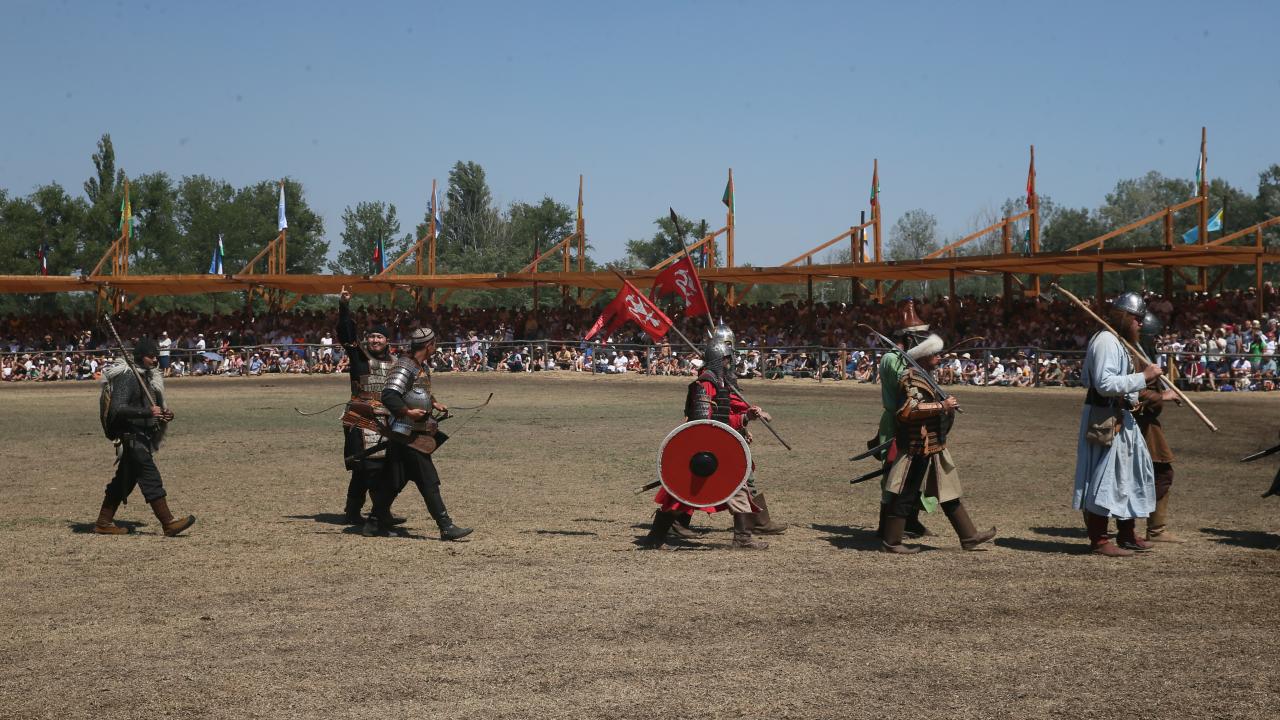
More than 200,000 people attended the Great Hun-Turkic Kurultai in Bugac, a town in Hungary’s Bács-Kiskun region. Participants said the event brought communities from across the Turkic world together and kept traditional culture alive.


The Great Hun-Turkic Kurultai, held in Bugac, a town in Hungary’s Bács-Kiskun region, welcomed more than 200,000 visitors. Participants and organizers discussed the atmosphere at the event.
Zoltan Varga, a board member of the Hungarian Turan Foundation, said the kurultai took place in an environment that was much better than they had expected. Varga said they were pleased by the strong turnout from Türkiye and noted that interest had increased significantly compared with two years earlier.
Participation from the Turkic world
Nurettin Sancak, who traveled to the kurultai from Germany, said the Great Hun-Turkic Kurultai is held every two years, while a smaller-scale Ancestors’ Day event takes place in the intervening years. Sancak said he comes to Bugac every year and that the kurultai grows more crowded each time.
Sancak said the event was busier than in 2024 and that he expected attendance to rise further in 2028. He said the event required considerable effort and time and described it as an important meeting point that brings communities from across the Turkic world together.
Sancak said Turks, Kazakhs, Turkmens and related communities from different parts of the world met at the kurultai. He said participants exchanged information about their cultures and the communities where they live, adding that the event helped ensure stronger representation for work related to the Turkic world.
Traditional life brought to life
The kurultai features reenactments depicting the historical journey of Turkic communities from Asia to Europe. Alongside events from the Epic of Manas, traditional clothing, weapons and tools are also presented at the venue.
Sancak also assessed the interest shown in the organization by Hungarian officials. He thanked President Recep Tayyip Erdoğan, the Turkish Cooperation and Coordination Agency, the Presidency for Turks Abroad and Related Communities, and AK Party Deputy Chairman and Head of Relations with Turkic States Kürşad Zorlu for their contributions to work concerning the Turkic world.
Participants describe their cultural experiences
Richard Deer, a Hungarian citizen, said he attended the kurultai to meet communities connected to his father’s roots. Deer said he was impressed to see traditional clothing and families from different communities coming together at the event, adding that he felt he had rebuilt a strong connection with his ancestors.
Deer said the traditional clothing, weapons and tools gave him an opportunity to connect with the past. He said he would attend events of this kind every year from now on.
Zalan Janosy, a high school student working at the Gül Baba tent established under the auspices of Hungary’s Ministry of Foreign Affairs and Trade and the Gül Baba Foundation, told visitors about the Kyrgyz tent and traditional life. Attending the kurultai for the first time, Janosy described the event as a positive experience despite the extreme heat and said he was pleased to meet people from different cultures.
Stay Updated with The Turkiye Times
Subscribe to be informed about special news, developments and announcements. We will keep you informed.
By signing up, you agree to our Privacy Policy