- BIST10011,400-0.68%
- USD50.05+0.05%
- EUR56.25-0.01%
- GOLD4,078.60-0.85%
- INTEREST36.00%-1.00
- BITCOIN75,999+0.02%
- November 6, 202612°
- BIST10011,400-0.68%
- USD50.05+0.05%
- EUR56.25-0.01%
- GOLD4,078.60-0.85%
- INTEREST36.00%-1.00
- BITCOIN75,999+0.02%
- November 6, 202612°
Kale Jet Engines chief: We now produce 100 jet engines a month
Kale Jet Engines has delivered its 1,000th KTJ-series turbojet engine, which powers Türkiye’s indigenous missiles. The company’s General Manager Cüneyt Kenger announced that monthly production had reached 100 engines. Kenger had previously announced that the company was supplying engines through mass production to six platforms and was nearing qualification of the ARAT engine.
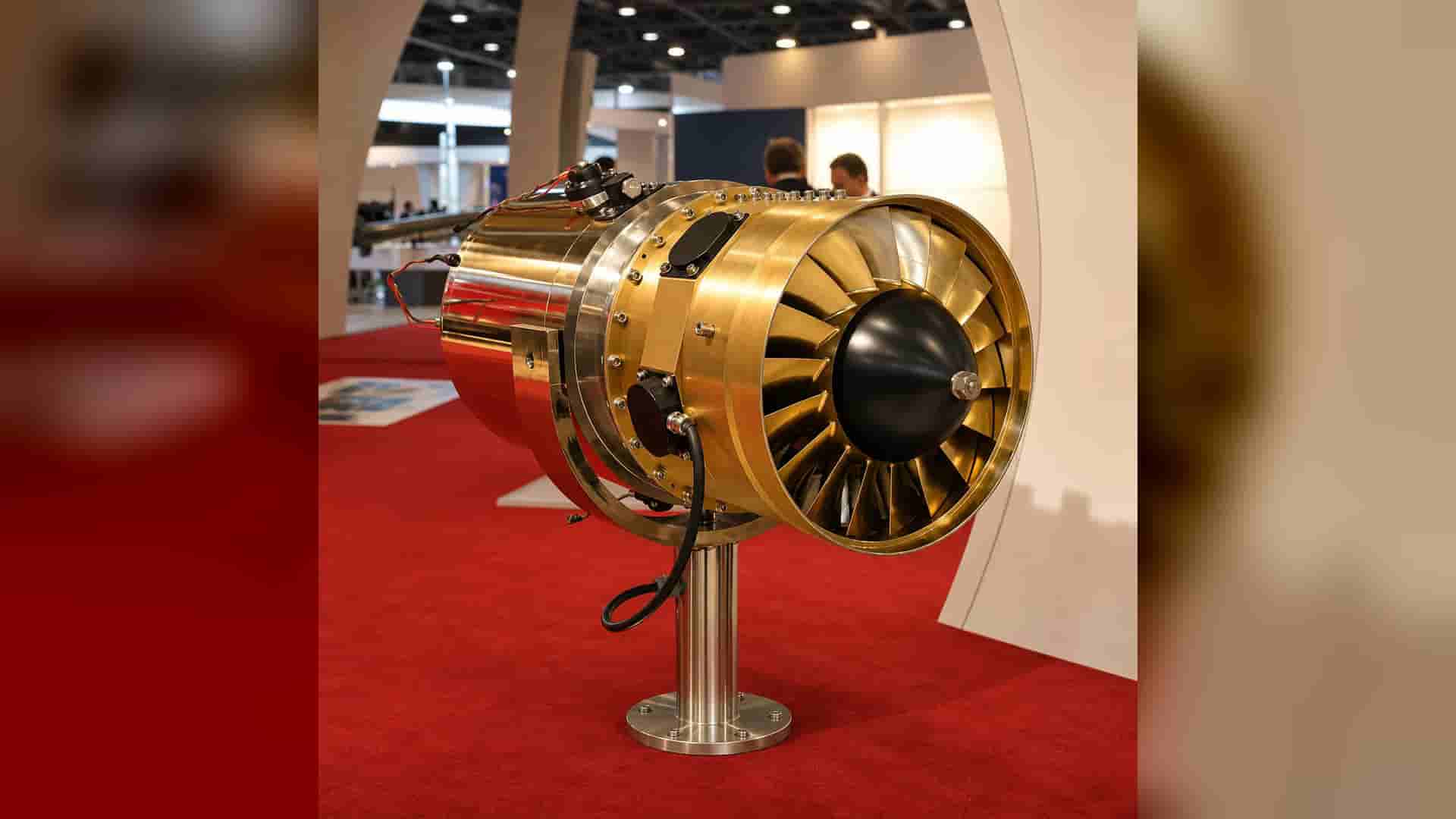
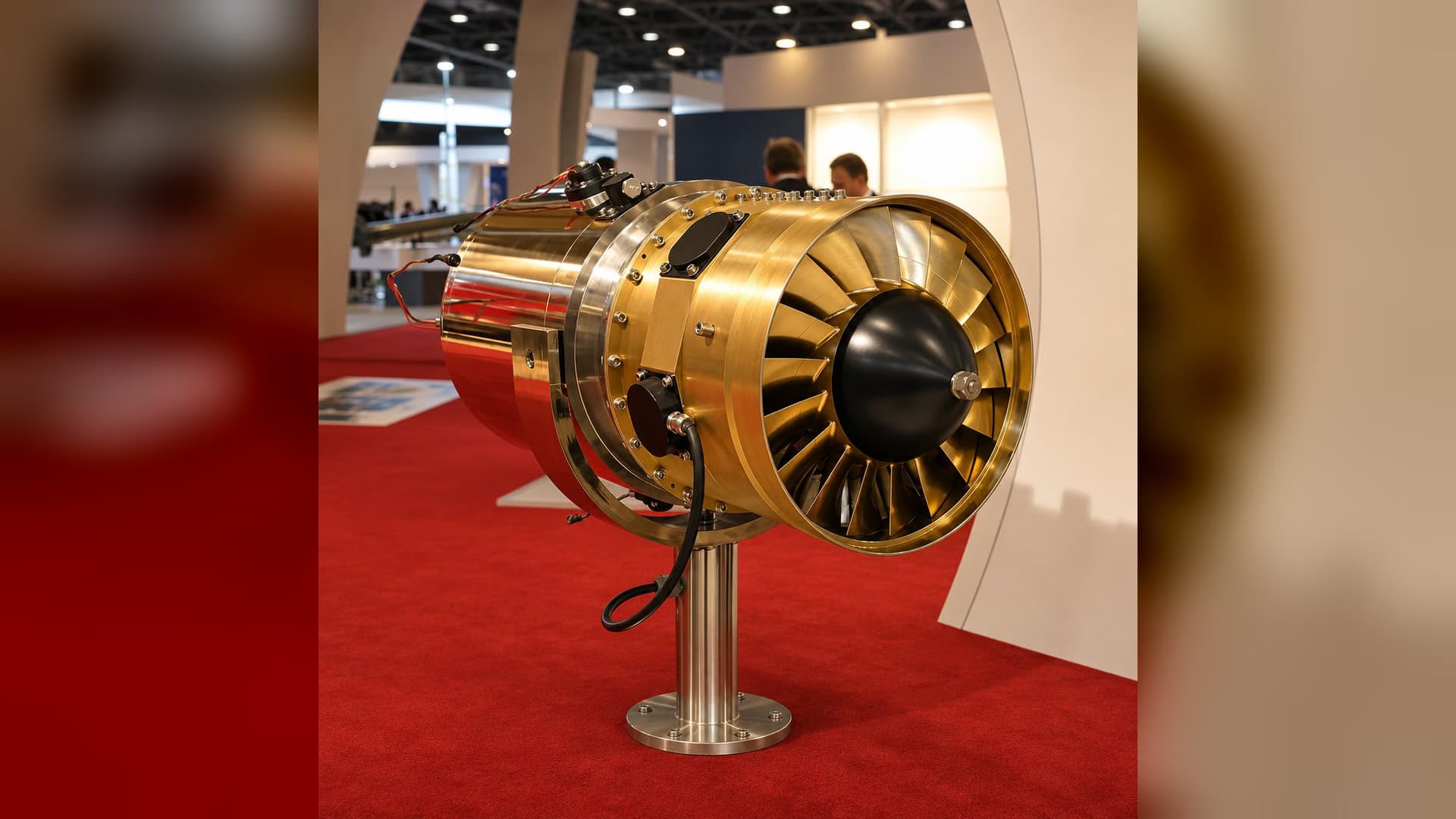
Kale Jet Engines, which develops and manufactures turbojet engines for Türkiye’s indigenous missile projects, has reached a new milestone in mass production. Speaking at a ceremony marking the delivery of the company’s 1,000th engine at the Nuri Demirağ Hall of the Presidency of Defence Industries (SSB) in Ankara, General Manager Cüneyt Kenger announced the latest production figures, saying: “We now produce 100 jet engines a month!”
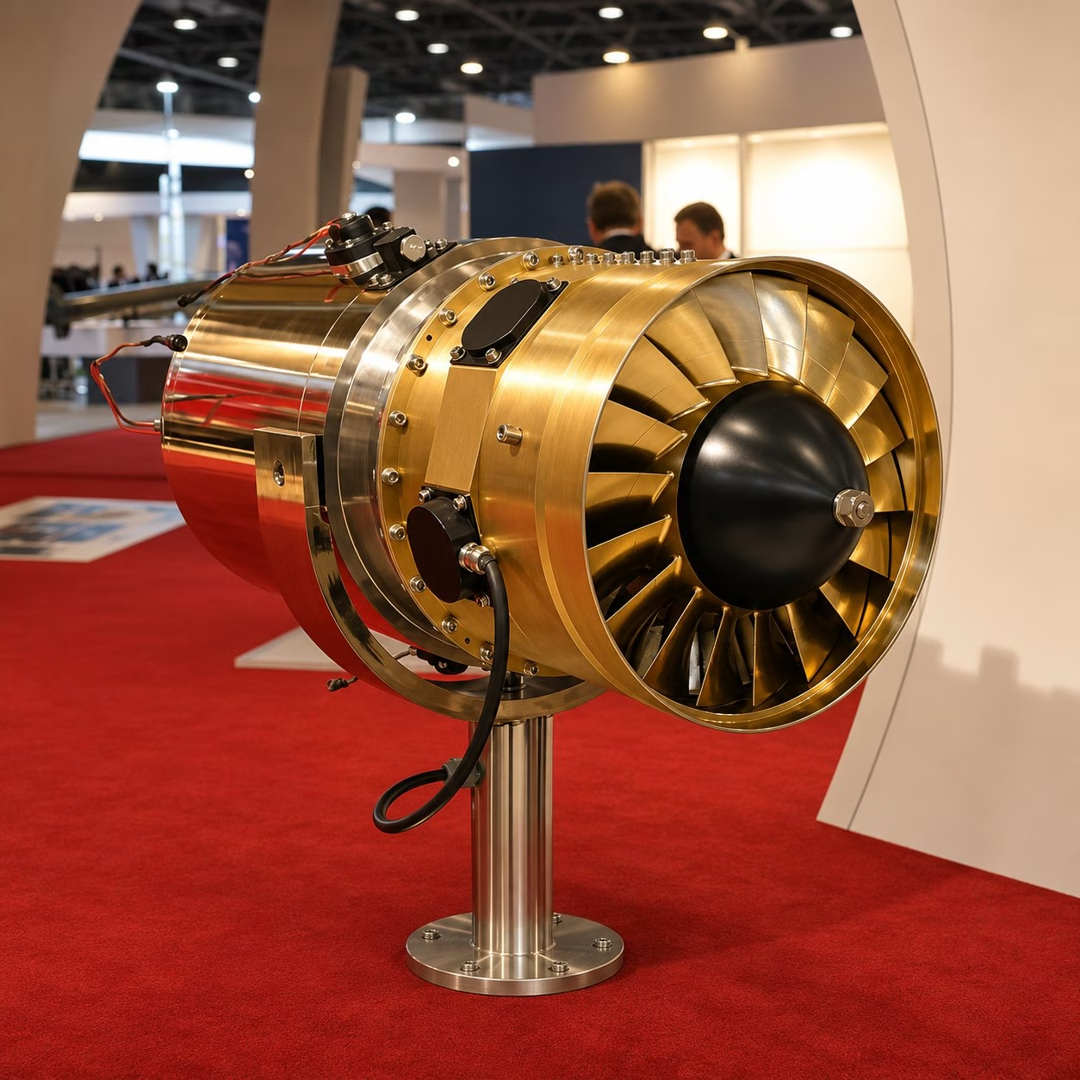
The delivery of 1,000 engines in total and a monthly production rate of 100 engines have emerged as two key indicators of the company’s operations as it supplies engines for domestic missile programs. Kale’s KTJ-series engines currently power the SOM, ATMACA, ÇAKIR and KARA ATMACA missiles. This meets a critical subsystem requirement for various missile projects with engines developed in Türkiye.
From two engines a week to 100 a month
The company’s production capacity has grown rapidly over the past two years. In an interview at the Farnborough International Airshow in the summer of 2024, Kenger announced that capacity had risen to seven engines a week from two the previous year. At the same time, the company was supplying the KTJ-3700 engine, which produces 3,700 newtons of thrust, for the KARA ATMACA land-based cruise missile developed for the Turkish Land Forces Command, and the KTJ-1750 engine, with 1,750 newtons of thrust, for the ÇAKIR cruise missile.
In a statement at the SAHA 2026 fair in May this year, Kenger said the company was supplying engines to six different platforms and that all of them were at the mass-production stage. Kenger said initial low-volume mass-production deliveries had begun in 2023 and that capacity had increased significantly in 2024 and 2025. “We developed the engines’ components by creating an ecosystem within the country,” he said.
Integrator model and domestic supply chain
Kenger said the company operates under an integrator model: Engine components are manufactured through an expanding domestic supply chain, while assembly, testing and quality processes are carried out by Kale Jet Engines. Emphasizing that this structure allows capacity to be scaled up quickly, Kenger said: “Growing to three-digit and four-digit figures does not require a very major effort from us.” Kenger said demand for the company’s engines was increasing both domestically and internationally and that capacity planning was being conducted accordingly.
ARAT and next-generation engines next
Kale Jet Engines’ next-generation engine projects are also continuing. Kenger announced that altitude tests for the ARAT engine had been conducted, with the aim of largely completing qualification work toward the end of the year and then gradually moving the engine into mass production. While the company has so far focused mainly on its turbojet engine family, it is now also turning to next-generation engine concepts such as turbofans, which offer lower fuel consumption and longer range.
Speaking at the ceremony, Defence Industry President Haluk Görgün also emphasized that engines for missiles had previously been procured from abroad and that domestic engines had eliminated a significant dependency affecting both production continuity and missile exports. Görgün said Kale had answered those who said “we cannot do it” with 1,000 engines.
Photos: social media
Stay Updated with The Turkiye Times
Subscribe to be informed about special news, developments and announcements. We will keep you informed.
By signing up, you agree to our Privacy Policy