- BIST10011,722-2.89%
- USD49.45+0.05%
- EUR55.62+0.37%
- GOLD4,198.70+0.42%
- INTEREST37.00%-1.00
- BITCOIN82,617+0.74%
- October 19, 202615°
- BIST10011,722-2.89%
- USD49.45+0.05%
- EUR55.62+0.37%
- GOLD4,198.70+0.42%
- INTEREST37.00%-1.00
- BITCOIN82,617+0.74%
- October 19, 202615°
AI to radically transform the internet within five years
Technology experts predict that between 2026 and 2031, the internet will evolve from a search-based structure to an AI-powered dialogue and task-oriented environment. This transformation will reduce the role of websites while bringing radical changes in areas such as personalization, automated content generation, and intelligent e-commerce.
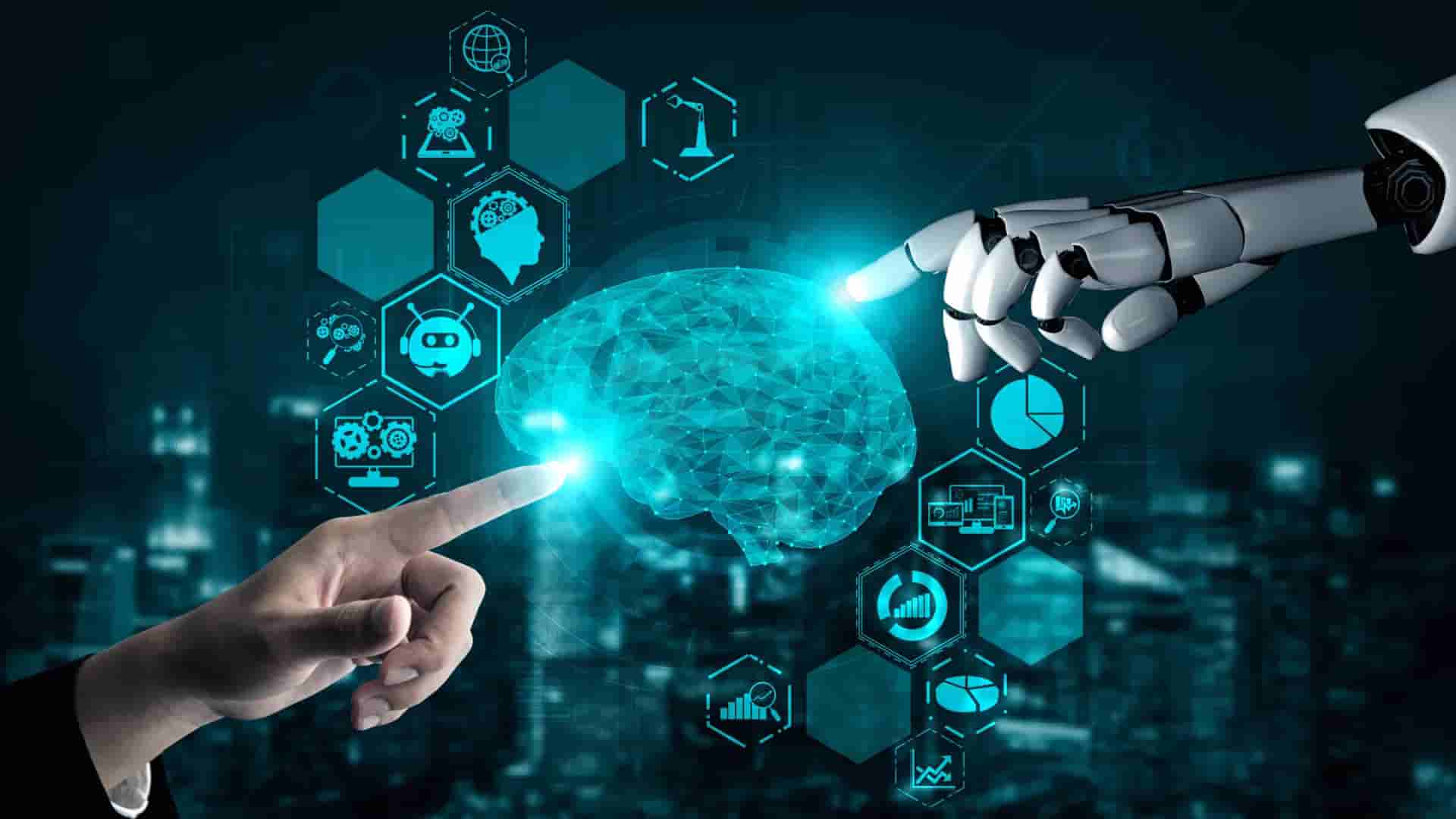
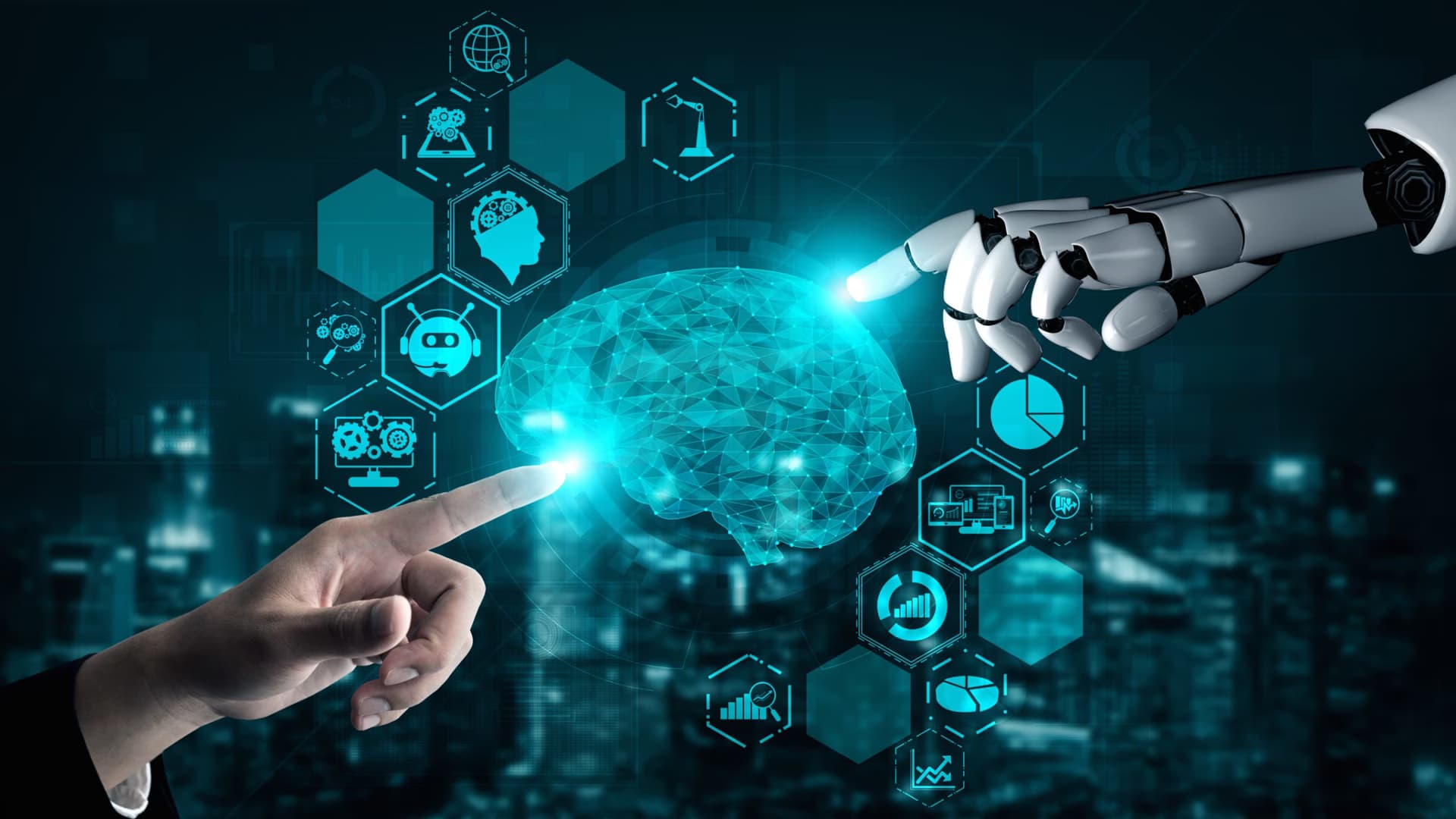
Artificial intelligence is preparing to fundamentally change the way the internet works. Similar to how smartphones transformed internet access, over the next five years AI will evolve the internet from a structure focused on search and browsing to an environment based on dialogue and intelligent task execution.
The era of direct answers from search
For over twenty years, users have entered keywords into search engines and sifted through dozens of links to access information. But AI is changing this mechanism. Now, intelligent systems can understand the question, analyze the context, and provide a comprehensive answer, eliminating the need for users to visit multiple sites. This means that search engines will transform into digital assistants that directly present information and perform tasks through a single interface.
AI agents take over tasks
The next phase is not limited to answering questions; agents that carry out tasks on behalf of users are coming into play. For instance, instead of searching for the best flight, comparing hotel prices, or buying a product, users can give general instructions to an AI agent, such as 'Plan a 4-day trip for me within a certain budget.' The system will automatically perform search, comparison, and after approval, reservation transactions. Major technology companies are already developing such autonomous agents.
Websites are transforming
Websites will not disappear entirely, but they may lose their current roles. If a smart assistant can automatically retrieve information or fulfill a service, many users will not need to visit a site directly. This will push companies to redesign their sites not only for humans but also in a way that AI agents can understand, with advanced application programming interfaces and structured data.
The internet is becoming more personal
While current websites offer limited recommendations based on user data, AI will take the experience much further. Each user may see a different version of the same site; news ranking, products, information presentation, even language and tone will be personalized. This personalization will be achieved by analyzing the user's interests, behavior, and real-time needs.
Revolution in content production
AI can now generate text, images, video, and audio. In the coming years, the proportion of AI-generated content will increase rapidly, which will accelerate information production while bringing challenges such as accuracy, intellectual property rights, and the difficulty of distinguishing between real and artificial content. Content verification tools are expected to become an essential part of the internet experience.
E-commerce is becoming smarter
Instead of browsing through thousands of products, users will simply describe their needs. For example, when someone says 'I want a computer suitable for video editing with a budget not exceeding $1,200,' AI will analyze technical specifications, compare prices, read user reviews, and present the best options. Companies will also use AI to personalize offers, improve customer service, and optimize inventory management.
Fewer sites, more services
The proliferation of smart agents may reduce the importance of separate apps and websites. Instead of installing dozens of apps, users will rely on a single assistant that communicates with different online services. This represents a shift from the 'internet of sites' to the 'internet of services,' where data and functions become more important than the form of the site.
New security risks
As AI advances, the risks of malicious use also increase. More convincing phishing messages, fake digital identities, and sophisticated malware can be produced. In response, cybersecurity companies will use AI to detect and respond to attacks faster, leading to an ongoing race between attackers and defenders.
The content economy is reshaping
If users get answers directly from AI assistants, the traffic to news sites, blogs, and educational platforms may drop, which could affect business models based on advertising revenue. Media organizations and content creators will have to develop new models that preserve their financial and intellectual rights while delivering their content to AI systems.
Will the internet as we know it disappear?
According to experts, the internet will not end, but undergo a radical change. It will transform from a network structure based on manual navigation between pages to an environment focused on dialogue, intelligence, and automated task execution. Just as smartphones have transformed internet use over the past decade, AI will shape the next phase. The greatest challenge will be to maintain privacy, ensure transparency, and sustain content diversity and quality while benefiting from these technologies.
Stay Updated with The Turkiye Times
Subscribe to be informed about special news, developments and announcements. We will keep you informed.
By signing up, you agree to our Privacy Policy