- BIST10011,103-0.13%
- USD49.65+0.05%
- EUR55.60-0.19%
- GOLD4,028.60+0.52%
- INTEREST36.00%-1.00
- BITCOIN80,191+0.19%
- October 26, 202619°
- BIST10011,103-0.13%
- USD49.65+0.05%
- EUR55.60-0.19%
- GOLD4,028.60+0.52%
- INTEREST36.00%-1.00
- BITCOIN80,191+0.19%
- October 26, 202619°
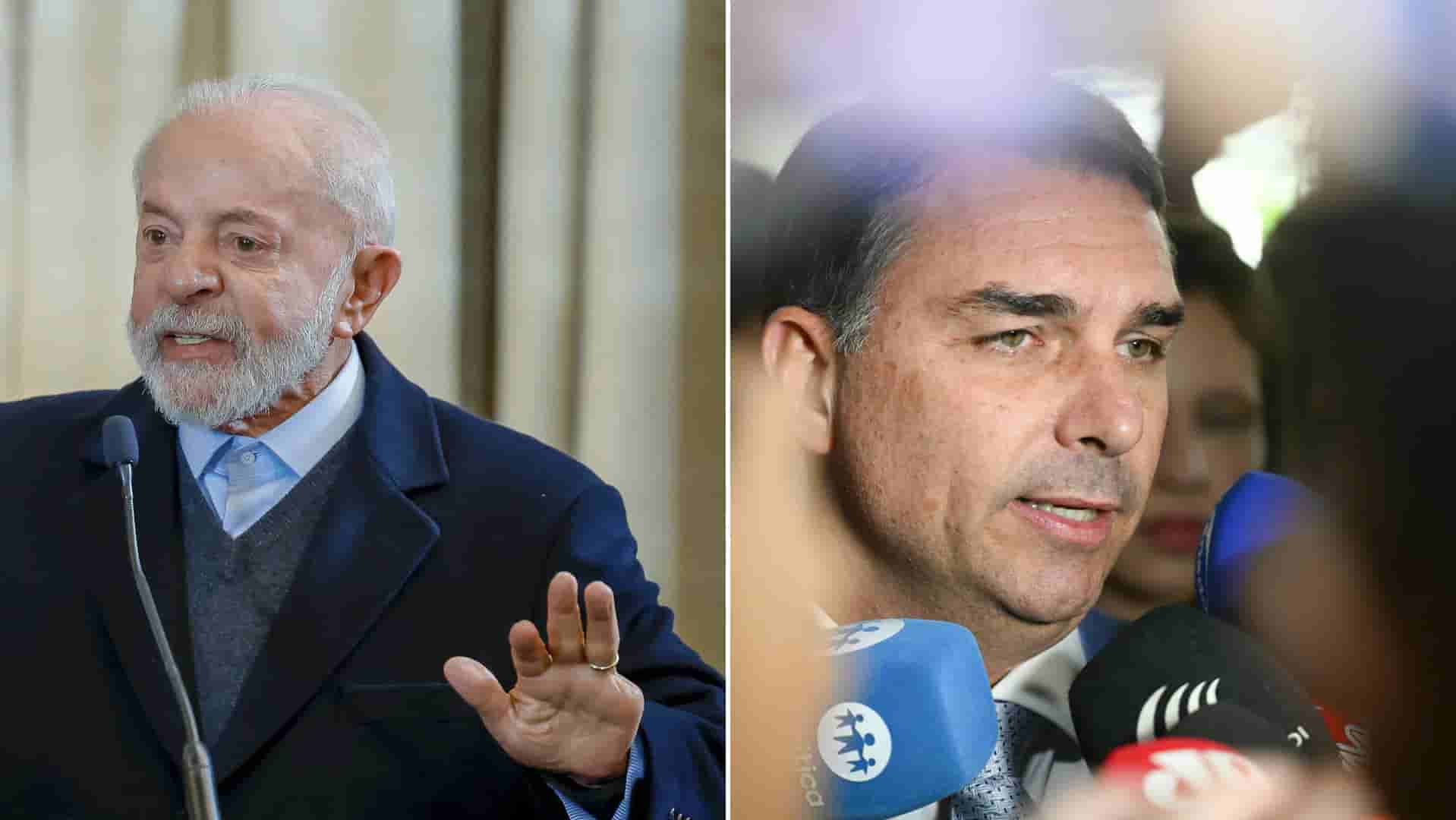
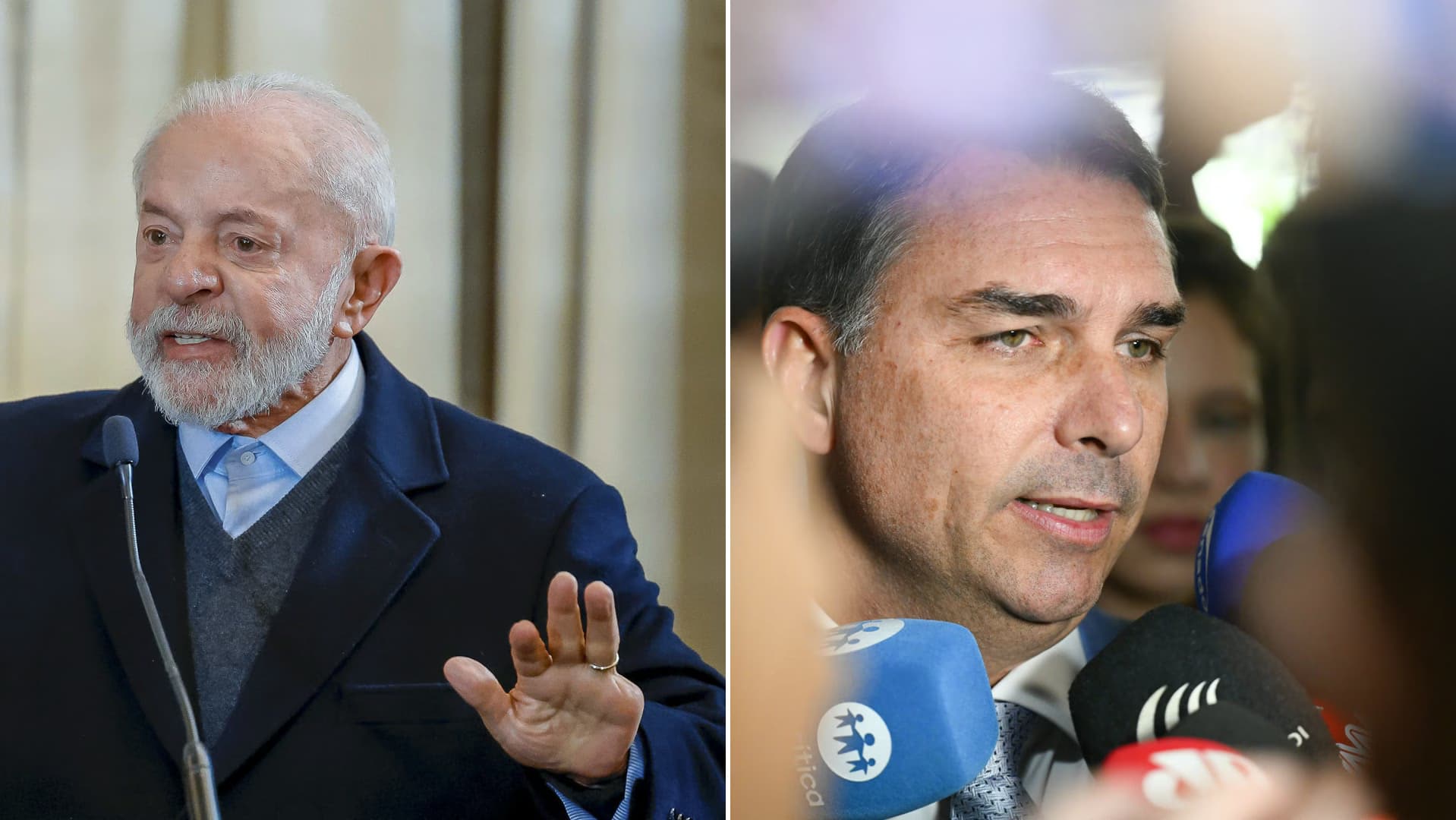
Lula defeats Flávio Bolsonaro in runoff to win Brazil presidency for fourth time
Luiz Inácio Lula da Silva won Brazil's presidential runoff held on October 25 with 51.79 percent of the vote. Flávio Bolsonaro, who finished ahead in the first round, received 48.21 percent.
The Turkiye Times Editorial DeskUpdated:

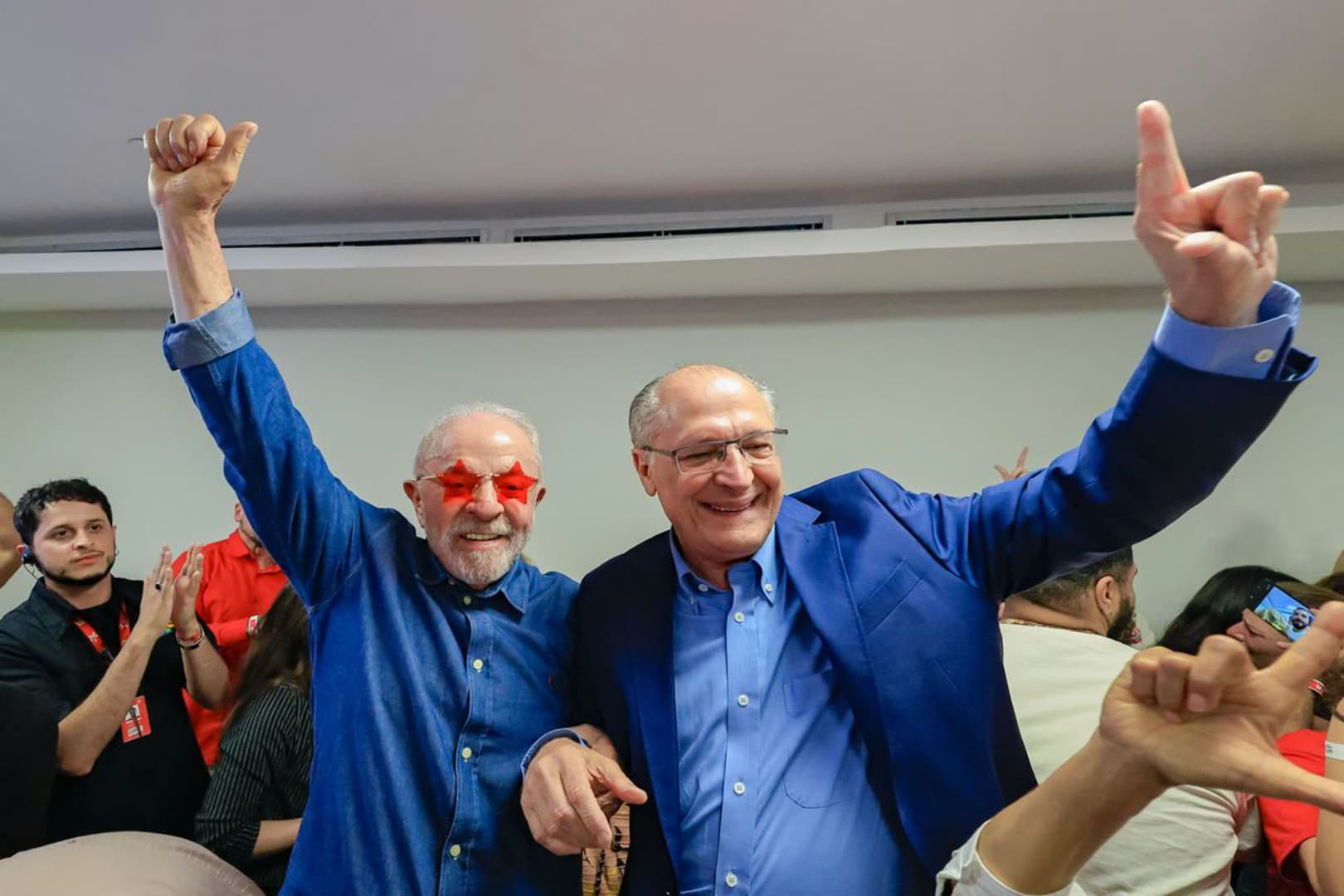
Incumbent President Luiz Inácio Lula da Silva won Brazil's presidential runoff held on October 25. Lula defeated right-wing candidate and Senator Flávio Bolsonaro, who finished ahead in the first round, to be elected president for a fourth time.
According to data from the Superior Electoral Court (TSE), once all votes had been counted, Lula received 51.79 percent of the valid votes (64,256,232 votes), while Flávio Bolsonaro, the son of former President Jair Bolsonaro, received 48.21 percent (59,826,041 votes). The difference between the two candidates was approximately 4.4 million votes.
He erased the first-round gap
In the first round on October 4, Flávio Bolsonaro finished first with 47 percent, while Lula came second with 45 percent. Lula thus became the first candidate in Brazil to finish second in the first round and win the election since military rule ended in 1985.
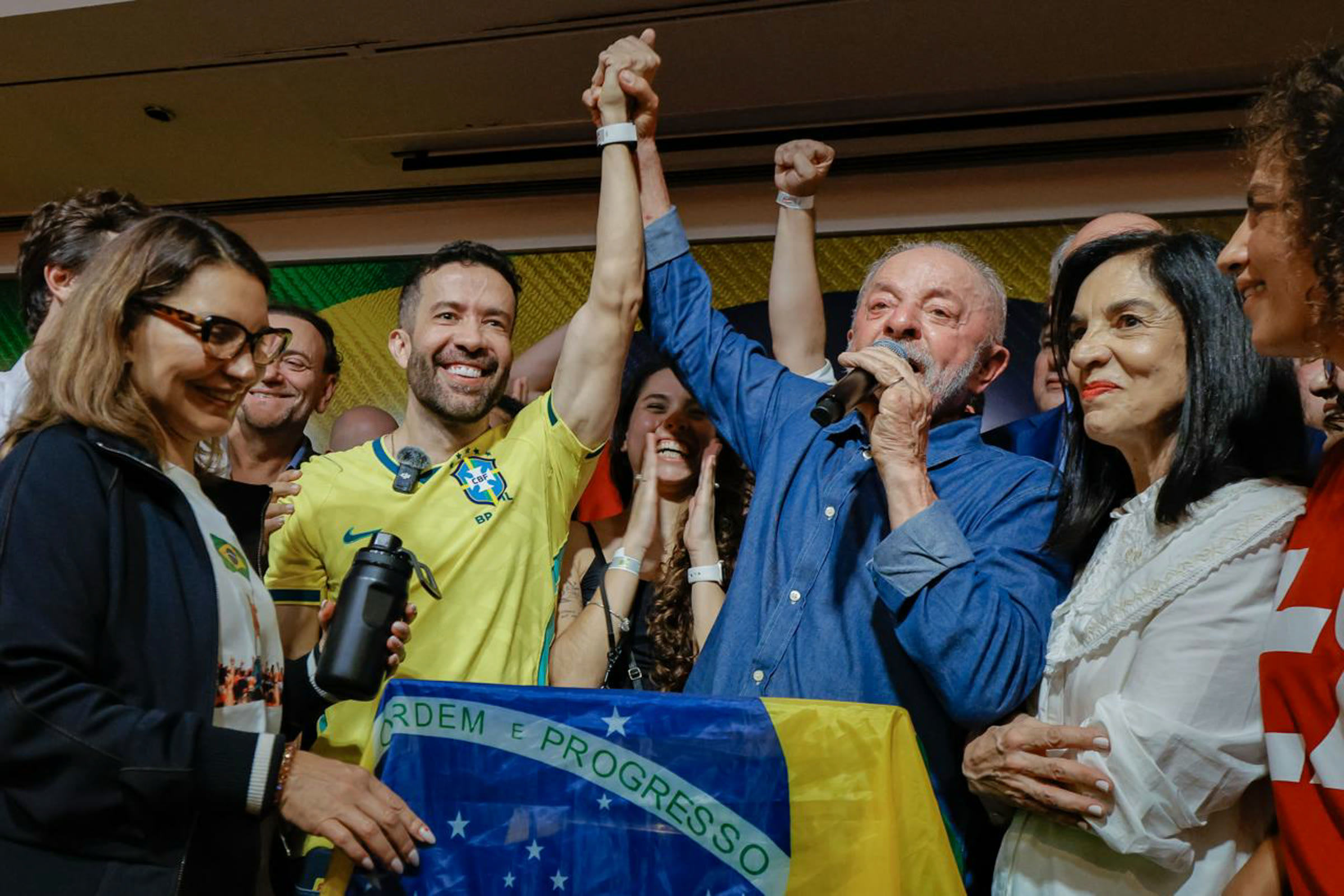
Lula's 64.3 million votes marked the highest number ever won by a presidential candidate in Brazil. The previous record also belonged to Lula, who received 60.3 million votes in 2022.
Voting extended by two hours
On election day, Superior Court Justice Cristiano Zanin ruled, at the request of both candidates, that polling stations would remain open for an additional two hours, just three minutes before voting was due to end. The Lula camp cited transportation problems in São Paulo and Salvador, while the Bolsonaro camp cited heavy rain in the country's south. The extension delayed the count by two hours.
Lawmaker Nikolas Ferreira, who is close to Bolsonaro, recalled that Zanin, who issued the ruling, had previously served as Lula's lawyer. The ruling could prompt the Bolsonaro camp to pursue legal action.
New term to begin on January 5
Lula served two presidential terms between 2003 and 2010 and was elected for a third time in 2022. The 80-year-old leader's new term will begin on January 5, 2027.
In the election, in which the cost of living and security concerns were prominent, Bolsonaro campaigned on a pledge to take a tough approach to crime and lower food prices. Lula, who criticized U.S. President Donald Trump's policies, argued that U.S. influence over Brazil would increase if Bolsonaro won.
Have a story, event or announcement of your own?Send us your news on WhatsApp
Spotted an error in this story?Report it on WhatsApp
Share on all social platforms
Sponsored Ads
Featured Listings
Loading featured properties...
Stay Updated with The Turkiye Times
Subscribe to be informed about special news, developments and announcements. We will keep you informed.
By signing up, you agree to our Privacy Policy