- BIST10011,123+0.05%
- USD49.65+0.05%
- EUR55.60-0.19%
- GOLD4,031.00+0.58%
- INTEREST36.00%-1.00
- BITCOIN80,375+0.42%
- October 26, 202619°
- BIST10011,123+0.05%
- USD49.65+0.05%
- EUR55.60-0.19%
- GOLD4,031.00+0.58%
- INTEREST36.00%-1.00
- BITCOIN80,375+0.42%
- October 26, 202619°
Vučić loses Serbia election as Student List ends 14-year SNS rule
The Student List, which emerged from student protests, came first with about 51.5 percent of the vote in Serbia's snap general election on October 25. Aleksandar Vučić conceded defeat and announced that his party's 14-year rule had ended.


The Student List, which emerged from nearly two years of student protests, won Serbia's snap general election held on Sunday, October 25. Aleksandar Vučić, who was running for prime minister, conceded defeat about an hour and a half after the polls closed.
"It is clear from the stratified sample results that we have lost this election. The Student List has won," Vučić said. According to Vučić's estimate, the Student List will win 135-140 seats in the 250-seat parliament, while the Serbian Progressive Party (SNS) will win approximately 105 seats.
Record turnout
According to preliminary results from the independent election monitoring organization CRTA, the Student List received about 51.5 percent of the vote, while the "United Serbia" alliance led by Vučić received around 40 percent. Turnout approached 70 percent, reaching its highest level since 2000. Minority lists, including the party representing the Hungarian minority, also won parliamentary representation.
Vučić, who resigned from the presidency in September to enter the race for prime minister, cast his ballot in the capital Belgrade on the morning of election day.
Celebrations in Belgrade
After the results, supporters of the Student List took to the streets in several cities, particularly Belgrade, to celebrate the victory. Crowds honked their horns and chanted, "Aleksandar is gone."
Student List candidate Radomir Saičić said, "Tonight, the citizens of Serbia showed that no obstacle is greater than their will."
Process began with Novi Sad tragedy
The student movement began after 16 people died when a concrete canopy at Novi Sad railway station collapsed in November 2024. Protesters held corruption and favoritism responsible for the tragedy. The students themselves did not run as candidates; the list included experts, athletes, farmers and artists.
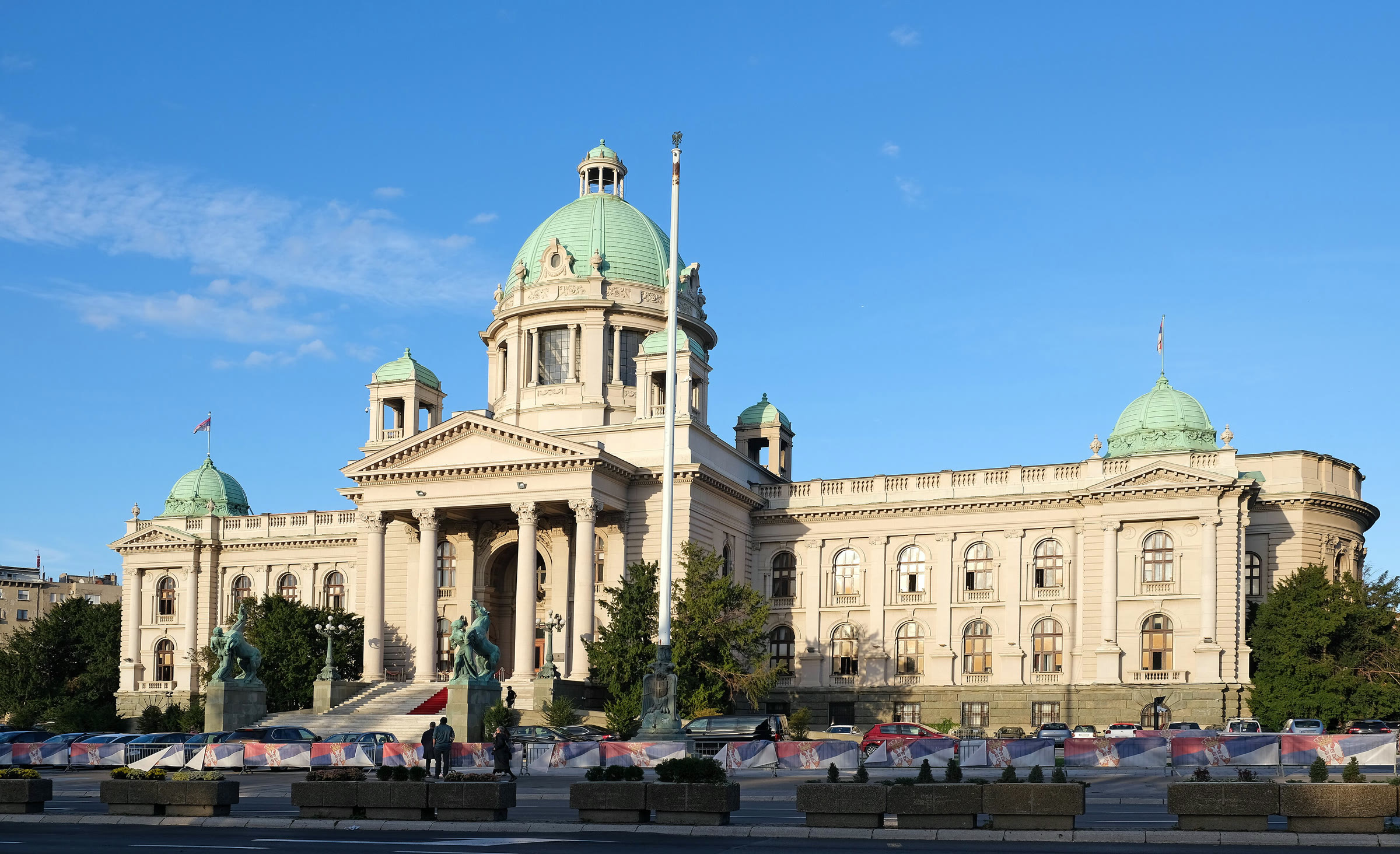
While conceding defeat, Vučić blamed independent media and some European countries, describing the election as "confirmation of a revolution carried out with the support of various European countries." CRTA said it recorded irregularities on election day, including pressure on voters and the obstruction of polling station officials.
Serbia, a candidate country for EU membership, is awaiting the new government's approach to its relations with Brussels, Moscow and Beijing. During Vučić's tenure, relations between Türkiye and Serbia also developed in the political and economic spheres.
Stay Updated with The Turkiye Times
Subscribe to be informed about special news, developments and announcements. We will keep you informed.
By signing up, you agree to our Privacy Policy