According to a statement from the Ministry of Energy and Natural Resources, storing liquefied natural gas (LNG) that arrives by ship, regasifying it when needed, or dispatching it in liquid form via road tankers adds flexibility to energy supply security while also ensuring source diversity.
Located in Tekirdağ, the Marmaraereğlisi LNG Terminal plays a strategic role, especially during winter months when natural gas consumption is high, with a daily regasification capacity of 37 million cubic meters. The terminal accommodates conventional vessels from the global LNG fleet as well as high-capacity Q-Flex and Q-Max class ships.
With an average of 65 LNG carriers docking annually, the terminal meets approximately 15 percent of Turkey's annual natural gas demand on its own, standing out as one of the most important elements of energy supply security.
The terminal, which stores LNG arriving by ship and feeds it into the national transmission system after regasification, also carries out road tanker filling, bunkering, and reloading operations. Its capacity will be increased by 160,000 cubic meters with the fourth storage tank, construction of which has begun.
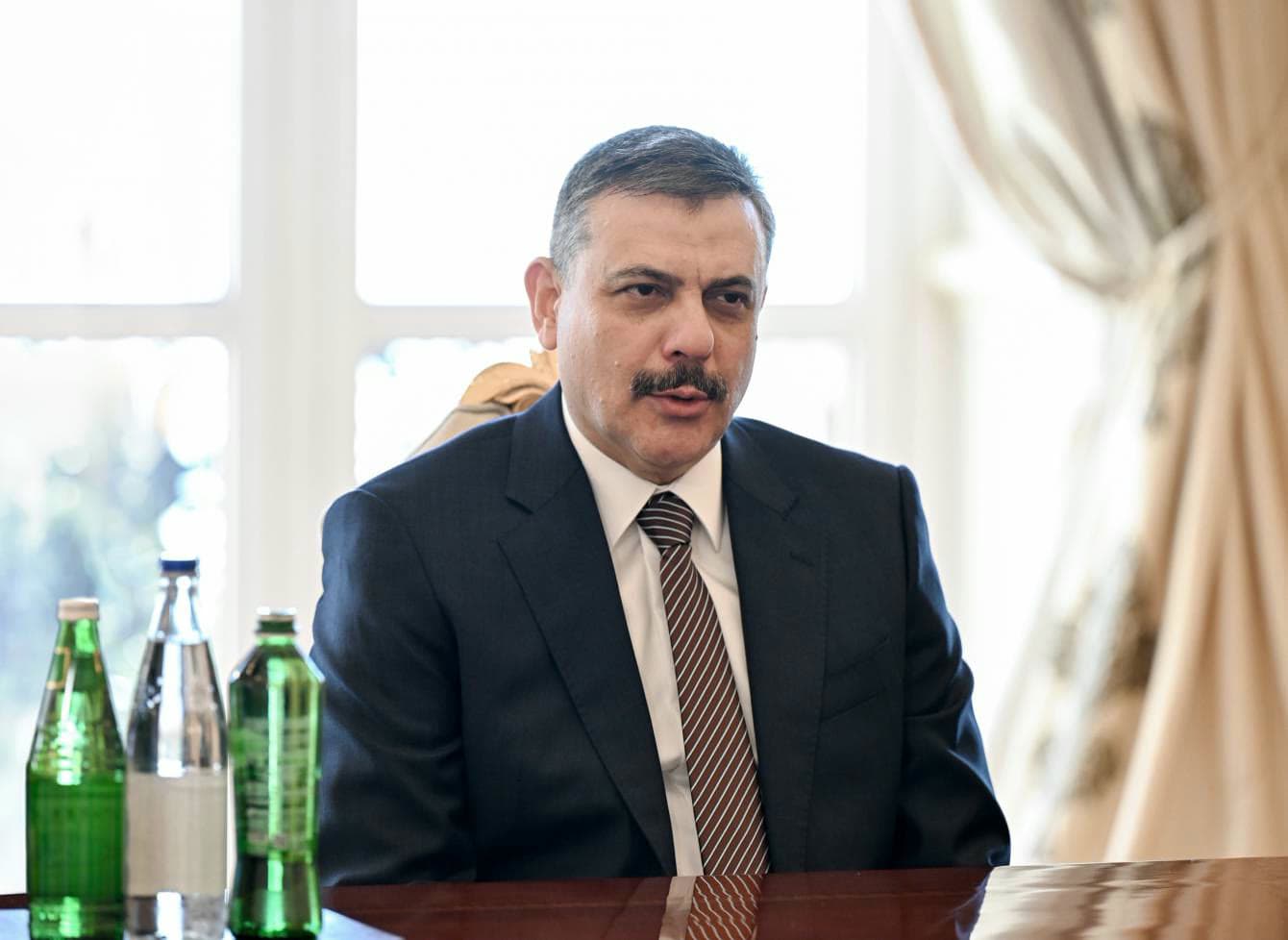
In the statement, Minister of Energy and Natural Resources Alparslan Bayraktar noted that the Marmaraereğlisi LNG Terminal's ability to procure natural gas from different sources, along with its high storage capacity and strong regasification infrastructure, makes it one of the critical elements of Turkey's energy supply security.
Pointing out that fluctuations in global energy markets demonstrate the importance of strong infrastructure, Bayraktar said: 'This new investment will strengthen our natural gas infrastructure. The facility's total LNG storage capacity will increase from 255,000 cubic meters to 415,000 cubic meters. Such investments in our natural gas infrastructure will increase our resilience against crises.'
Turkey has a total of five LNG entry points, consisting of two LNG terminals and three Floating Storage and Regasification Units (FSRUs). In addition to the Marmaraereğlisi LNG Terminal, the Dörtyol FSRU and Saros FSRU are operated by BOTAŞ. In line with the National Energy and Mining Policy, the LNG regasification capacity, which was 34 million cubic meters per day in 2016, has increased approximately fivefold to reach 161 million cubic meters today.
The ministry aims to increase capacity to 200 million cubic meters per day with two new FSRUs.