- BIST10010,760-3.64%
- USD49.79+0.05%
- EUR55.52-0.41%
- GOLD3,884.90-3.63%
- INTEREST36.00%-1.00
- BITCOIN76,737-1.36%
- October 31, 202613°
- BIST10010,760-3.64%
- USD49.79+0.05%
- EUR55.52-0.41%
- GOLD3,884.90-3.63%
- INTEREST36.00%-1.00
- BITCOIN76,737-1.36%
- October 31, 202613°
Poland's Constitutional Court chief and deputy suspended as Nawrocki returns
Poland's Constitutional Court President Bogdan Święczkowski and his deputy were suspended for one month by judge Anna Korwin-Piotrowska, elected by the Sejm. As police entered the court grounds, President Karol Nawrocki turned back his plane bound for Senegal and returned to Poland.
The Turkiye Times Editorial DeskUpdated:
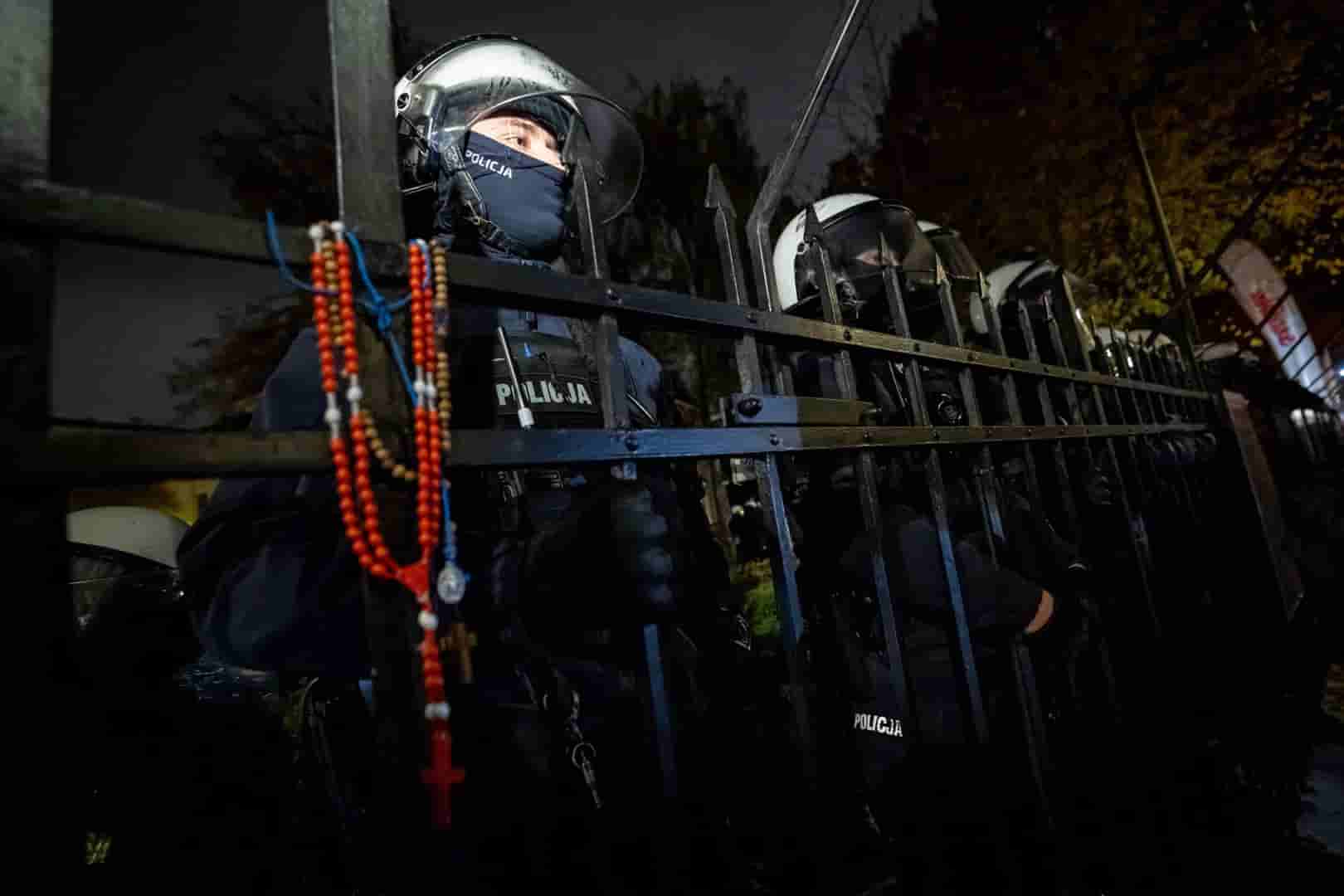
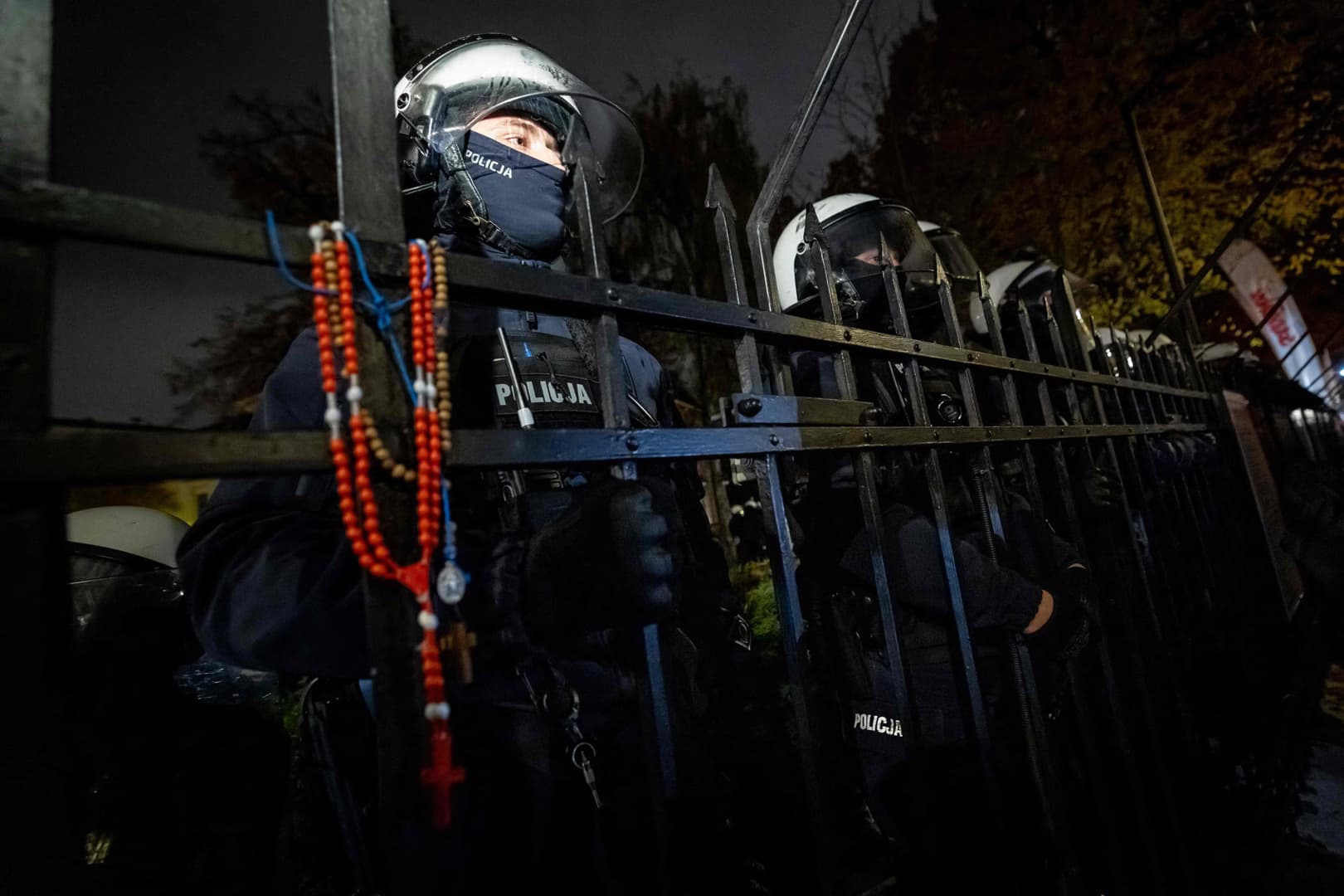
Poland's long-running Constitutional Court crisis took a new turn on October 30. Court President Bogdan Święczkowski and Deputy President Bartłomiej Sochański were suspended for one month, while police entered the court grounds. President Karol Nawrocki, meanwhile, turned back his plane bound for Senegal and decided to return to Poland.
Sejm-elected judge issued the decision
The suspension decision was issued by Anna Korwin-Piotrowska, one of the judges elected by the Sejm in 2026. President Nawrocki had refused to accept Korwin-Piotrowska's oath, while Święczkowski had prevented the judge from participating in cases before the court. Korwin-Piotrowska temporarily took over the court's administration after suspending its president and deputy president.
The decision was announced on the court's website at around 6 p.m. local time; the site was taken offline shortly afterward. Korwin-Piotrowska called police to the court, citing a possible threat to the safety of judges and staff.
Police said they entered the court grounds after dangerous objects were thrown at officers during incidents outside the court, but did not enter the building. Dozens of protesters gathered outside the court to protest the decision, and 3 people were detained after some protesters climbed over the fences. Claims that police acted directly on the orders of Prime Minister Donald Tusk were not officially confirmed.
Nawrocki: The president should be in Poland at a time like this
President Nawrocki, who was traveling to Senegal, announced that he was returning to Poland, saying, "The president should be in Poland at a time like this."
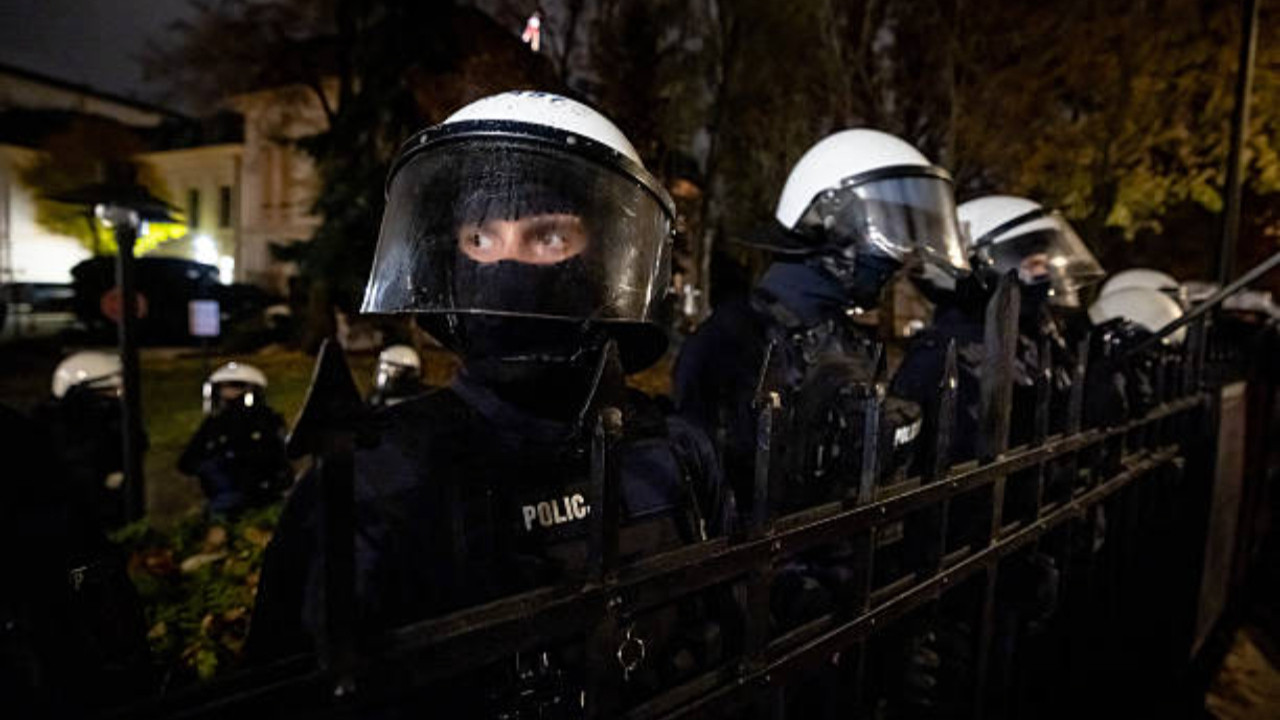
Prime Minister Tusk said, "It is our duty to restore the rule of law." Acknowledging that the process was "sometimes painful," Tusk said, "There is no other way." Tusk accuses Święczkowski of preventing judges elected by the Sejm majority from taking office.
Opposition accuses government of a coup
Jarosław Kaczyński, leader of the main opposition Law and Justice Party (PiS), described the events as a "coup," called on President Nawrocki to intervene and said Poland was becoming a police state.
Former Justice Minister Zbigniew Ziobro also described the decision as "an open and criminal attack on the constitutional order" and called for "loud, determined, united and fearless resistance."
Background to the crisis
The crisis stems from a deep dispute over the court's structure. PiS, which was in power from 2015 to 2023, was criticized for establishing political control over judicial institutions, and the European Union imposed a fine on Poland over the arrangements.
Former President Andrzej Duda, who was close to PiS, appointed Święczkowski as court president.
The pro-EU Tusk government, which came to power in 2023, does not recognize the court's rulings because of the judges appointed during the PiS era. Nawrocki and Święczkowski, meanwhile, do not recognize the judges elected by the Sejm in 2026; this year, Nawrocki refused to accept the oaths of 3 of the 6 judges nominated by the Sejm.
Have a story, event or announcement of your own?Send us your news on WhatsApp
Spotted an error in this story?Report it on WhatsApp
Share on all social platforms
Sponsored Ads
Featured Listings
Loading featured properties...
Stay Updated with The Turkiye Times
Subscribe to be informed about special news, developments and announcements. We will keep you informed.
By signing up, you agree to our Privacy Policy