- BIST10012,151-0.94%
- USD49.220.00%
- EUR55.21+0.28%
- GOLD4,195.70-0.49%
- INTEREST37.00%-1.00
- BITCOIN82,434-1.48%
- October 12, 202619°
- BIST10012,151-0.94%
- USD49.220.00%
- EUR55.21+0.28%
- GOLD4,195.70-0.49%
- INTEREST37.00%-1.00
- BITCOIN82,434-1.48%
- October 12, 202619°
Robert Hall and Michael Woodford win the 2026 Nobel economics prize
The Royal Swedish Academy of Sciences awarded the 2026 economics prize to Stanford’s Robert E. Hall and Columbia’s Michael Woodford for the microeconomic foundations of macroeconomic stabilization policy.
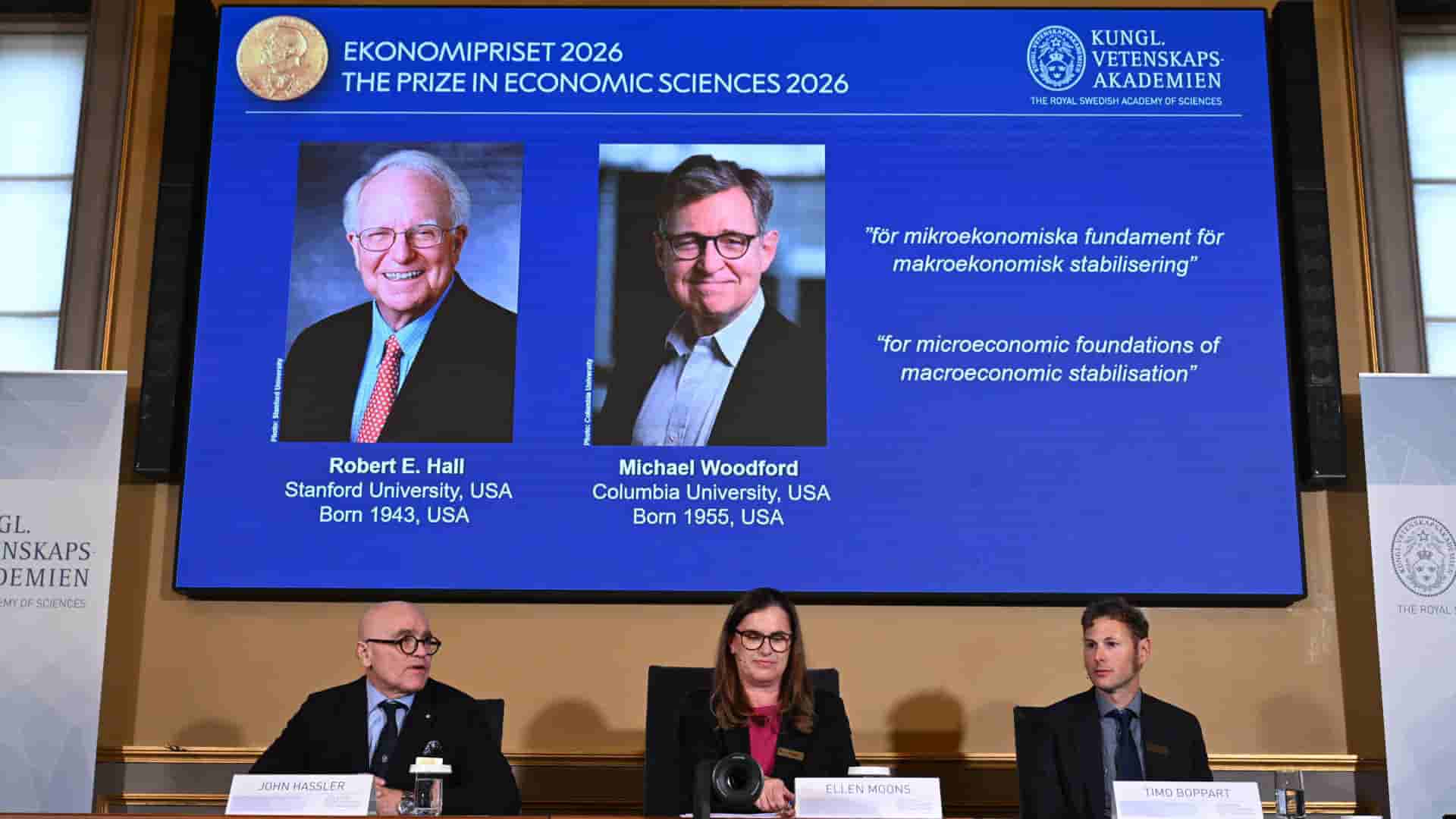

The Royal Swedish Academy of Sciences awarded the 2026 Nobel prize in economics to U.S. economists Robert E. Hall and Michael Woodford “for microeconomic foundations of macroeconomic stabilisation.”
The models the two developed lie at the heart of the policy tools central banks and governments use to smooth out economic swings. Many of today’s models that estimate how interest-rate decisions affect inflation and jobs build on their work.
Two names from Stanford and Columbia
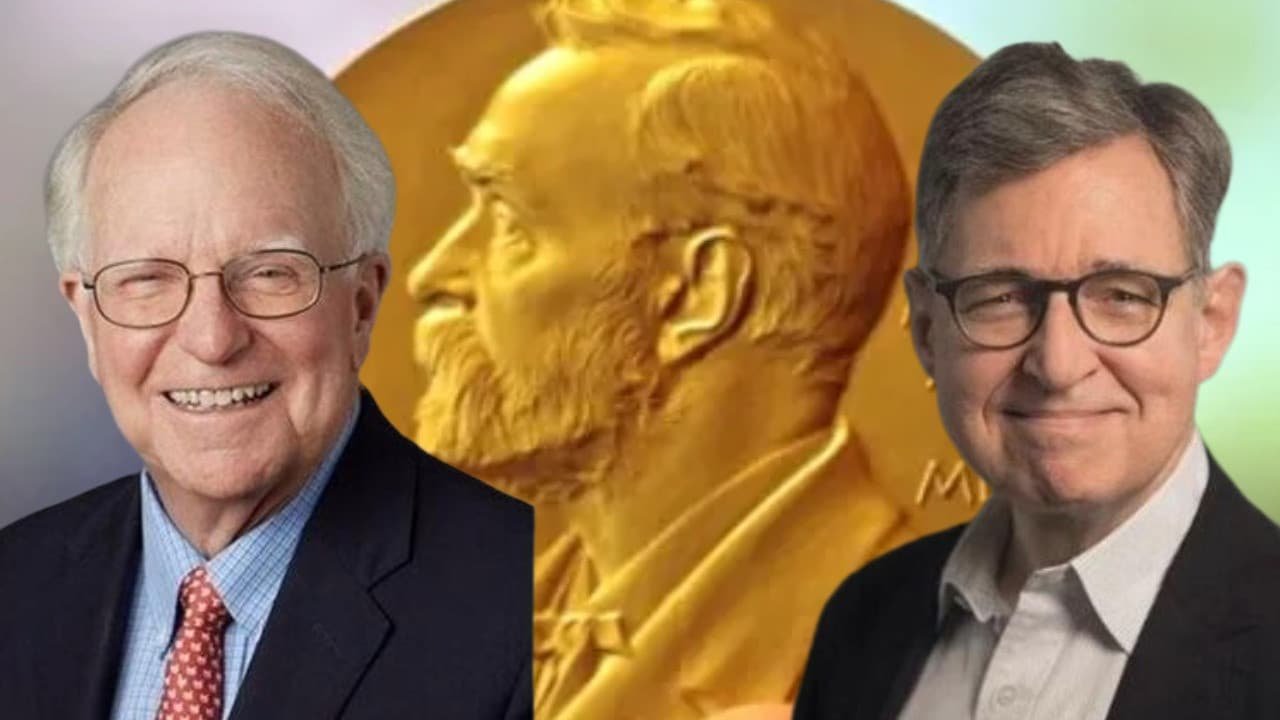
Hall, born in 1943, is a professor at Stanford University and a senior fellow at the Hoover Institution. A specialist in unemployment, labor markets and monetary policy, he chaired for many years the NBER committee that dates the start and end of U.S. recessions.
Woodford, born in 1955, teaches at Columbia University. Regarded as a pioneer of the New Keynesian approach, his 2003 book “Interest and Prices” is considered a cornerstone of modern central banking.
The prize, formally the Sveriges Riksbank Prize in Economic Sciences in Memory of Alfred Nobel, carries 12 million Swedish crowns, shared equally. It was the last award announced in the 2026 Nobel season.
Stay Updated with The Turkiye Times
Subscribe to be informed about special news, developments and announcements. We will keep you informed.
By signing up, you agree to our Privacy Policy