- BIST10012,151-0.94%
- USD49.220.00%
- EUR55.21+0.28%
- GOLD4,192.30-0.57%
- INTEREST37.00%-1.00
- BITCOIN82,747-1.11%
- October 12, 202619°
- BIST10012,151-0.94%
- USD49.220.00%
- EUR55.21+0.28%
- GOLD4,192.30-0.57%
- INTEREST37.00%-1.00
- BITCOIN82,747-1.11%
- October 12, 202619°
Taşkent panel calls for transport and energy to drive Turkic world cooperation
A panel in Taşkent emphasized that cooperation within the Organization of Turkic States should produce concrete results in transport, energy, technology, trade and investment. The goal of increasing trade between Türkiye and Uzbekistan to $5 billion in the short term and $10 billion in the medium term was also discussed.


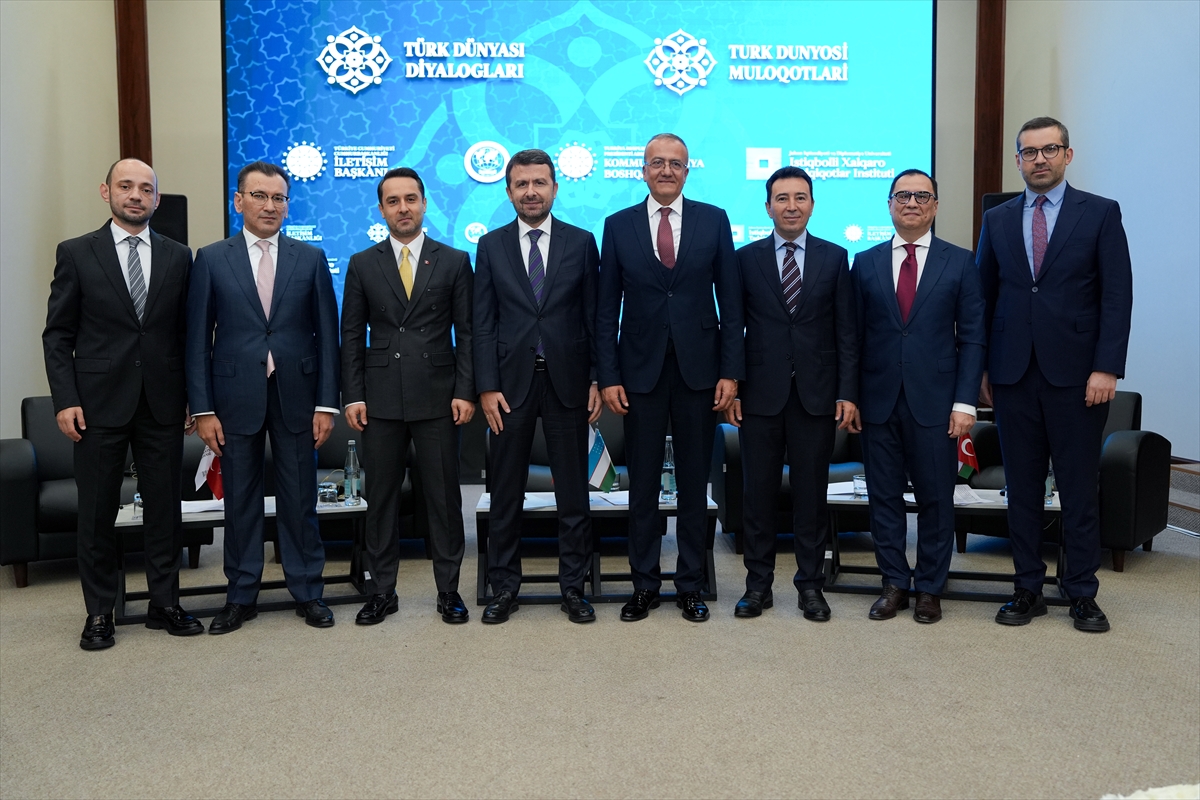
A panel on cooperation and a shared vision for the future in the Turkic world was held in Taşkent. Following events in Astana and Baku, the event was the third installment of a panel series organized ahead of the 13th Summit of the Heads of State and Government of the Organization of Turkic States (OTS), scheduled to take place in Ankara on Oct. 29-30.
The opening speeches were delivered by Sadık Safayev, First Deputy Chairman of the Senate of the Oliy Majlis of Uzbekistan and rector of the University of World Economy and Diplomacy, and Türkiye's Ambassador to Taşkent Ufuk Ulutaş. Burhanettin Duran, head of Türkiye's Communications Directorate, also addressed participants in a video message.
Call for concrete results in cooperation
Drawing attention to the OTS's vision of openness to international cooperation, Duran emphasized the importance of partnerships developed in transport, energy, trade and the digital economy across the Turkic world. He said solidarity among Turkic states should be strengthened in the face of international crises and rising geopolitical competition, adding that their shared history and cultural heritage guide cooperation.
Duran also highlighted the importance of cooperation in media and communications. He called for increased exchange of information and expertise to counter disinformation, hate speech and digital manipulation, the development of joint platforms, and stronger communications capacity during periods of crisis.
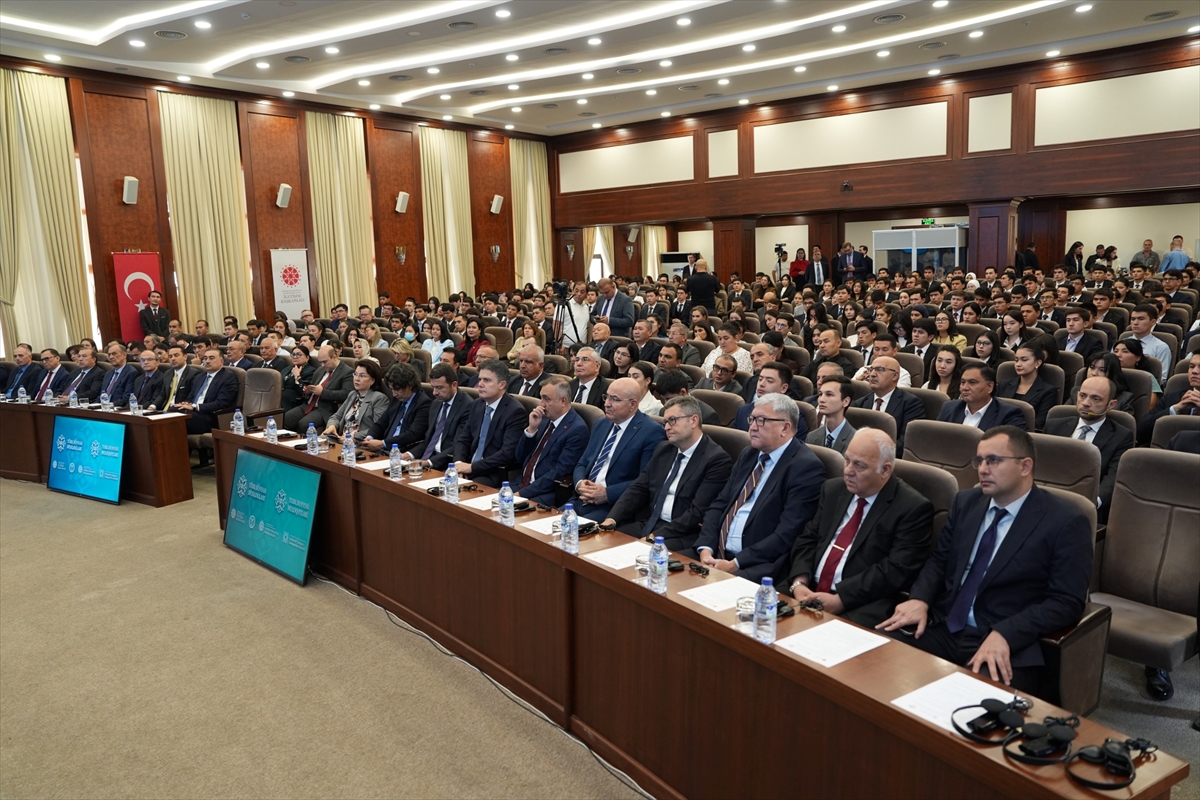
The panel discussed strengthening political, economic, academic and social ties, as well as moving cooperation within the OTS framework into more concrete and sustainable areas. It emphasized the need to increase interaction among universities, young people and think tanks, alongside cooperation in transport, energy, technology, trade and investment.
Transport and infrastructure links take center stage
Yusuf Özhan, who moderated the panel, said regional cooperation and multilateral relations had gained greater importance at a time of growing international uncertainty and security risks. Özhan said accurately conveying developments in the Turkic world to the public and strengthening a shared narrative were important for public diplomacy.
Ambassador Cavlon Vahabov, deputy adviser to the president of Uzbekistan on foreign policy and director of the International Institute of Central Asia, said OTS cooperation should focus on deepening economic ties, strengthening transport and infrastructure links, and increasing the exchange of technology and expertise.
Vahabov listed developing the technological capacity of small and medium-sized enterprises, training human resources in line with the needs of the labor market, modernizing energy infrastructure and strengthening cooperation among think tanks as priority areas. He emphasized that the results of cooperation should be reflected in new job opportunities, higher productivity and improved living standards.
Hasan Ali Karasar, rector of Cappadocia University, said cooperation in the Turkic world should produce concrete results beyond shared history and cultural ties. Saying success should be measured not by the number of meetings but by the capacity to implement decisions, Karasar called for a shared resilience approach in cybersecurity, disaster response, energy and supply chains.
Karasar said the value of the Middle Corridor did not consist solely of transit revenues, and that transport links should be leveraged to create production, investment and employment within the region. He said Turkic world countries did not have to share the same foreign policy choices, adding that strong cooperation should expand countries' options while respecting their differences.
Trade volume target discussed
Fırat Purtaş, dean of the Faculty of Economics and Administrative Sciences at Ankara Hacı Bayram Veli University, said relations among Turkic states had developed institutionally and economically since the first Turkic World Summit in 1992. Purtaş said the goal was to raise trade between Türkiye and Uzbekistan to $5 billion in the short term and $10 billion in the medium term.
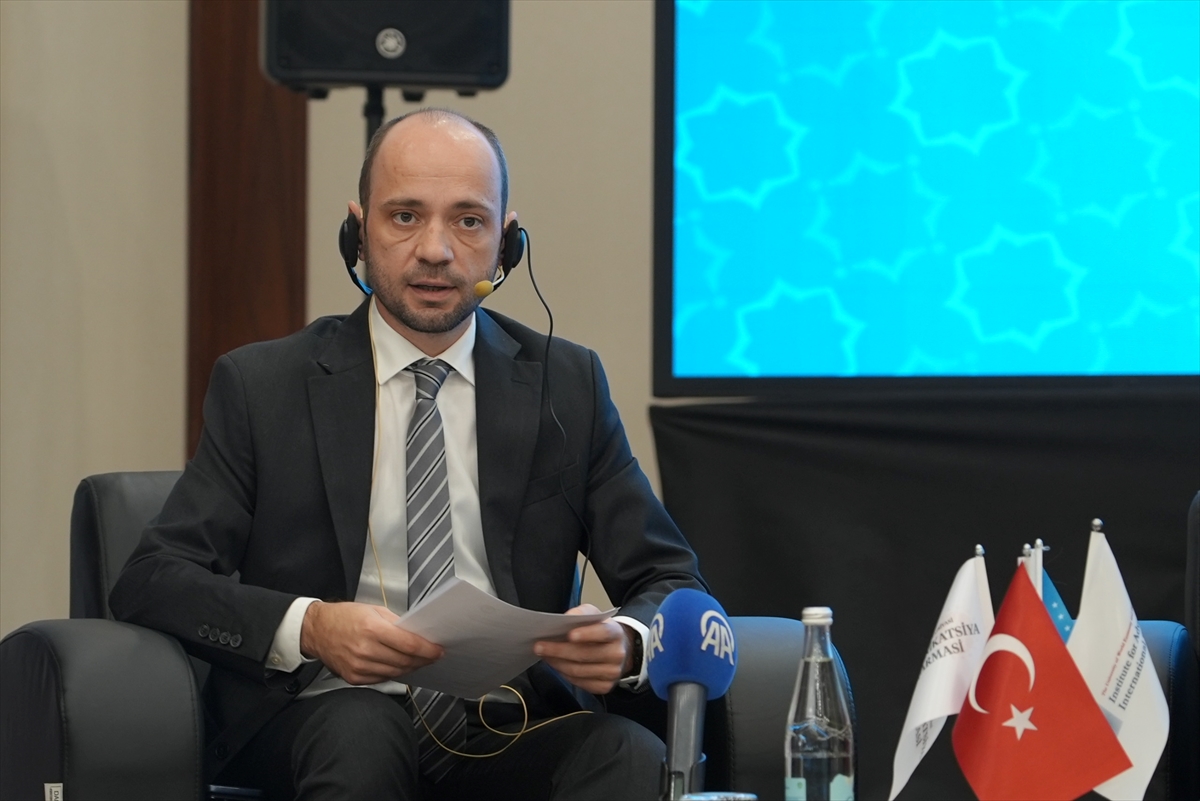
Purtaş emphasized that, alongside economic integration, strengthening interaction among universities, academics and young people was also important for the future of the Turkic world.
Uluğbek Hasanov, a faculty member at Uzbekistan's University of World Economy and Diplomacy, said holding the event at the university was symbolically important for young researchers and students. Hasanov said investment, logistics and technology projects offered opportunities not only for Uzbekistan but also for Central Asia and the Caspian region.
Meeting held with members of the press
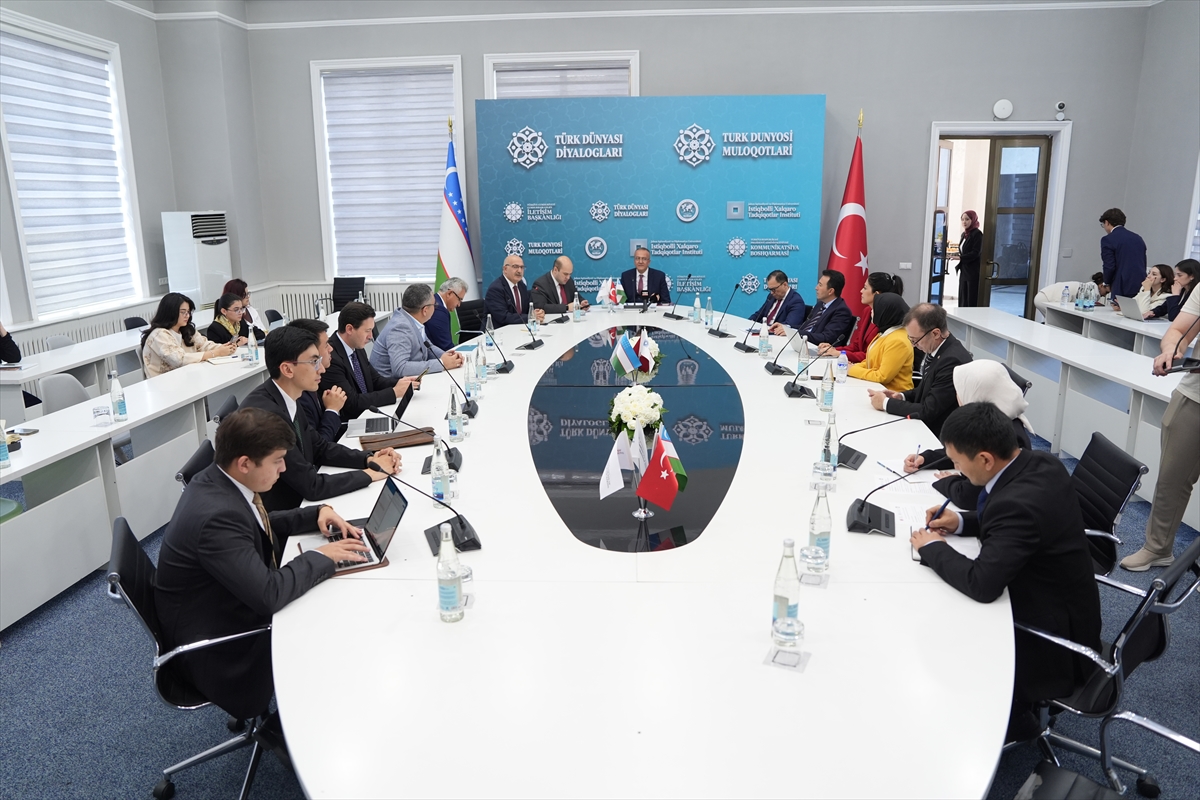
The second part of the event featured a meeting with members of the press working in Taşkent. The meeting addressed the importance of the 13th OTS Summit in Ankara for political, economic and institutional integration in the Turkic world.
Transport, security and foreign policy cooperation among member countries were also on the agenda. The participants also discussed increasing student and academic mobility in higher education, the contribution of academic diplomacy, passing shared history and culture on to future generations, and the impact of the Turkish television and film industry on cultural rapprochement.
Stay Updated with The Turkiye Times
Subscribe to be informed about special news, developments and announcements. We will keep you informed.
By signing up, you agree to our Privacy Policy

















