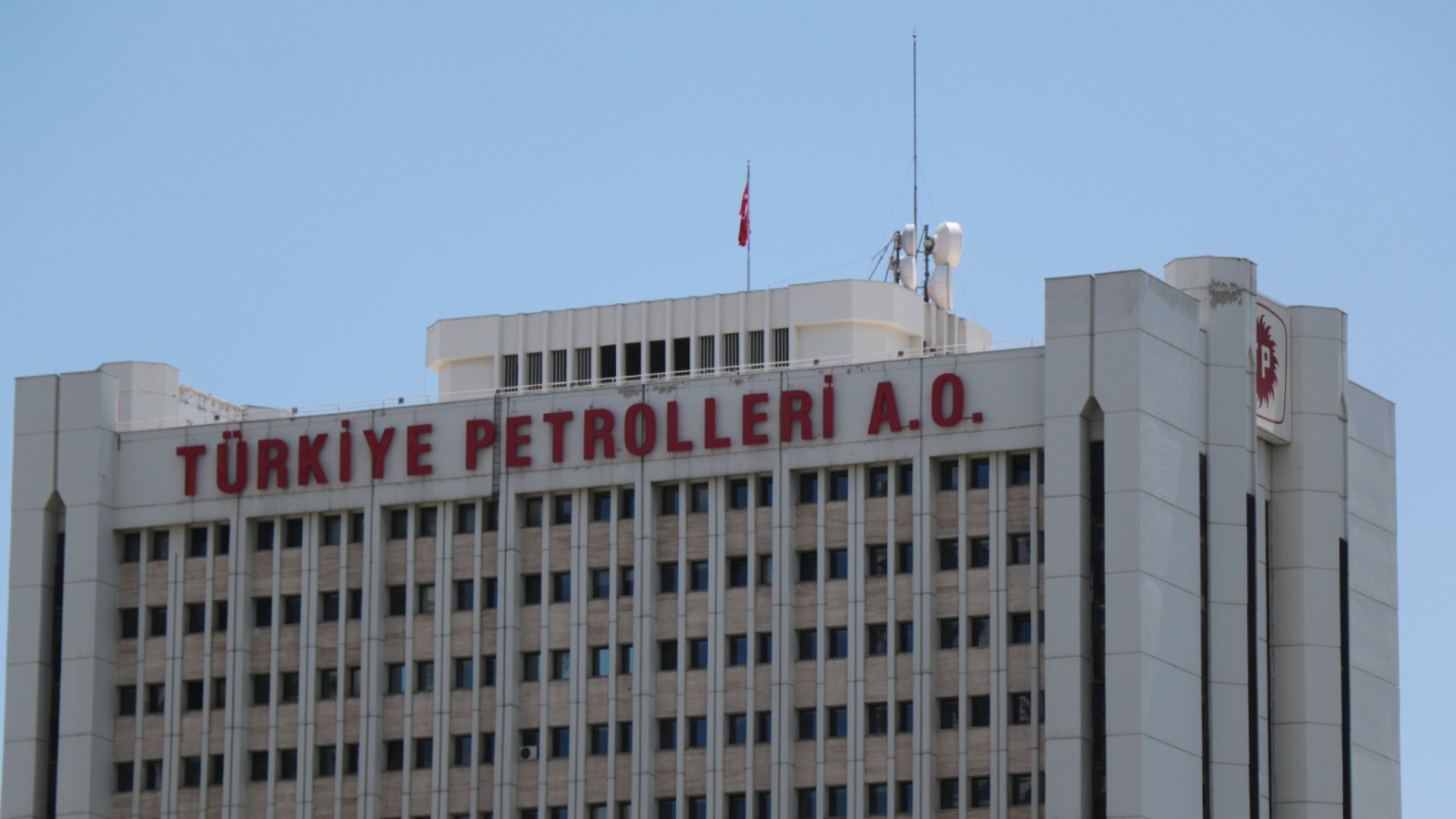
Türkiye Petrolleri Anonim Ortaklığı (TPAO) is transferring the technical capacity it has developed domestically in recent years to exploration, drilling and production projects abroad. The company’s activities in Somalia, Iraq and Bulgaria mark a new period of expansion for its international energy portfolio.
Domestic capacity becomes an international portfolio
Under the National Energy and Mining Policy announced in 2017, Türkiye set out to explore and bring domestic resources into production in order to reduce its dependence on foreign oil and natural gas. The discoveries at the Sakarya Gas Field and in Gabar enabled TPAO to gain experience across processes ranging from seismic surveys and deep-sea drilling to field development and production.
Türkiye has the world’s fourth-largest energy fleet, comprising six deep-sea drilling vessels and two seismic research ships. This capacity is expected to be used not only in Türkiye’s land and maritime areas but also to explore potential resources in friendly and allied countries and bring them into the economy.
Somalia becomes its first operation in Africa
TPAO’s first operation in Africa began in Somalia following an agreement signed in 2024. After seismic data collection, the Çağrı Bey drilling vessel began drilling at the CURAD-1 well in Somalia in April 2026. This marked the first time Türkiye conducted deep-sea drilling outside its own maritime jurisdiction areas.
Following its expansion into Somalia, Türkiye signed energy cooperation agreements with Angola, Gabon and The Gambia. TPAO also joined consortia for exploration activities in Pakistan’s offshore areas.
An agreement signed with Hungary-based MOL in April 2025 paved the way for TPAO to participate in exploration and production activities at the Buzsak and Tamasi fields. The project became the company’s first exploration and production operation in Europe.
Direct partnership in Kirkuk
In the first months of 2026, TPAO signed various agreements with global energy companies including ExxonMobil, Chevron, bp, Shell and TotalEnergies. One of the most significant steps in this process was the purchase of a 15 percent stake in BP Energy Company of Kirkuk Limited.
Through this partnership, TPAO joined the field development program in Kirkuk alongside bp and ConocoPhillips. The program covers the Baba and Avanah domes, which are estimated to contain more than 3 billion barrels of oil equivalent in resources, as well as the Bai Hassan, Jambur and Khabbaz fields.
The initial objective is to increase existing production at the fields and identify additional potential. TPAO also operates in Iraq’s Missan, Badra and Siba projects. The Kirkuk partnership shifts the company’s role in Iraqi oil from transportation to direct production partnership.
Offshore exploration license in Bulgaria
With the approval of the Bulgarian government, TPAO acquired a 33 percent stake in the Khan Tervel Field project in the Black Sea. Operated by Shell, which holds a 42 percent stake, and with OMV owning a 25 percent share, the project covers an area of approximately 3,800 square kilometers.
Located near Türkiye’s Sakarya Gas Field, the area will first undergo seismic surveys during the five-year license period, followed by exploration drilling if the data produce positive results. TPAO’s participation in the same consortium as Shell and OMV Petrom allows the company to apply the maritime and drilling experience it gained in the Black Sea to an international project.
Balancing exploration and production risks
The addition of a production field in Iraq and an exploration license in Bulgaria to the portfolio during the same period enables TPAO to manage projects with different risk profiles in parallel. While the Iraqi project provides access to a mature hydrocarbon region where existing production can be increased, the Bulgarian project offers long-term exploration potential.
International partnerships enable costs and risks to be shared in high-cost exploration and production projects and bring together technical expertise. For TPAO, success will be measured not only by the number of agreements signed but also by their conversion into seismic surveys, drilling, field development and production.
Developments in Somalia, Iraq and Bulgaria show that TPAO is advancing its transformation into an international energy company that accesses resources, assumes risks and partners in production across different regions.