Work is underway to develop new seed varieties resistant to drought and disease under a platform established in 2023 as part of TÜBİTAK's Center of Excellence Support Program.
Several universities as well as agricultural and technology companies are involved in the Platform for Sustainable Agricultural Technologies Compatible with Global Climate Change in Türkiye's Agricultural Production. The project, prepared by Prof. Dr. Ebru Yaşa Kafkas, a faculty member of the Department of Horticulture at Çukurova University's Faculty of Agriculture, is being carried out in partnership with Kilis University, the Adana Biological Control Research Institute and the Alata Horticultural Research Institute in Mersin.
Work focuses on four product groups
Strawberries, citrus fruits, wheat and peppers were selected for the project based on their production, consumption and export potential. Faculty members and master's and doctoral students from Uzbekistan, Egypt, South Africa, Pakistan, Iran, Syria, Spain and Morocco are also contributing to the project.
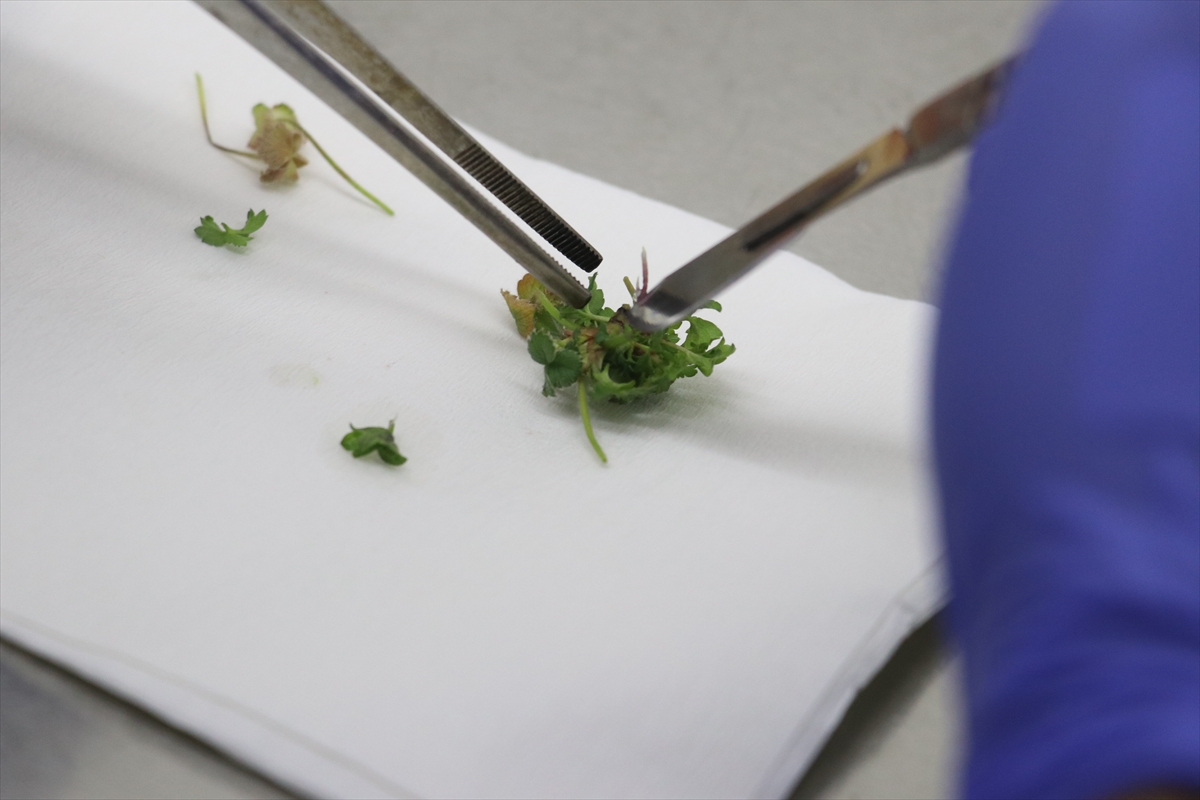
TÜBİTAK has provided approximately 18 million liras in support for the project. New equipment was purchased for the laboratory, and a greenhouse was installed on the roof of the Çukurova University Department of Horticulture building as part of the work.
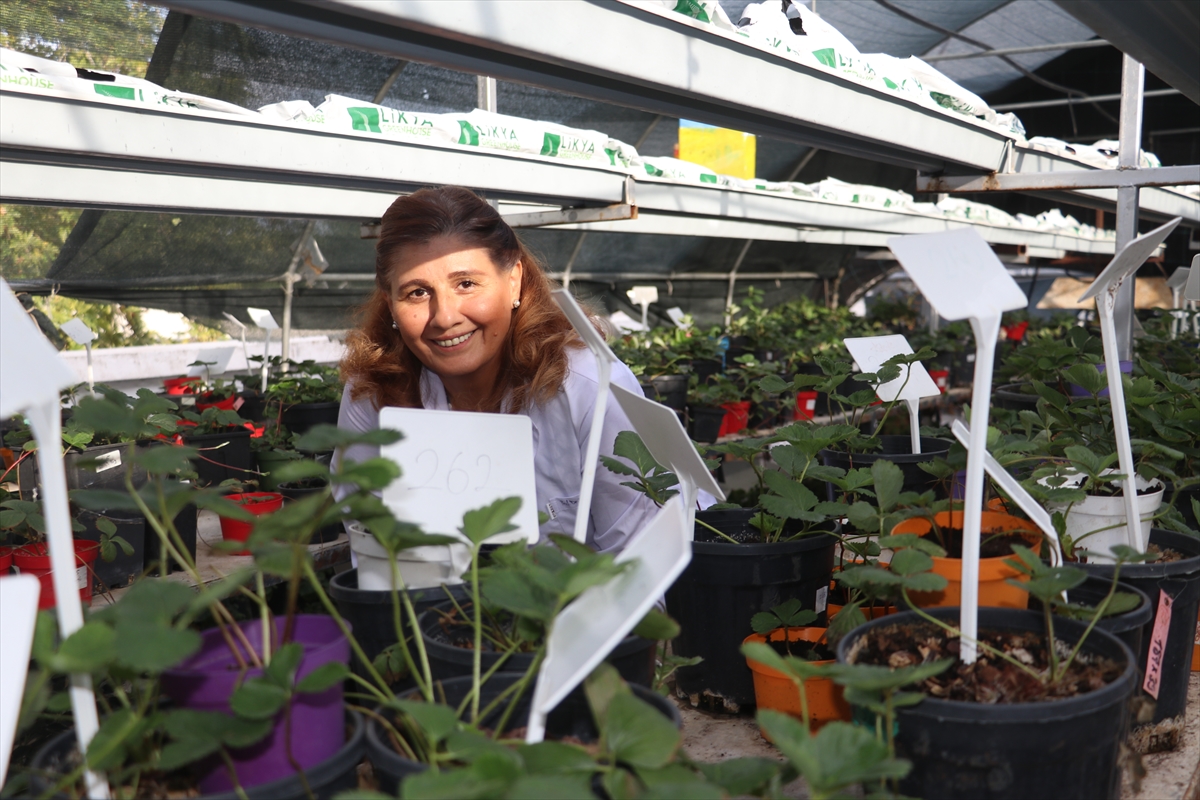
Experimental plantings are being carried out in the greenhouse for strawberry, citrus, wheat and pepper varieties developed in the laboratory. The work aims to identify the varieties most resistant to disease and drought.
Drought, salinity and disease risks are in focus
Project leader Prof. Dr. Kafkas said global climate change was adversely affecting agricultural production. Kafkas said excessive irrigation was being used because of high temperatures and drought, adding that this was causing salinity problems in soils and changes in disease types and pest populations in plants.
Kafkas said the increase in the number and impact of diseases was adversely affecting human and environmental health, particularly because of pesticide use. The work aims to develop strawberry varieties resistant or highly tolerant to diseases.
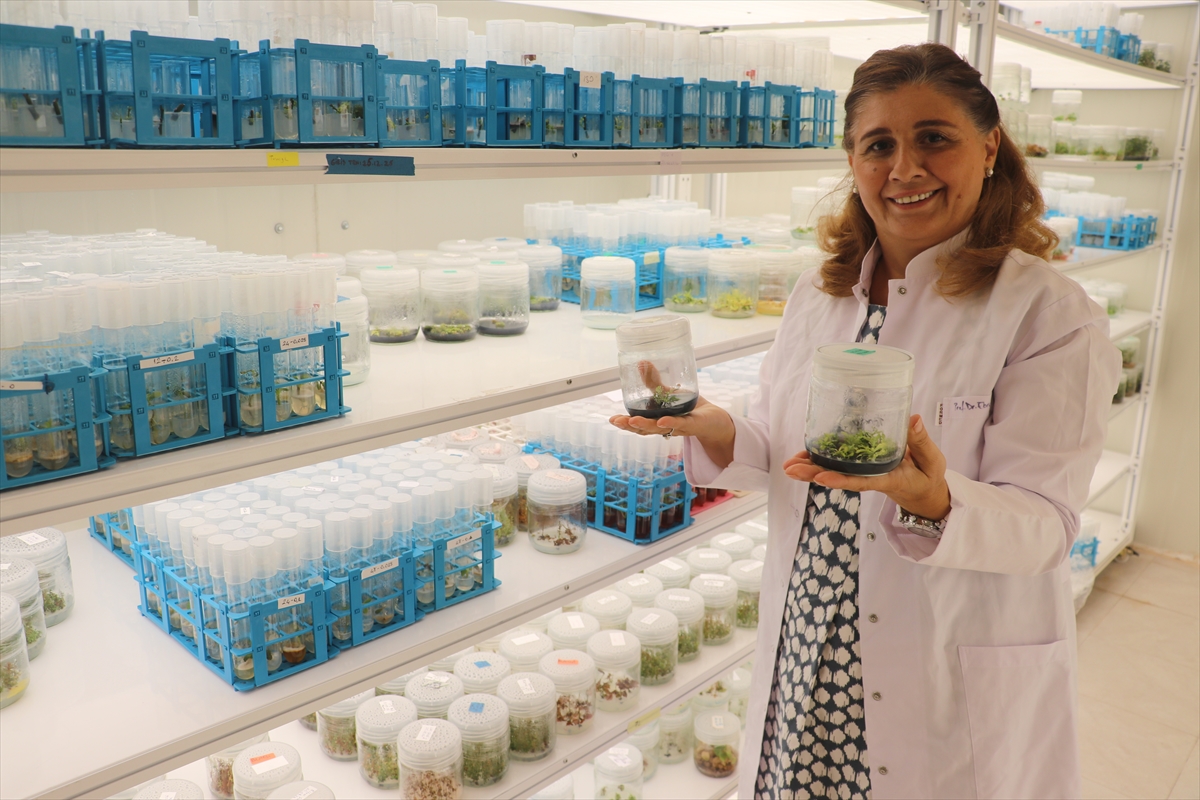
New pepper and hot pepper varieties resistant to drought, salinity and disease are planned to be developed. For wheat, work is being carried out on drought-resistant varieties suitable for spring and winter production as well as for the pasta and semolina industries.
The project also aims to develop new citrus rootstocks with high drought tolerance and resistance.
Trials will be conducted under grower conditions
Kafkas said positive results had been achieved during the development phase, adding that the varieties also needed to be tested under grower conditions and used in demonstration trials. Kafkas said it was hoped that new varieties with high disease tolerance against the drought stress caused by global climate change would be introduced in Türkiye within one to two years.
Technologies to shorten breeding time are being studied
The three-year project is scheduled to end in August next year. Alongside technologies for developing new varieties, the work is also examining ways to shorten the breeding period.
The project aims to identify candidate genes associated with drought and use these genes to test different genetic resources. This is intended to enable researchers to determine the drought resistance of existing varieties in a shorter time.
In new breeding programs, candidate genes are planned to be used to test varieties' drought resistance before they reach the seed-sowing and germination stages. The method is expected to save research time and, consequently, costs.

















