The 2027-2029 Public Investment Program Preparation Guide calls for prioritizing public investments that will strengthen economic and social infrastructure and contribute to increasing production capacity.
Alongside projects that cannot be undertaken by the private sector, investments that will reduce production costs in the private sector, create new production capacity and support the innovative and competitive development of production will be prioritized. Projects that support macroeconomic targets, make growth sustainable and contribute to the goals of a qualified workforce and a strong society will also be prioritized.
Manufacturing, agriculture and defense industries to take priority
Greater emphasis will be placed on research and development, digitalization, human resources, logistics, energy and education investments that will strengthen manufacturing industries and their human and physical infrastructure. Agriculture and food, tourism and the defense industry are also among the priority areas.
Public investment proposals will be prepared in a way that contributes to reducing development disparities between regions. Past allocations and regional policies for the upcoming period will be taken into account in the spatial distribution of investments.
Investments that will help transform the prominent sectors of regional economies into higher-value-added and more competitive production structures will be prioritized. When assessing their project portfolios, institutions will consider general, sectoral, regional, project-based and subsectoral criteria.
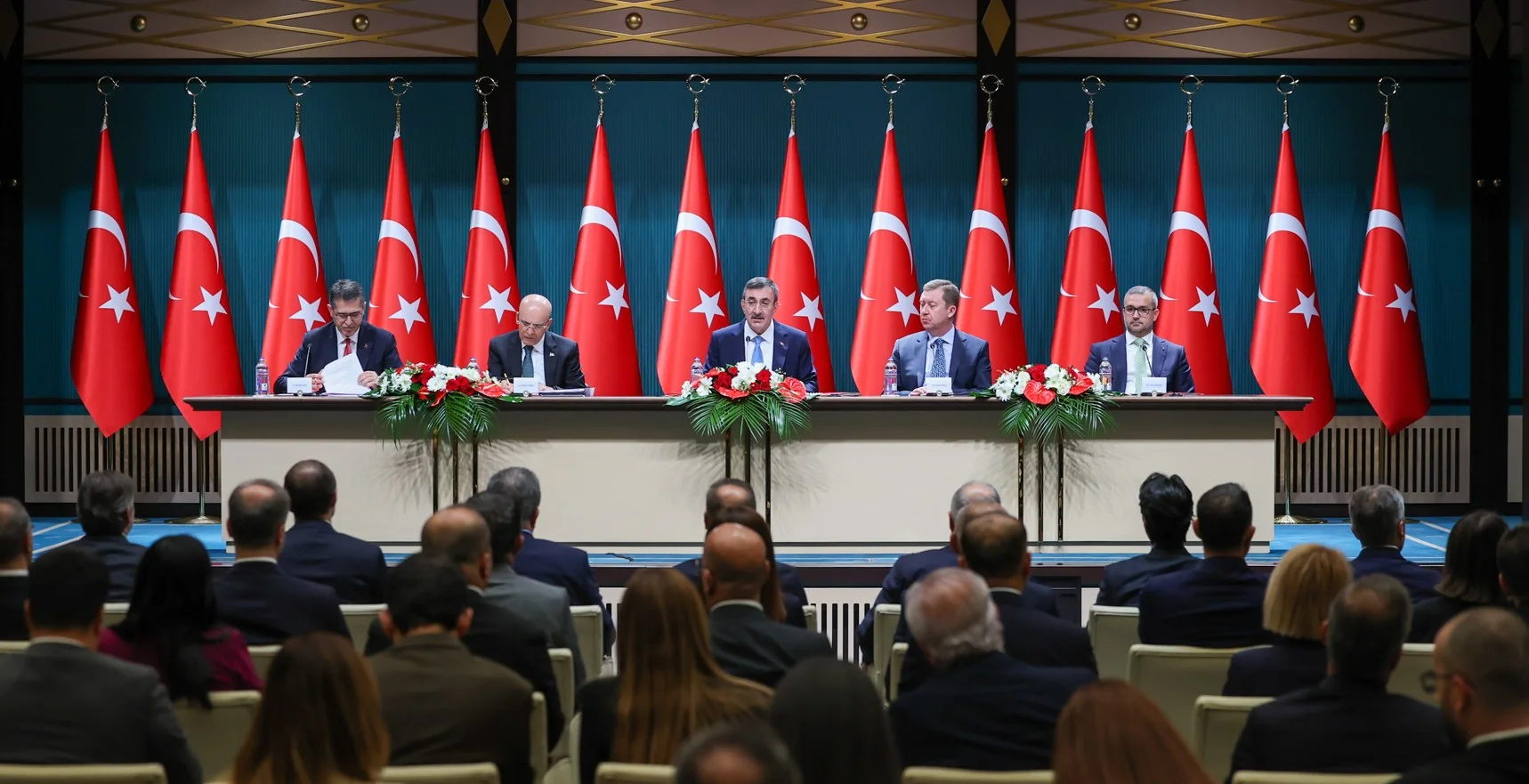
Infrastructure emphasized in agriculture and livestock investments
Among the major projects of the General Directorate of State Hydraulic Works included in the public investment program, priority will be given to projects whose storage facilities have been completed or whose water conveyance facilities have been completed or are under construction without storage, and where irrigation will be carried out by gravity.
Infrastructure and research projects covering increased livestock production, the prevention of animal diseases, herd management and biosecurity measures will be prioritized. Projects serving to increase crop production, protect plant health and develop agricultural information systems will also be supported.

Investments aimed at reducing water losses and leaks will be prioritized. In drinking-water supply projects, priority is planned to be given to municipalities with water-loss rates below 50 percent and populations above 50,000.
Domestic energy and rail system projects to receive support
Priority will be given to production projects serving the energy sector and supplying inputs to manufacturing, as well as investments aimed at exploring and producing coal, oil, natural gas and geothermal resources, along with minerals whose reserves are being depleted and that are important for security of supply.
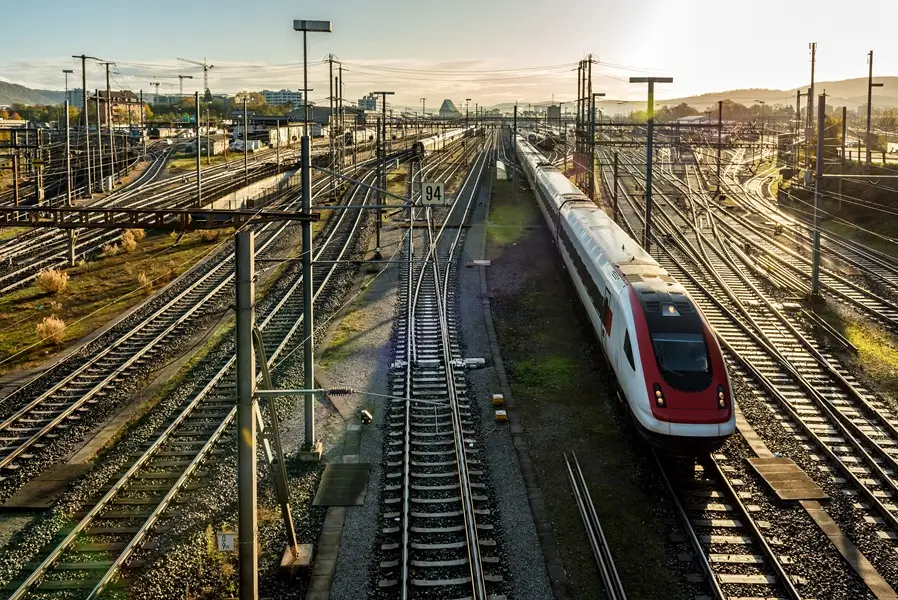
Processing minerals into products and improving the quality of extracted ores in line with consumer demand will also be among the investment priorities. Alongside the defense industry, the focus will be on projects to develop domestic and original rail system vehicles and aircraft.
National and regional strategies, the industrial potential of provinces and budgetary resources will be taken into account when assessing organized industrial zone projects. Sectoral and thematic projects will be prioritized in industrial infrastructure.
Priority will be given to projects that are compatible with Turkey's energy needs projections, have reliable raw material sources and offer high commercial and economic benefits. This scope will include the development of domestic and original energy technologies, particularly nuclear and renewable energy; projects that constitute prerequisites for implementing other investments; and transmission infrastructure investments that will enable renewable resources to be integrated into the system.
Infrastructure projects that will increase the diversity of natural gas sources and routes, build up sufficient supply stocks and bring natural gas reserves discovered in the seas into the economy will also be prioritized.
Investments in cultural heritage and urban planning
In projects aimed at preserving cultural heritage, priority will be given to urban conservation areas, historic city centers and historic bazaars that address the historic fabric as a whole rather than focusing on individual structures.
Projects concerning the Turkish-Islamic period will be prioritized in archaeological excavations, surface surveys and scientific studies aimed at restoring cultural heritage. Investments under the solid waste program and geothermal district heating plant projects will also be among the priority projects.
Municipalities' externally financed investments will focus on purchases of fire engines and emergency response vehicles, as well as projects to combat natural disasters. Spatial plans will be designed to improve quality of life, contribute to economic development, protect the natural environment and reflect a perspective based on history and civilization.
The priorities identified in the geographic information strategy and action plan and the smart cities strategy will also be taken into account in urban planning investments.
Investment in security, justice and migration
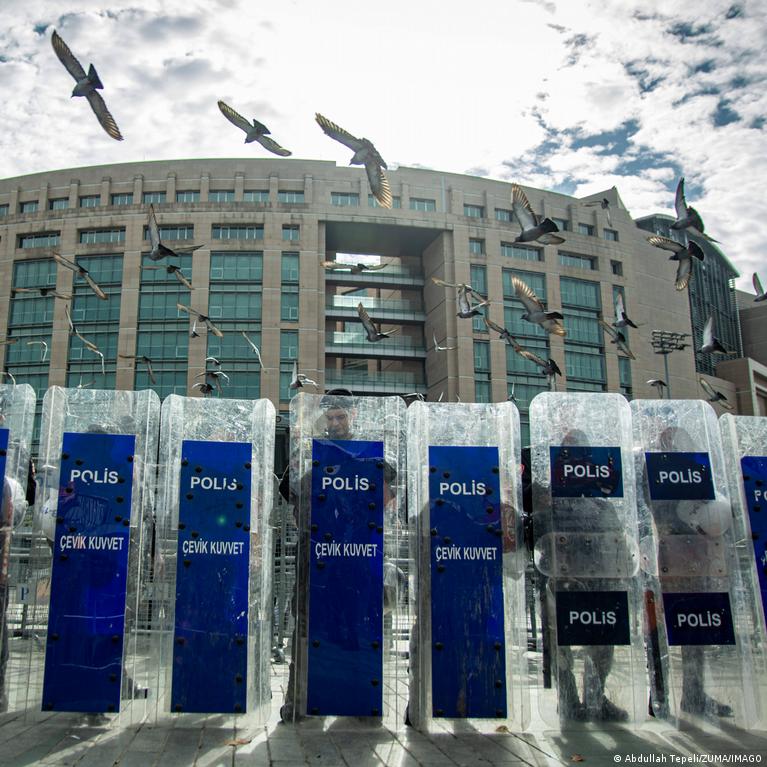
Priority will be given to projects that strengthen coordination in security services and the technological equipment of security units. Investments contributing to border security and efforts to combat terrorism, drug trafficking, smuggling, organized crime, cybercrime, and irregular and illegal migration will be assessed within this scope.
In addition to investments that will accelerate and improve the effectiveness of judicial proceedings and facilitate citizens' access to justice, projects that will provide the necessary capacity increases in penal institutions will also be included in the program.
In the field of migration, the program will address the development of data systems, research to determine the economic and social conditions of migrants and citizens living abroad, and investments in removal centers and shelters as part of efforts to combat irregular migration. The focus in this area will be on completing existing investments.

















