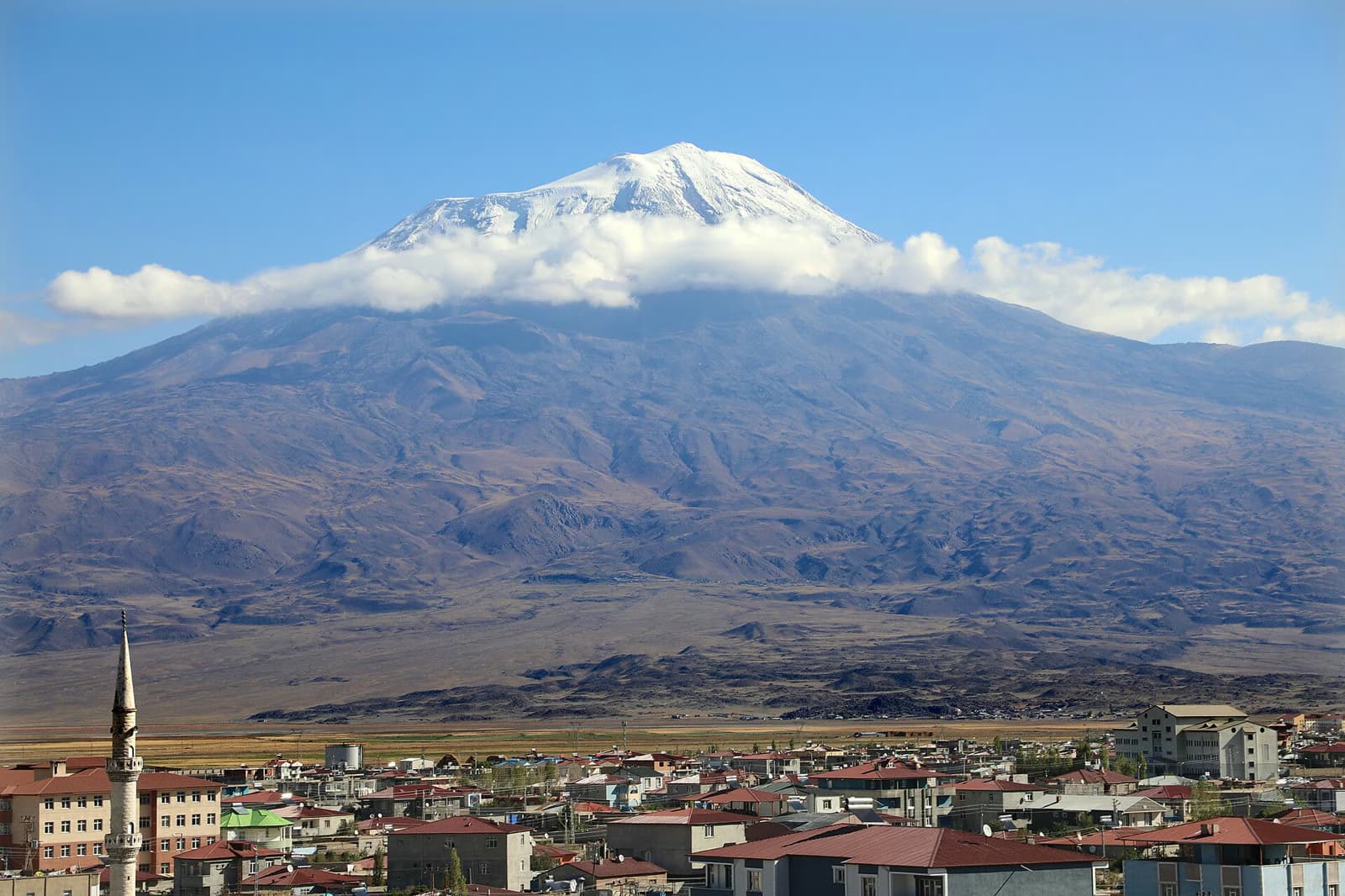
Turkey's 6th National Arctic Scientific Expedition (TASE-VI) has begun under the auspices of the Presidency, coordinated by the Ministry of Industry and Technology, and led by the TÜBİTAK Polar Research Institute (KARE). Twelve scientists will carry out 12 different scientific projects in the Arctic Ocean in the fields of oceanography, biology, chemistry, atmospheric dynamics, meteorology, geodesy and satellite systems.
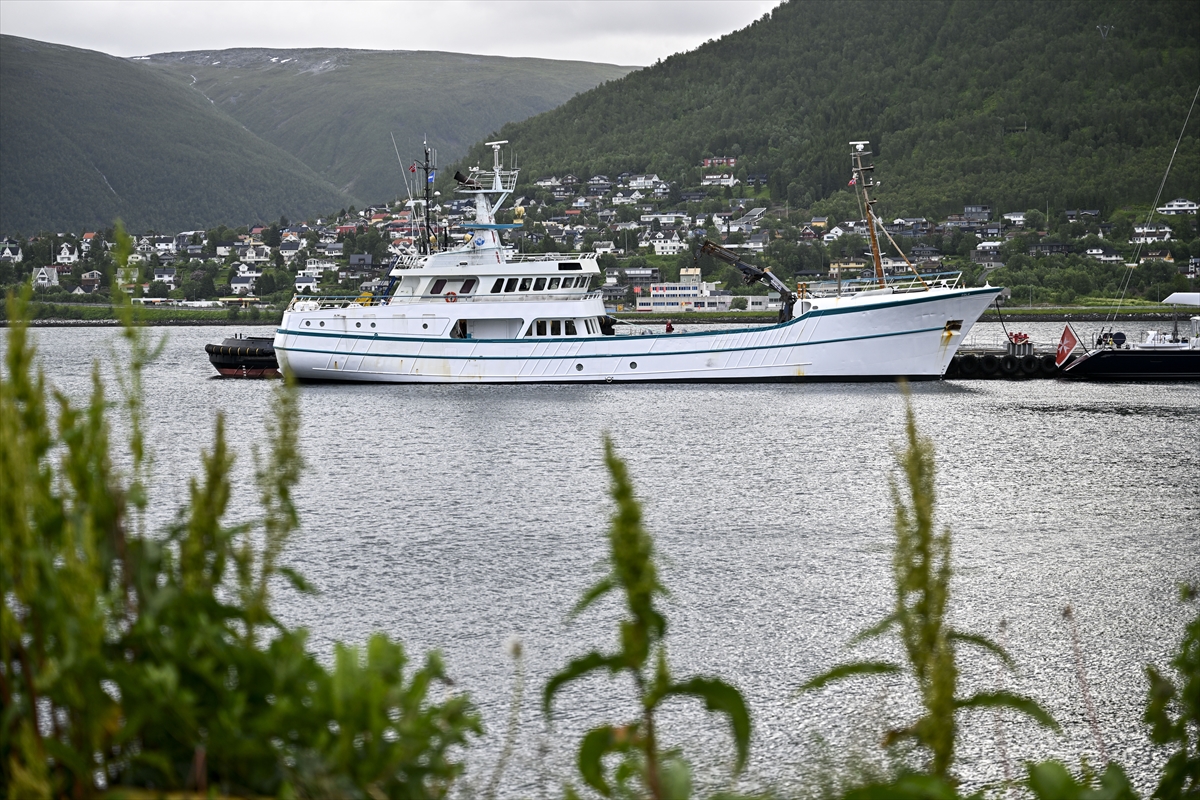
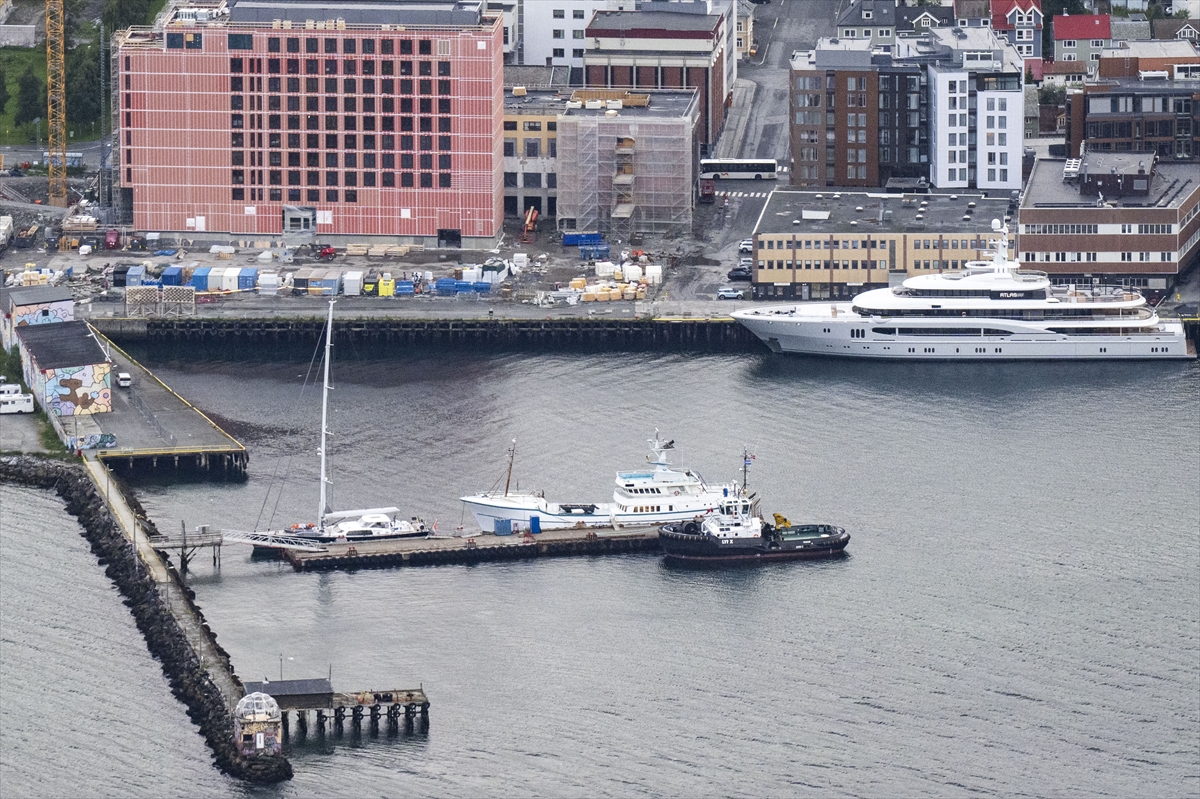
The research team departed from Istanbul and arrived in Oslo. Then, after boarding the ship in Tromsø, the team completed final preparations and began scientific work. The ship is expected to reach 82 degrees north latitude during the expedition.
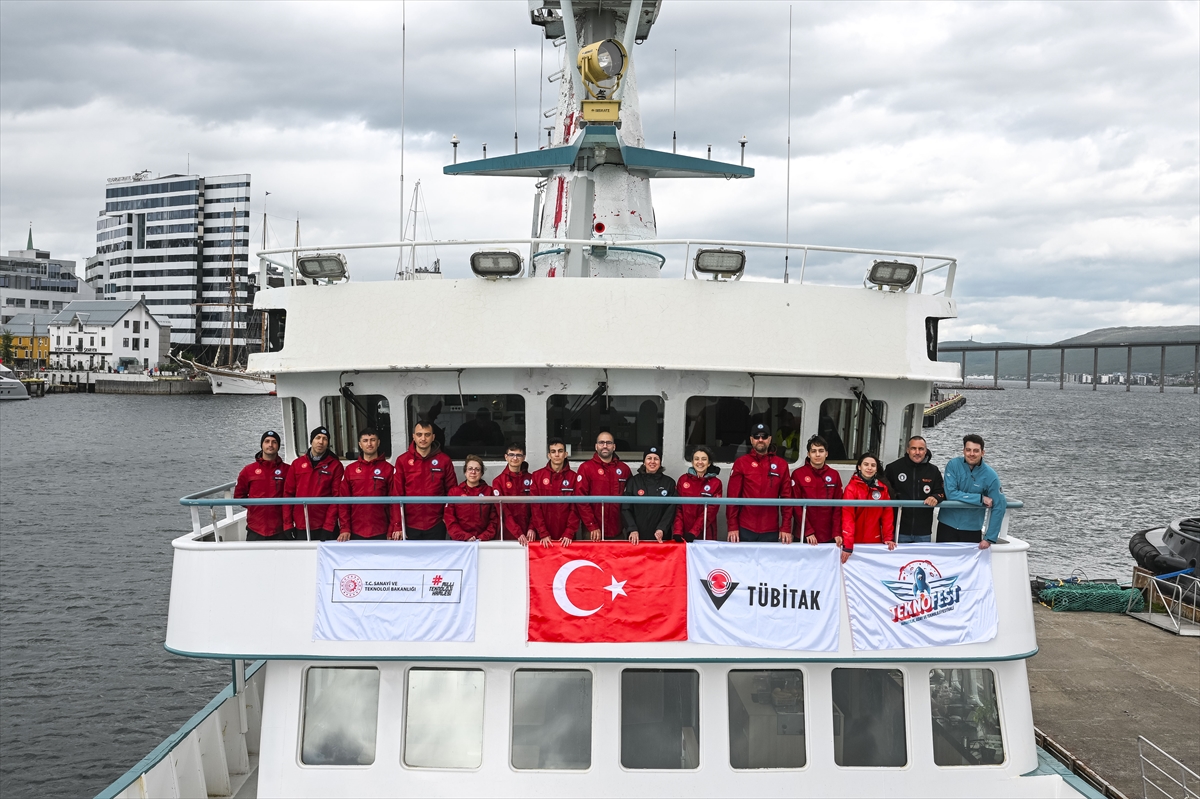
Minister Kacır: "They set out for critical research"
Minister of Industry and Technology Mehmet Fatih Kacır stated in a social media post that polar scientific expeditions continue under the auspices of the Presidency and the coordination of TÜBİTAK KARE. Reminding that the 6th National Arctic Scientific Expedition began after the successful completion of the 10th National Antarctic Scientific Expedition, Kacır made the following remarks:
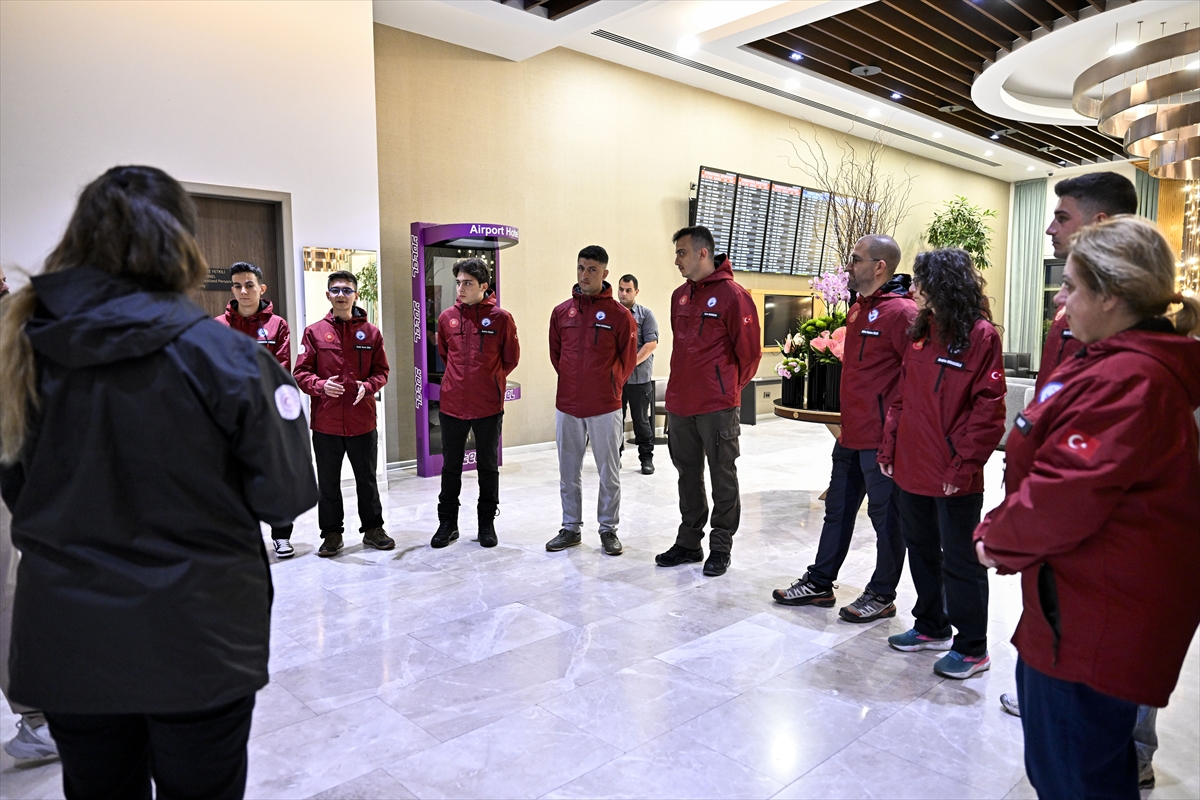
"Our scientific team, which includes 3 foreign researchers and 3 high school students who placed in the TÜBİTAK Inter-High School Climate Change Project Competition, has set out to examine the effects of global climate change and conduct critical research."
Kacır noted that 12 different projects in the fields of oceanography, biology, chemistry, atmospheric research, meteorology, geodesy and satellite systems will be implemented during the expedition. He said the scientific team will collect CTD profiles, water and bottom sediment samples from different coordinates and depths along the expedition route, examine the temperature and salinity distribution in the Arctic Ocean, and investigate the presence of microplastics. He also stated that atmospheric dynamics observations and geodetic GNSS measurements will be carried out in the Arctic region.
Prof. Dr. Özsoy: "All projects will be conducted on board"
Captain Prof. Dr. Burcu Özsoy, Coordinator of the 6th National Arctic Scientific Expedition, said in a statement before the expedition that the team includes scientists from various universities, primarily Istanbul Technical University, Istanbul University, Dokuz Eylül University and Gebze Technical University. She also noted that a representative from the Navigation, Hydrography and Oceanography Department of the Naval Forces Command is taking part in marine research.
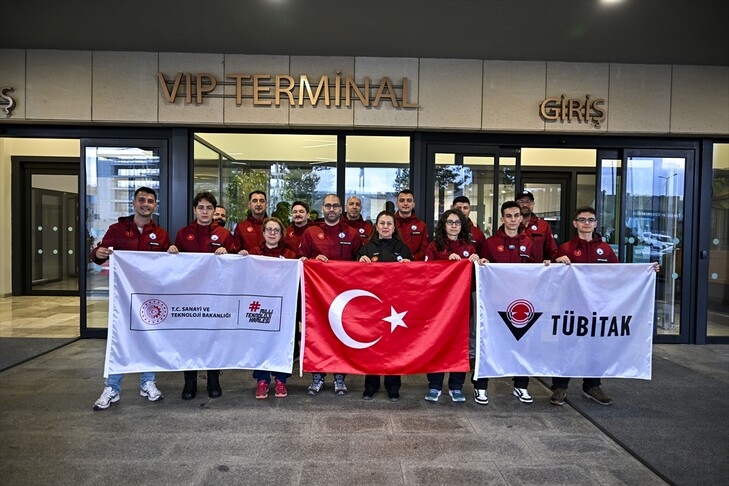
Özsoy emphasized that international participants from Argentina, Uruguay and Bulgaria have also joined the expedition this year. Stating that all scientific projects will be conducted directly on the ship in the Arctic Ocean, Özsoy said, "We plan to reach 82 degrees north latitude. We will advance to the sea ice region of the Arctic Ocean. Thanks to the 24-hour daylight in the region during this period, our expedition will continue uninterrupted."
High school students also in the field
Reminding that high school students are participating in the expedition this year as in previous years, Özsoy said, "Students are implementing their projects in the field together with scientists. Those who place in the TÜBİTAK Climate Change and Polar Research Competition first go through a selection process, then earn the right to join the expedition. This year, 3 students from two different high schools joined us: İzmir Science High School and Özdemir Bayraktar Aviation and Space Technologies Vocational and Technical Anatolian High School." The students' names were announced as Muhammed Emin Bozkurt, Kadir Asrın Sarı and Barınk Özsoy.
Expedition leader Işıler: "We will sample at 50-70 stations"
Expedition Leader Captain Doğaç Baybars Işıler reported that the expedition will last approximately 25 days. Noting that the plan includes 12 researchers and 12 projects, Işıler said, "We will conduct 12 different scientific studies in the fields of marine sciences, space and navigation systems. Depending on weather conditions, we plan to sample at 50 to 70 different stations."
Turkey is steadily strengthening its scientific presence in the polar regions. Within the scope of TASE-VI, representatives from 2 public institutions, 5 universities and 2 high schools, along with 3 foreign researchers from Argentina, Bulgaria and Uruguay, are working on the same ship. The expedition is expected to end on July 24.