- BIST10012,239+0.73%
- USD49.34+0.24%
- EUR55.21-0.01%
- GOLD4,209.10+0.44%
- INTEREST37.00%-1.00
- BITCOIN83,280+1.87%
- October 13, 202618°
- BIST10012,239+0.73%
- USD49.34+0.24%
- EUR55.21-0.01%
- GOLD4,209.10+0.44%
- INTEREST37.00%-1.00
- BITCOIN83,280+1.87%
- October 13, 202618°
Turkish university develops three drought-tolerant bread wheat varieties for dry farming
Researchers at Kırşehir Ahi Evran University have bred three high-yielding bread wheat varieties suited to the dry conditions of Central Anatolia after 12 years of work, and plan to put them forward for official registration.
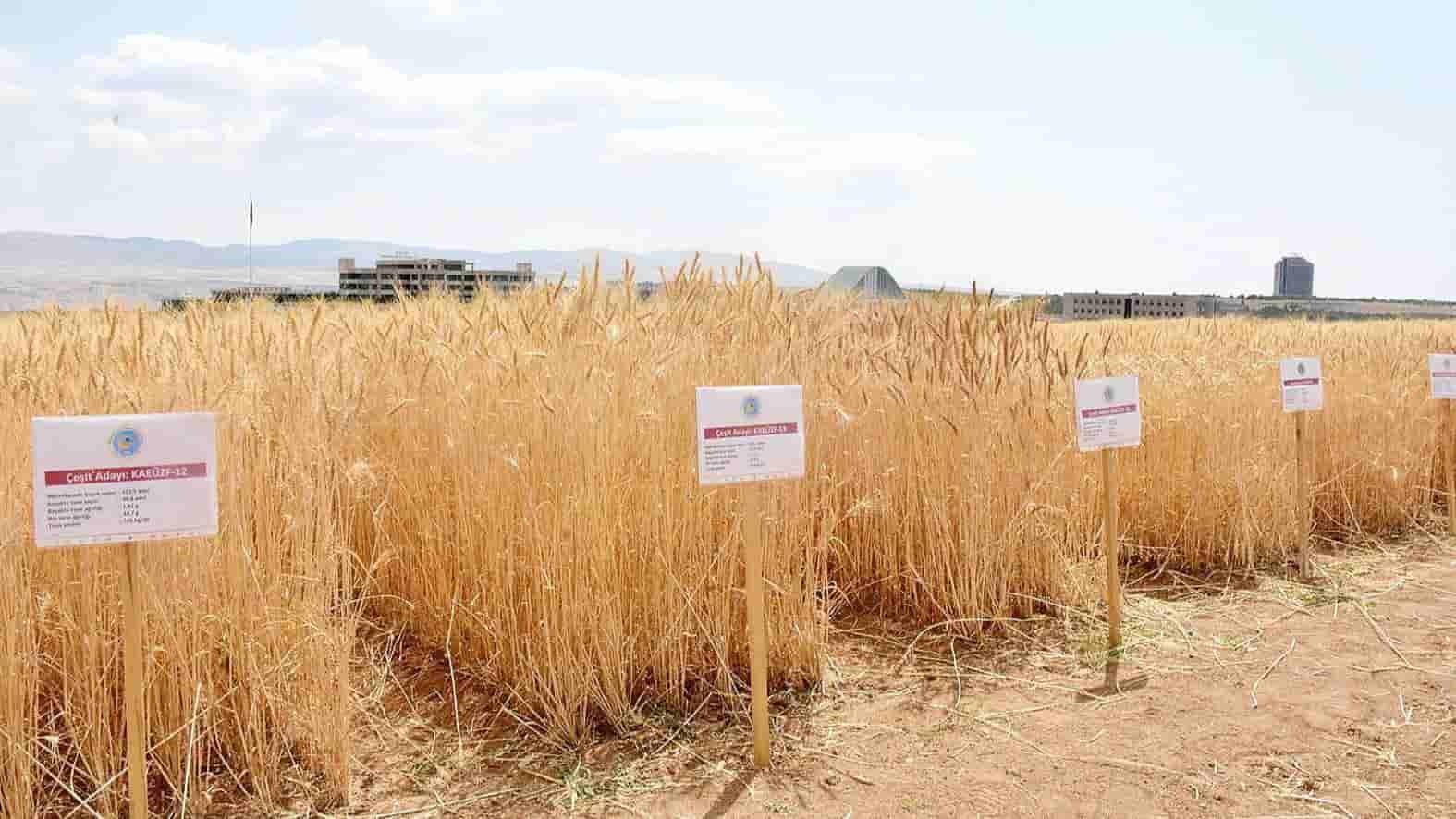

Scientists at the Faculty of Agriculture of Kırşehir Ahi Evran University in central Türkiye have developed three drought-tolerant bread wheat varieties adapted to the region’s soil and climate. The work, carried out under the faculty’s cereal breeding program, aims to help farmers who rely on rainfall cut yield losses caused by drought and disease.
The crossing program began in 2013. Around 1,600 breeding lines were narrowed down to 20 candidates, which were compared with standard varieties in regional yield trials in 2026. Three of them stood out and will now enter the registration process.
Yields above 850 kilograms per decare
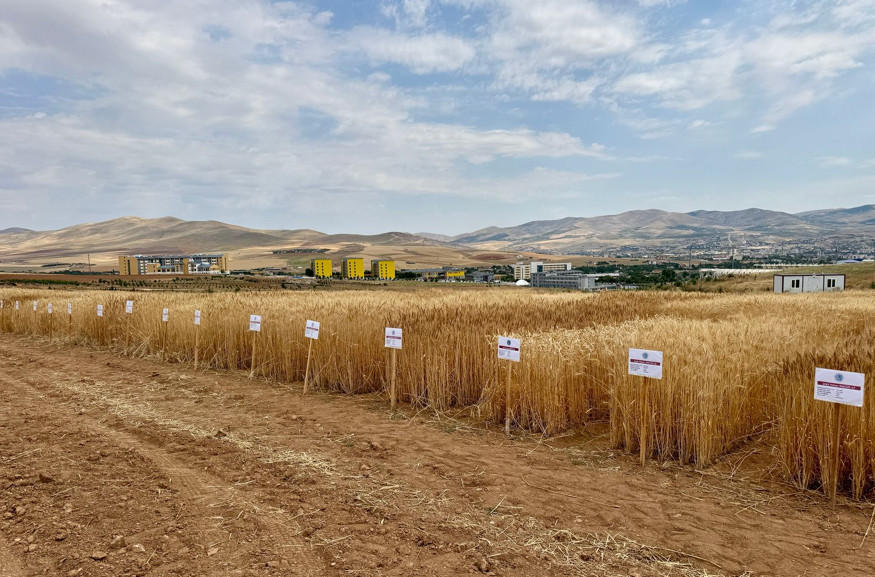
Rector Mustafa Kasım Karahocagil said more than a decade of breeding work had produced varieties suited to local conditions, with candidates capable of yielding over 850 to 900 kilograms per decare.
The varieties were bred to withstand winter cold, summer heat and rainfall that is unevenly spread across the seasons, and are suitable for rain-fed farming, including on land left fallow.
From registration to farmers’ fields
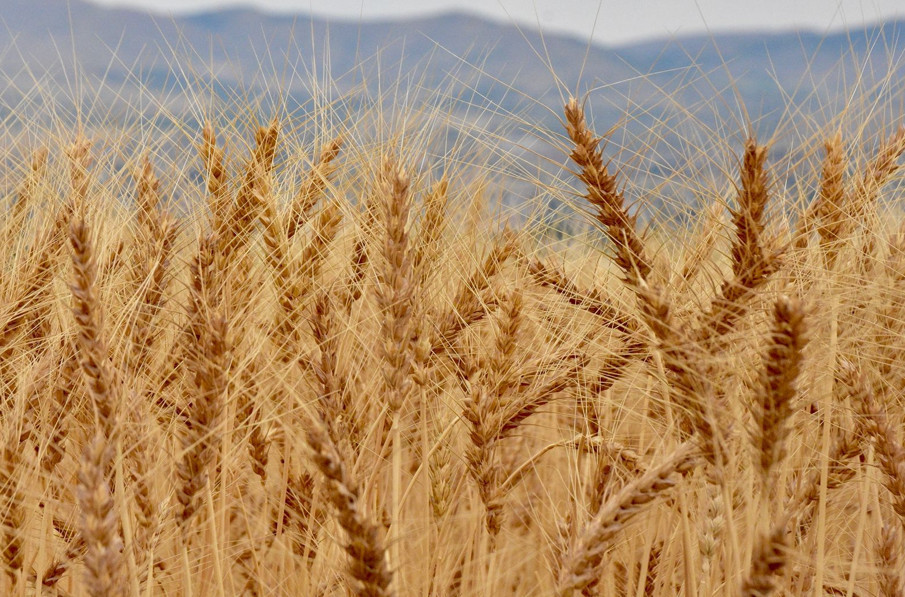
Faculty Dean Selahattin Çınar said applications will be submitted in stages over the coming years to the Seed Registration and Certification Center of the Ministry of Agriculture and Forestry. Once registered, the seeds will be multiplied and supplied to farmers. Çınar noted that wheat has been grown in Anatolia for around 10,000 years.
Associate Professor Ramazan Ayrancı of the Field Crops Department said breeding varieties for irrigated land is relatively easy, while the real challenge is developing wheat for dry, rain-fed areas that rely on fallow systems.
If registered, the varieties are expected to be widely grown in Central Anatolia and other dry regions of the country.
Stay Updated with The Turkiye Times
Subscribe to be informed about special news, developments and announcements. We will keep you informed.
By signing up, you agree to our Privacy Policy