- BIST10011,843+1.51%
- USD50.28+0.05%
- EUR55.60-0.24%
- GOLD3,888.90+0.07%
- INTEREST36.00%-1.00
- BITCOIN64,771-0.83%
- November 16, 202611°
- BIST10011,843+1.51%
- USD50.28+0.05%
- EUR55.60-0.24%
- GOLD3,888.90+0.07%
- INTEREST36.00%-1.00
- BITCOIN64,771-0.83%
- November 16, 202611°
Türkiye discusses a nuclear plant with South Korea for Sinop
Bloomberg reports that Türkiye is continuing talks with South Korea on a second nuclear power plant planned for Sinop on the Black Sea coast. The talks followed a financing memorandum signed in Seoul last week.

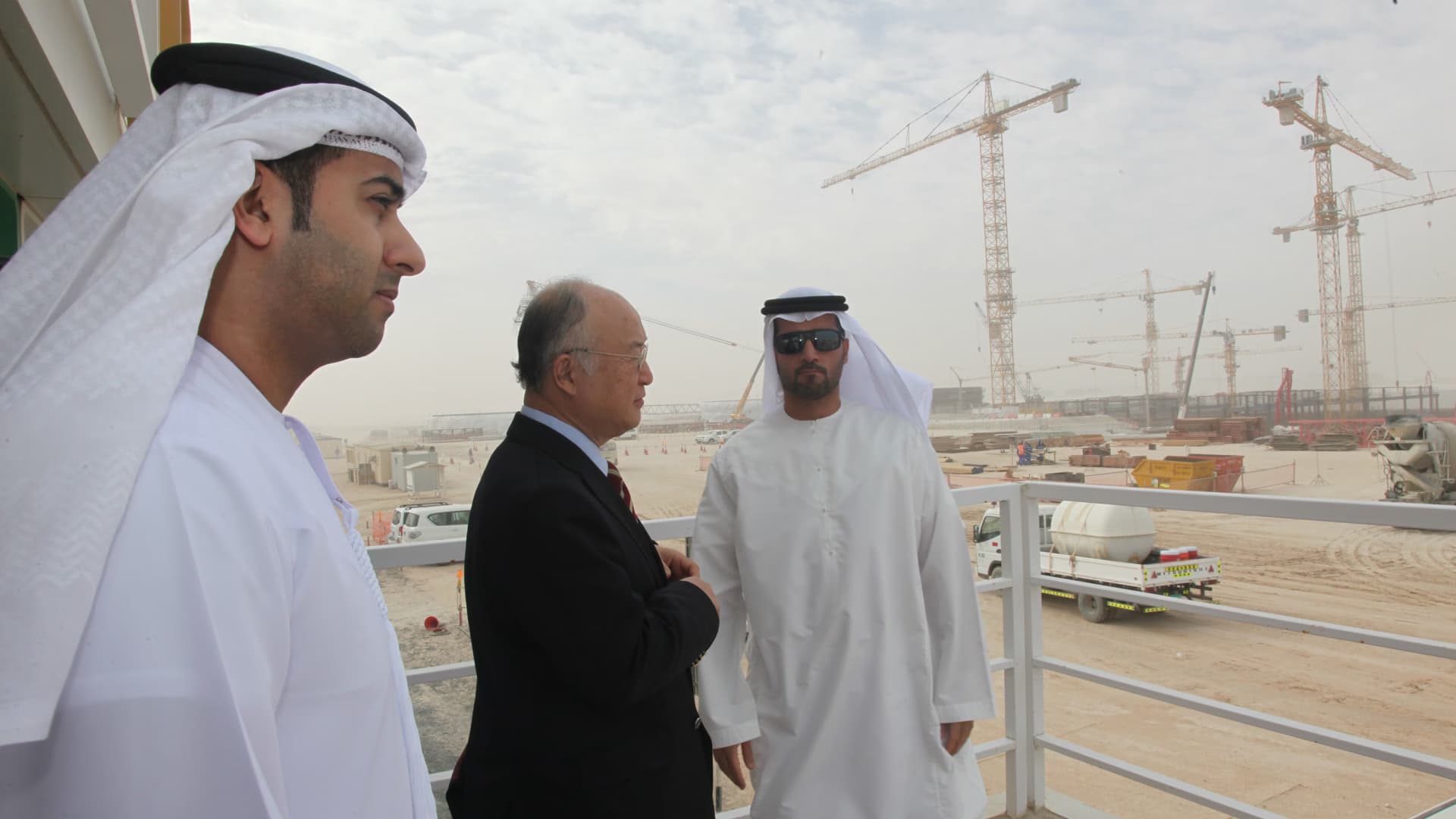
US-based Bloomberg reported today that Türkiye is holding talks with South Korea on a nuclear power plant planned for construction in Sinop. If the project goes ahead, Sinop will become Türkiye's second nuclear power plant after Akkuyu in Mersin.
The talks returned to the agenda after President Recep Tayyip Erdoğan met with South Korean President Lee Jae-myung in Seoul on November 3. At the summit, the Korea Export-Import Bank (Kexim) and Türkiye Nuclear Energy Co. (TÜNAŞ) signed a memorandum of understanding on financing energy projects.
Site assessment and joint working group
According to the South Korean presidential office, the two leaders reaffirmed their cooperation on the Sinop project, including a site assessment and the establishment of a joint working group. Lee had said that cooperation in Sinop was "progressing smoothly."
Erdoğan also said that preliminary feasibility studies had been conducted with the Korea Electric Power Corporation (KEPCO), and that technical and economic assessments were continuing. According to Erdoğan, the cost of electricity generation, the financing model and the project's contribution to the Turkish economy will be decisive in the final decision.
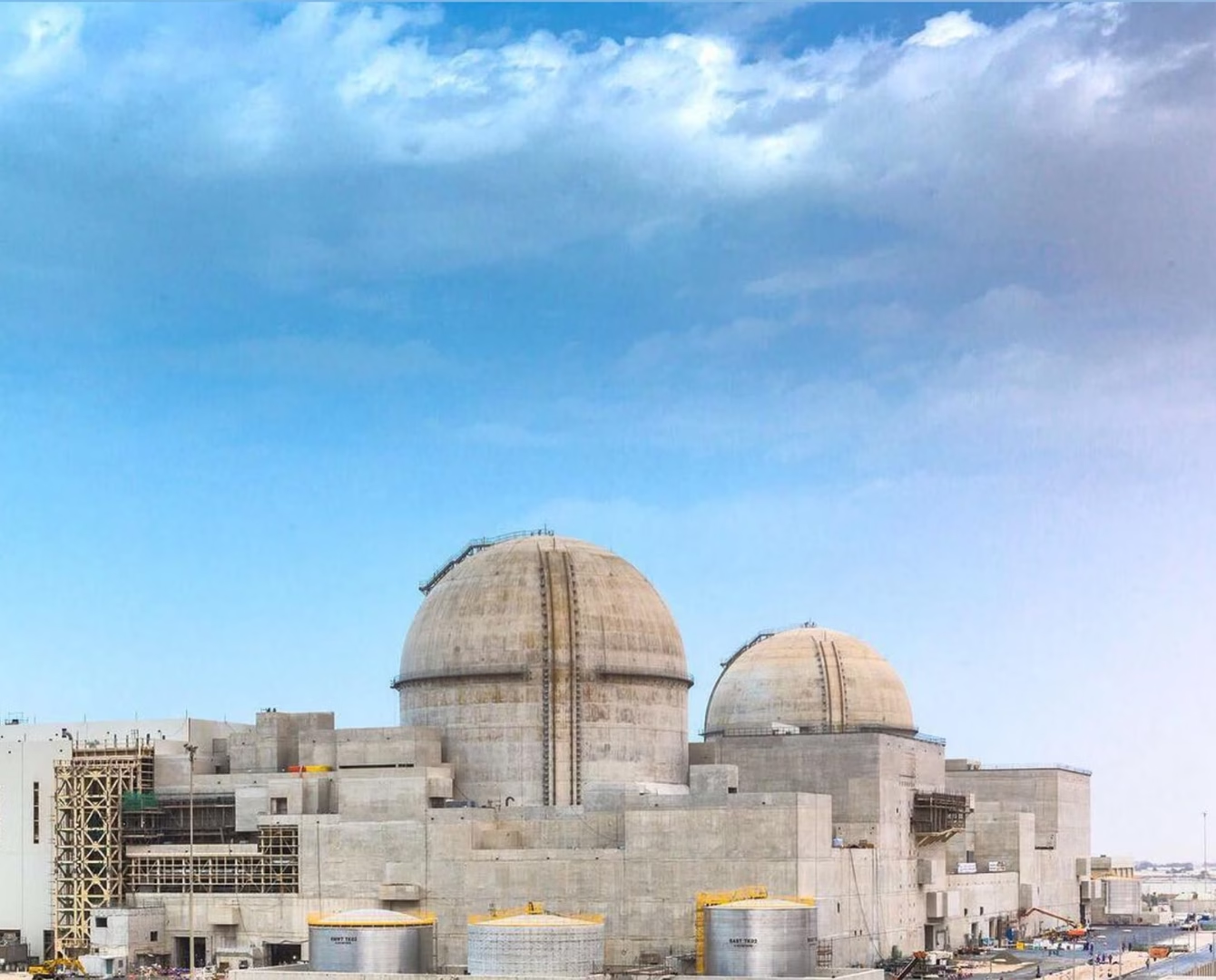
KEPCO is the company that built the four-reactor Barakah Nuclear Power Plant in the United Arab Emirates. TÜNAŞ and KEPCO signed a memorandum of understanding on cooperation in nuclear energy in November 2025. The new agreement with Kexim added a financing component to that cooperation.
Four reactors on the Black Sea coast
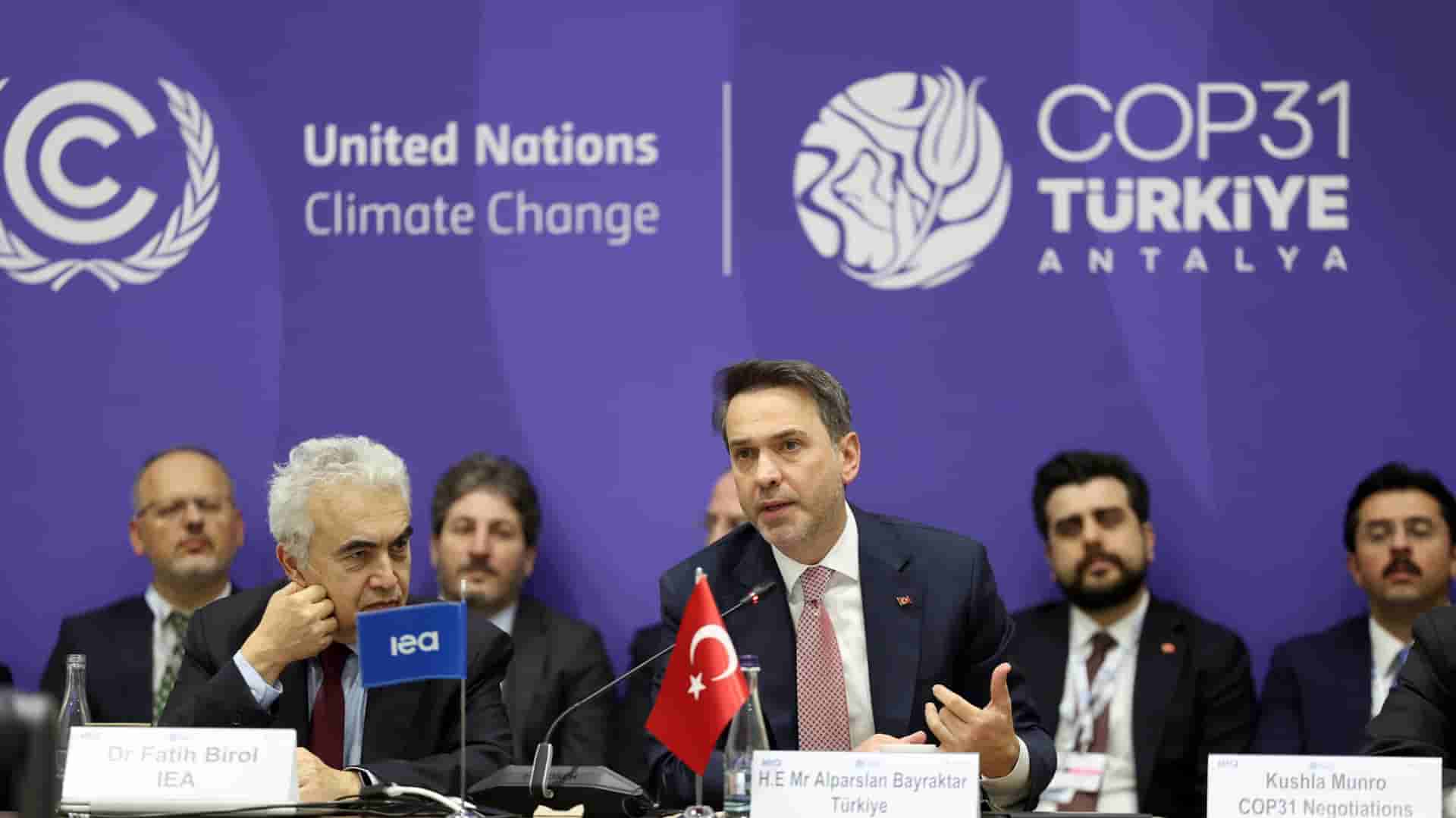
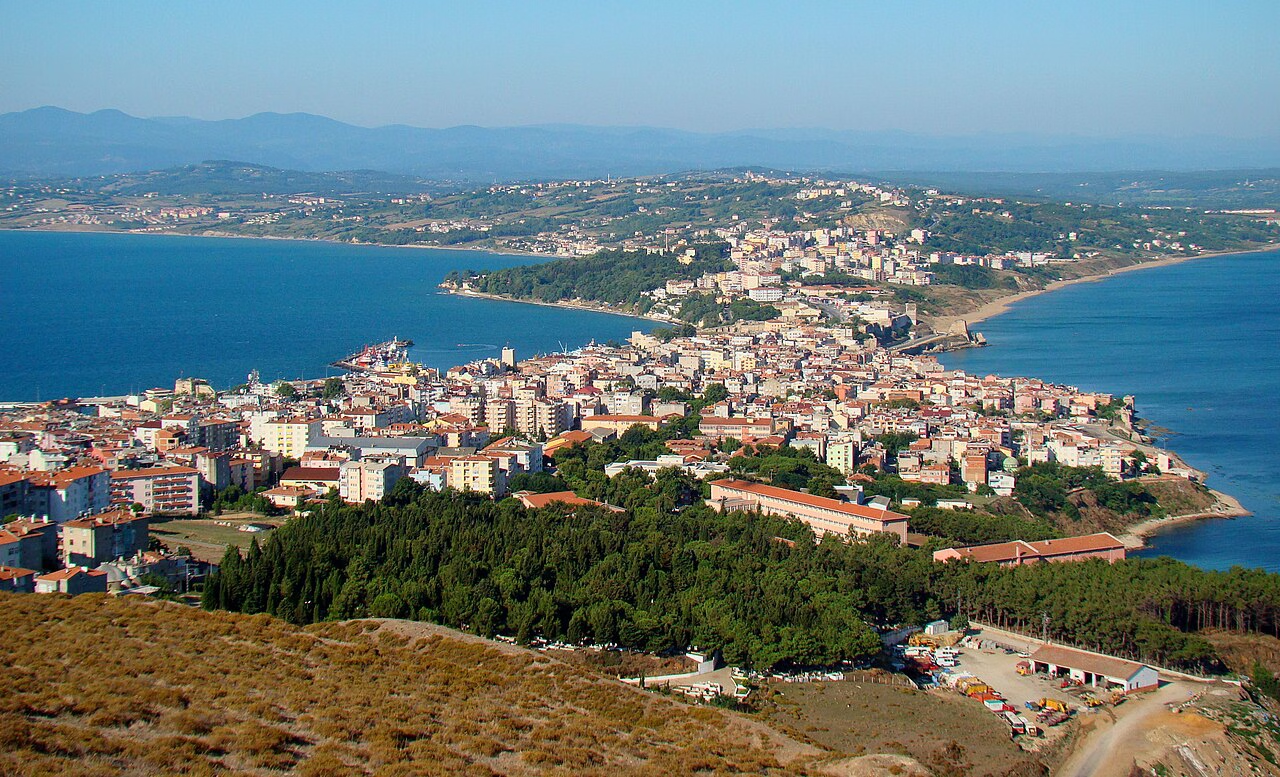
Türkiye plans to build a four-reactor power plant in Sinop. Energy and Natural Resources Minister Alparslan Bayraktar told Bloomberg in an interview in March that they expected a binding offer from South Korea this year. Bayraktar said they planned to conduct negotiations after receiving the offer.
Türkiye views nuclear energy as one of the core elements of energy supply security in line with its 2053 net-zero emissions target. Alongside the Sinop project, talks with various countries on small modular reactors are also continuing.
Images: Wikimedia Commons (cover and first body photo: Barakah Nuclear Power Plant; second photo: Sinop, CC BY-SA 3.0). Sources: Bloomberg, Euronews, The Korea Times, World Nuclear News.
Stay Updated with The Turkiye Times
Subscribe to be informed about special news, developments and announcements. We will keep you informed.
By signing up, you agree to our Privacy Policy