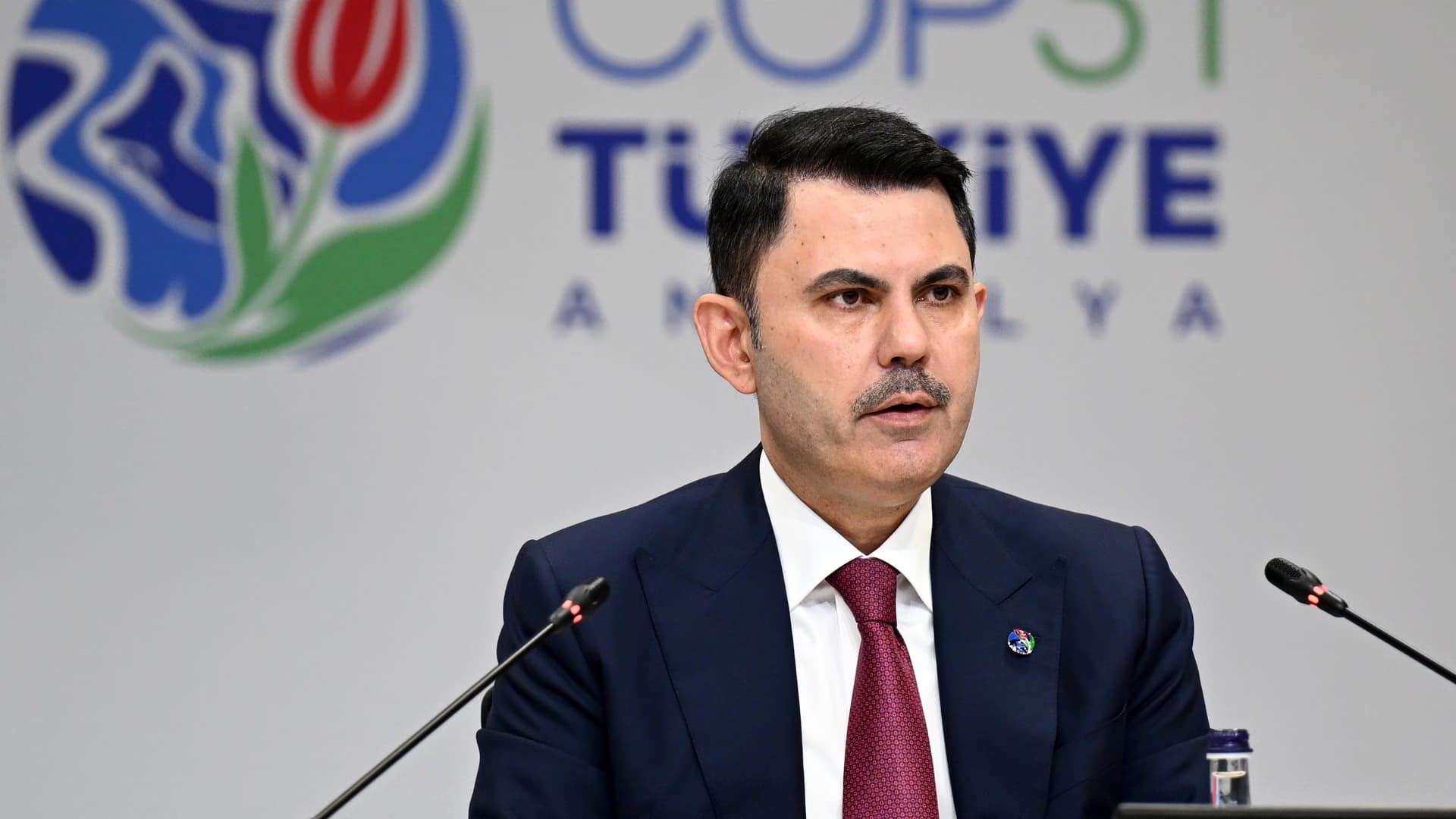
Treasury and Finance Minister Mehmet Şimşek said Türkiye's fiscal position was quite strong. Şimşek emphasized that despite spending more than $100 billion to rebuild infrastructure after the earthquake, the budget deficit remained at around 3% of gross domestic product (GDP).
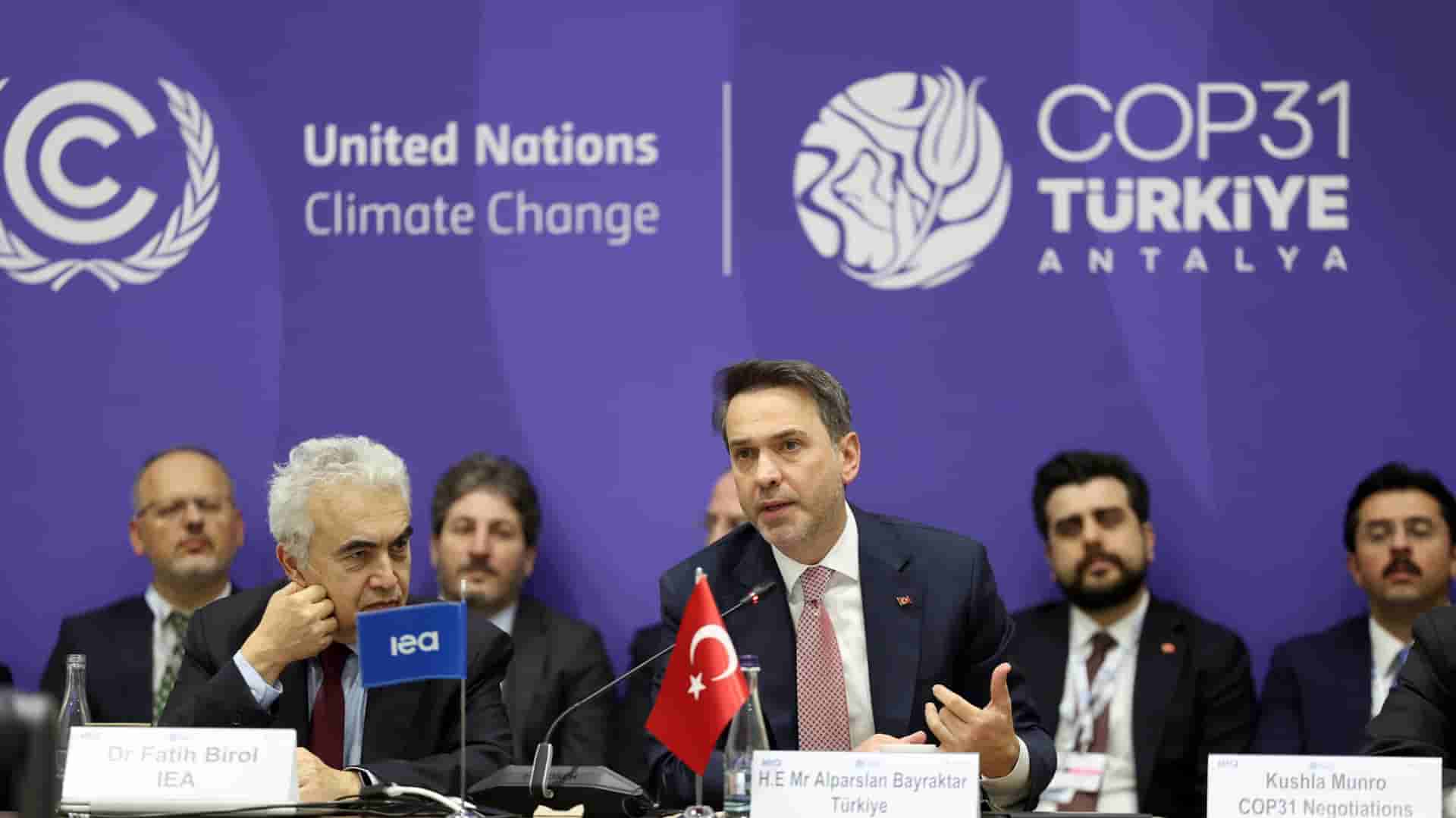
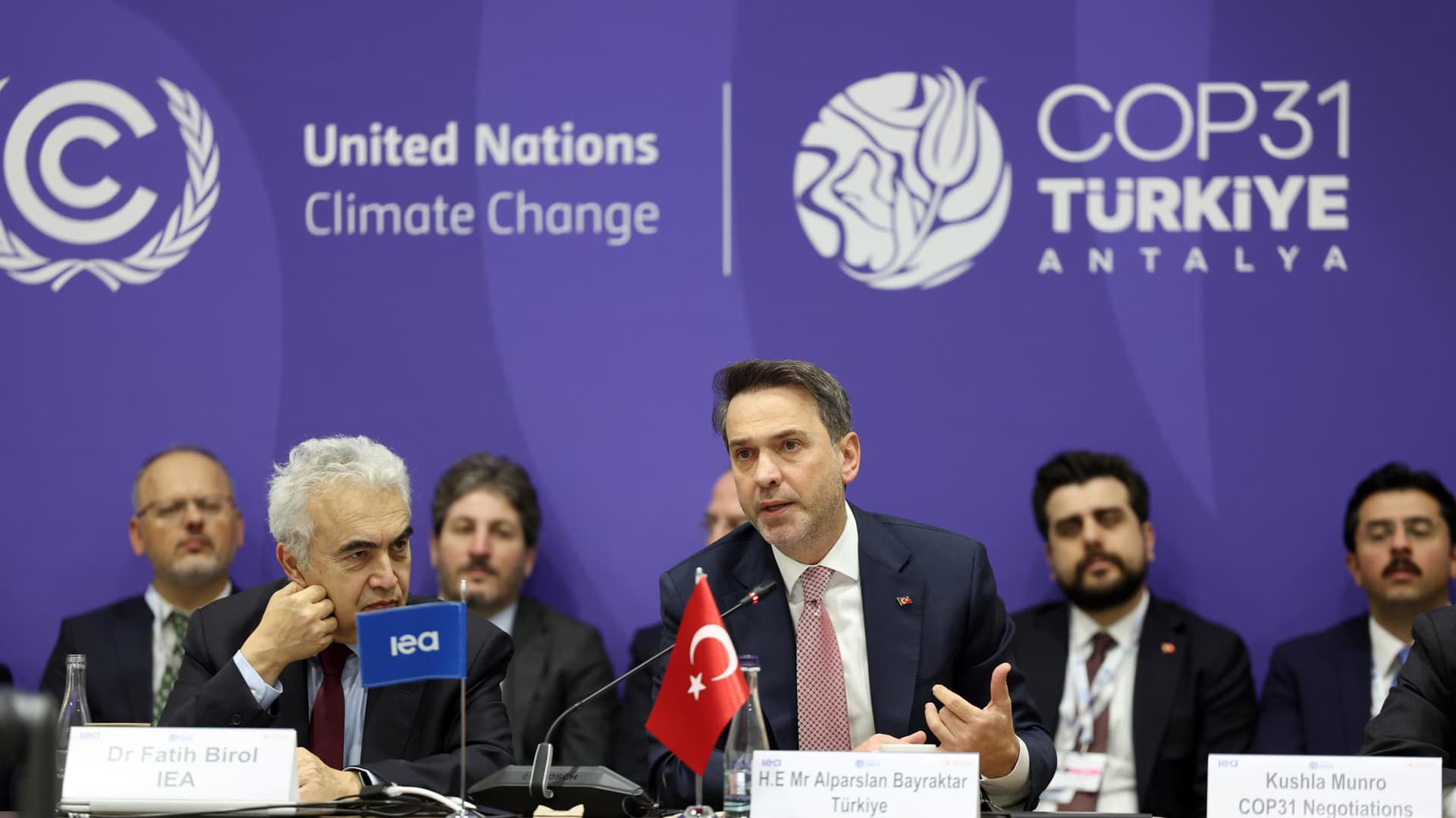
Şimşek spoke at the "Global Finance Summit" session held as part of the 31st Conference of the Parties to the UN Framework Convention on Climate Change (COP31), hosted by Türkiye for the first time. Şimşek said public debt stood at a "quite modest" level of around 22% of GDP, adding, "We have significant fiscal space."
$300 billion for industry's transformation
Minister Şimşek said they believed decarbonizing industry was possible, adding that the main challenge was its cost and financing. Şimşek said, "Calculations show that approximately $300 billion in funding is needed to achieve this goal."
Şimşek said public resources alone would not be sufficient to achieve these goals and highlighted the importance of institutions such as the World Bank, the European Bank for Reconstruction and Development (EBRD) and the International Finance Corporation (IFC) joining the process. According to Şimşek, the aim was not only to obtain loans but also to mobilize private capital through guarantees and risk-sharing.
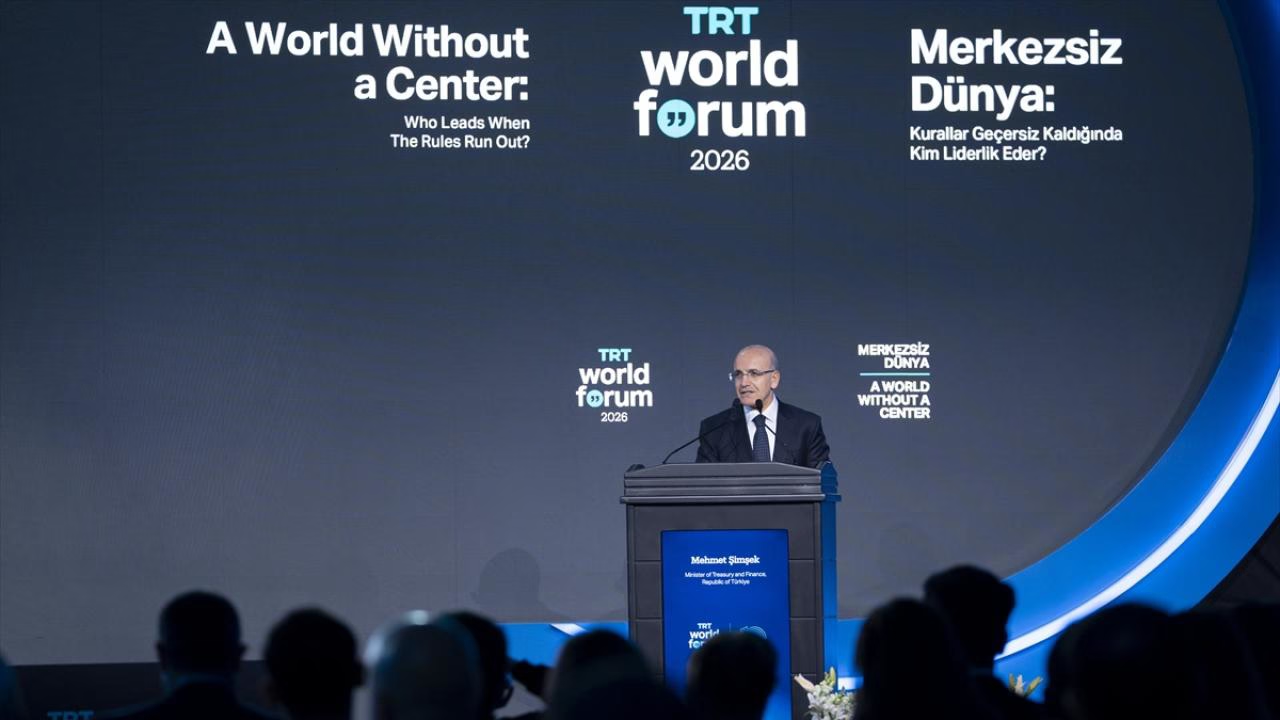
$600 billion energy bill in a decade
Şimşek recalled that Türkiye imports more than 70% of its primary energy sources, accounting for a large part of the current-account deficit. Şimşek said approximately $600 billion had been paid for oil and natural gas imports over the past 10 years, adding that this figure was higher than the gross external debt.
Şimşek recalled that Türkiye was targeting 175 gigawatts of solar and wind power capacity by 2040. He said more than half of Türkiye's exports went to Europe, making a low-carbon pathway a necessity rather than an option.
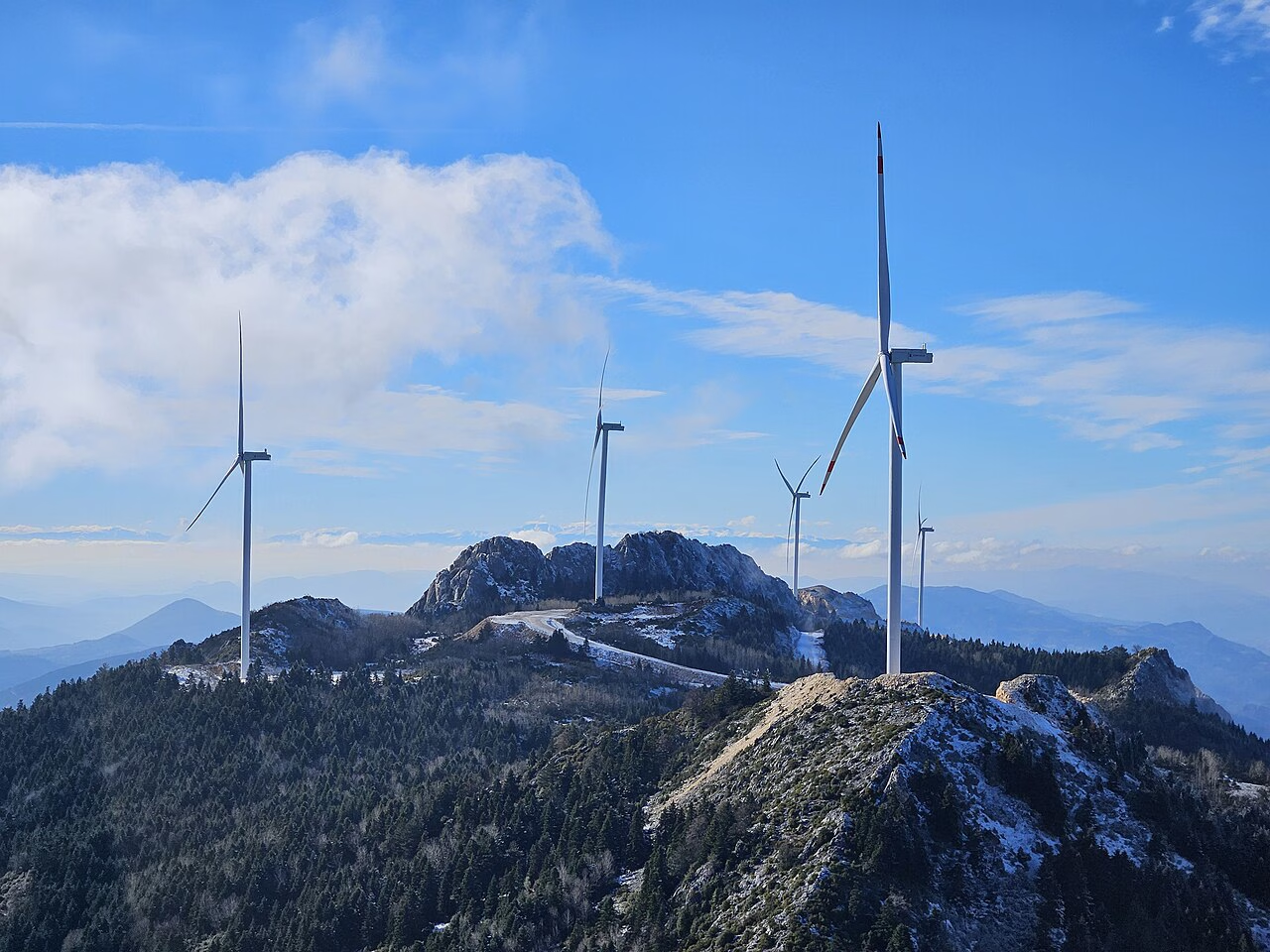
Şimşek said, "As we decarbonize our energy system, we are also working to expand electrification." He said this transformation would reduce dependence on energy imports and macrofinancial risks while making energy available to industry at more competitive prices. Şimşek also recalled that 2026 was a challenging year in which the largest energy supply shock in recent history occurred.
Cover photo: Anadolu Agency. Body images: archive, Wikimedia Commons (CC0). Source: Anadolu Agency.