- BIST10011,843+1.51%
- USD50.28+0.05%
- EUR55.60-0.24%
- GOLD3,891.00+0.12%
- INTEREST36.00%-1.00
- BITCOIN64,945-0.57%
- November 16, 202611°
- BIST10011,843+1.51%
- USD50.28+0.05%
- EUR55.60-0.24%
- GOLD3,891.00+0.12%
- INTEREST36.00%-1.00
- BITCOIN64,945-0.57%
- November 16, 202611°
Türkiye's first hydrogen station opens in 2027 as geothermal target reaches 10 GW
Murat Aşçı, co-founder of Biga Hydrogen, announced at COP31 that Türkiye's first operational station for filling trucks with hydrogen at 700-bar pressure in Balıkesir will become operational in early 2027. JESDER President Ufuk Şentürk said geothermal power capacity should reach 10 gigawatts by 2040.


The 31st Conference of the Parties to the UN Framework Convention on Climate Change (COP31), being held in Antalya under Türkiye's hosting, also showcased the ambitious targets of the domestic energy sector. Murat Aşçı, co-founder of Biga Hydrogen, announced that they aim to commission Türkiye's first operational hydrogen refueling station at the beginning of 2027. Ufuk Şentürk, president of the Geothermal Electricity Power Plant Investors Association (JESDER), set the sector's 2040 target at 10 gigawatts. Both men spoke to an AA correspondent.
Hydrogen-powered trucks on the İzmir-Istanbul route
Aşçı recalled that the South Marmara Development Agency had opened applications for investment incentives for green hydrogen and its derivatives in Balıkesir and Çanakkale under its Local Development Initiative. The pilot facility they plan to establish in Balıkesir will combine hydrogen production and refueling at the same site. Aşçı said they were developing a hydrogen production facility, a station capable of refueling trucks at 700-bar pressure and a hydrogen truck powered by a fuel cell as part of the project, adding:
"Balıkesir, located exactly midway along the İzmir-Istanbul route, one of Türkiye's largest highways, has a strategic position for heavy vehicles powered by hydrogen to refuel. Through the refueling station we will establish here, we aim to make hydrogen-powered truck transportation possible on the İzmir-Istanbul route. By bringing the three components together at the same site, we will demonstrate the technology in practice."
Aşçı said the pilot refueling station would cost 250 million liras, while the industrial facility would cost 3 billion liras. He said they planned to submit a new incentive application to the South Marmara Development Agency to scale up the facility to an industrial level after the pilot project, emphasizing that the region encompassing Balıkesir, Çanakkale, Manisa and İzmir had significant potential for hydrogen production and exports.
"Geothermal power can support 80-90 gigawatts of solar and wind"
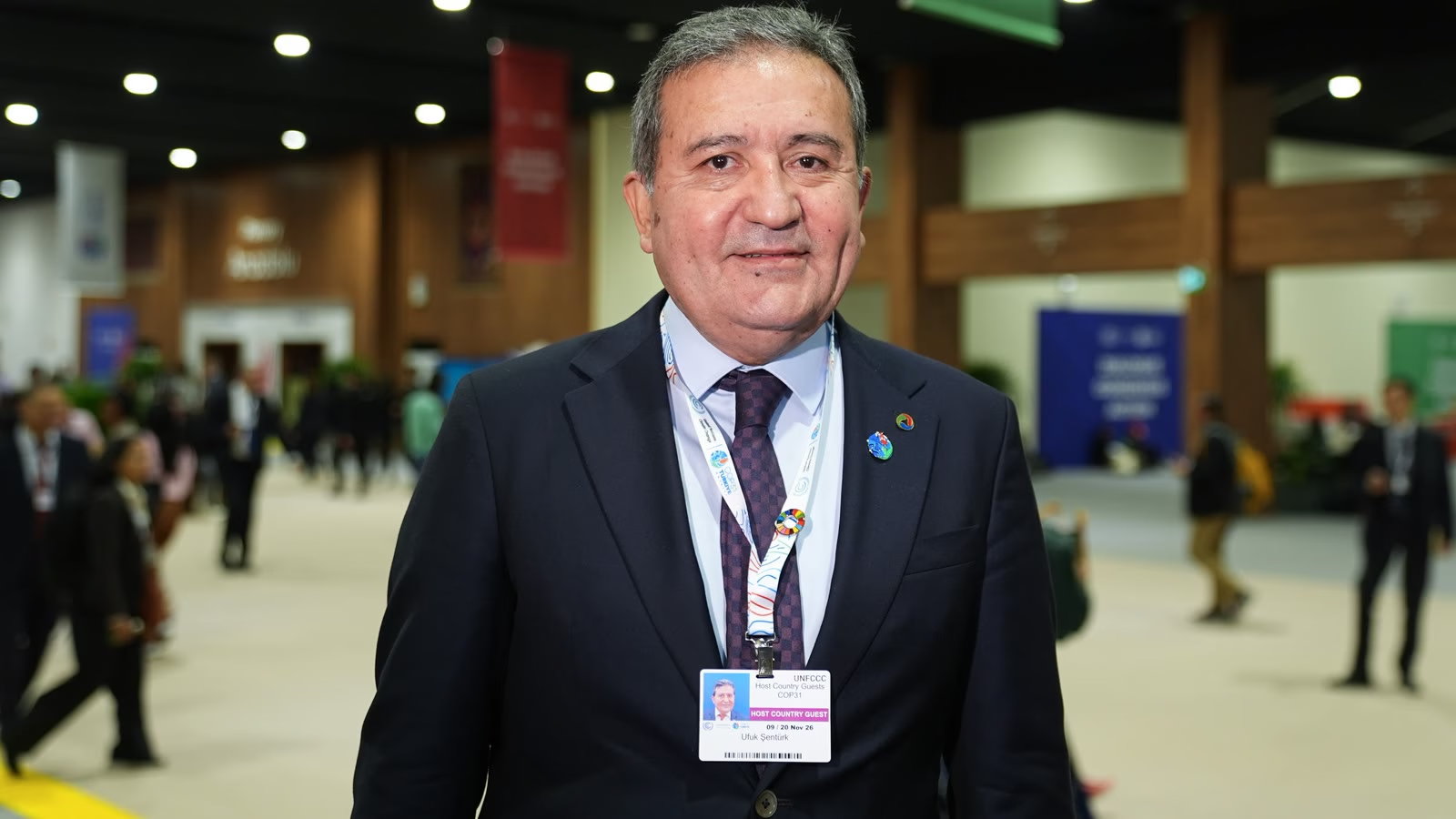
JESDER President Şentürk noted that, unlike wind and solar power, geothermal plants can generate electricity at all hours of the day: "Geothermal plants are both renewable and provide security of supply, and they can generate electricity 24 hours a day, seven days a week. Therefore, if we are to grow through renewable energy, we must expand geothermal power to the same extent."
Referring to Energy and Natural Resources Minister Alparslan Bayraktar's National Energy 2040 vision, Şentürk said: "We must reach the 10-gigawatt level that is our target for geothermal electricity generation by 2040. If we reach 10 gigawatts, we will be able to support solar and wind power plants totaling 80-90 gigawatts."
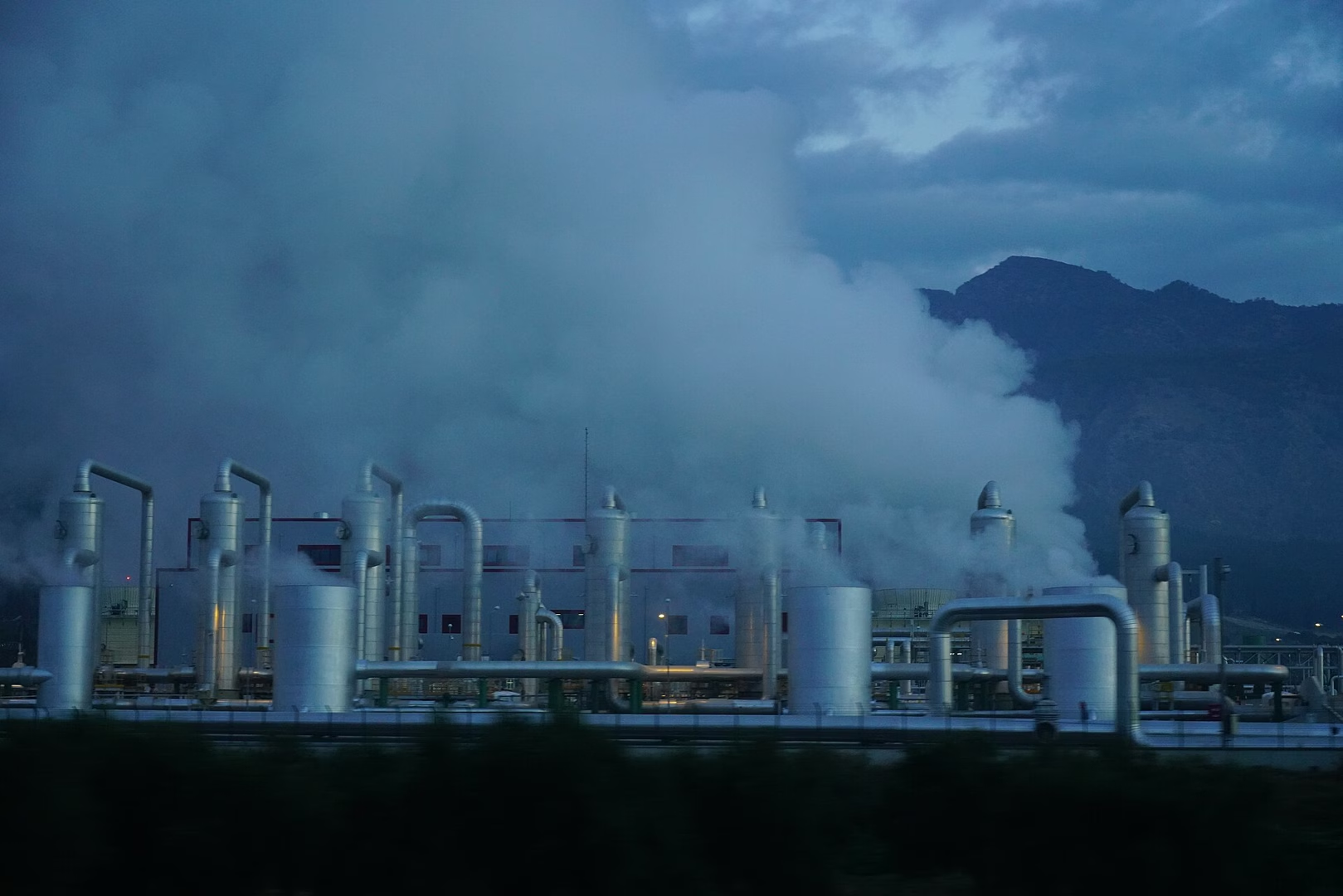
Şentürk said Türkiye is currently able to use only 15 percent of its geothermal potential and that countries seeking to develop geothermal power look to Türkiye as an example. He said all of the country's plants had been built using the latest technology and that 70 percent of the equipment was now domestically produced, adding: "We have even begun exporting the turbines we produce in Türkiye to Africa and the Middle East. This is a great source of pride for us."
Target of 28,000 decares for greenhouses
Emphasizing that geothermal energy offers major opportunities not only in electricity generation but also in agriculture and residential heating, Şentürk said: "Investments have begun to increase geothermal-heated greenhouse areas in our country from 4,000 decares to 28,000 decares. They will reach 28,000 decares within the next two to three years." Şentürk said increasing the use of geothermal energy for residential heating could reduce dependence on natural gas, adding that they also expected requests to apply a floor price to geothermal electricity producers no longer covered by the Renewable Energy Resources Support Mechanism (YEKDEM) to be considered.
Photos: AA, Wikimedia Commons
Have a story, event or announcement of your own?Send us your news on WhatsApp
Spotted an error in this story?Report it on WhatsApp
Share on all social platforms
Sponsored Ads
Featured Listings
Loading featured properties...
Stay Updated with The Turkiye Times
Subscribe to be informed about special news, developments and announcements. We will keep you informed.
By signing up, you agree to our Privacy Policy