- BIST10011,842-0.01%
- USD50.28+0.05%
- EUR55.60-0.24%
- GOLD3,860.00+0.18%
- INTEREST36.00%-1.00
- BITCOIN64,479-0.54%
- November 17, 202614°
- BIST10011,842-0.01%
- USD50.28+0.05%
- EUR55.60-0.24%
- GOLD3,860.00+0.18%
- INTEREST36.00%-1.00
- BITCOIN64,479-0.54%
- November 17, 202614°
Voyager 1's signal will take 24 hours to reach Earth at 26 billion km
The NASA probe launched in 1977 will become the first human-made object to reach a distance of one light-day from Earth on Wednesday, November 18. At its current speed, it would take about 18,000 years to travel one light-year.


Voyager 1, the spacecraft NASA launched 49 years ago, will become the first human-made object to reach a distance of one light-day from Earth on Wednesday, November 18. At 1:16 p.m. Türkiye time, the probe will be approximately 25.9 billion kilometers (16.09 billion miles) away. From that moment on, a radio signal sent from the spacecraft will take exactly one day to reach Earth.
What is a light-day?
A light-day is the distance light travels in 24 hours. A command sent from Earth takes one day to reach the probe, and its response arrives a day later. In other words, engineers must wait two days to receive an answer to a question. According to the NASA team, nothing will change on the spacecraft when it crosses the boundary; the threshold is entirely symbolic.
Voyager 1 is traveling at approximately 61,000 kilometers per hour. At that speed, it will take another 18,000 years to reach a distance of one light-year. The probe will pass within approximately 1.7 light-years of the star Gliese 445 in the constellation Ursa Minor only in about 40,000 years.
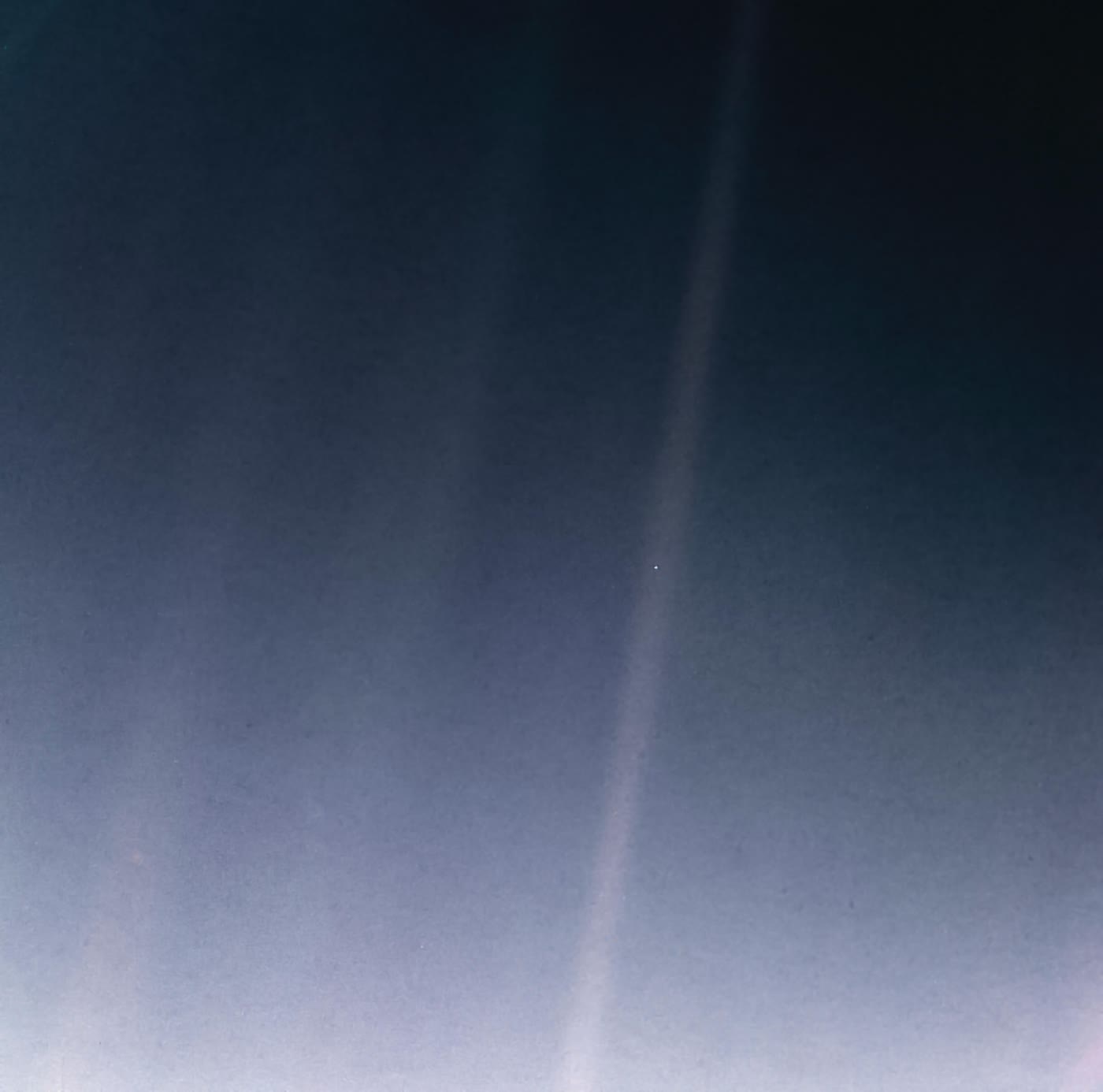
From the planets to interstellar space
Launched from Cape Canaveral in Florida on September 5, 1977, Voyager 1 passed close to Jupiter in 1979 and Saturn in 1980. Volcanic eruptions on Jupiter's moon Io were recorded through its observations as the first active eruptions seen outside Earth. The probe overtook Pioneer 10 in 1998 to become humanity's most distant spacecraft, and in 2012 it reached interstellar space by leaving the heliosphere, the bubble formed by the solar wind.
In 1990, the spacecraft took the most distant photograph ever captured of Earth, from beyond Neptune. In the image known as the “Pale Blue Dot,” our planet appears as a tiny point in the darkness of space. Astronomer Carl Sagan, who brought the photograph to the world's attention, described that point with the words, “That’s here. That’s home. That’s us.”
Today, the probe's two functioning scientific instruments measure magnetic fields and plasma waves. Jamie Rankin of Princeton University, deputy project scientist for the Voyager mission, says the team is trying to understand how far the Sun's influence extends through space.
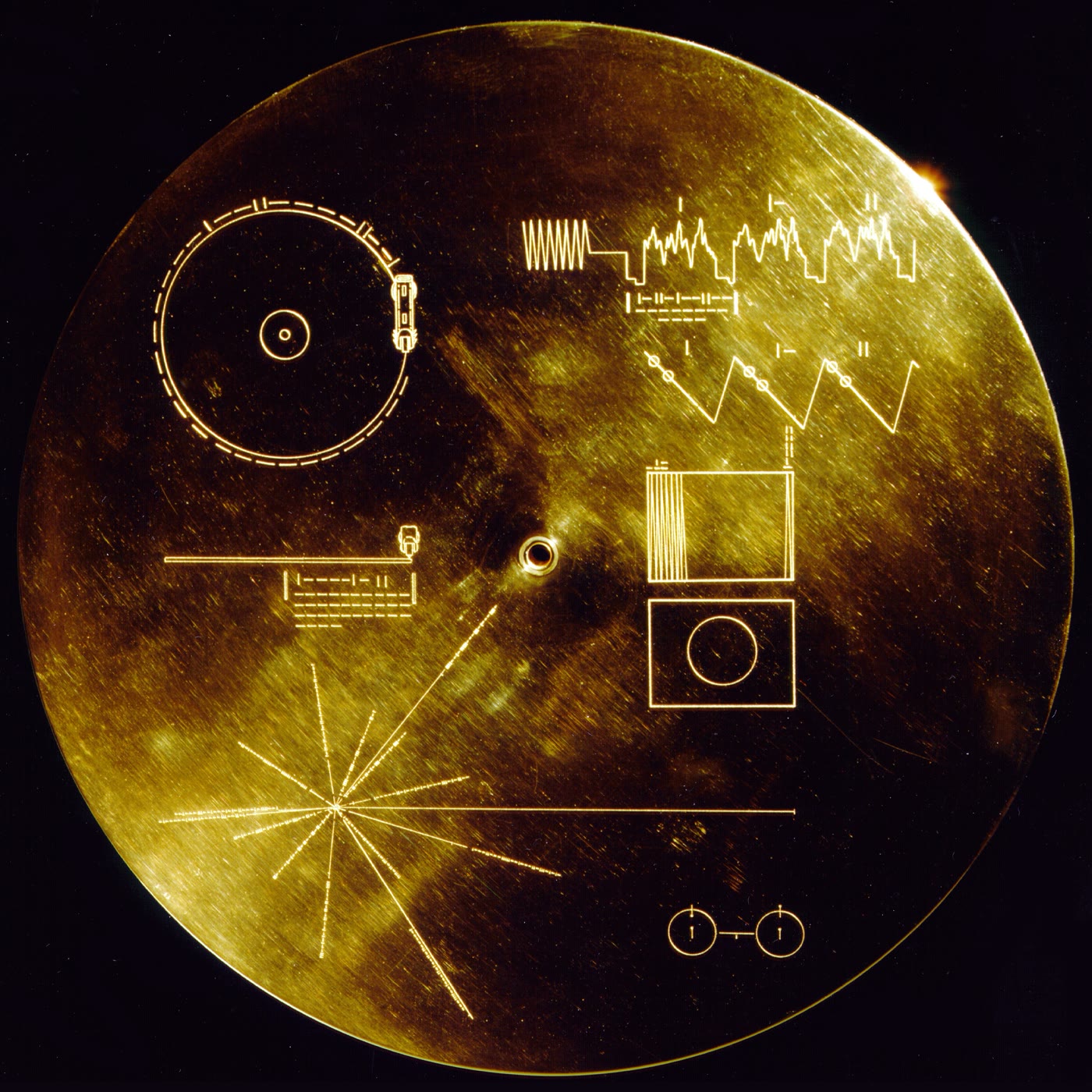
The Golden Record and declining power
Both Voyager spacecraft carry a 30-centimeter gold-plated record. It contains greetings in 55 languages, photographs and scientific drawings. Project manager Suzanne Dodd describes the record as a time capsule from Earth in 1977.
The plutonium-powered systems lose approximately 4 watts each year. In September, engineers replaced three more systems with lower-power alternatives to conserve energy; in October, communication with the probe was interrupted for two days before being restored. Voyager 2, the probe's twin, is expected to reach the same threshold in 2035. To mark the milestone, NASA invited everyone to write Voyager's call sign, V-G-R, in Morse code in the sky using a phone or flashlight after sunset on the evening of November 17.
Images: NASA/JPL-Caltech
Stay Updated with The Turkiye Times
Subscribe to be informed about special news, developments and announcements. We will keep you informed.
By signing up, you agree to our Privacy Policy