- BIST10011,722-2.89%
- USD49.45+0.05%
- EUR55.62+0.37%
- GOLD4,181.10+0.26%
- INTEREST37.00%-1.00
- BITCOIN81,450-0.06%
- October 17, 202614°
- BIST10011,722-2.89%
- USD49.45+0.05%
- EUR55.62+0.37%
- GOLD4,181.10+0.26%
- INTEREST37.00%-1.00
- BITCOIN81,450-0.06%
- October 17, 202614°
Which Countries Are Accelerating Growth in European Economies in 2026?
A detailed analysis of the standout growth performances and economic risks faced by Cyprus, Bulgaria, and Spain within the Eurozone in 2026.

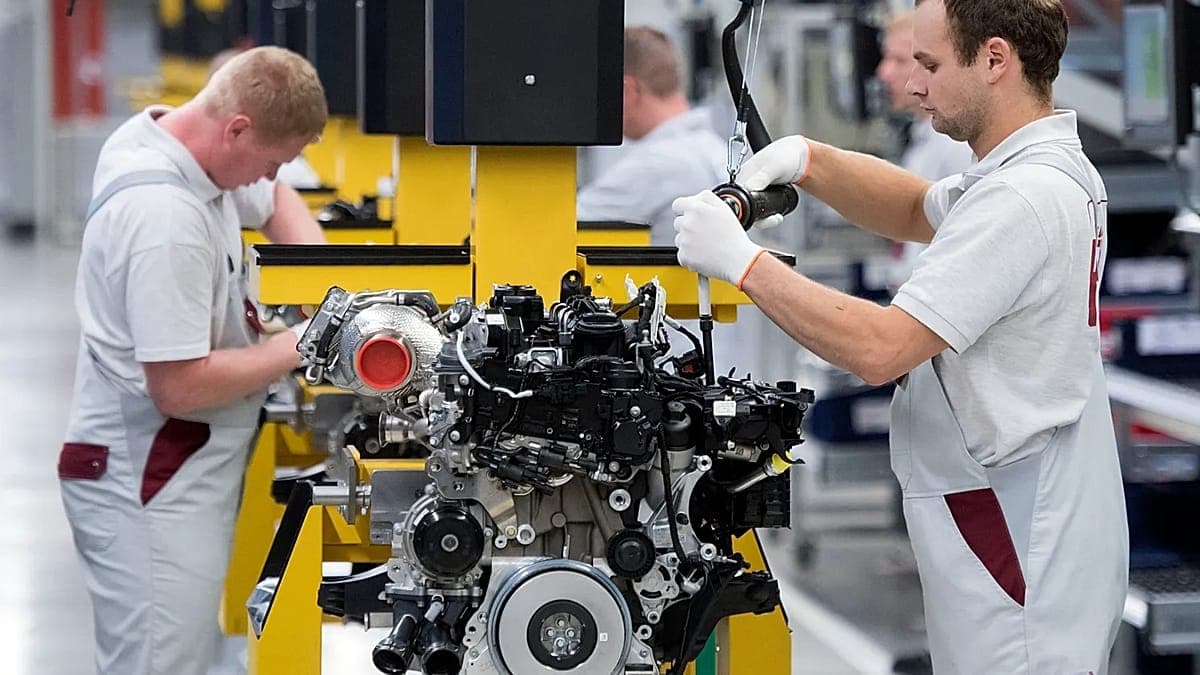
In the first quarter of 2026, the Eurozone economy grew by only 0.1%, falling short of expectations. However, within this overall slowdown, countries like Cyprus, Bulgaria, and Spain recorded growth more than three times the regional average. Cyprus reached the highest growth rate at 3.0%, with tourism revenues and EU-supported investments standing out as the main drivers of growth. However, rising energy prices in the Middle East and geopolitical developments in the region pose new risks to the Cypriot economy. Bulgaria experienced a significant milestone by adopting the euro on January 1, 2026. The country, which recorded 2.9% growth, supports growth with strong exports and private consumption. However, rising inflation and challenges in public finance are notable. Spain stands out among the major economies with 2.7% growth. Strong domestic demand and increased investments support growth, while the unemployment rate falling to its lowest level since 2008 is considered a positive indicator. On the other hand, large economies such as Germany, France, and Italy attract attention with lower growth rates. Europe's growth map is shaping more around the southern and eastern peripheries rather than traditional industrial centers. These developments are seen as indicators of significant changes in the region's economic dynamics.
Stay Updated with The Turkiye Times
Subscribe to be informed about special news, developments and announcements. We will keep you informed.
By signing up, you agree to our Privacy Policy