- BIST10010,838+0.73%
- USD49.86+0.15%
- EUR55.82+0.52%
- GOLD3,906.20+0.19%
- INTEREST36.00%-1.00
- BITCOIN77,896-0.43%
- November 2, 202620°
- BIST10010,838+0.73%
- USD49.86+0.15%
- EUR55.82+0.52%
- GOLD3,906.20+0.19%
- INTEREST36.00%-1.00
- BITCOIN77,896-0.43%
- November 2, 202620°
Belgium coalition talks fail, leaving De Wever government on resignation brink
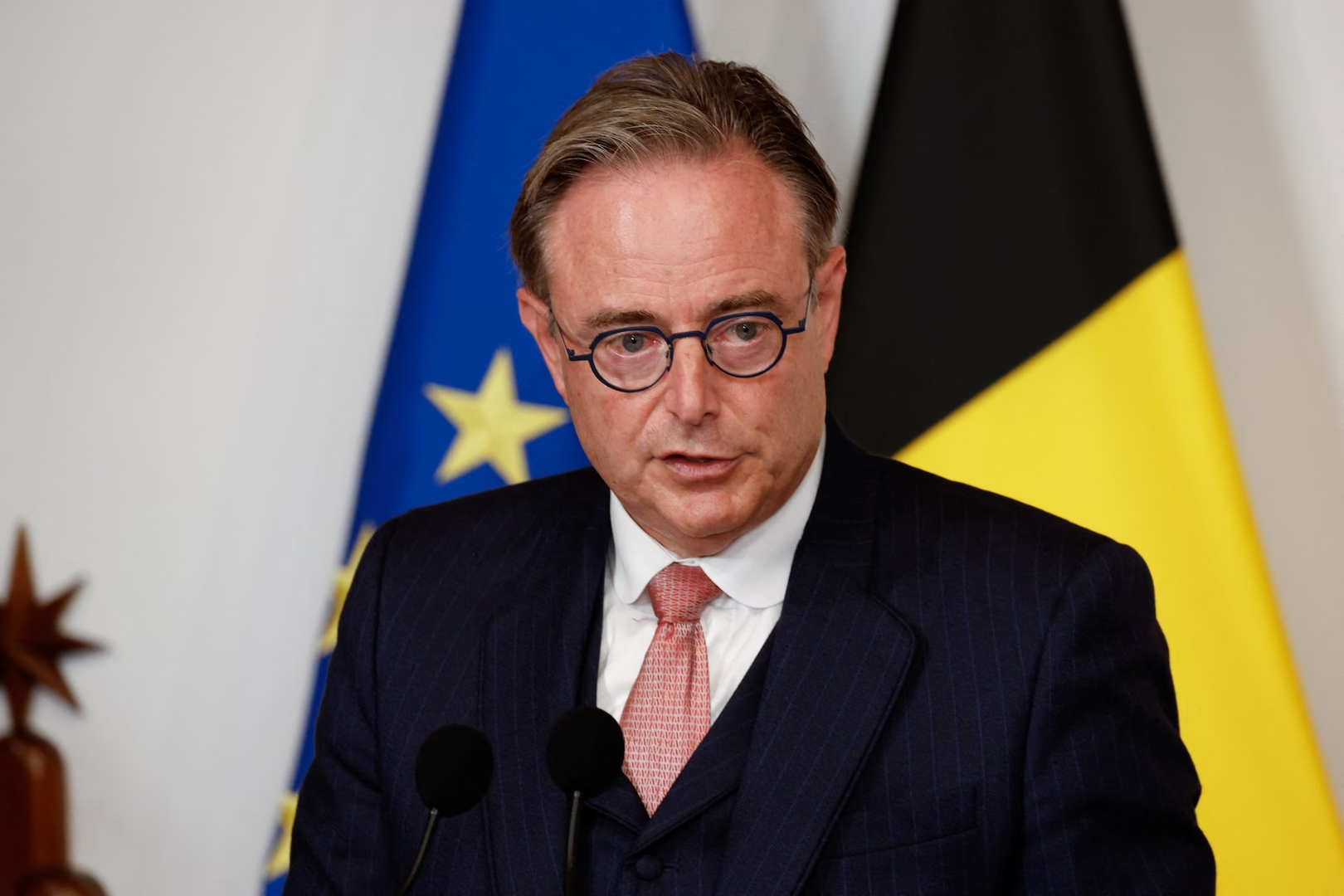
Belgium's coalition partners failed to agree on a €10 billion savings package planned through 2029, prompting Prime Minister Bart De Wever to decide to submit the government's resignation to King Philippe. The king cut short his holiday.


Budget negotiations within Belgium's five-party coalition government have collapsed. After failing to reach an agreement with coalition partners on €10 billion in budget measures planned through 2029, Prime Minister Bart De Wever decided to submit the government's resignation to King Philippe.
De Standaard and De Tijd reported that the core cabinet meeting, which began at 9 p.m. local time on Sunday, ended at around 1 a.m. on Monday without an agreement. King Philippe, who was scheduled to remain on holiday until November 11, cut his holiday short for an unscheduled meeting with De Wever.

Health cuts or wealth tax?
At the center of the coalition deadlock is the dispute over who should bear the burden of the savings. While De Wever's Flemish nationalist party N-VA and the French-speaking liberal MR support cuts to health spending, the Flemish socialist Vooruit, Christian democratic CD&V and centrist Les Engagés want higher taxes on the wealthiest.
Vooruit leader Conner Rousseau raised the proposed contribution from wealthy individuals to €1.5 billion, while De Wever limited the amount to €1 billion in his own budget plan. MR described Les Engagés' new proposals, which also include an increase in the capital gains tax, as a “financial horror list.”
King's decision awaited
King Philippe is expected to suspend the resignation rather than accept it immediately and call on the parties to continue negotiations. Submitting the resignation does not automatically mean an early election; a new majority could also be sought. De Wever went to the palace during a similar crisis last year but did not submit his resignation. The parties were given an additional 50 days, and on November 24, 2025, they reached agreement on €9.2 billion in savings.
If no agreement is reached, Belgium will enter the new year under a temporary appropriations system in which spending is carried out each month based on the previous year's budget. De Wever had previously said he would “not accept” this option. Belgium's government bond yields, closely watched because of the country's high public debt, have risen sharply in recent months.
Have a story, event or announcement of your own?Send us your news on WhatsApp
Spotted an error in this story?Report it on WhatsApp
Share on all social platforms
Sponsored Ads
Featured Listings
Loading featured properties...
Stay Updated with The Turkiye Times
Subscribe to be informed about special news, developments and announcements. We will keep you informed.
By signing up, you agree to our Privacy Policy