- BIST10011,843+1.51%
- USD50.28+0.05%
- EUR55.60-0.24%
- GOLD3,888.90+0.07%
- INTEREST36.00%-1.00
- BITCOIN64,771-0.83%
- November 16, 202611°
- BIST10011,843+1.51%
- USD50.28+0.05%
- EUR55.60-0.24%
- GOLD3,888.90+0.07%
- INTEREST36.00%-1.00
- BITCOIN64,771-0.83%
- November 16, 202611°
Bolat at COP31: Climate measures must not fragment global trade
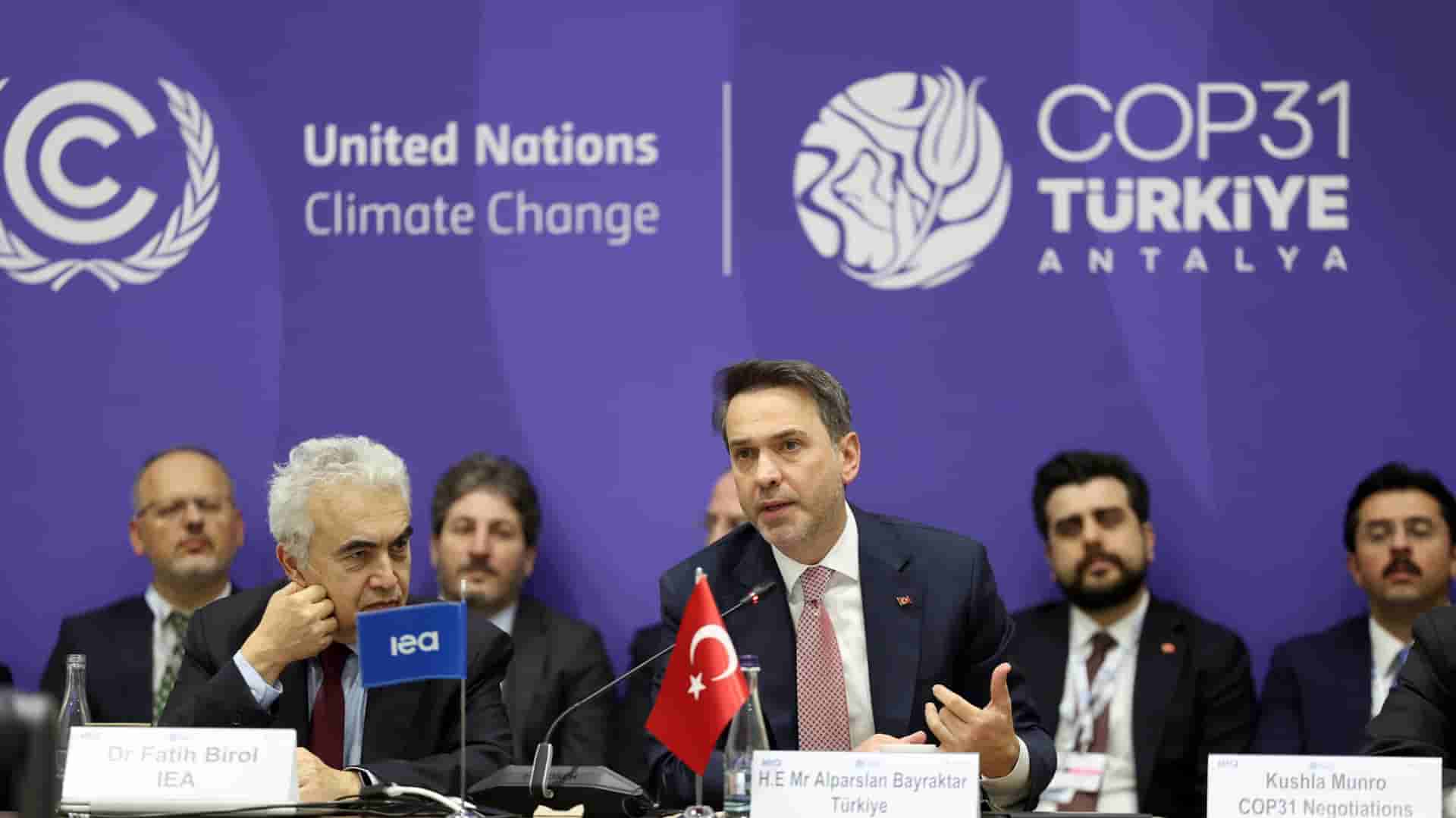
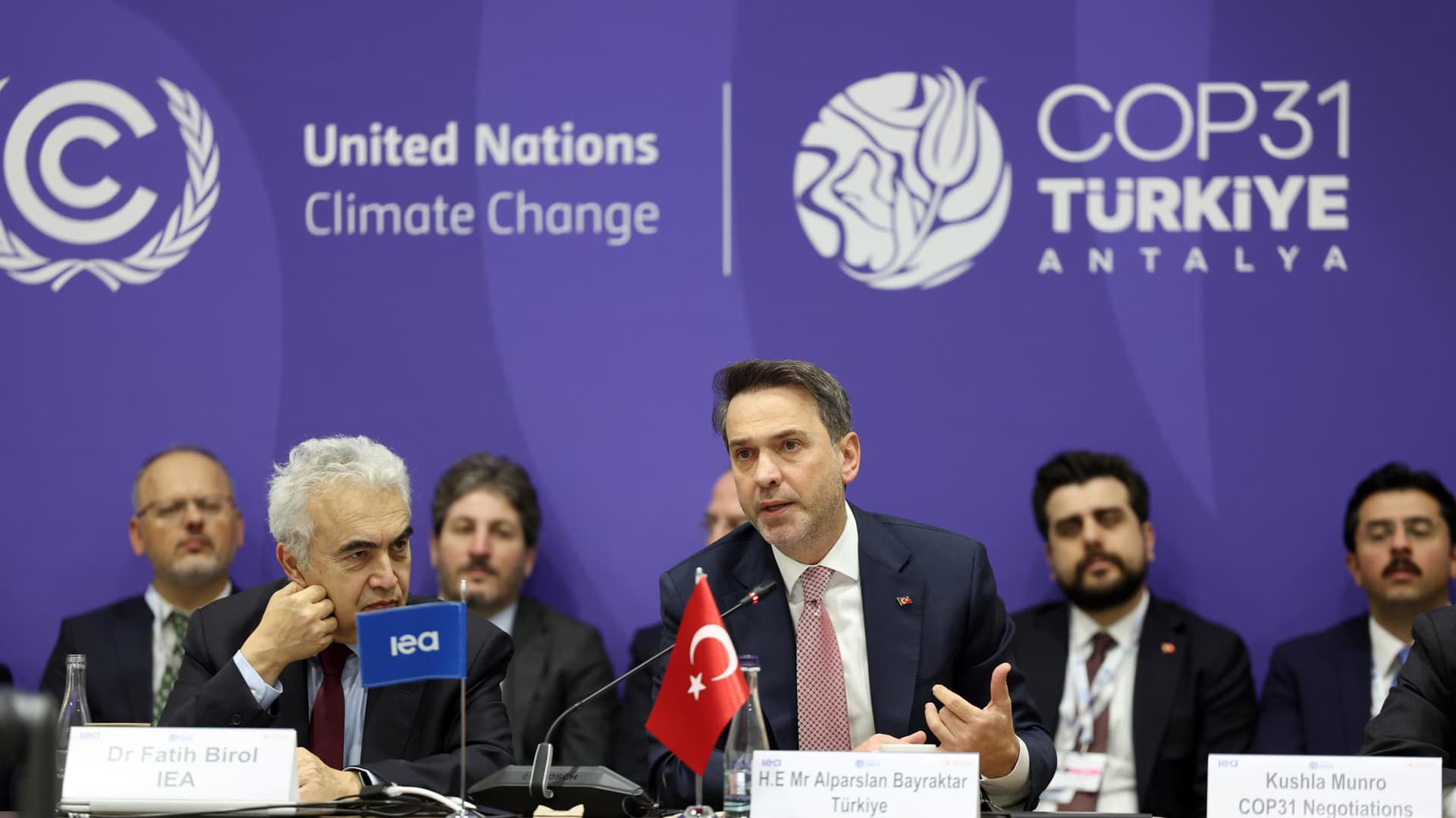
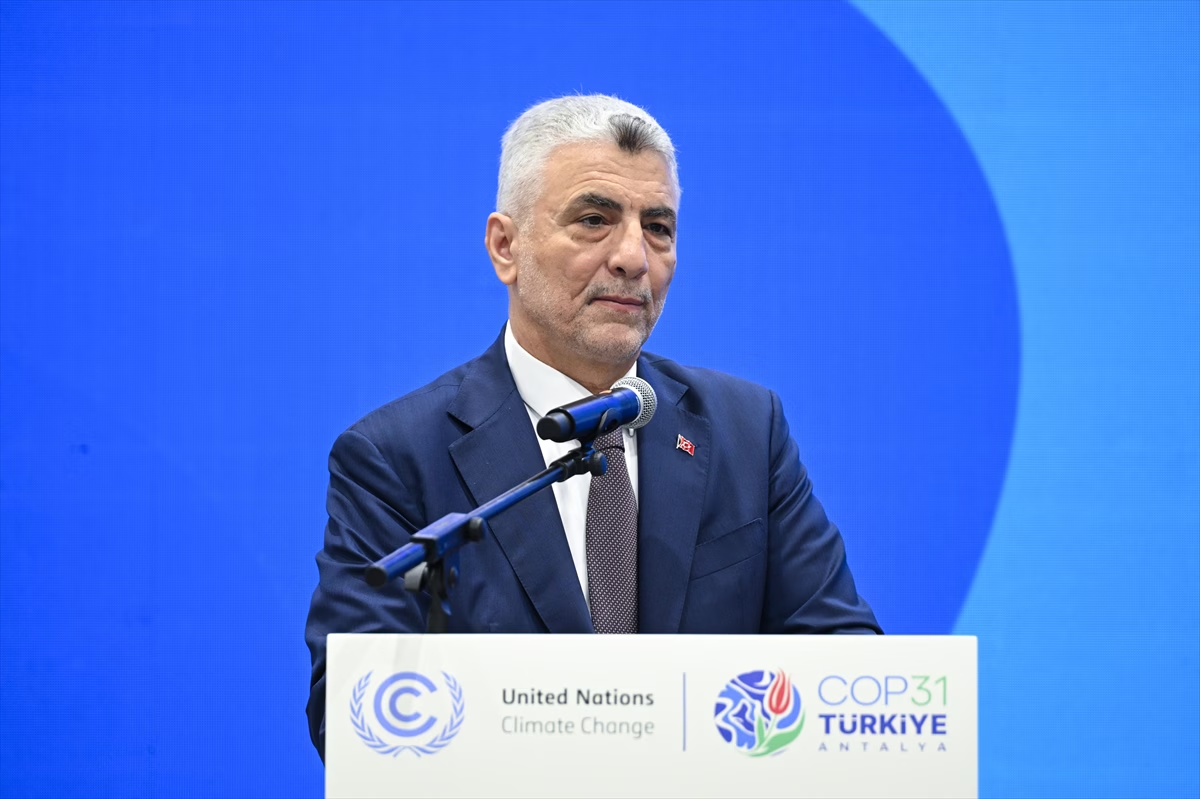
Trade Minister Ömer Bolat said at COP31 that climate policies and trade are becoming increasingly interconnected and that climate measures must not turn into trade barriers. Bolat announced that Türkiye is ready to work with the WTO, UNCTAD and all its trading partners.


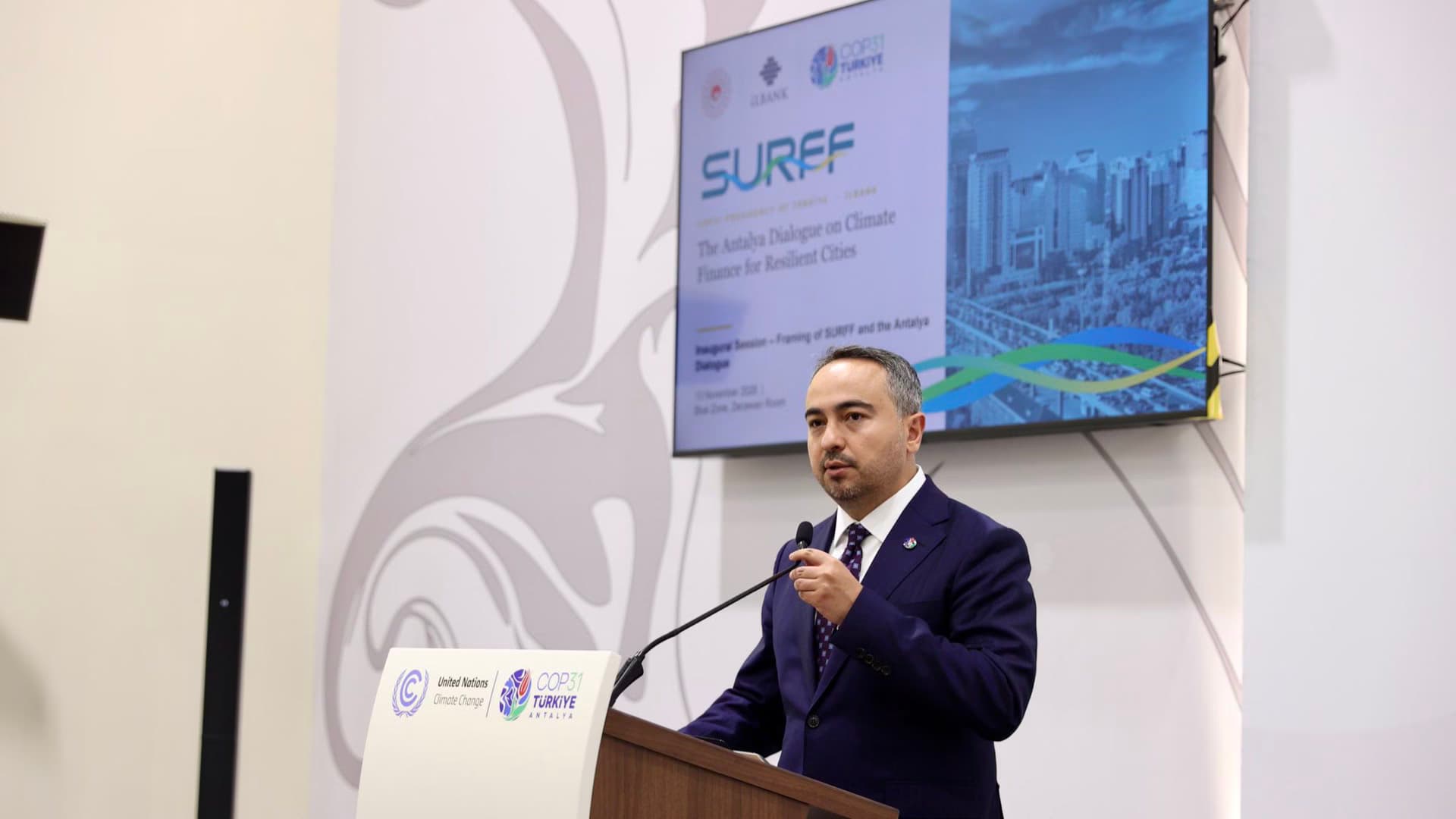
Trade Minister Ömer Bolat spoke at a session on the relationship between climate and trade held as part of COP31 in Antalya. Bolat said trade policies play an increasingly important role in creating the economic conditions needed to implement climate commitments, and that climate policies have begun directly affecting international trade, particularly since 2021.
Bolat stressed that decarbonisation is no longer solely an environmental issue but has become a matter of transformation in trade, investment and production. He noted that protectionist tendencies in global trade are growing, while trade wars and rising tariffs are slowing economic growth.
Türkiye begins implementing carbon taxation
Bolat said Türkiye had aligned with the European Union's Carbon Border Adjustment Mechanism (CBAM), and that its own CBAM programme was being implemented in full alignment with the EU. Recalling that an emissions trading system had been established, Bolat said, "Because of the Customs Union, we have begun applying a carbon tax to exports to the European Union; the system is now operational."
Bolat recalled that the Ministry of Trade had assumed the coordinating role, in coordination with the Ministry of Environment, Urbanisation and Climate Change, under the Green Deal Action Plan adopted in 2021. He said the plan covering the 2021–2025 period had expired.
"We are ready to make COP31 fully successful"
Bolat stressed that environmental protection measures must not fragment global trade or turn into trade barriers aimed at protecting domestic industries. He said coordination between developed and developing countries was also critical. Bolat said, "Türkiye is ready to work with the World Trade Organization, UNCTAD and all its trading partners to advance this dialogue and make COP31 fully successful."
According to COP31's official programme, the theme of the conference on Friday, November 13, will be "Finance and Trade."
Photos: AA
Stay Updated with The Turkiye Times
Subscribe to be informed about special news, developments and announcements. We will keep you informed.
By signing up, you agree to our Privacy Policy