- BIST10011,117-0.92%
- USD49.65+0.05%
- EUR55.60-0.19%
- GOLD4,007.90-1.29%
- INTEREST36.00%-1.00
- BITCOIN80,294-0.97%
- October 24, 202614°
- BIST10011,117-0.92%
- USD49.65+0.05%
- EUR55.60-0.19%
- GOLD4,007.90-1.29%
- INTEREST36.00%-1.00
- BITCOIN80,294-0.97%
- October 24, 202614°
Türkiye's wheat output expected to exceed annual needs at 288 kg per person
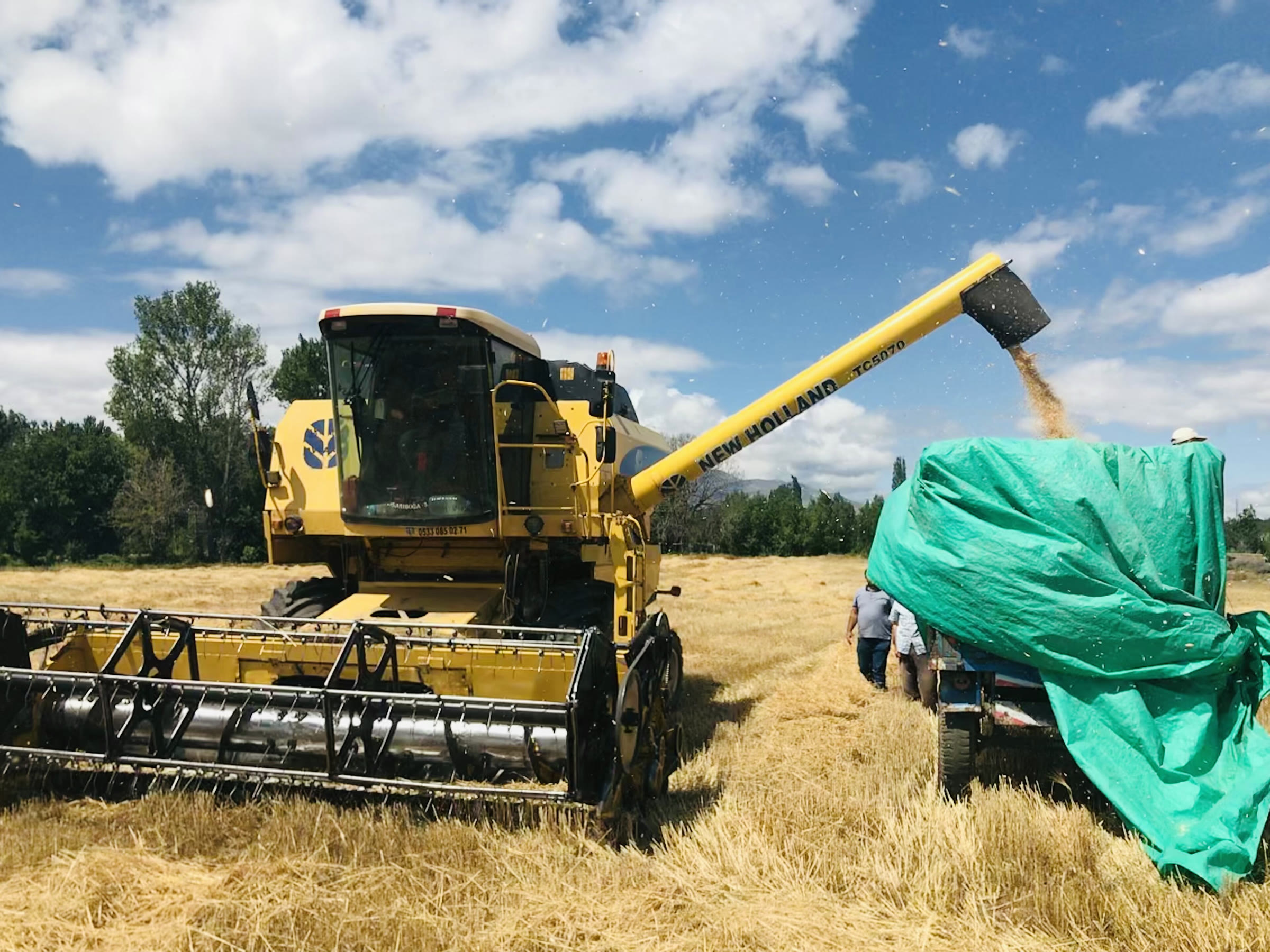
Türkiye's wheat production is expected to reach 24.8 million tons, while per capita production is projected to reach 288 kilograms. Kiraz said this would exceed the annual requirement of 250 kilograms per person, while oilseed imports worth approximately $2.5 billion to $3 billion would be required.


According to TurkStat's second crop production forecast for this year, favorable rainfall and weather conditions have also raised expectations for agricultural production. Production of cereals and other crop products is expected to increase by 17.3 percent compared with last year.
Wheat production to reach 24.8 million tons
Kiraz said total production of cereals and other crop products is projected at approximately 78.6 million tons, vegetable production at 33 million tons, and production of fruits, beverage crops and spice plants at 31.5 million tons.
Wheat production is expected to reach 24.8 million tons, while barley production is projected at 10 million tons. Per capita wheat production of 288 kilograms exceeds Türkiye's annual requirement, calculated at 250 kilograms per person.
Kiraz said this outlook was positive for food security and the supply of animal feed.
Call for support for oilseeds
Sunflower production alone among oilseed crops is expected to increase by 22 percent. The foreign trade deficit in these products, which are used to produce edible oil and animal feed, is expected to remain at approximately 50 percent, requiring imports worth $2.5 billion to $3 billion.
Kiraz therefore said support and guidance measures should be revised to place greater emphasis on oilseed crops.
Fruit and vegetable production forecasts
Fruit, beverage crop and spice plant production is expected to increase by 60.8 percent, while vegetable production is forecast to decline by 0.8 percent. Kiraz said product prices had remained below expectations this year, with fruit in particular being sold at lower prices than in previous years.
It was assessed that strengthening intervention purchases for apples and olives, which are currently being harvested, would contribute to price stability.
Olive production expected to reach 4.3 million tons
Kiraz said average olive production over many years had been approximately 2 million tons, while this year's production was expected to reach 4.3 million tons.
It was stated that intervention purchases should be made on time and at higher volumes, producer incomes should be secured, and export channels and incentives should be expanded specifically for this year so that farmers do not abandon production.
Kiraz also called for annual olive consumption, currently averaging 2 kilograms per person, to be doubled through consumer support, and for policies aimed at increasing consumption through olive oil production incentives to be strengthened.
Kiraz stressed that ensuring food security for approximately 86 million citizens and 15 million tourists and guests was of strategic importance for the country.
Stay Updated with The Turkiye Times
Subscribe to be informed about special news, developments and announcements. We will keep you informed.
By signing up, you agree to our Privacy Policy














