- BIST10012,070-0.40%
- USD49.39+0.05%
- EUR55.30+0.16%
- GOLD4,192.00+2.05%
- INTEREST37.00%-1.00
- BITCOIN82,290+0.88%
- October 15, 202613°
- BIST10012,070-0.40%
- USD49.39+0.05%
- EUR55.30+0.16%
- GOLD4,192.00+2.05%
- INTEREST37.00%-1.00
- BITCOIN82,290+0.88%
- October 15, 202613°
Children will compete with instruments made from waste, and the winning school will get a music classroom
In the competition organized by the Serdar Ceylan Art Academy, teachers, students, school groups and individual participants will present rhythm performances lasting up to 90 seconds using instruments they have made from waste materials. The three most successful performances will take the stage at the academy’s concerts at CSO Ada Ankara, while the winning school will receive a music classroom equipped with a piano, drums and a guitar.


Serdar Ceylan Art Academy is inviting children to make instruments from waste materials and perform rhythms as part of its zero-waste approach. The competition aims to show that children, particularly those living outside major cities and with limited access to instruments, can make music using their own resources.
Participation through 90-second performances
Teachers, students, school groups and individual participants can apply to the competition. Participants must submit videos of rhythm performances lasting no more than 90 seconds, using instruments they have made from waste materials.
Information about the application requirements, the channels through which videos will be submitted and the submission method will be announced through Serdar Ceylan Art Academy’s digital channels.
Three performances will take the stage at CSO Ada Ankara
The participants presenting the three most successful performances in the competition will take the stage at the academy’s concerts at CSO Ada Ankara. A music classroom equipped with instruments such as a piano, drums and a guitar will be established at the winning school. Individual participants will also receive awards.
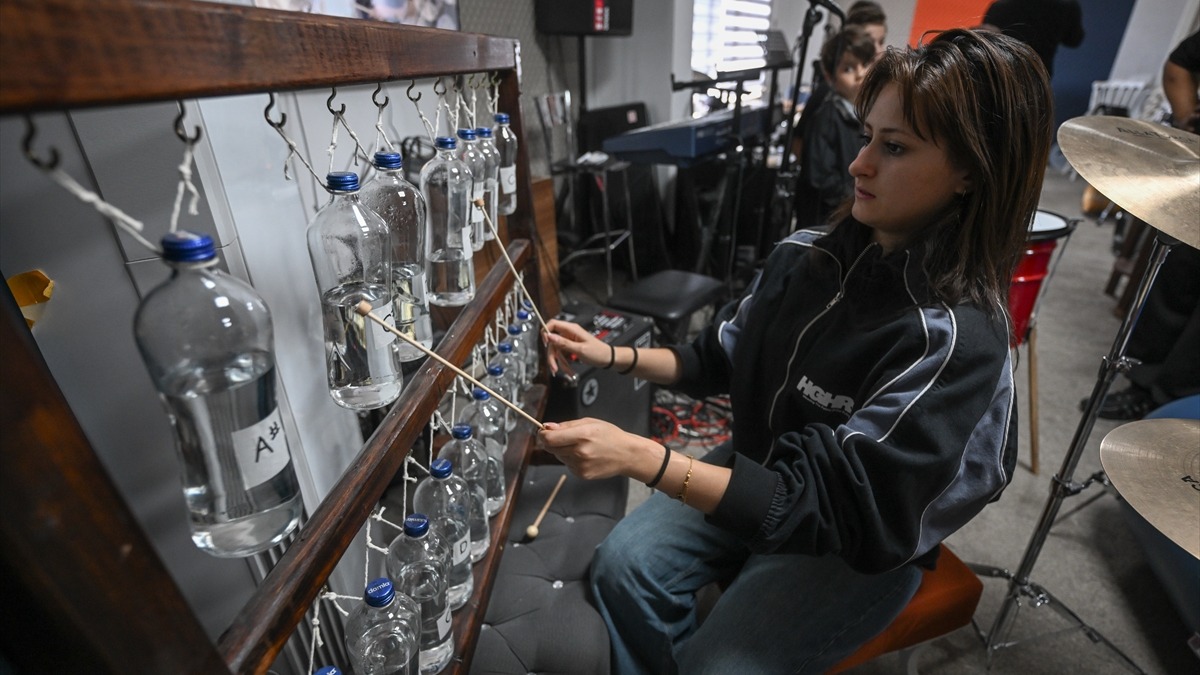
Serdar Ceylan said the project arose from the hardships they had experienced in their own past. Ceylan said they had learned to make use of the materials available to them and explained that they had made musical instruments from items such as rubbish bins, canisters and yogurt containers.
Ceylan said the project’s primary aim was to instill in children the idea, “I can do it too.”
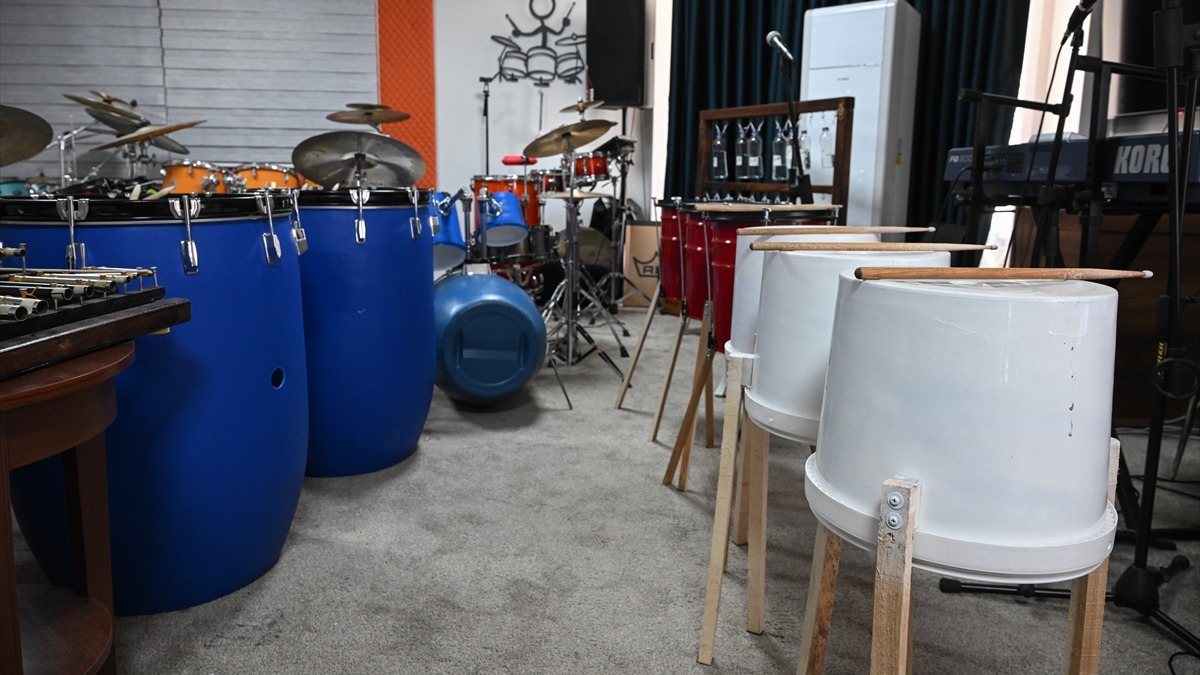
Ceylan said they had formed an orchestra by giving small performances with the instruments they made, adding that they wanted to expand the project across Türkiye and reach schools with limited resources. He said they wanted children who could not afford instruments to see that they could take their first steps in music by making drums from canisters or piano-like instruments from pipes.
Ceylan also said that instruments made from waste could be used musically. He explained that the xylophones made from glass bottles produced the correct notes and that children performed with drums made from canisters. He noted that they had designed the instruments together with Veli Doğan, one of the academy’s teachers.
Yogurt containers, metal pipes and glass bottles were used
Musician and retired soldier Veli Doğan, who led the production of the instruments for the project, said his interest in zero-waste and recycling initiatives had influenced his decision to join the project. Doğan said they used waste yogurt containers and barrels for percussion instruments, and metal pipes and glass bottles for other instruments.
Doğan said it was a source of pride for them to see students playing the instruments they had made, adding that they wanted to bring a sense of rhythm and music to as many children as possible. He said the project would not only help children develop a love of music but also contribute to recycling and zero-waste efforts.
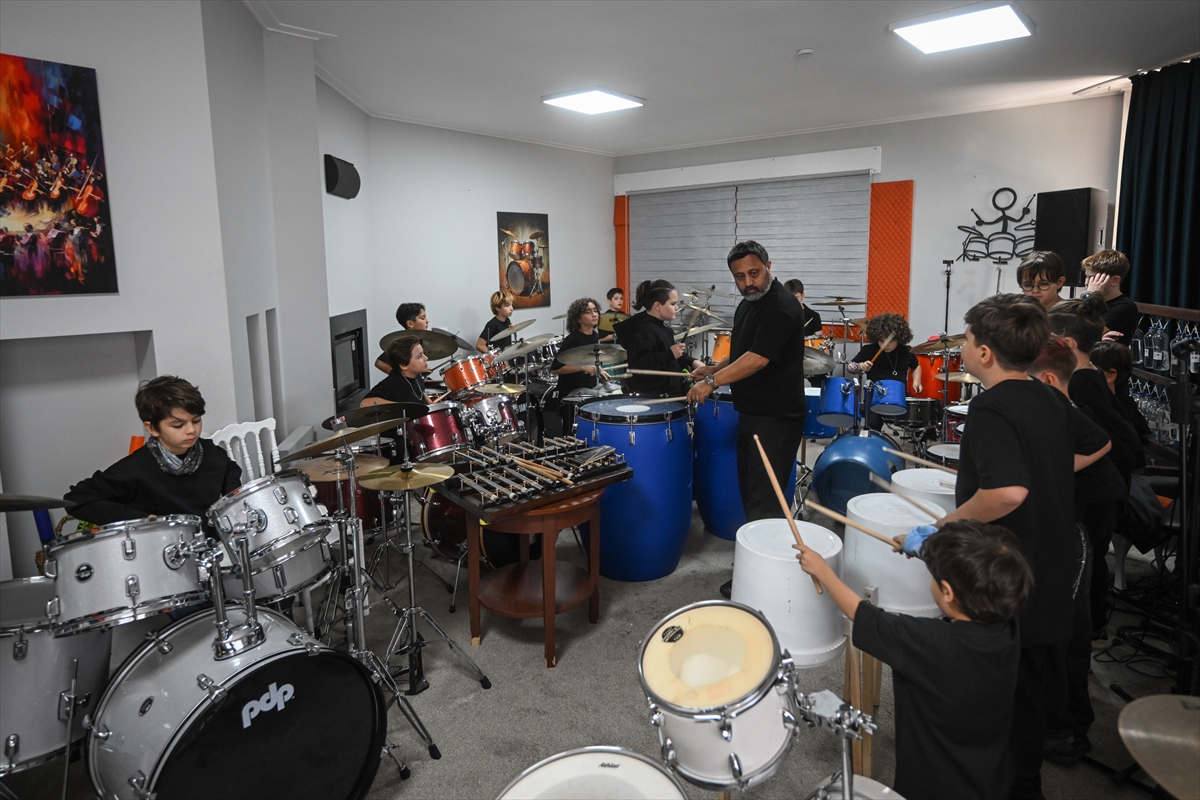
Children tried the waste instruments
Kayra Gökalp, 12, who tried the instruments prepared for the project, said they had been playing the drums for approximately four years. Gökalp said musical instruments made from waste made music more accessible and removed the barrier between people and music.
Gökalp said they had been inspired by the Zero Waste Project launched under the patronage of Emine Erdoğan and had brought together the approach of reducing waste, reusing it and giving it new value with music. They said they wanted to give a concert in the future on International Zero Waste Day, March 30, using instruments made from waste materials.
Mustafa Baybars Kılınçarslan, a member of the Drums Children’s Orchestra, said he was impressed by the transformation of materials thrown away in daily life into instruments. Kılınçarslan said yogurt containers could be turned into tools that produced different sounds and could be used in music, adding that the project was particularly important for people who did not have access to costly instruments such as drums.
Source: Anadolu Ajansı
Spotted an error in this story?Report it on WhatsApp
Share on all social platforms
Sponsored Ads
Featured Listings
Loading featured properties...
Stay Updated with The Turkiye Times
Subscribe to be informed about special news, developments and announcements. We will keep you informed.
By signing up, you agree to our Privacy Policy














