- BIST10012,070-0.40%
- USD49.39+0.05%
- EUR55.30+0.16%
- GOLD4,192.00+2.05%
- INTEREST37.00%-1.00
- BITCOIN82,290+0.88%
- October 15, 202613°
- BIST10012,070-0.40%
- USD49.39+0.05%
- EUR55.30+0.16%
- GOLD4,192.00+2.05%
- INTEREST37.00%-1.00
- BITCOIN82,290+0.88%
- October 15, 202613°
Restoration reveals Süleymaniye Mosque’s acoustic secrets beneath its dome
Restoration work at Istanbul’s Süleymaniye Mosque uncovered acoustic vessels placed inside the dome, 16th-century decorative painting and inscriptions engraved on stainless metal. The work also completed a missing calligraphic letter, replaced a broken piece in the fountain and renewed the building so that it will not require major intervention for the next 50 years.


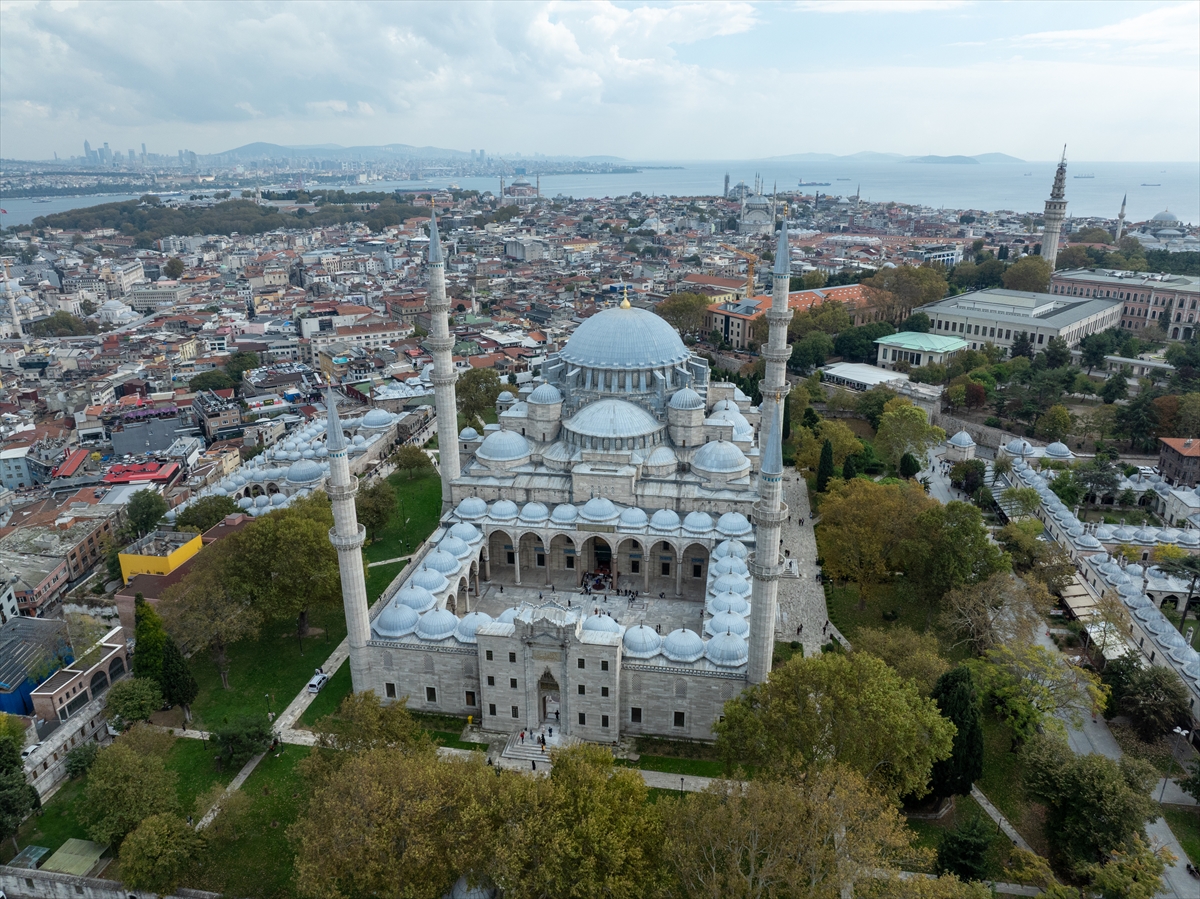
Commissioned by Sultan Süleyman the Magnificent and built by Mimar Sinan, the Süleymaniye Complex is among the major works reflecting the Ottoman approach to urban planning, with its mosque, religious schools, hospital, soup kitchen, bathhouse and other structures.
Restoration work at the Süleymaniye Mosque, which has shaped Istanbul’s skyline for centuries, brought to light numerous details about the building’s architectural and engineering features. At the mosque Mimar Sinan described as his “masterwork,” hidden vessels that provide acoustic control beneath the dome, along with decorative and calligraphic elements from different periods, were examined.
Vessels beneath the dome regulate acoustics
Associate Professor Kaya Üçer of Mimar Sinan Fine Arts University said that, during the restoration, vessels and components used together with bricks were found in sections containing cracks known as “tears” in the dome.
Üçer said access to the inner sections of the dome became possible after approximately 20,000 cubic meters of scaffolding was erected. He explained that the vessels had been placed vertically, with their bases perforated, in a way that formed zigzag patterns of specific dimensions inside the dome. The openings, which cannot be seen from below, soften sound and reduce reverberation; specialists examined this function through tests.
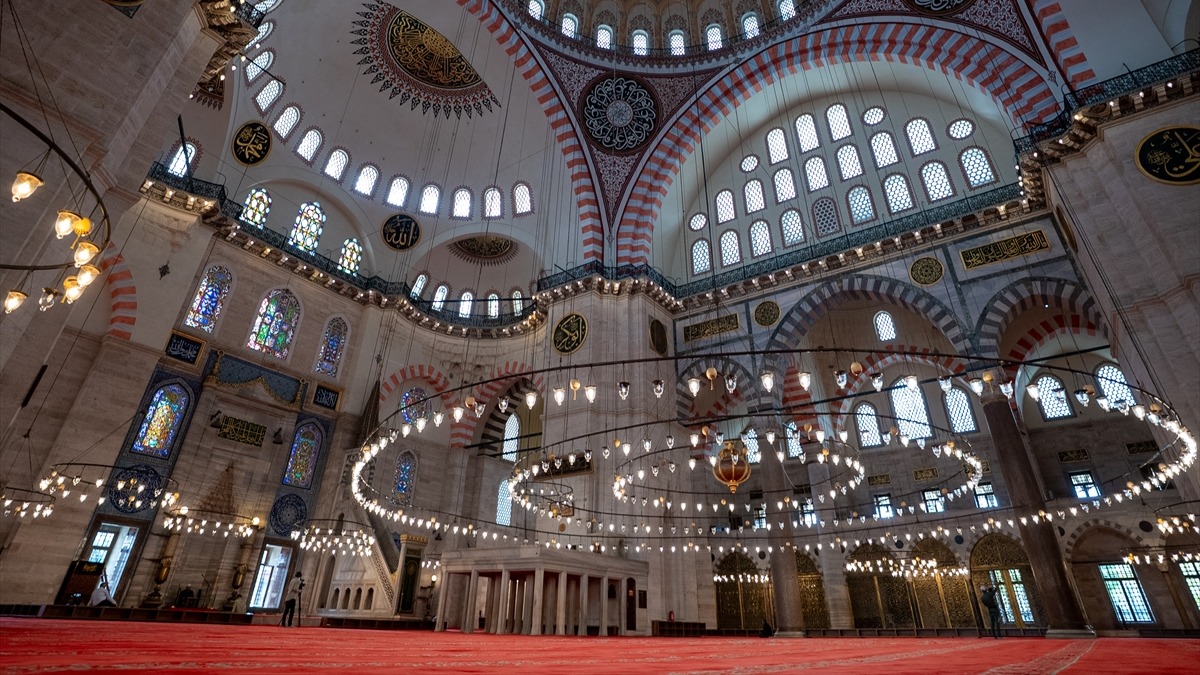
Üçer said people standing at the two ends of the dome could hear one another as if they were nearby, allowing voices to be heard clearly without pronounced reverberation.
Baroque and rococo decorations examined
As part of the restoration, investigative scraping was carried out at different points of the main dome, and the surfaces were examined under ultraviolet light. Another Baroque decoration, applied in sections, was identified beneath the lower layers.
Üçer assessed that this decoration was not present across the entire dome and that whichever of the two examples was preferred may have been continued. The existing decorative painting was restored, bringing back the dome’s imposing appearance.
Original decorative paintings dating to Mimar Sinan’s period were also found during scraping work in the mosque’s porticoes and the imperial gallery. While the original sections were preserved, missing parts were completed using the existing examples, revealing traces of rumi motifs used in the 16th century.
Inscription beneath the dome and missing letter completed
Contrary to the account that the calligraphy beneath the dome was written by Ahmed Karahisari, records name his student Hasan Çelebi. It was also noted that Abdülfettah Efendi made corrections to the inscription during restoration work around the 18th century.
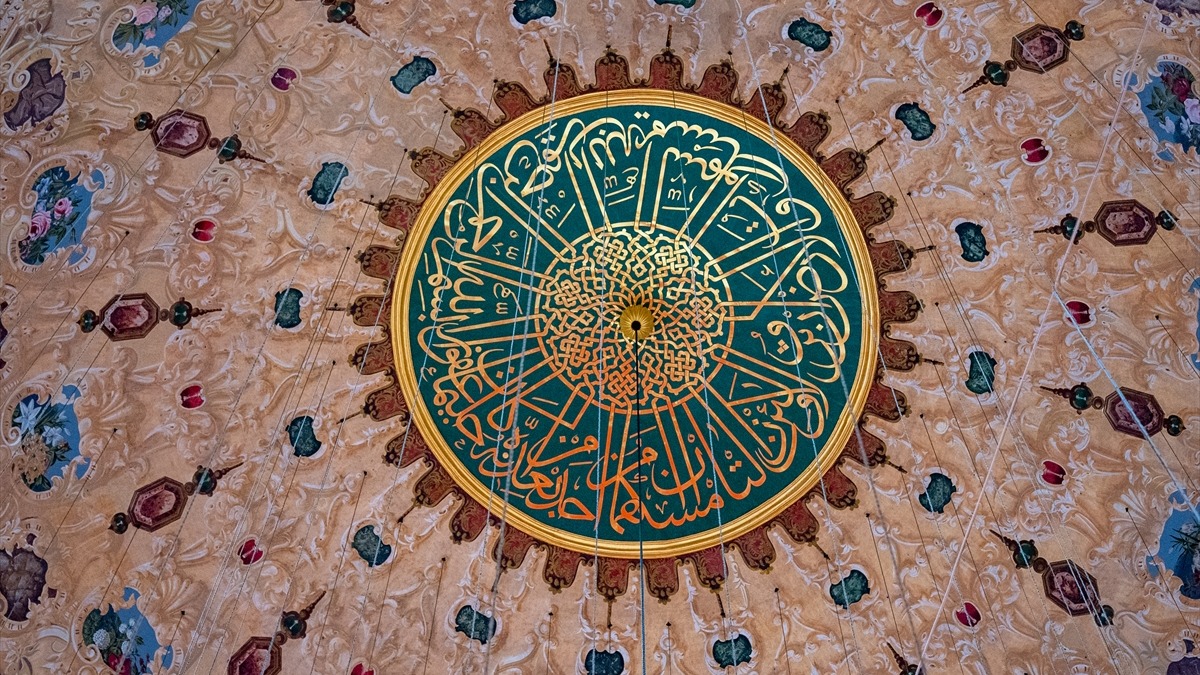
Zinc and stainless materials fastened together with large nails were identified beneath the inscription’s gilded, wood-framed surface. The inscription was engraved on stainless material, an application intended to preserve it for a long time.
A missing letter in the calligraphy was noticed during the work. After consultation with calligraphers and approval from the scientific committee, the missing letter was completed and the inscription was rearranged in place.
Missing fountain piece found in a museum
During the restoration, missing pieces were identified in the upper section of the water level indicator in the fountain area. Üçer said he had seen a similar piece at the Directorate General of Foundations’ museum in Fatih and that measurements showed the museum piece matched the pattern on the water level indicator.
After the piece was cleaned and placed in position, it was found to fit the broken section exactly.
Restoration lasted approximately seven years
Üçer said construction of the Süleymaniye Mosque was completed in approximately seven years and that the restoration work took a similar length of time. The building was meticulously restored so that it would not require major intervention for the next 50 years.
Following exterior cleaning and scraping, a protective material was applied to the surface. After the first material used caused slight greening within two or three months, the manufacturer examined the issue and reformulated the material according to the area’s weather conditions.
After the greening problem disappeared in the trial application, the protective material began to be used. The restoration process emphasized that Istanbul’s air, humidity, dampness and exposure to sunlight were decisive factors in selecting the material.
Source: Anadolu Ajansı
Spotted an error in this story?Report it on WhatsApp
Share on all social platforms
Sponsored Ads
Featured Listings
Loading featured properties...
Stay Updated with The Turkiye Times
Subscribe to be informed about special news, developments and announcements. We will keep you informed.
By signing up, you agree to our Privacy Policy














