- BIST10011,131-3.02%
- USD50.47+0.05%
- EUR55.46+0.20%
- GOLD3,528.90-4.25%
- INTEREST36.00%-1.00
- BITCOIN58,792-5.03%
- November 20, 202617°
- BIST10011,131-3.02%
- USD50.47+0.05%
- EUR55.46+0.20%
- GOLD3,528.90-4.25%
- INTEREST36.00%-1.00
- BITCOIN58,792-5.03%
- November 20, 202617°
Europe sees over 8,000 fake bomb threats in one month
More than 8,000 fake bomb threats were sent to schools, airports, television channels and companies across Europe over the past month, according to data compiled by Reuters. French Interior Minister Laurent Nuñez pointed to the possibility of foreign interference.
The Turkiye Times Editorial DeskUpdated:


More than 8,000 fake bomb threats were sent to institutions and companies across Europe over the past month, according to a tally compiled by Reuters from statements by European officials, media reports and data from cybersecurity companies such as Proofpoint and Mimecast. Most of the targets were schools in the United Kingdom, Ireland and Italy, while media organizations, airports, charities and individuals were also affected by the wave.
The threats led to dozens of flights being diverted or canceled, disrupted television broadcasts and forced thousands of students to return home. No explosives were found in any of the threats, and no one was injured.
Emails titled “Death is near”
The first wave consisted of emails sent on Oct. 19 to schools in Northern Ireland and Scotland and institutions in Bulgaria. Reuters reviewed eight messages in English, Bulgarian and Italian that were similar to one another and found that they had been sent from at least four compromised email accounts.
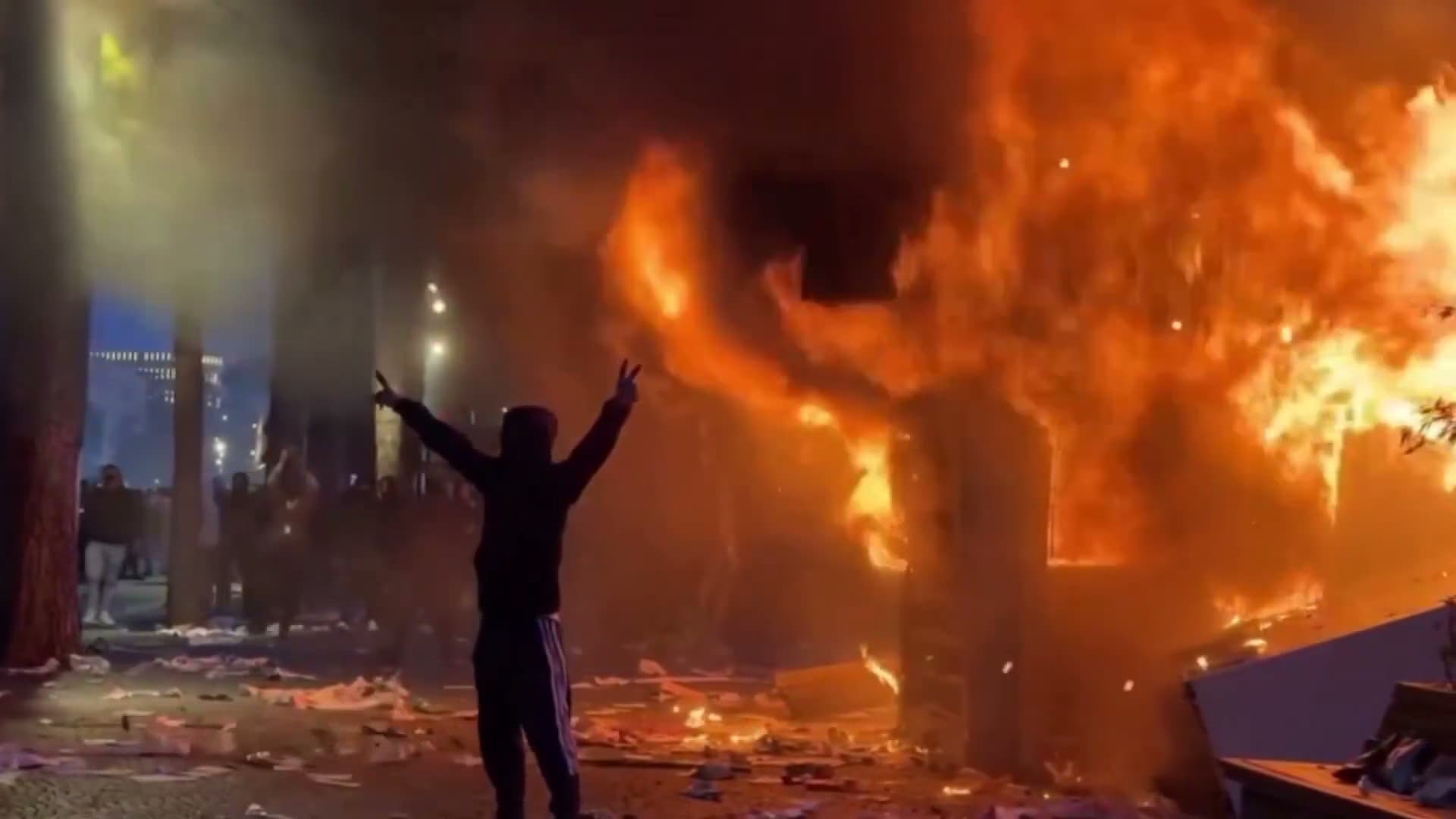
On Nov. 2, a Wizz Air flight from London to Sofia was diverted to Budapest because of a bomb threat. According to flight-tracking company AirNav Radar, more than 50 flights operated by about 15 airlines received fake threats between Nov. 2 and 6. On Nov. 6, France’s TF1, Bulgaria’s Nova and Ireland’s RTE television channels were targeted; some RTE programs briefly went off the air as employees evacuated the building. The November emails were sent in the name of a Russian anti-feminist group called “Male State,” whose founder said the group had no involvement.
The largest wave came on Nov. 11. Bomb threats signed “Misoginistan” were sent to about 6,300 schools in Italy, prompting evacuations across the country. On the same day, about 1,000 schools in Scotland and 300 in Northern Ireland were targeted.
France sees clear possibility of foreign interference
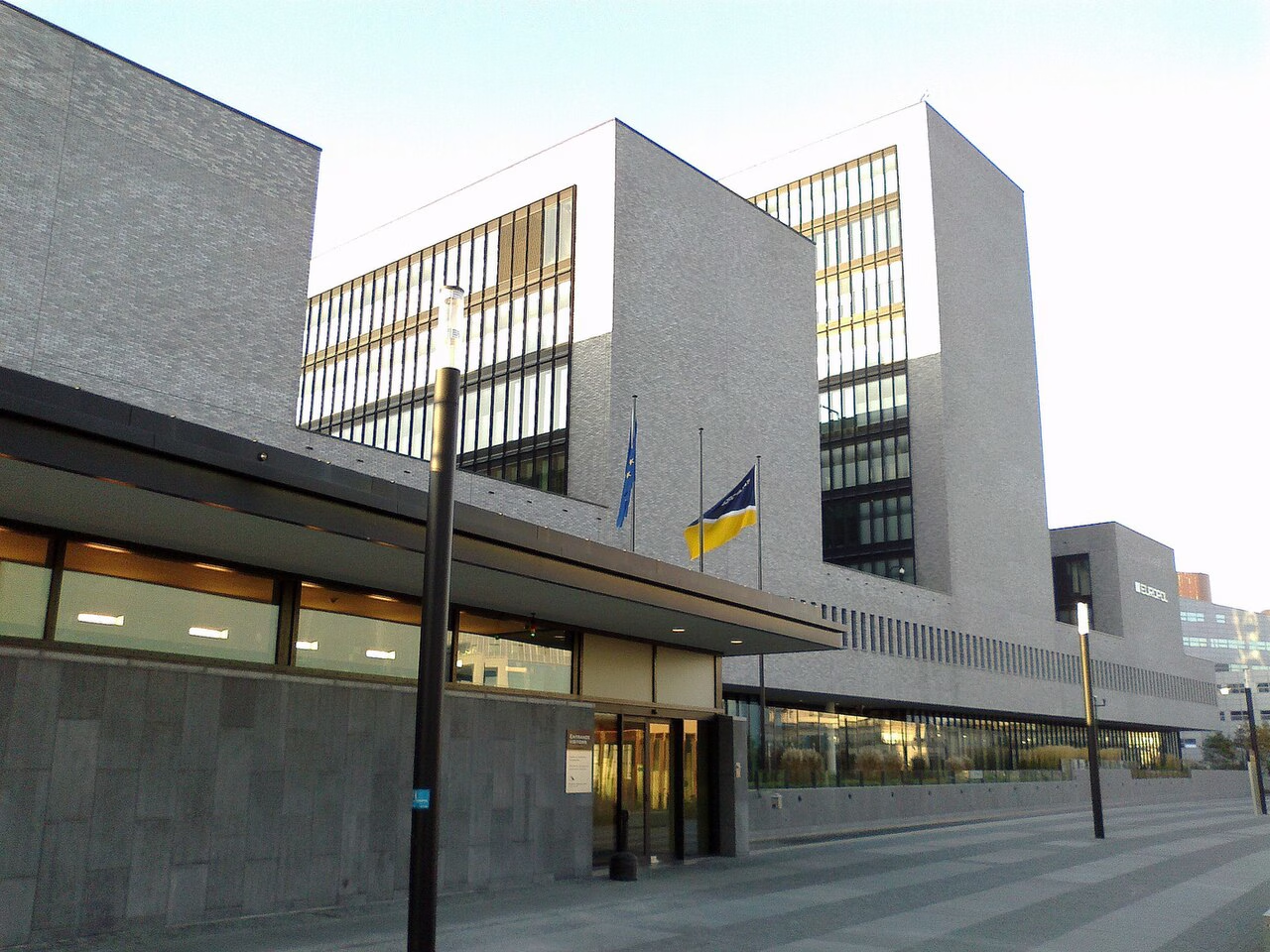
Reuters said it could not independently verify that all the fake threats came from the same group, but many officials and experts believe that most of the threats were connected. French Interior Minister Laurent Nuñez said, “We clearly see the possibility of foreign interference,” naming Russia or “potentially other countries.” Nuñez said Europol was trying to identify the source of the threats. Russia’s embassy in Paris did not respond to a request for comment.
The Italian government established a special technical group to develop procedures and tools to counter similar threats. On Nov. 5, the European Commission also activated an information-sharing mechanism on aviation security.
Photos: Al Jazeera footage, Wikimedia Commons (DavidivardiIL, CC BY 4.0; OSeveno, CC BY-SA 3.0).
Stay Updated with The Turkiye Times
Subscribe to be informed about special news, developments and announcements. We will keep you informed.
By signing up, you agree to our Privacy Policy